Fortified Plant Milks

Overview
Fortified plant milks (soy, almond, oat, etc.) provide essential nutrients like B12, vitamin D, and sometimes iodine, helping close vegan nutrient gaps.
Within the BRAIN Diet framework, targets foods providing essential brain supporting vitamins: D (UV-exposed mushrooms; fortified plant milks/yogurts), B12 (fortified plant milks, nutritional yeast).
Food Context
Synergies
- Part of functional food strategy
Sourcing
- Choose fortified varieties for B12 and D
Preparation
- Check fortification levels and forms (methylcobalamin for B12)
- Important for vegan/vegetarian nutrient sufficiency
Recipes
Nutrition
Reliable composition data for this preparation are not yet available.
Recorded constituents
Bioactive compounds
| Compound / class | Content | Notes |
|---|---|---|
| Iodine | Present [3] | plant-based drinks fortified with the named nutrient |
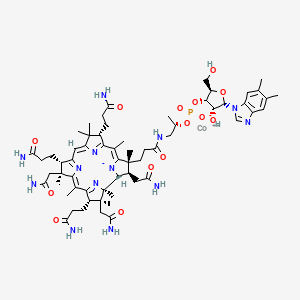
| Vitamin B12 | Present [3] | plant-based drinks fortified with the named nutrient |
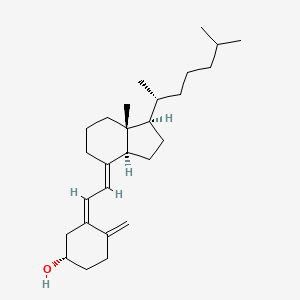
| Vitamin D | Present [3] | plant-based drinks fortified with the named nutrient |
- Iodine, Vitamin B12, Vitamin D: Present in products fortified with this nutrient; check the product label. [3]
Technical provenance
Iodine: A Comprehensive Analysis of Plant-Based Drinks and Yogurt Alternatives in Europe (2023). Survey separately identifies calcium, iodine, vitamin D and B12 fortification; not all products receive all nutrients. [3]
Vitamin B12: A Comprehensive Analysis of Plant-Based Drinks and Yogurt Alternatives in Europe (2023). Survey separately identifies calcium, iodine, vitamin D and B12 fortification; not all products receive all nutrients. [3]
Vitamin D: A Comprehensive Analysis of Plant-Based Drinks and Yogurt Alternatives in Europe (2023). Survey separately identifies calcium, iodine, vitamin D and B12 fortification; not all products receive all nutrients. [3]
Substances
4 substances in this food
References
[1] Fortified plant milks can help close calcium and iron gaps when paired appropriately within mixed meals. Hallberg et al. 1989. Iron absorption in man: ascorbic acid and dose-dependent inhibition by phytate
[2] B-vitamin fortification in plant beverages supports one-carbon and neurochemical pathways in vegan patterns. Kennedy et al. 2016. B Vitamins and the Brain: Mechanisms, Dose and Efficacy—A Review
[3] A Comprehensive Analysis of Plant-Based Drinks and Yogurt Alternatives in Europe (2023)