Garlic
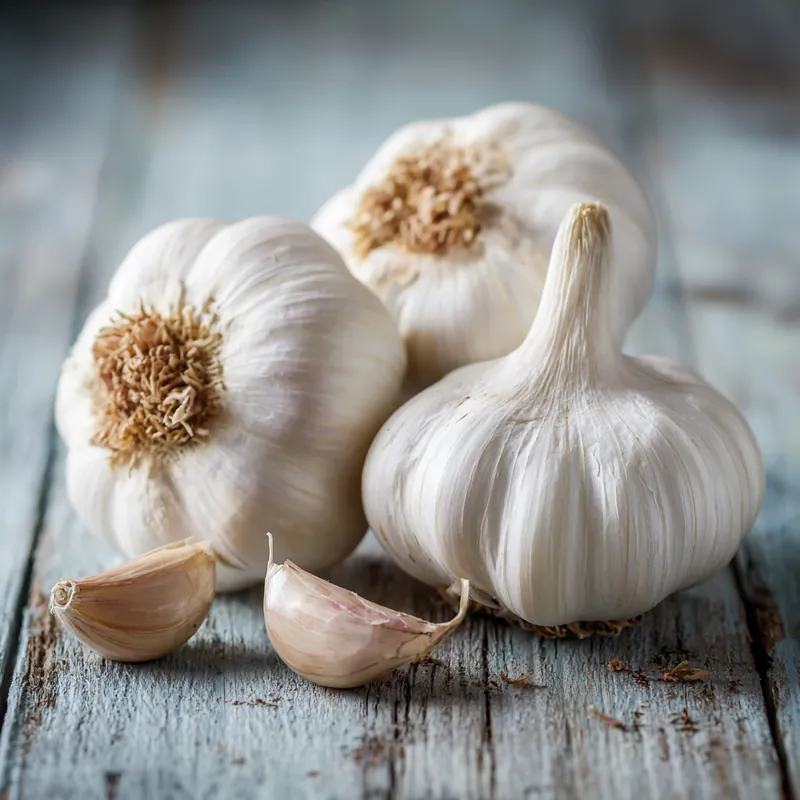
Overview
Garlic provides allicin (when crushed), sulfur compounds for glutathione synthesis, and prebiotic fiber supporting gut health and antioxidant defenses. Sulphur-containing vegetables that provide glutathione precursors (e.g., broccoli, Brussels sprouts, garlic, onions) support NAD+ availability, glutathione synthesis, and mitochondrial health.
Within the BRAIN Diet framework, garlic is part of the allium family with prebiotic benefits.
Food Context
Synergies
- Part of diverse plant food strategy; dietary diversity (≥30 plant foods per week) supports microbial richness and resilience
Preparation
- Crush or chop to activate allicin formation; allicin is formed when garlic is crushed
- Allow to sit 10 minutes after crushing before cooking to maximize allicin formation
- Cooking reduces allicin but may enhance other compounds
- Sulphur-containing vegetables that provide glutathione precursors support antioxidant defenses
Essential Amino Acid Profile
Garlic contribute plant protein. Pair with complementary protein sources (e.g. grains and legumes) for a balanced essential amino acid profile.
Recipes
6 recipes containing this food
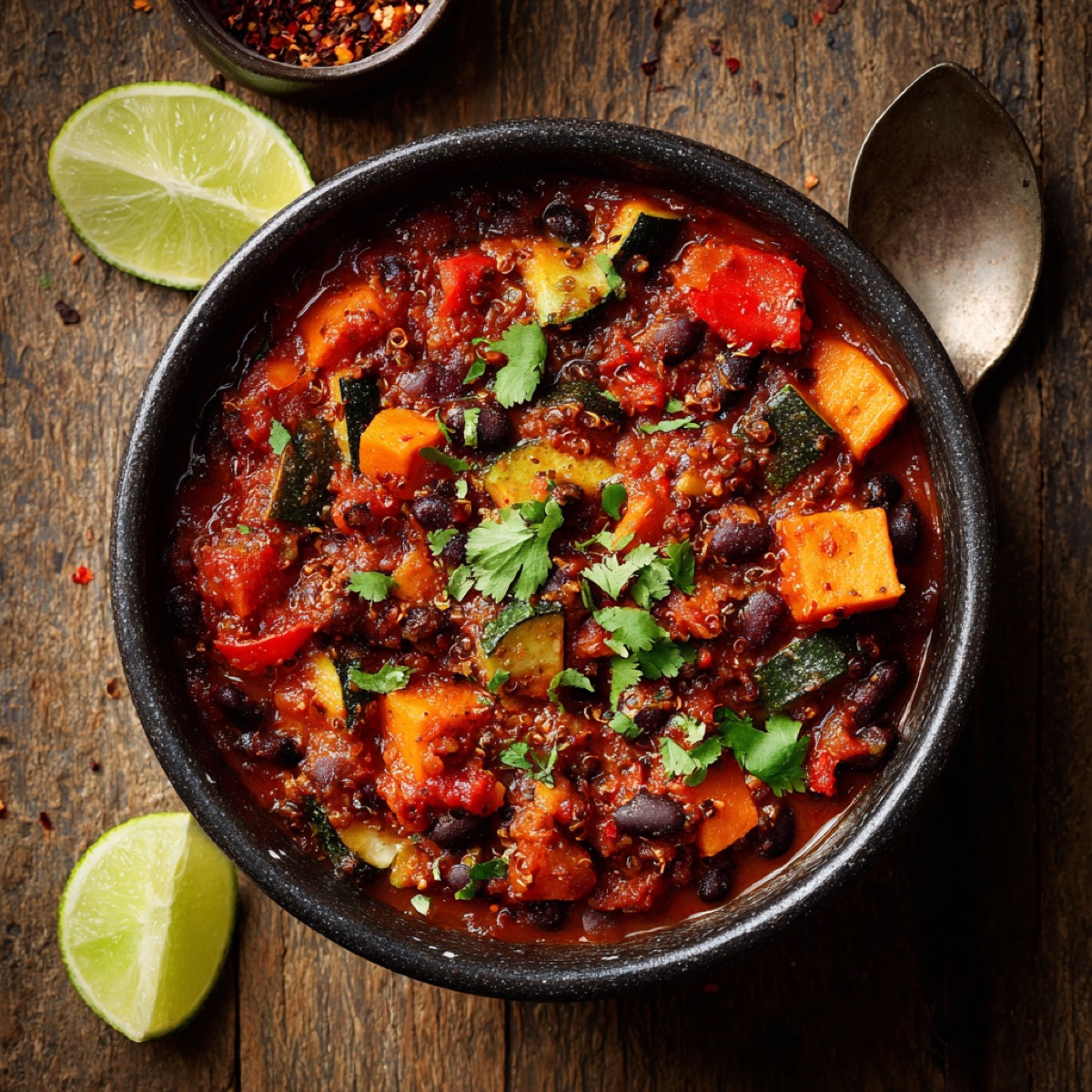
Black Bean & Sweet Potato Vegetable Chilli
A fibre-rich bean and vegetable chilli with warming spices and slow carbohydrates for steady energy and satiety.
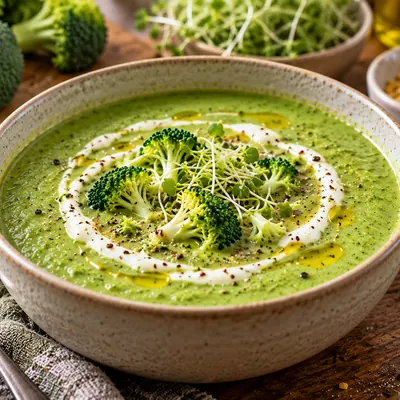
Broccoli, Potato and Onion Soup
A smooth broccoli, potato and onion soup for 4, with the broccoli blended and rested before a short simmer.
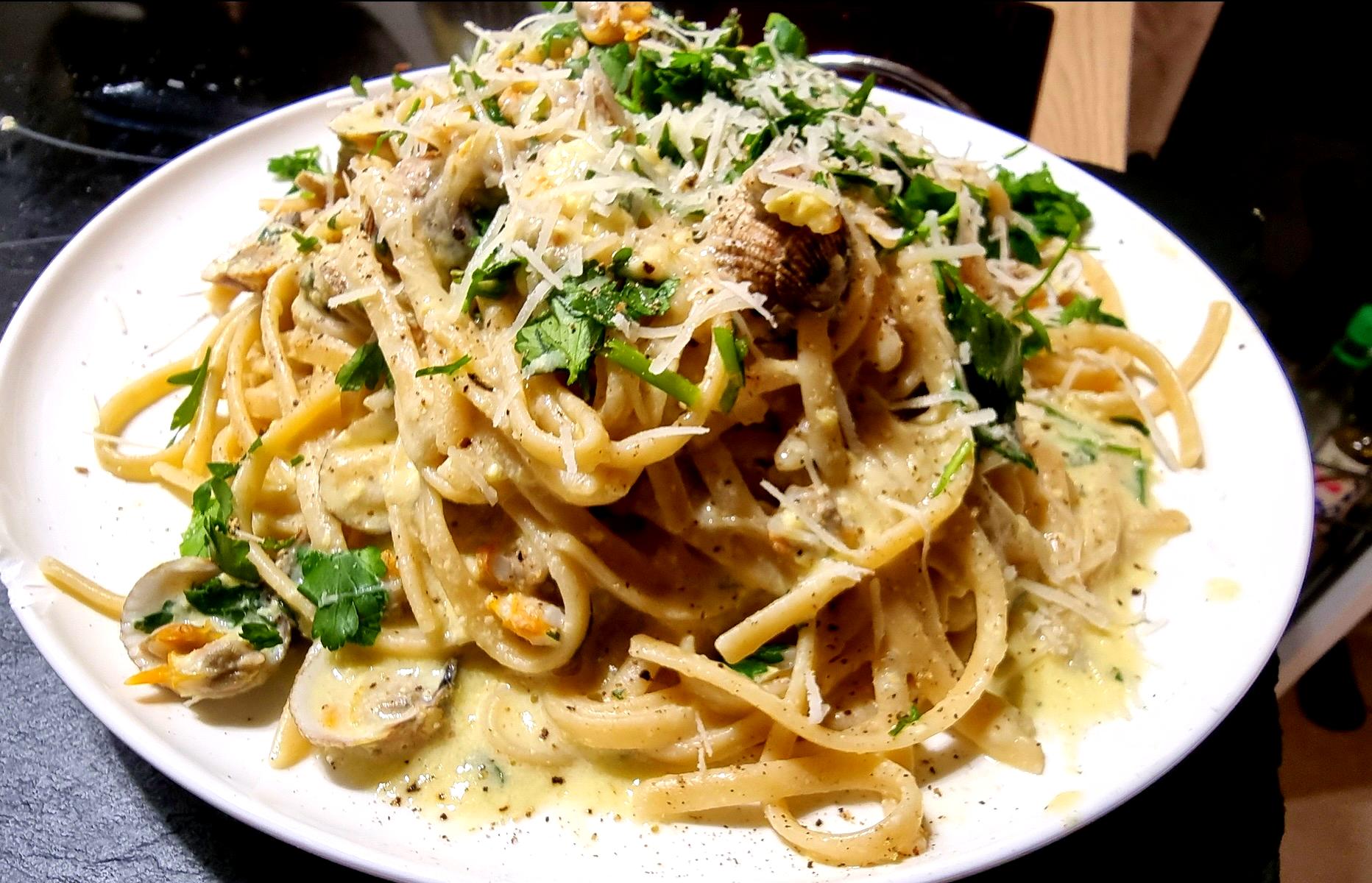
Linguine alle vongole mantecate (Linguine with cockles in a silky emulsified sauce)
Whole-wheat linguine with cockles in a silky emulsified sauce; Italian emulsification technique without cream, supporting taurine, B12, and choline intake.
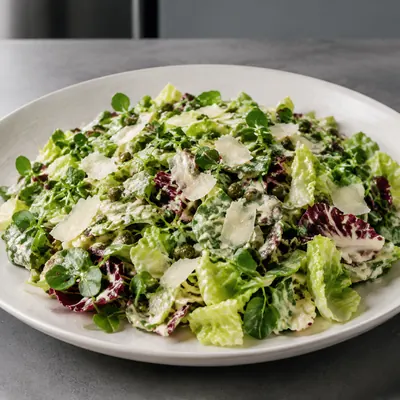
Mixed-Leaf Tahini Caesar Salad
A Caesar-style mixed-leaf salad with a tahini, anchovy, caper and Parmesan dressing, using extra virgin olive oil retained from oil-packed capers.
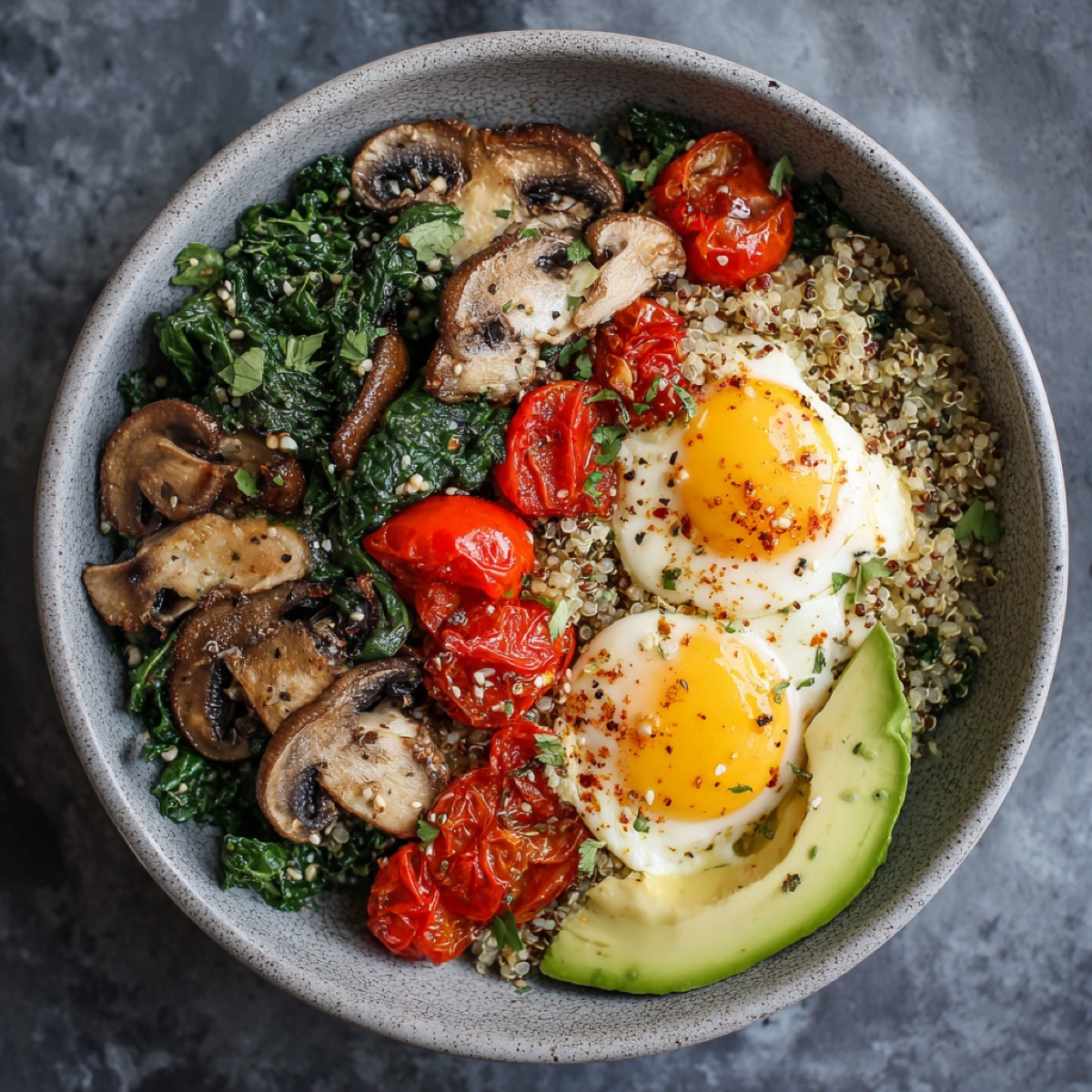
Savoury Greens & Egg Breakfast Skillet
A warm savoury breakfast skillet with eggs, greens, and slow carbohydrates for steady morning energy.
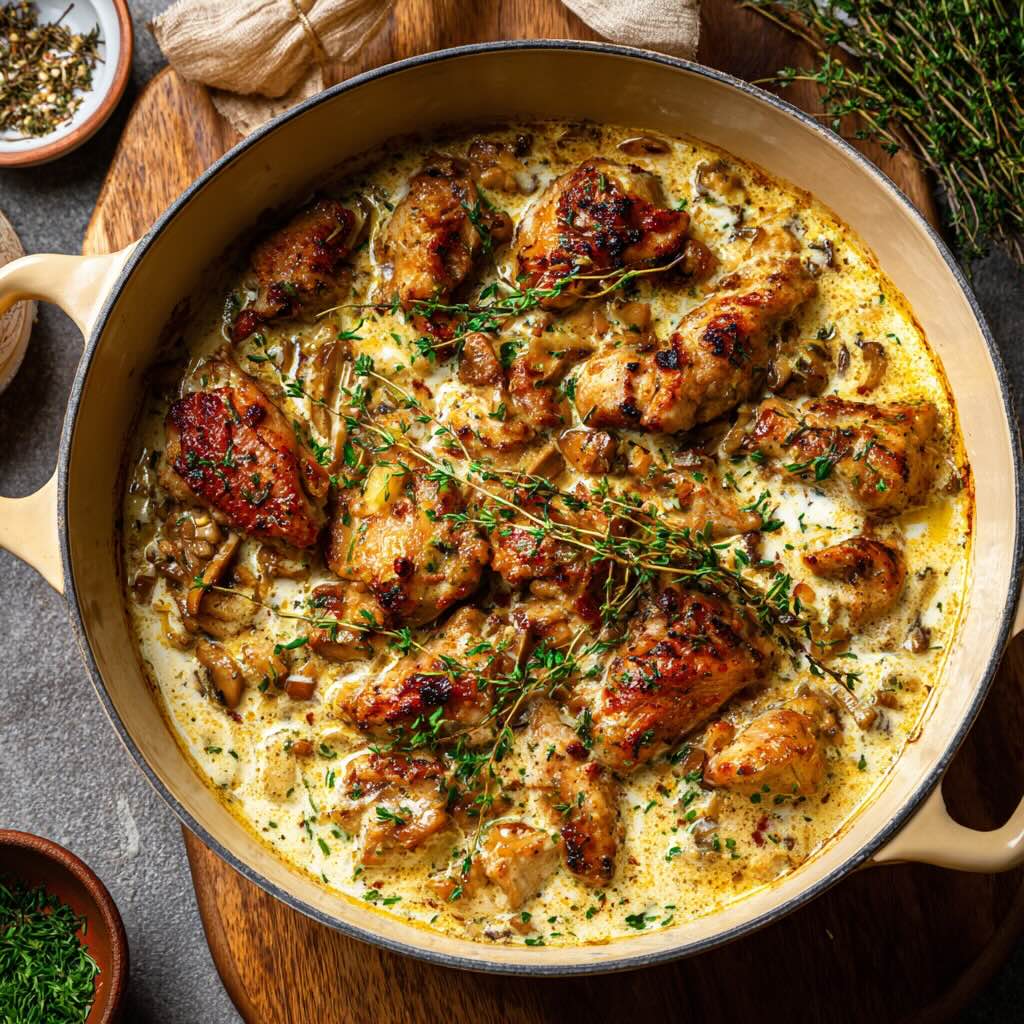
Turkey Wing Stew
A collagen-rich, glycine-heavy slow-cooked stew made from affordable turkey wings — rich in protein, tryptophan, and B vitamins.
Nutrient Tables (per 100 g)
Selected food and preparation: Garlic, raw. per 100 g edible portion.
Core nutrients
| Nutrient | Amount per 100 g | % reference intake per 100 g |
|---|---|---|
| Energy | 149 kcal | — |
| Protein | 6.4 g | — |
| Total fat | 0.5 g | — |
| Saturated fat | 0.1 g | — |
| Carbohydrates | 33.1 g | — |
| Sugars | 1 g | — |
| Fibre | 2.1 g | — |
Key vitamins and minerals
Vitamins and minerals supplying at least 10% of an adult reference intake per 100 g, derived from the composition panel.
| Nutrient | Amount per 100 g | % reference intake per 100 g |
|---|---|---|
| Zinc | 1.2 mg | 10.5% |
| Phosphorus | 153 mg | 21.9% |
| Manganese | 1.7 mg | 72.7% |
| Selenium | 14.2 µg | 25.8% |
| Calcium | 181 mg | 18.1% |
| Potassium | 401 mg | 11.8% |
| Copper | 0.3 mg | 33.2% |
| Vitamin B6 | 1.2 mg | 95% |
| Vitamin B1 | 0.2 mg | 16.7% |
| Vitamin B5 | 0.6 mg | 11.9% |
| Vitamin C | 31.2 mg | 34.7% |
Bioactive compounds
| Compound / class | Amount per 100 g | Notes |
|---|---|---|
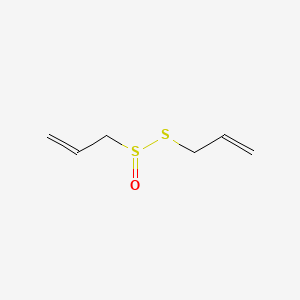
| Allicin | Present [3] | fresh garlic after crushing or chopping |
- Allicin: Allicin forms when raw garlic is crushed or chopped; heating changes its content. [3]
Technical provenance
Allicin: Functionality of garlic sulfur compounds (Review, 2025). Alliinase produces allicin from alliin when raw garlic tissue is disrupted; heating changes enzyme activity and products. [3]
Substances
References
[1] Entezari & Maracy 2016. Effect of garlic and lemon juice mixture on lipid profile and cardiovascular risk factors in moderate hyperlipidaemia. Randomized trial of a garlic-and-lemon juice mixture in moderate hyperlipidaemia; mixed-food intervention, not garlic alone.
[2] Borlinghaus et al. 2014. Allicin chemistry and biological properties review. Constituent-level review of allicin chemistry, not a garlic-food feeding trial.