White/Button Mushroom

Overview
White/button mushroom (Agaricus bisporus) is the BRAIN Diet’s canonical generic entry for this species. The same fungus is sold under several market names that reflect maturity and cap colour, not a different species:
White / Button Mushroom
        ↓
Cremini Mushroom
        ↓
Chestnut Mushroom (UK)
        ↓
Portobello Mushroom
Use this page when a recipe, shopping list, or matrix entry says “mushrooms” without a species qualifier and you mean the common cultivated table mushroom—not shiitake, oyster, maitake, or other species (each has its own food page).
Nutritionally, A. bisporus is a low-calorie food with useful niacin (vitamin B3) for NAD⁺ synthesis and mitochondrial support. UV-exposed white/button mushrooms can provide vitamin D₂ (ergocalciferol); ordinary supermarket specimens are often low in vitamin D unless labelled or treated for UV exposure Starck et al. 2024
Food Context
Market names and maturity
- White / button — youngest, closed cap; mildest flavour; typical for salads and quick sautéing.
- Cremini — immature brown-capped stage; firmer texture and deeper flavour than white buttons.
- Chestnut (UK) — regional name for the same brown-capped immature stage as cremini.
- Portobello — mature, fully opened cap; larger and meatier; often grilled or stuffed.
Macro- and micronutrient values shift slightly with maturity and water content, but for diet planning they are treated as one species with this page as the reference.
Synergies
- Include in diverse plant food rotation; dietary diversity (≥30 plant foods per week) supports microbial richness and resilience
- Pair with other mushroom species (shiitake, oyster, maitake, etc.) when the goal is breadth of fungal polysaccharides and culinary variety—not as substitutes for A. bisporus
Preparation
- Vitamin D: choose UV-exposed or UV-treated mushrooms when vitamin D intake from food is a priority; cooking and storage of UV-treated mushrooms retain much of the vitamin D₂ formed Starck et al. 2024
- Cooking can improve digestibility and palatability; avoid charring at very high heat
- Portobello caps are often used as a plant-forward swap for burger buns or meaty centre-of-plate portions
Recipes
1 recipe containing this food
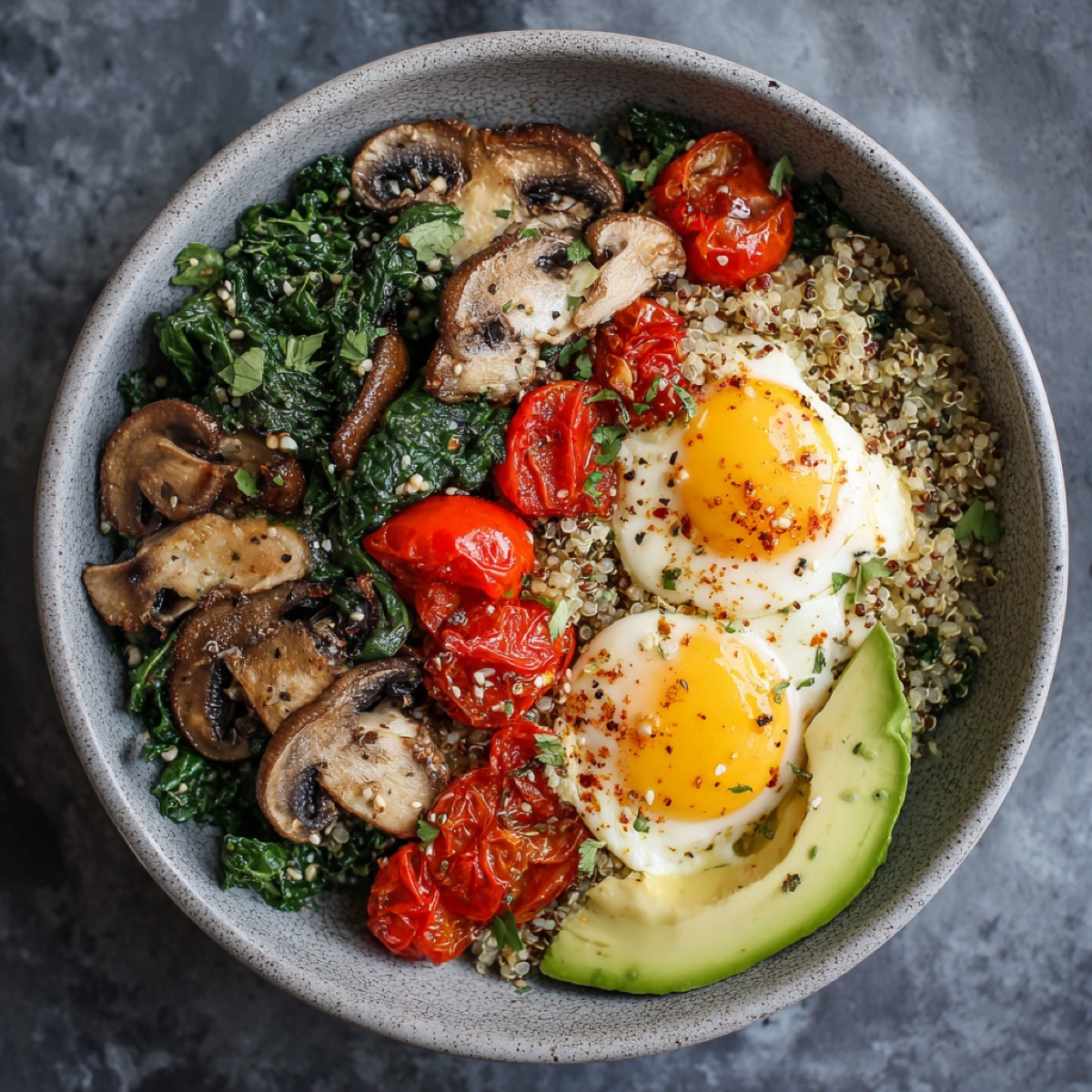
Savoury Greens & Egg Breakfast Skillet
A warm savoury breakfast skillet with eggs, greens, and slow carbohydrates for steady morning energy.
Nutrient Tables (per 100 g)
Selected food and preparation: Mushrooms, white, raw. per 100 g edible portion.
Core nutrients
| Nutrient | Amount per 100 g | % reference intake per 100 g |
|---|---|---|
| Energy | 22 kcal | — |
| Protein | 3.1 g | — |
| Total fat | 0.3 g | — |
| Saturated fat | 0.1 g | — |
| Carbohydrates | 3.3 g | — |
| Sugars | 2 g | — |
| Fibre | 1 g | — |
Key vitamins and minerals
Vitamins and minerals supplying at least 10% of an adult reference intake per 100 g, derived from the composition panel.
| Nutrient | Amount per 100 g | % reference intake per 100 g |
|---|---|---|
| Phosphorus | 86 mg | 12.3% |
| Selenium | 9.3 µg | 16.9% |
| Copper | 0.3 mg | 35.3% |
| Vitamin B2 | 0.4 mg | 30.9% |
| Vitamin B3 | 3.6 mg | 22.5% |
| Vitamin B5 | 1.5 mg | 29.9% |
Substances
3 substances in this food
Selenium
USDA FoodData Central reports selenium in Mushrooms, white, raw.
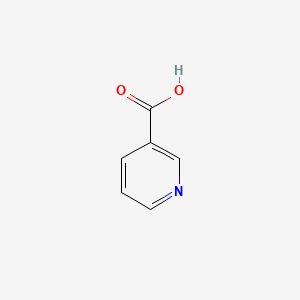
Vitamin B3 (Niacin)
USDA FoodData Central reports vitamin B3 in Mushrooms, white, raw.
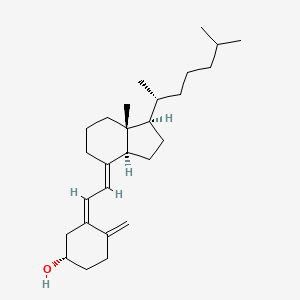
Vitamin D
USDA FoodData Central reports vitamin D in Mushrooms, white, raw.
References
[1] UV-exposed mushrooms as a source of vitamin D. Starck & Cassettari 2024. Mushrooms: a food-based solution to vitamin D deficiency to include in dietary guidelines