Broccoli
Overview
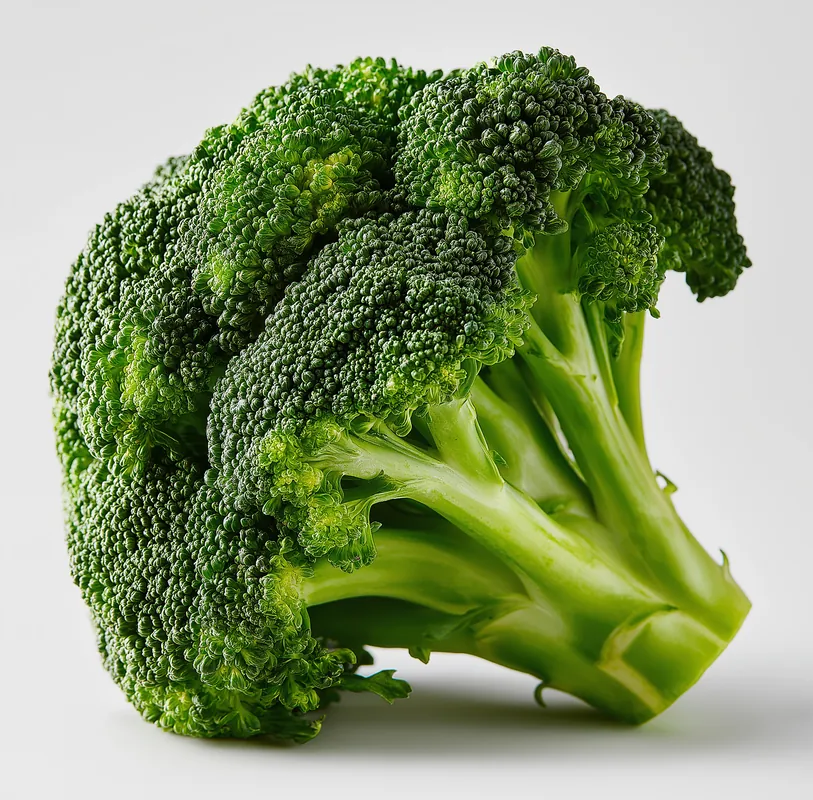
Broccoli is a cruciferous vegetable providing glucoraphanin, the precursor of sulforaphane, together with folate and vitamin C at low energy density. Sulforaphane forms when myrosinase meets that precursor. Heating can stop the enzyme while glucoraphanin remains [1,4].
The nutrient table does not give a sulforaphane amount per 100 g. In one UK lot, sous-vide cooking at 100 °C for 20 minutes left 1.06 µmol sulforaphane per g dry weight. The same cooked broccoli plus 1 g brown mustard powder formed 8.58 µmol/g dry weight. Twelve adults who ate 200 g excreted 9.8 µmol of the urinary metabolite per g creatinine in 24 hours, and 44.7 µmol/g creatinine when the mustard was added [4].
Food Context
Synergies
- Include broccoli with a varied meal rather than treating it as a sulforaphane dose.
Preparation
- Chopping or chewing lets broccoli myrosinase meet glucoraphanin and form sulforaphane [1].
- In the Okunade sous-vide series at 100 °C, myrosinase activity fell by 40% after 2 minutes and by 90% after 6 minutes. None was measurable after 8 minutes. The feeding meal was cooked for 20 minutes [4].
- After that long cook, urinary sulforaphane-NAC was still detected. The authors read that remainder as conversion by gut microbes, and it varied between the 12 adults [4].
- Adding 1 g brown mustard powder after cooking supplied active myrosinase. In the florets, 8.58 / 1.06 = 8.1, reported as an 8-fold rise. In urine, 44.7 / 9.8 = 4.6 from the published means. The average of each person's increase was 4.7-fold, from 1.7-fold to 10-fold [4].
Recipes
2 recipes containing this food
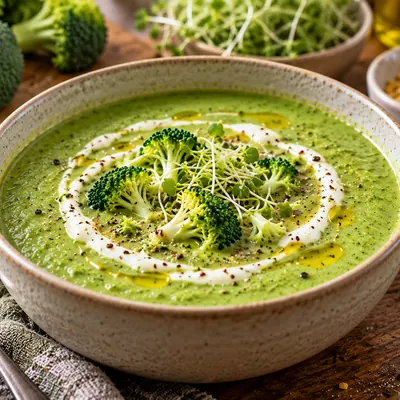
Broccoli, Potato and Onion Soup
A smooth broccoli, potato and onion soup for 4, with the broccoli blended and rested before a short simmer.
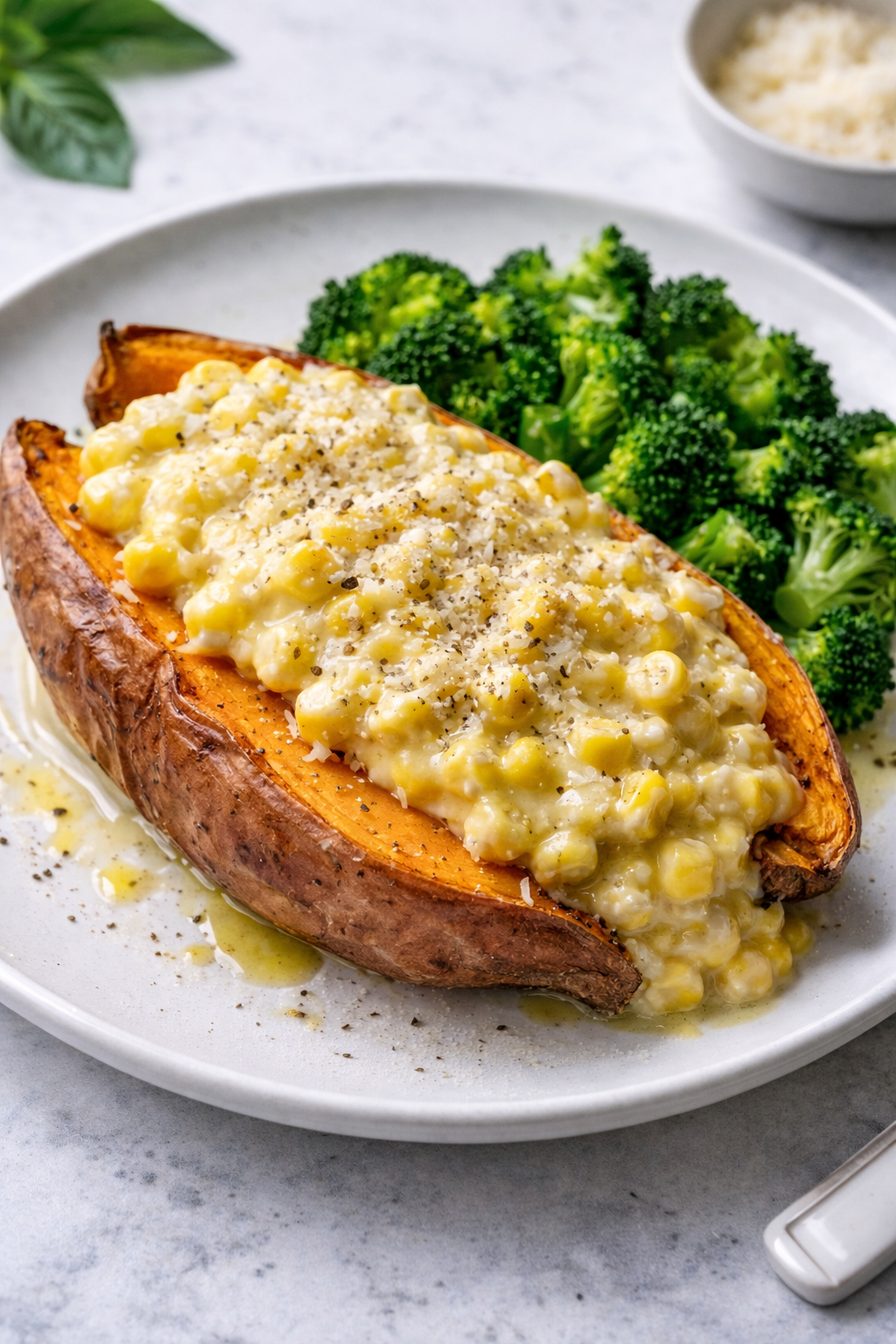
Creamed Corn on Roasted Sweet Potato
Roasted sweet potato with creamed corn and a mixed lipid phase to enhance carotenoid absorption; served with broccoli for fibre and glucosinolates.
Nutrient Tables (per 100 g)
Selected food and preparation: Broccoli, raw. per 100 g edible portion.
Core nutrients
| Nutrient | Amount per 100 g | % reference intake per 100 g |
|---|---|---|
| Energy | 34 kcal | — |
| Protein | 2.8 g | — |
| Total fat | 0.4 g | — |
| Saturated fat | 0.1 g | — |
| Carbohydrates | 6.6 g | — |
| Sugars | 1.7 g | — |
| Fibre | 2.6 g | — |
Key vitamins and minerals
Vitamins and minerals supplying at least 10% of an adult reference intake per 100 g, derived from the composition panel.
| Nutrient | Amount per 100 g | % reference intake per 100 g |
|---|---|---|
| Folate | 63 µg | 15.8% |
| Vitamin B6 | 0.2 mg | 13.5% |
| Vitamin B5 | 0.6 mg | 11.5% |
| Vitamin C | 89.2 mg | 99.1% |
| Vitamin K | 101.6 µg | 84.7% |
Bioactive compounds
| Compound / class | Amount per 100 g | Notes |
|---|---|---|
| 5-Methyltetrahydrofolate | 101 µg | — |
| Sulforaphane | Preparation-dependent [4] | UK mature broccoli after sous-vide cooking, with and without mustard myrosinase |
| Kaempferol | Present — quantity not established | — |
- 5-Methyltetrahydrofolate: Supporting evidence and original measurement details are available in technical provenance below. [Reference]
- Sulforaphane: One UK broccoli lot, cooked sous vide at 100 °C for 20 minutes, formed 1.06 µmol sulforaphane per g dry weight. Adding 1 g brown mustard powder raised that to 8.58 µmol/g dry weight. Twelve adults who ate 200 g excreted 9.8 µmol sulforaphane-NAC per g creatinine in 24 hours, and 44.7 µmol/g creatinine with the mustard. These figures are not a sulforaphane amount for every 100 g of broccoli. [4]
- Kaempferol: Dabeek and Marra 2019 supports this qualitative constituent record. See technical provenance for food form and measurement details.
Technical provenance
5-Methyltetrahydrofolate: Calculated from the reported Table 5 molar sum, not directly reported mass concentration. Includes polyglutamate species as monoglutamate equivalents, not their intact molecular masses. Glu8 response was estimated by calibration extrapolation; this sample includes that estimated component. Analytical steaming was extraction treatment, not a cooked-food state. One study sample does not establish universal food composition; do not add this vitamer value to total folate as an independent nutrient supply. [Reference]
Sulforaphane: Okunade et al. (2018), Molecular Nutrition & Food Research 62:1700980, Table 1 and the 24-hour urine result. Table 1, µmol sulforaphane per g dry weight: raw 2.05 ± 0.25; sous vide 100 °C for 20 minutes 1.06 ± 0.18; the same cooked broccoli plus 1 g brown mustard powder 8.58 ± 0.33. 8.58 / 1.06 = 8.1, which the paper reports as an 8-fold increase. One results sentence prints the mustard result as 8.58 ± 0.13; the table figure is used here. Urine, 12 adults, 200 g of that cooked broccoli: 9.8 ± 5.1 µmol sulforaphane-NAC per g creatinine in 24 hours without mustard, and 44.7 ± 33.9 with 1 g mustard. 44.7 / 9.8 = 4.6 from the published means. The paper's average of each person's increase is 4.7-fold, with individual increases from 1.7-fold to 10-fold. Sous-vide myrosinase loss in the same paper: 40% after 2 minutes, 90% after 6 minutes, and no measurable activity after 8 minutes. The study did not report a glucoraphanin concentration, and the dry-weight results are not converted to a fresh 100 g amount. Fahey et al. (1997) identifies sulforaphane as the myrosinase product of glucoraphanin; it is not the source of these figures. [4]
Kaempferol: Dabeek and Marra 2019 compile Phenol-Explorer and USDA flavonoid values showing kaempferol in Broccoli; a single defensible per-100 g value is not taken from the abbreviated USDA nutrient panel.
Substances
17 substances in this food
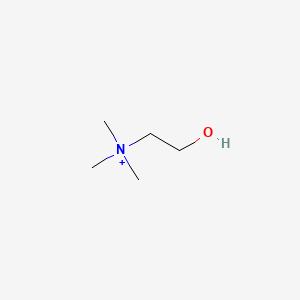
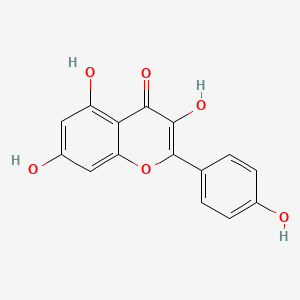
Kaempferol
Dietary flavonol in leafy greens, herbs, tea and some fruits; studied as a food constituent and as an isolated hormetic/senolytic agent.

Sulforaphane
Sulforaphane forms from glucoraphanin when myrosinase is active. In one cooked-broccoli study the amount depended on preparation, and it is not entered as a per-100 g nutrient.
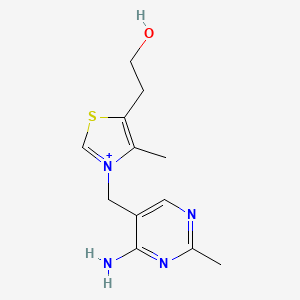
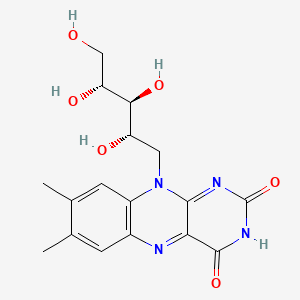
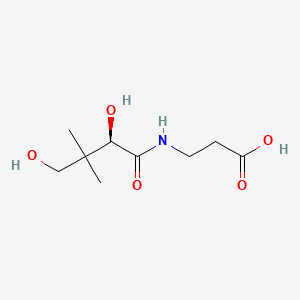
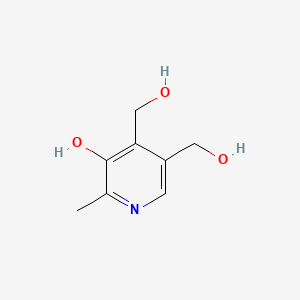
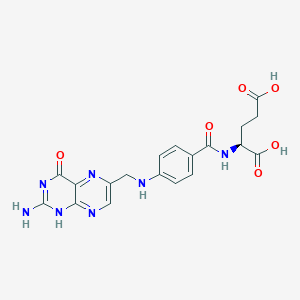
Vitamin B9 (Folate)
USDA FoodData Central reports folate in Broccoli, raw. The recorded analyte is folate.
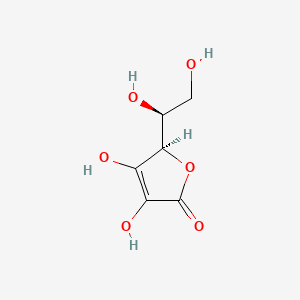
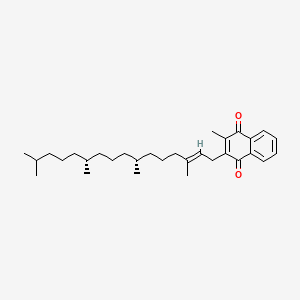
Vitamin K (Phylloquinone)
USDA FoodData Central reports vitamin K in Broccoli, raw. This vitamin K record is not a vitamin K2 measurement.
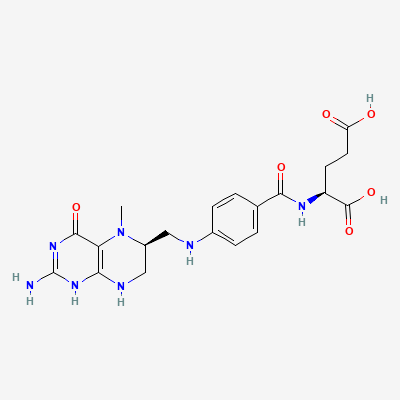
5-Methyltetrahydrofolate
A reduced form of vitamin B9 in foods, and the methyl donor for homocysteine remethylation.
References
[1] Houghton et al. (2016). Sulforaphane and Other Nutrigenomic Nrf2 Activators: Can the Clinician’s Expectation Be Matched by the Reality?. Constituent-level review of broccoli-derived sulforaphane and glucoraphanin–myrosinase conversion; not a broccoli feeding trial.
[2] Broccoli sprouts: An exceptionally rich source of inducers (1997)
[4] Okunade et al. (2018). Supplementation of the diet by exogenous myrosinase via mustard seeds to increase the bioavailability of sulforaphane in healthy human subjects after the consumption of cooked broccoli. Twelve adults ate 200 g sous-vide broccoli, with and without 1 g brown mustard powder. Sulforaphane in the florets is reported per g dry weight, and the urinary metabolite per g creatinine. Neither figure is a sulforaphane amount for every 100 g of broccoli.