Lamb

Overview
Lamb is a nutrient-dense red meat providing highly bioavailable heme iron, zinc, creatine, and B vitamins. Heme iron from animal foods is absorbed more efficiently than non-heme iron from plant foods, helping support iron status where requirements are higher or intake is marginal [1]. Creatine contributes to ATP buffering and rapid energy availability in excitable tissues, with organ meats and red meats among the richer dietary sources [2].
Within the BRAIN Diet framework, lamb is used strategically for its iron and zinc density rather than as an everyday centrepiece. It fits best when paired with vegetables, legumes, and whole grains to keep the overall pattern plant-forward, while choosing minimally processed cuts and gentler cooking methods to avoid excessive charring and heat-derived compounds [1,3].
Key Nutritional Highlights
- Provides a complete, highly digestible protein source.
- Rich in bioavailable heme iron, zinc, and vitamin B12 compared with many plant foods.
- Contributes creatine and related muscle-derived compounds relevant to cellular energy metabolism.
- Contains no dietary fibre, so meals are usually more balanced with vegetables, legumes, or whole grains.
- Processed versions (e.g. cured, smoked, deli-style) are associated with less favorable health outcomes.
Food Context
Synergies
- Pair lamb with allium vegetables such as onions, garlic, or leeks in stews and roasts to add sulfur-containing compounds and polyphenols that complement its mineral-rich profile [4,5].
- Use herbs rich in polyphenols (rosemary, thyme, oregano) in rubs and marinades; these traditional seasonings can help limit lipid oxidation during cooking while adding antioxidant compounds to the meal [6].
- Combine lamb with legumes (lentils, chickpeas) in Mediterranean-style dishes so lamb supplies highly bioavailable iron, zinc, and B12 while legumes contribute fibre and plant polyphenols for cardiometabolic balance [7].
- Include acidic ingredients such as tomatoes, lemon, or yogurt-based marinades to support tenderisation, improve palatability, and shift overall meal composition toward a more plant-forward pattern [8].
Sourcing
- Choose grass-fed when possible for better fatty acid profile
Preparation
- Gentle cooking preserves nutrients and prevents formation of advanced glycation end products (AGEs)
- Important for creatine and heme iron intake
- Supports neurotransmitter synthesis through tryptophan and tyrosine content
Essential Amino Acid Profile
This food provides a complete essential amino acid profile typical of animal proteins.
Recipes
Nutrient Tables (per 100 g)
Selected food and preparation: Lamb, ground, raw. per 100 g edible portion.
Core nutrients
| Nutrient | Amount per 100 g | % reference intake per 100 g |
|---|---|---|
| Energy | 282 kcal | — |
| Protein | 16.6 g | — |
| Total fat | 23.4 g | — |
| Saturated fat | 10.2 g | — |
Key vitamins and minerals
Vitamins and minerals supplying at least 10% of an adult reference intake per 100 g, derived from the composition panel.
| Nutrient | Amount per 100 g | % reference intake per 100 g |
|---|---|---|
| Zinc | 3.4 mg | 31% |
| Phosphorus | 157 mg | 22.4% |
| Selenium | 18.8 µg | 34.2% |
| Copper | 0.1 mg | 11.2% |
| Choline | 69.3 mg | 12.6% |
| Vitamin B12 | 2.3 µg | 96.3% |
| Vitamin B6 | 0.1 mg | 10% |
| Vitamin B2 | 0.2 mg | 16.2% |
| Vitamin B3 | 6 mg | 37.3% |
| Vitamin B5 | 0.7 mg | 13% |
Bioactive compounds
| Compound / class | Amount per 100 g | Notes |
|---|---|---|
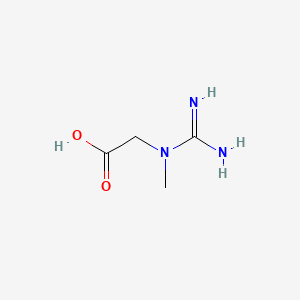
| Creatine | Present [7] | the named meat or fish tissue |
- Creatine: Contains creatine; amounts vary with the cut and cooking. [7]
Technical provenance
Creatine: Kulczynski et al. (2019), Characteristics of Selected Antioxidative and Bioactive Compounds in Meat and Animal Origin Products. Table 7 separately lists positive creatine for beef muscle, lamb, pork ham, beef liver and tuna. No range assigned across different foods or cuts. [7]
Substances
References
[1] Beard et al. (2003). Iron deficiency and neural functioning. Heme iron from animal foods is absorbed more efficiently than non-heme iron from plant foods, helping support iron status where requirements are higher or intake is marginal.
[2] Avgerinos et al. (2018). Creatine supplementation and cognitive performance. Creatine contributes to ATP buffering and rapid energy availability in excitable tissues, with organ meats and red meats among the richer dietary sources.
[3] FAO (2013). Dietary protein quality evaluation in human nutrition (DIAAS report)
[4] Ahn et al. (2007). Effects of plant extracts on lipid oxidation and colour of cooked ground beef. Use herbs rich in polyphenols (rosemary, thyme, oregano) in rubs and marinades; these traditional seasonings can help limit lipid oxidation during cooking while adding antioxidant compounds to the meal.
[5] Gibson et al. (2006). Improving the bioavailability of nutrients in plant foods at the household level. Combine lamb with legumes (lentils, chickpeas) in Mediterranean-style dishes so lamb supplies highly bioavailable iron, zinc, and B12 while legumes contribute fibre and plant polyphenols for cardiometabolic balance.
[6] Toldrá et al. (2010). Handbook of Meat Processing. Include acidic ingredients such as tomatoes, lemon, or yogurt-based marinades to support tenderisation, improve palatability, and shift overall meal composition toward a more plant-forward pattern.