Chicken
Overview
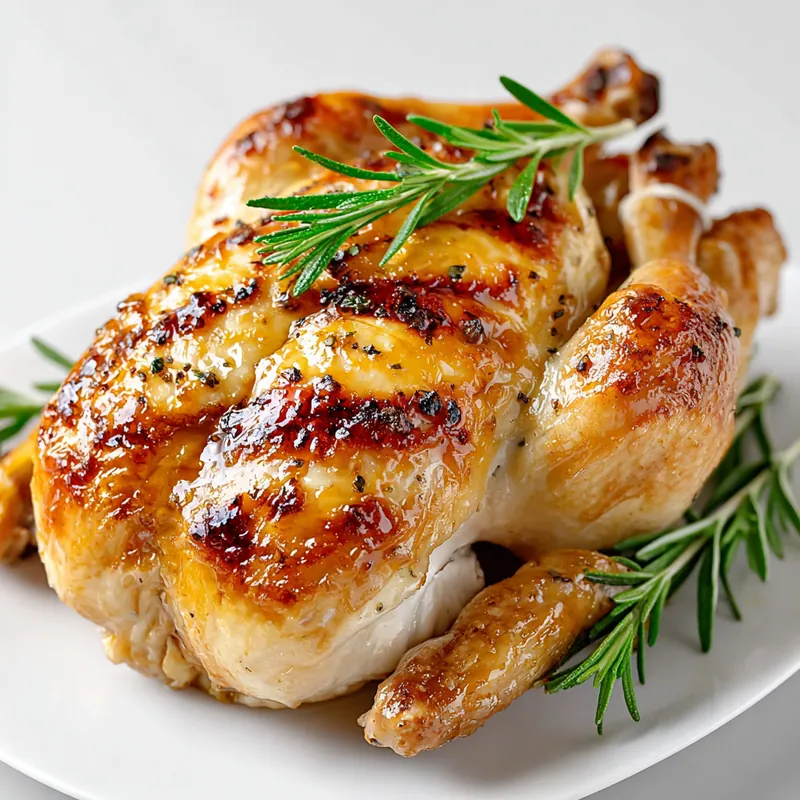
Chicken provides niacin (vitamin B3) for NAD⁺ synthesis, zinc, and amino acids including tryptophan, supporting neurotransmitter synthesis and mitochondrial function. Niacin feeds NAD⁺ salvage pathways relevant to ATP production and cognitive energy metabolism.
Within the BRAIN Diet framework, chicken is a flexible protein base. Large-neutral-amino-acid balance in mixed meals affects tryptophan brain uptake; this is meal-pattern evidence, not a chicken feeding trial [1]. Pair with fibre- and polyphenol-rich plants; gentler cooking helps preserve B vitamins.
Key Nutritional Highlights
- Complete, highly digestible animal protein with niacin and zinc.
- Tryptophan source; LNAA competition in mixed meals affects serotonin-pathway routing (meal-pattern evidence) [1].
- Lower heme-iron density than red meat; lower saturated fat when skin limited.
- Processing level matters: minimally processed cuts differ from cured/deli products.
Advanced Nutrition
Amino acids
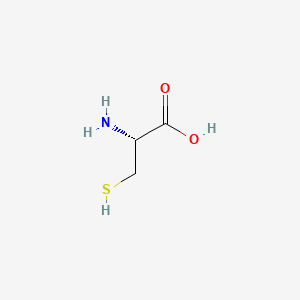
Chicken supplies cystine, which contributes to cysteine availability. This raw meat and skin contains 249 mg per 100 g, about 281 mg in 113 g (4 oz). On that raw weight it is a relatively rich cystine source.
Food-composition values are representative, not fixed. Variety, preparation and source can change the amount.
Food Context
Synergies
- Part of diverse protein strategy
- Protein-rich breakfasts support dopamine synthesis; pair with anti-inflammatory nutrients to protect DMN switching
Preparation
- Best prepared with gentle cooking to preserve nutrients and prevent formation of advanced glycation end products (AGEs)
- Dark meat provides more taurine, which regulates calcium signaling, antioxidant defense, and neurotransmission
- Supports NAD+ and neurotransmitter synthesis
Essential Amino Acid Profile
This food provides a complete essential amino acid profile typical of animal proteins.
Recipes
Nutrient Tables (per 100 g)
Selected food and preparation: Chicken, broilers or fryers, meat and skin, raw. per 100 g edible portion.
Core nutrients
| Nutrient | Amount per 100 g | % reference intake per 100 g |
|---|---|---|
| Energy | 215 kcal | — |
| Protein | 18.6 g | — |
| Total fat | 15.1 g | — |
| Saturated fat | 4.3 g | — |
Key vitamins and minerals
Vitamins and minerals supplying at least 10% of an adult reference intake per 100 g, derived from the composition panel.
| Nutrient | Amount per 100 g | % reference intake per 100 g |
|---|---|---|
| Zinc | 1.3 mg | 11.9% |
| Phosphorus | 147 mg | 21% |
| Selenium | 14.4 µg | 26.2% |
| Choline | 59.7 mg | 10.9% |
| Vitamin B12 | 0.3 µg | 12.9% |
| Vitamin B6 | 0.4 mg | 26.9% |
| Vitamin B3 | 6.8 mg | 42.5% |
| Vitamin B5 | 0.9 mg | 18.2% |
Substances
9 substances in this food
Cysteine
Cystine 249 mg per 100 g of Chicken, broilers or fryers, meat and skin, raw (FDC 171447). A 113 g (4 oz) portion is about 281 mg. Composition only; not a glutathione-synthesis result.
Iron
USDA FoodData Central reports iron in Chicken, broilers or fryers, meat and skin, raw.
Methionine
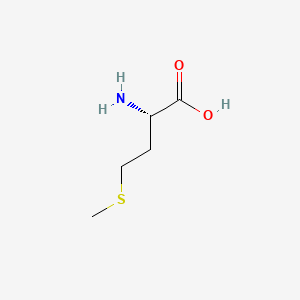
USDA FoodData Central reports methionine 0.493 g per 100 g in Chicken, broilers or fryers, meat and skin, raw (FDC 171447). Composition only; this does not establish a PM-specific dietary efficacy claim.
Phosphorus (Phosphate)
USDA FoodData Central reports phosphorus in Chicken, broilers or fryers, meat and skin, raw.
Selenium
USDA FoodData Central reports selenium in Chicken, broilers or fryers, meat and skin, raw.
Vitamin B12 (Cobalamin)
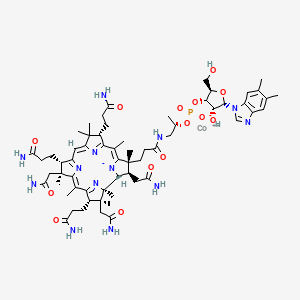
USDA FoodData Central reports vitamin B12 in Chicken, broilers or fryers, meat and skin, raw.
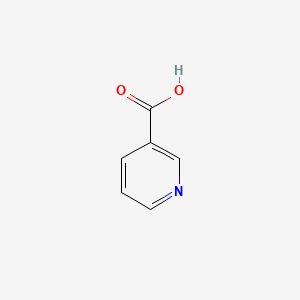
Vitamin B3 (Niacin)
USDA FoodData Central reports vitamin B3 in Chicken, broilers or fryers, meat and skin, raw.
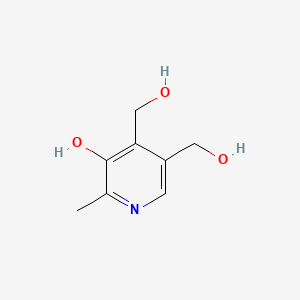
Vitamin B6 (Pyridoxine → PLP)
USDA FoodData Central reports vitamin B6 in Chicken, broilers or fryers, meat and skin, raw.
Zinc
USDA FoodData Central reports zinc in Chicken, broilers or fryers, meat and skin, raw.
References
[1] Fernstrom et al. (2013). Large neutral amino acids: dietary effects on brain neurochemistry and function. Meal-pattern evidence: large-neutral-amino-acid balance affects tryptophan uptake into the brain; not a chicken feeding trial.