Quinoa

Overview
Quinoa is a nutrient-dense pseudograin that provides complex carbohydrates, fibre, and a substantial plant-protein contribution, alongside magnesium, iron, zinc, folate, and choline [2]. It is naturally gluten-free and can be a useful grain alternative for people who avoid wheat-based staples.
Quinoa seeds naturally contain bitter saponins in the outer coating, so rinsing before cooking improves taste and palatability; many modern commercial products are pre-washed, but a brief rinse is still practical in home cooking [3]. Within the BRAIN Diet framework, quinoa works well as a rotating whole-grain/pseudograin option that supports mineral intake, fibre intake, and overall diet diversity
Key Nutritional Highlights
- Highest folate among BRAIN Diet grain and pseudograin pages (per 100 g).
- Provides complex carbohydrates for meal energy and dietary pattern flexibility.
- Typically contributes more fibre and micronutrients than refined grain products.
- Plant-protein quality is useful but context-dependent; amino-acid complementarity can improve coverage.
- Naturally low in saturated fat.
- Processing and preparation methods (refining, fermentation, soaking/rinsing, cooking) influence tolerance and nutrient availability.
Food Context
Synergies
- Pair quinoa with legumes (e.g. lentils, chickpeas, beans) to improve overall essential amino-acid balance at meal/day level [1,2].
Preparation
- Rinse before cooking to reduce residual saponin bitterness (even when labeled pre-washed).
- Use gentle boiling/steaming and avoid overcooking to preserve texture and improve practical meal adherence.
Essential Amino Acid Profile
Quinoa provides a strong plant-protein profile and is often described as relatively balanced for a pseudograin, but amino-acid complementarity with legumes still improves practical coverage [1,2].
Notable amino acids:
- Lysine
Protein pairing strategy:
Combine quinoa with legumes (e.g. lentils, chickpeas, beans) to support a more robust essential amino-acid pattern across meals [1,2].
Recipes
4 recipes containing this food
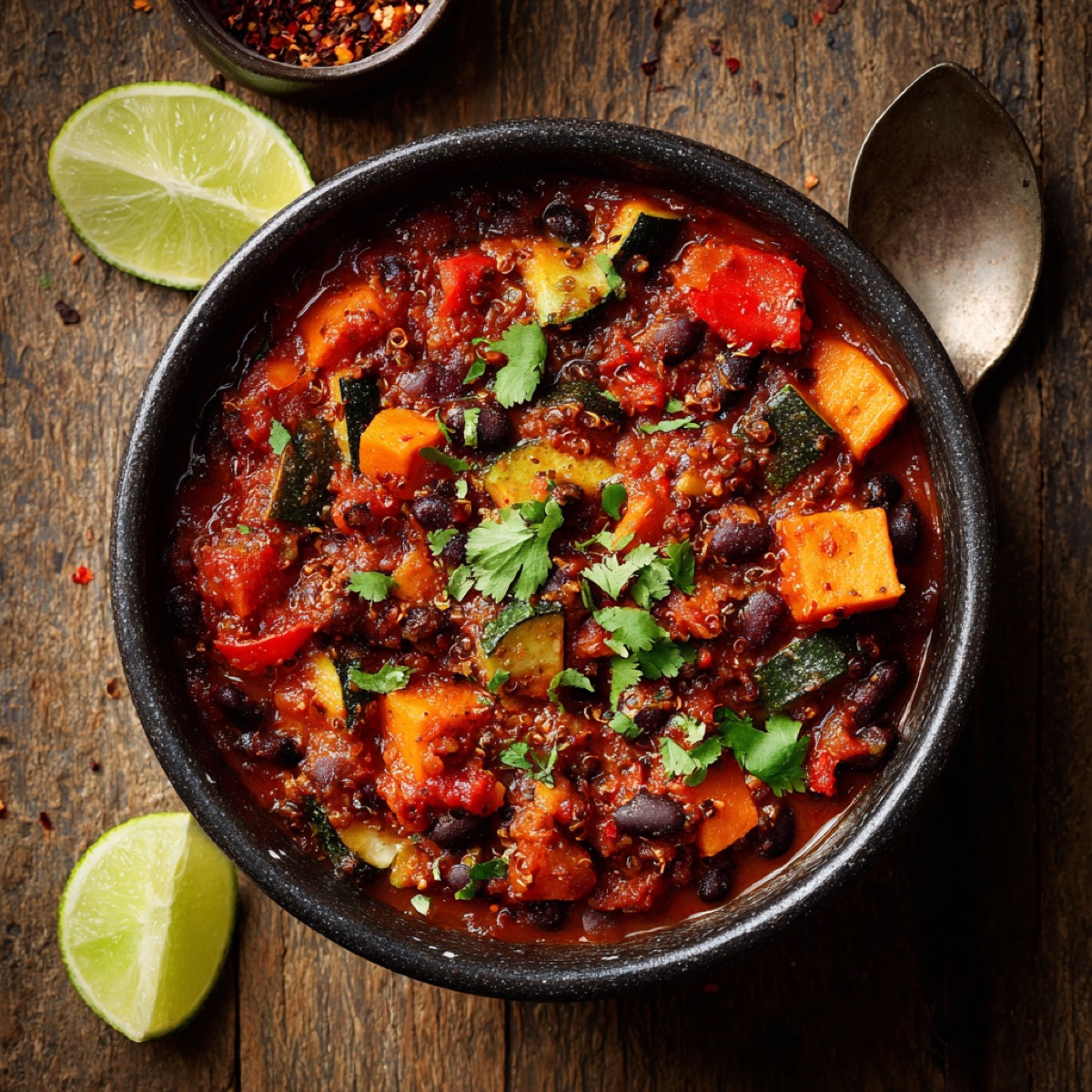
Black Bean & Sweet Potato Vegetable Chilli
A fibre-rich bean and vegetable chilli with warming spices and slow carbohydrates for steady energy and satiety.
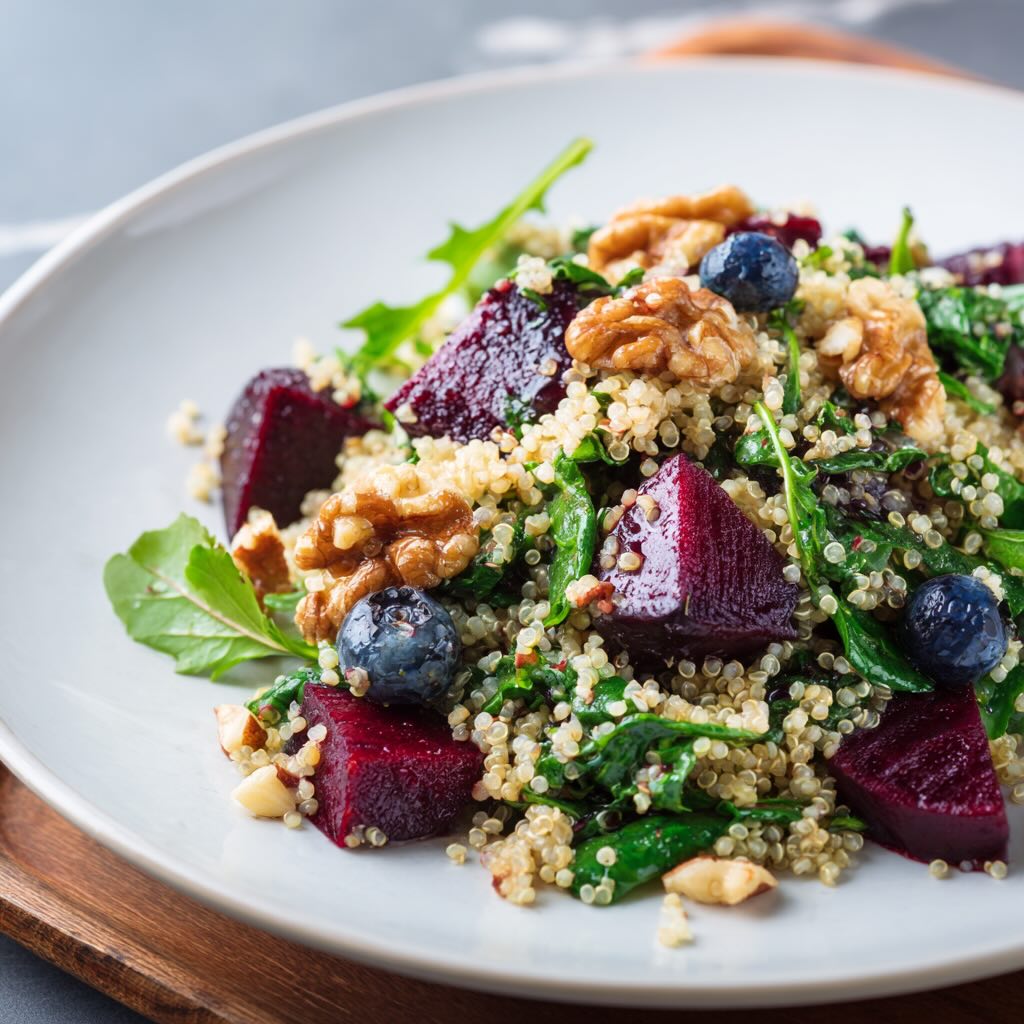
Mitochondrial Power Bowl
A nitrate-rich, polyphenol-dense bowl combining leafy greens, beets, berries, nuts, and early harvest olive oil
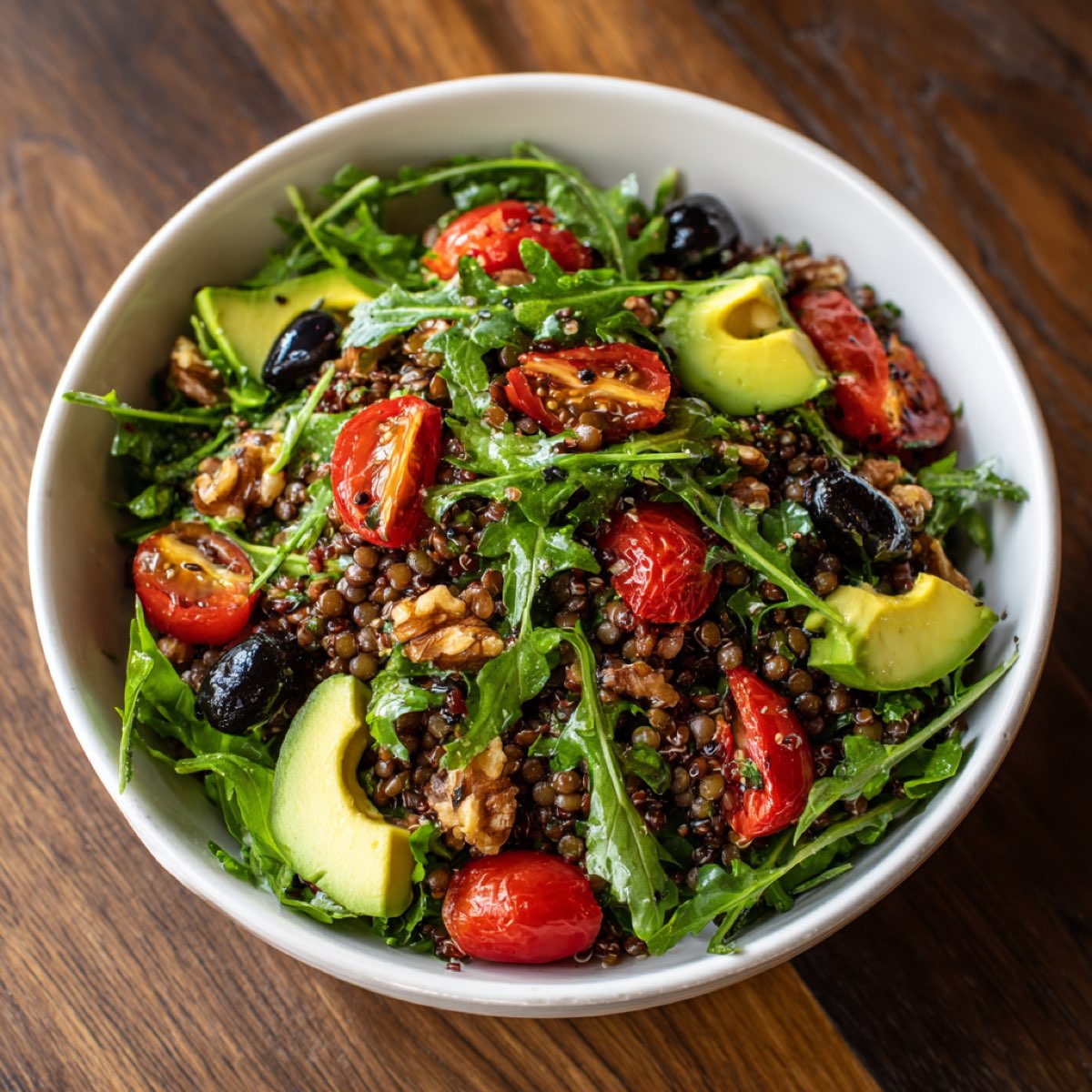
Rocket Lentil Avocado Midday Salad (Gut-Supporting)
Polyphenol-rich midday salad with quinoa or lentils, vegetables, avocado, and early harvest olive oil
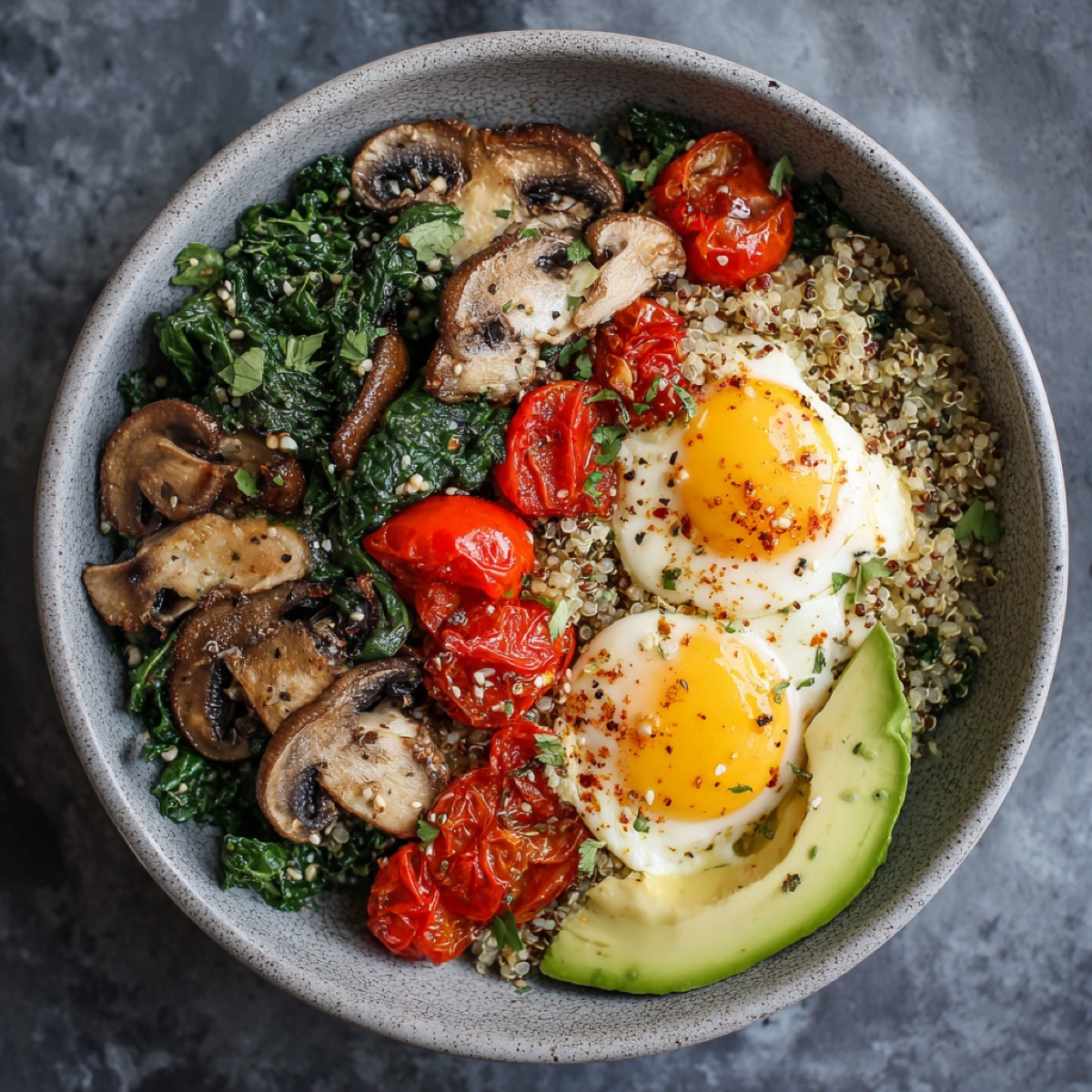
Savoury Greens & Egg Breakfast Skillet
A warm savoury breakfast skillet with eggs, greens, and slow carbohydrates for steady morning energy.
Nutrient Tables (per 100 g)
Selected food and preparation: Quinoa, uncooked. per 100 g edible portion.
Core nutrients
| Nutrient | Amount per 100 g | % reference intake per 100 g |
|---|---|---|
| Energy | 368 kcal | — |
| Protein | 14.1 g | — |
| Total fat | 6.1 g | — |
| Saturated fat | 0.7 g | — |
| Carbohydrates | 64.2 g | — |
| Fibre | 7 g | — |
Key vitamins and minerals
Vitamins and minerals supplying at least 10% of an adult reference intake per 100 g, derived from the composition panel.
| Nutrient | Amount per 100 g | % reference intake per 100 g |
|---|---|---|
| Iron | 4.6 mg | 25.4% |
| Zinc | 3.1 mg | 28.2% |
| Magnesium | 197 mg | 46.9% |
| Phosphorus | 457 mg | 65.3% |
| Manganese | 2 mg | 88.4% |
| Selenium | 8.5 µg | 15.5% |
| Potassium | 563 mg | 16.6% |
| Copper | 0.6 mg | 65.6% |
| Choline | 70.2 mg | 12.8% |
| Folate | 184 µg | 46% |
| Vitamin B6 | 0.5 mg | 37.5% |
| Vitamin B2 | 0.3 mg | 24.5% |
| Vitamin B1 | 0.4 mg | 30% |
| Vitamin B5 | 0.8 mg | 15.4% |
| Vitamin E | 2.4 mg | 16.3% |
Bioactive compounds
| Compound / class | Amount per 100 g | Notes |
|---|---|---|
| Betaine | 630 mg/100 g | — |
- Betaine: Patterson et al. (2008) supports this source-specific measurement. See technical provenance for food form and measurement details.
Technical provenance
Betaine: Patterson et al. (2008), USDA Database for the Choline Content of Common Foods, Release 2: quinoa (NDB 20035), 630 mg betaine per 100 g, one sample. This is not the FDC 168874 panel used for the other nutrients on this page.
Substances
11 substances in this food
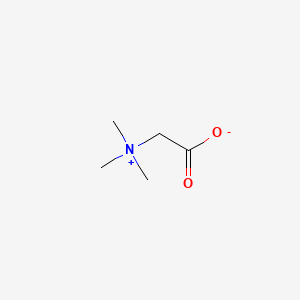
Betaine
Occurs directly in quinoa; 630 mg per 100 g in one corrected USDA sample.
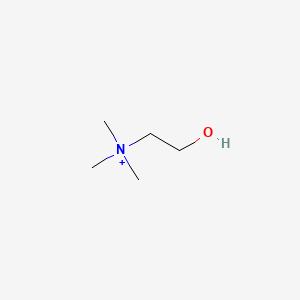
Choline
USDA FoodData Central reports choline in Quinoa, uncooked.
Iron
USDA FoodData Central reports iron in Quinoa, uncooked.
Magnesium
USDA FoodData Central reports magnesium in Quinoa, uncooked.
Manganese
USDA FoodData Central reports manganese in Quinoa, uncooked.
Phosphorus (Phosphate)
USDA FoodData Central reports phosphorus in Quinoa, uncooked.
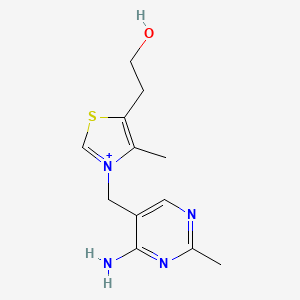
Vitamin B1 (Thiamine)
USDA FoodData Central reports vitamin B1 in Quinoa, uncooked.
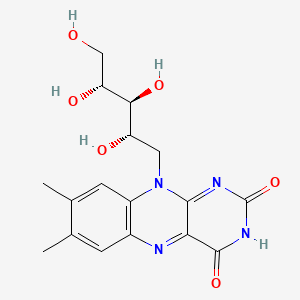
Vitamin B2 (Riboflavin)
USDA FoodData Central reports vitamin B2 in Quinoa, uncooked.
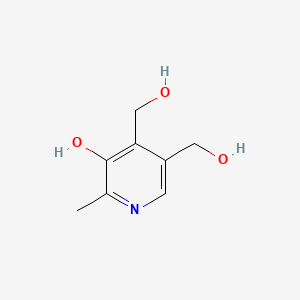
Vitamin B6 (Pyridoxine → PLP)
USDA FoodData Central reports vitamin B6 in Quinoa, uncooked.
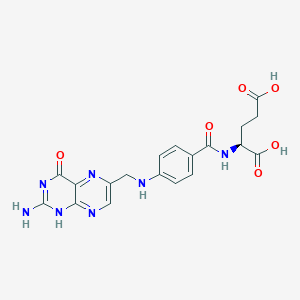
Vitamin B9 (Folate)
USDA FoodData Central reports folate in Quinoa, uncooked. The recorded analyte is folate.
Zinc
USDA FoodData Central reports zinc in Quinoa, uncooked.
References
[1] FAO (2013). Protein quality evaluation framework (DIAAS)
[2] Mariotti & Gardner (2019). Plant-protein adequacy, limiting amino acids, and practical complementarity. Within the BRAIN Diet framework, quinoa works well as a rotating whole-grain/pseudograin option that supports mineral intake, fibre intake, and overall diet diversity.