Sesame Seeds

Overview
Sesame seeds are the whole seed of Sesamum indicum. Whole, unhulled seed is energy-dense, with predominantly unsaturated fat — chiefly linoleic acid and oleic acid — plus plant protein, fibre, and the characteristic lignans sesamin and sesamolin. Measured calcium is much higher in whole seed than in hulled kernels because a large share of the mineral load sits in the hull [1,2].
Within a BRAIN-aligned pattern, sesame is one plant source whether eaten as seeds or as tahini. Practical portions are small (about 15–30 g). Human feeding of 25 g sesame daily raised lignan exposure without improving blood lipids, blood pressure or inflammatory markers [3]. The protein is relatively lysine-limited, so legumes are the useful complement [4]. Sesame is a major food allergen [5].
Other Nutritional Highlights
- The calcium value in the table is for whole, dried, unhulled seed. It should not be assumed for hulled sesame or ordinary hulled tahini [1].
- Table minerals are amounts present, not amounts absorbed. Phytate in the seed matrix reduces mineral bioavailability [6].
Food Context
Sourcing
- Whole or unhulled seed retains the hull and therefore more measured calcium than decorticated kernels [1].
- Raw and toasted forms differ in flavour and in lignan profile. High-heat roasting can convert sesamolin toward sesamol; that is a processing change, not evidence that roasting is universally superior [2].
- Hulled sesame is milder and lighter in colour. Do not treat it as compositionally interchangeable with whole seed.
Synergies
- Pair with legumes to improve lysine coverage. Grains are typically lysine-limited as well and are not a lysine rescue for sesame [4].
- A vitamin-C-rich food in the same meal can support non-haem iron absorption; that is mixed-meal iron evidence, not a sesame trial [6].
- Dietary fat in the seed can help absorb carotenoids from vegetables eaten with it; the clinical demonstration used salad dressings, not sesame specifically [7].
- Sesame counts once toward weekly plant diversity whether the form is seeds or tahini. “Thirty plants per week” is a practical target from observational microbiome work, not a proven biological threshold or an RCT-derived prescription [8].
Preparation
- Use whole, toasted or ground seed according to the dish. Grinding improves physical accessibility of nutrients but does not remove phytate or other antinutritional factors [1,6].
- Toast for flavour if wanted; avoid treating darker roast as a health upgrade [2].
Essential Amino Acid Profile
Sesame seeds provide plant protein but are not a complete protein; lysine is typically limiting for nuts and seeds [4].
Protein pairing strategy:
Pair with legumes to improve lysine coverage. Grains are typically lysine-limited as well and should not be treated as the lysine complement to sesame.
Safety
Sesame is a major regulated food allergen. Reactions can be severe, and cross-contamination of processed foods matters. People with a known sesame allergy should avoid seeds, tahini and sesame oil unless their clinician advises otherwise [5].
Recipes
Nutrient Tables (per 100 g)
Selected food and preparation: Seeds, sesame seeds, whole, dried. per 100 g edible portion.
Core nutrients
| Nutrient | Amount per 100 g | % reference intake per 100 g |
|---|---|---|
| Energy | 573 kcal | — |
| Protein | 17.7 g | — |
| Total fat | 49.7 g | — |
| Saturated fat | 7 g | — |
| Carbohydrates | 23.5 g | — |
| Sugars | 0.3 g | — |
| Fibre | 11.8 g | — |
Key vitamins and minerals
Vitamins and minerals supplying at least 10% of an adult reference intake per 100 g, derived from the composition panel.
| Nutrient | Amount per 100 g | % reference intake per 100 g |
|---|---|---|
| Iron | 14.6 mg | 80.8% |
| Zinc | 7.8 mg | 70.5% |
| Magnesium | 351 mg | 83.6% |
| Phosphorus | 629 mg | 89.9% |
| Manganese | 2.5 mg | 107% |
| Selenium | 34.4 µg | 62.5% |
| Calcium | 975 mg | 97.5% |
| Potassium | 468 mg | 13.8% |
| Copper | 4.1 mg | 453.6% |
| Folate | 97 µg | 24.3% |
| Vitamin B6 | 0.8 mg | 60.8% |
| Vitamin B2 | 0.2 mg | 19% |
| Vitamin B1 | 0.8 mg | 65.9% |
| Vitamin B3 | 4.5 mg | 28.2% |
Bioactive compounds
Content applies to the food and preparation identified in the source notes.
| Compound / class | Amount per 100 g | Notes |
|---|---|---|
| Oleic Acid | 18.5 g | — |
| Linoleic Acid | 21.4 g | — |
| Spermidine | Present — quantity not established [11] | Measured food occurrence; content varies by sample and preparation. |
- Spermidine: Esparza et al. (2021) supports this qualitative constituent record. See technical provenance for food form and measurement details. [11]
Technical provenance
Spermidine: Muñoz-Esparza et al. (2021), §3.1 and Figures 3–5: Sesame Seeds is identified as a spermidine-containing food. The selected USDA panel does not quantify this analyte. A comparable product-specific per-100 g value is not established here. https://doi.org/10.3390/foods10081752 [11]
Substances
9 substances in this food
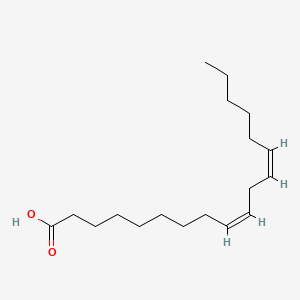
Linoleic Acid (LA, n-6)
USDA FoodData Central reports linoleic acid in Seeds, sesame seeds, whole, dried.

Oleic Acid (OA, n-9)
USDA FoodData Central reports oleic acid in Seeds, sesame seeds, whole, dried.

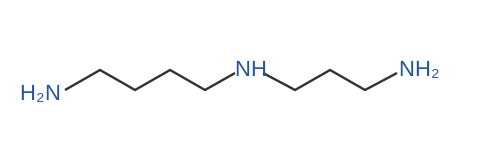
Spermidine
Occurs directly in this food; a product-specific amount is not established.
References
[1] Elleuch et al. (2007). Quality characteristics of sesame seeds and by-products. Whole seed, coat and dehulled fractions: a large share of the mineral load, including calcium, is located in the hull, so dehulling lowers measured calcium relative to whole seed.
[2] Andargie et al. (2021). Lignans of Sesame (Sesamum indicum L.): A Comprehensive Review. Sesamin and sesamolin are the major native lignans; content varies by cultivar, seed fraction and processing. Sesamol is a roasting and oil-processing product present only in traces in unroasted seed.
[3] Wu et al. (2009). Sesame supplementation does not improve cardiovascular disease risk markers in overweight men and women. Randomised crossover (n = 33): 25 g/day sesame for five weeks (~50 mg/day sesame lignans) increased urinary enterolignans about eight-fold but did not change lipids, ambulatory blood pressure, CRP, IL-6, TNF-α or F2-isoprostanes.
[4] Mariotti and Gardner (2019). Dietary Protein and Amino Acids in Vegetarian Diets—A Review. Nut and seed proteins are typically lysine-limited, as are cereal proteins; legumes are the lysine-rich plant complement.
[5] Adatia et al. (2017). Sesame allergy: current perspectives. Clinical review: sesame is a priority food allergen with mandatory labelling in the EU, Canada and Australia, and a recognised cross-contamination risk.
[6] Hallberg et al. (1989). Iron absorption in man: ascorbic acid and dose-dependent inhibition by phytate. Human iron-absorption series: phytate inhibits non-haem iron absorption in a dose-dependent way; ascorbic acid can counteract that inhibition. Mixed-meal evidence, not a sesame trial.
[7] Brown et al. (2004). Carotenoid bioavailability is higher from salads ingested with full-fat than with fat-reduced salad dressings. Human salad study of co-ingested dietary fat and carotenoid absorption. General lipid-phase mechanism; not a sesame-seed trial.
[8] McDonald et al. (2018). American Gut: an Open Platform for Citizen Science Microbiome Research. Observational citizen-science cohort: self-reported intake of more than 30 plant types per week, versus 10 or fewer, associated with greater representation of putative fermenters. Not a randomised trial and not a proven threshold.
[9] Muñoz-Esparza et al. (2021). Occurrence of Polyamines in Foods and the Influence of Cooking Processes. Analytical evidence for spermidine occurrence; food type and preparation affect composition.
[10] Sesame: A Comprehensive Review of Nutritional Value and Phytochemical Composition (2022)