Chlorella
Overview
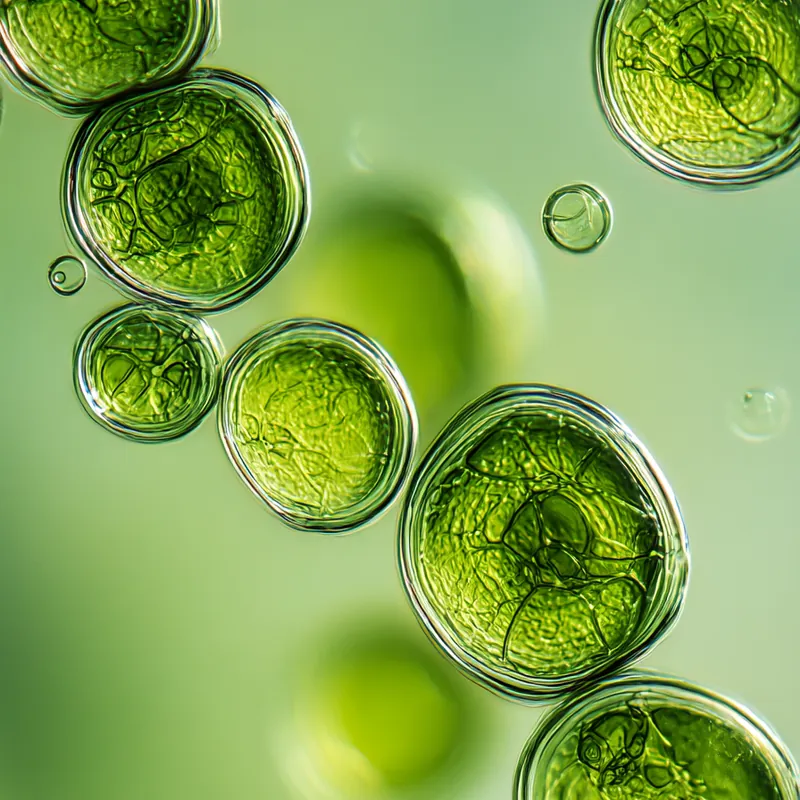
Chlorella is a microalgae providing protein, chlorophyll, and bioavailable vitamin B12 (true cobalamin forms in validated preparations) unlike many spirulina products [1]. It is used in supplement-scale portions for micronutrient and protein density.
Within the BRAIN Diet framework, chlorella can help close B12 gaps in plant-forward patterns when a validated algae source is used
Key Nutritional Highlights
- Microalgae protein with validated true B12 in some preparations [1].
- Very high table protein per 100 g; typical use is supplement grams/day.
- Source quality matters for B12 form (cobalamin vs analogues).
- Introduce gradually; GI tolerance varies.
Food Context
Synergies
- Part of functional food strategy
Sourcing
- Choose quality sources with confirmed B12 content
Preparation
- Available as powder, tablets, or capsules
- Important for vegan B12 intake
Essential Amino Acid Profile
Chlorella contribute plant protein. Pair with complementary protein sources (e.g. grains and legumes) for a balanced essential amino acid profile.
Recipes
Nutrient Tables (per 100 g)
Selected food and preparation: CHLORELLA POWDER. per 100 g edible portion.
Core nutrients
| Nutrient | Amount per 100 g | % reference intake per 100 g |
|---|---|---|
| Energy | 300 kcal | — |
| Protein | 60 g | — |
| Total fat | 0 g | — |
| Saturated fat | 0 g | — |
| Carbohydrates | 40 g | — |
| Fibre | 0 g | — |
Key vitamins and minerals
Vitamins and minerals supplying at least 10% of an adult reference intake per 100 g, derived from the composition panel.
| Nutrient | Amount per 100 g | % reference intake per 100 g |
|---|---|---|
| Iron | 240 mg | 1333.3% |
| Calcium | 333 mg | 33.3% |
| Vitamin B12 | 300 µg | 12500% |
Substances
2 substances in this food
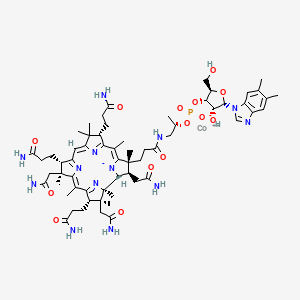
Vitamin B12 (Cobalamin)
Some Chlorella products contain active vitamin B12; content depends on cultivation and product.
References
[1] Microalgae protein with validated true B12 in some preparations. Watanabe & Takenaka 2002. Characterization and Bioavailability of Vitamin B12-Compounds from Edible Algae.
[2] Potential of Chlorella as a Dietary Supplement to Promote Human Health (2020)