Salmon

Overview
Salmon is an oily fish providing long-chain omega-3 fatty acids EPA and DHA, vitamin B12, selenium, the carotenoid astaxanthin, and high-quality protein. These intrinsic compounds support membrane phospholipid structure, mitochondrial function, and antioxidant capacity in neural and vascular tissues [1,2]. Regular inclusion of salmon and other oily fish helps reach evidence-based omega-3 intakes that are associated with cardiometabolic and cognitive benefits in many populations
Key Nutritional Highlights
- Provides complete, highly digestible protein.
- Commonly contributes selenium, iodine, and vitamin B12, though levels vary by species.
- EPA/DHA content is highly species-dependent; oily fish are usually higher than lean fish or shellfish.
- Often lower in saturated fat than many fatty red-meat patterns when minimally processed.
- Nutritional profile and risk context depend on processing method (fresh vs salted/smoked/cured).
Food Context
Sourcing
Both wild-caught and responsibly farm-raised salmon can be good options. Where possible, choose salmon that is sustainably sourced and labelled as free from routine antibiotics and unnecessary additives, whether wild or farmed.
Please be sure to research your supermarket and their suppliers — many are moving towards more sustainable, ethical sourcing (e.g. M&S Aquaculture and Fisheries). For a balanced overview of wild versus farmed salmon, see resources such as the summary from North Coast Seafoods.
The U.S. Food and Drug Administration (FDA) and Environmental Protection Agency (EPA) jointly publish guidance on fish mercury levels. They categorize fish into "Best Choices", "Good Choices", and "Choices to Avoid" based on average mercury concentrations and safe weekly intake levels. Salmon is repeatedly in the "Best Choices" category because it consistently has low mercury relative to the reference dose used to set safety advice (≤0.15 µg/g).
Preparation
- Best prepared with gentle cooking to preserve omega-3s and prevent oxidation
- Avoid high-heat cooking that creates advanced glycation end products (AGEs)
Essential Amino Acid Profile
This food provides a complete essential amino acid profile typical of animal proteins.
Recipes
2 recipes containing this food
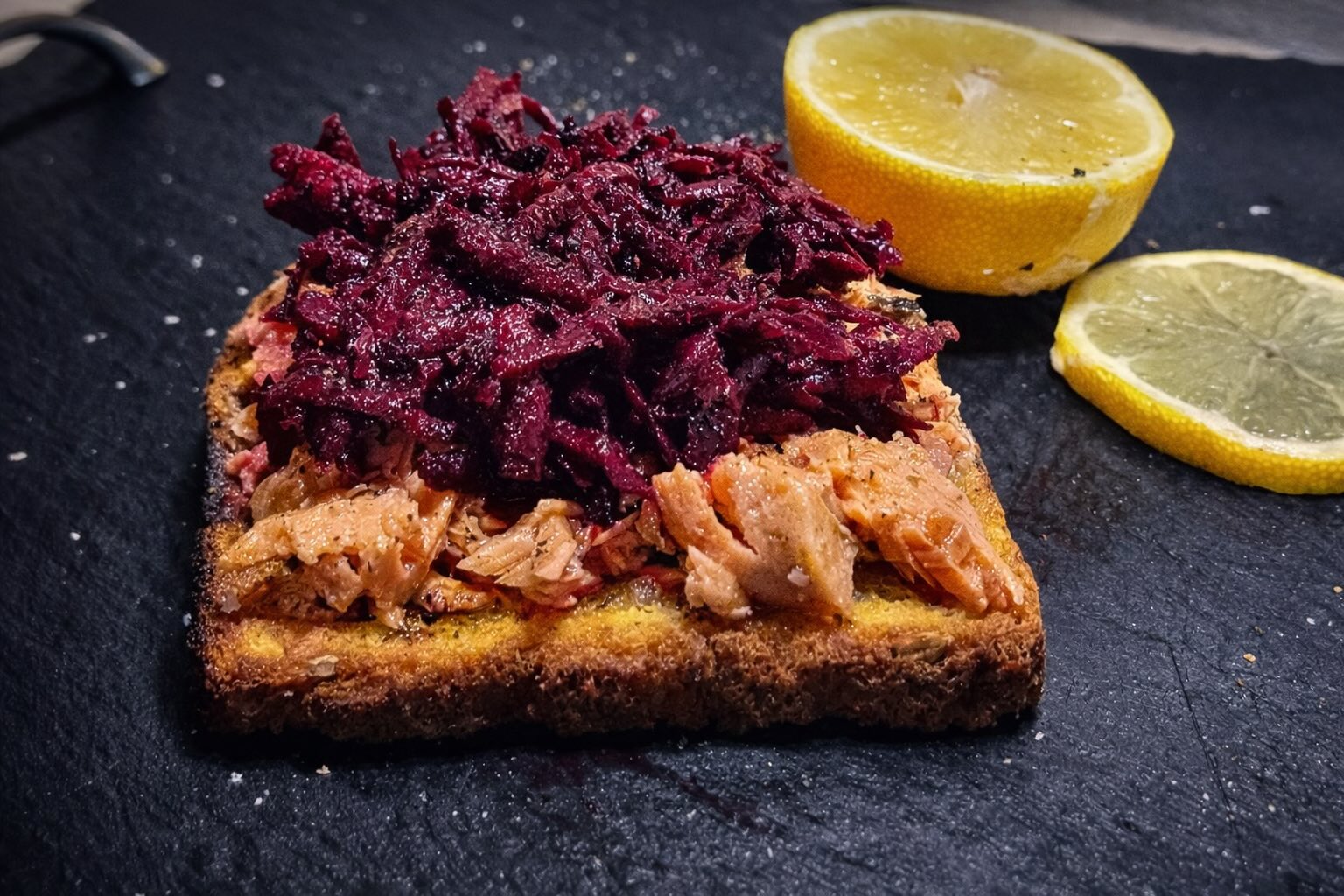
Salmon & Grated Beetroot Toast (with Lemon)
A fast, brain-forward open sandwich combining omega-3 rich salmon, nitrate/polyphenol beetroot, and lemon acidity for a sharp, savoury bite.
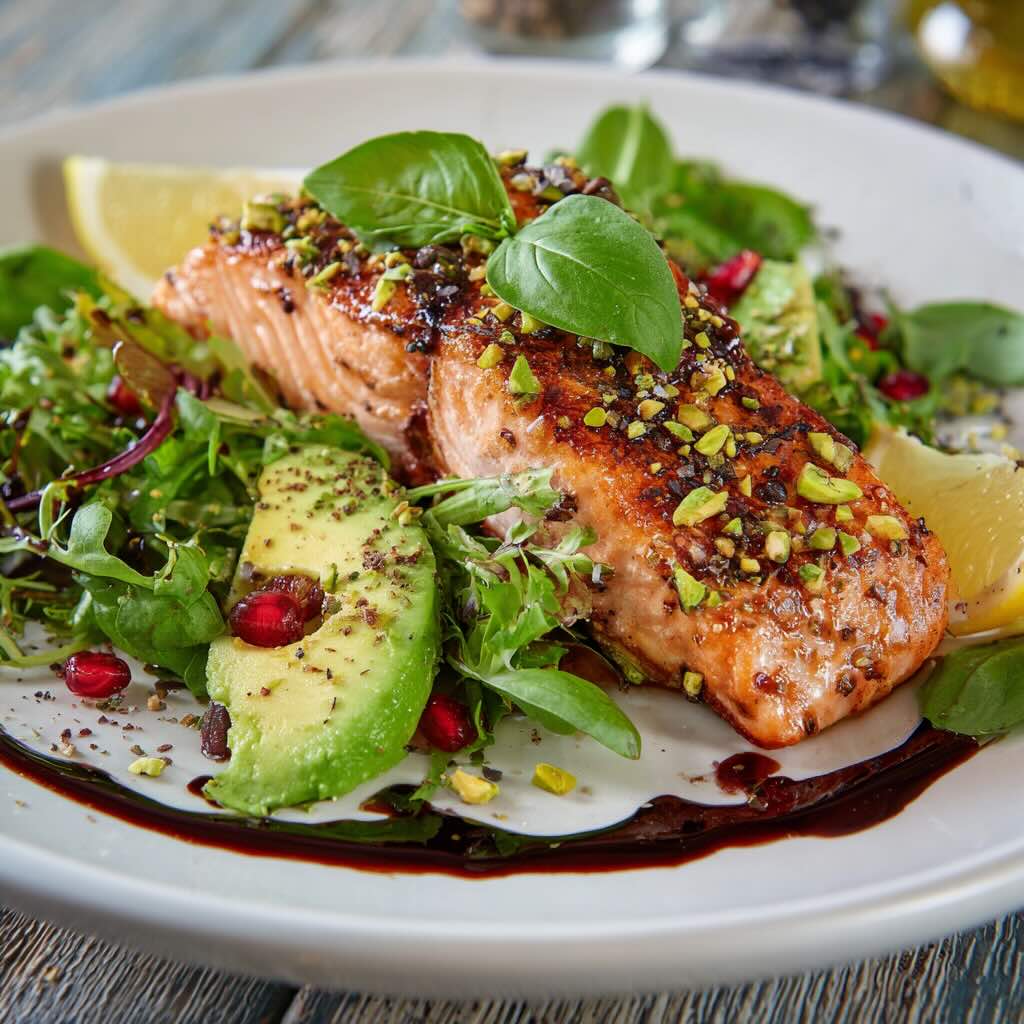
Salmon Bowl-pistachio-cacao-nibs
A Mediterranean-style bowl combining salmon, avocado, pistachios, cacao nibs, and early harvest olive oil — rich in omega-3 fats, polyphenols, and fibre.
Nutrient Tables (per 100 g)
Selected food and preparation: Fish, salmon, Atlantic, farmed, raw. per 100 g edible portion.
Core nutrients
| Nutrient | Amount per 100 g | % reference intake per 100 g |
|---|---|---|
| Energy | 208 kcal | — |
| Protein | 20.4 g | — |
| Total fat | 13.4 g | — |
| Saturated fat | 3.1 g | — |
Key vitamins and minerals
Vitamins and minerals supplying at least 10% of an adult reference intake per 100 g, derived from the composition panel.
| Nutrient | Amount per 100 g | % reference intake per 100 g |
|---|---|---|
| Phosphorus | 240 mg | 34.3% |
| Selenium | 24 µg | 43.6% |
| Potassium | 363 mg | 10.7% |
| Choline | 78.5 mg | 14.3% |
| Vitamin B12 | 3.2 µg | 134.6% |
| Vitamin B6 | 0.6 mg | 48.9% |
| Vitamin B2 | 0.2 mg | 11.9% |
| Vitamin B1 | 0.2 mg | 17.3% |
| Vitamin B3 | 8.7 mg | 54.2% |
| Vitamin B5 | 1.5 mg | 30.9% |
| Vitamin D | 11 µg | 73.3% |
| Vitamin E | 3.6 mg | 23.7% |
Bioactive compounds
Content applies to the food and preparation identified in the source notes.
| Compound / class | Amount per 100 g | Notes |
|---|---|---|
| EPA | 862 mg | — |
| DHA | 1104 mg | — |
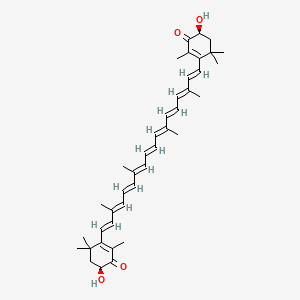
| Astaxanthin | 3.2 mg (estimate) [3] | Carotenoid pigment; farmed salmon levels depend strongly on feed astaxanthin formulation. |
- Astaxanthin: Literature estimate for farmed Atlantic salmon; carotenoid content varies by feed and species (e.g. Turujman et al., 1997; USDA does not report astaxanthin). [3]
Technical provenance
Astaxanthin: Literature estimate for farmed Atlantic salmon; carotenoid content varies by feed and species (e.g. Turujman et al., 1997; USDA does not report astaxanthin). [3]
Substances
7 substances in this food
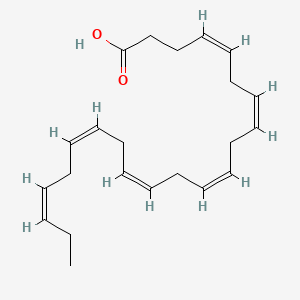
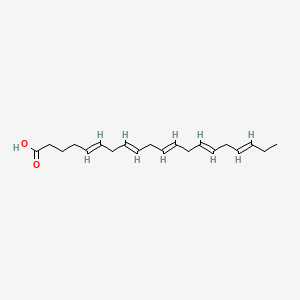
DHA (Docosahexaenoic Acid)
USDA FoodData Central reports DHA in Fish, salmon, Atlantic, farmed, raw.
EPA (Eicosapentaenoic Acid)
USDA FoodData Central reports EPA in Fish, salmon, Atlantic, farmed, raw.
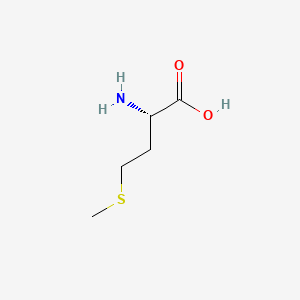
Methionine
USDA FoodData Central reports methionine 0.626 g per 100 g in Fish, salmon, Atlantic, farmed, raw (FDC 175167). Composition only; this does not establish a PM-specific dietary efficacy claim.
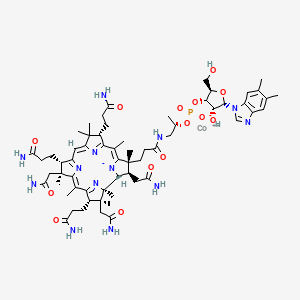
Vitamin B12 (Cobalamin)
USDA FoodData Central reports vitamin B12 in Fish, salmon, Atlantic, farmed, raw.

Omega-3 Fatty Acids
USDA FoodData Central reports alpha-linolenic acid, EPA, DHA, total omega-3 in Fish, salmon, Atlantic, farmed, raw. This class link does not treat a combined total as EPA, DHA or ALA.
References
[1] Regular inclusion of salmon and other oily fish helps reach evidence-based omega-3 intakes that are associated with cardiometabolic and cognitive benefits in many populations. McNamara & Carlson 2006. Omega-3 fatty acids and neuropsychiatric function
[2] DHA supplementation improved both memory and reaction time in healthy young adults: a randomized controlled trial. Stonehouse et al. 2013. DHA supplementation and cognitive outcomes in adults
[3] Salmon fillet nutritional composition feeding study (2025)