Methylation & One-Carbon Metabolism
Biochemical regulation layer — synthesis, repair, epigenetic control, neurotransmitter production.
Overview
Methylation is a fundamental biological process that serves as a critical target in the BRAIN Diet. This biochemical process involves the addition of methyl groups to DNA, proteins, and other molecules, playing a crucial role in gene expression, neurotransmitter synthesis, and overall brain health.
Recipes

Matcha Mitochondria Smoothie
Mitochondrial energising smoothie rich in polyphenols, magnesium, and antioxidants

Savoury Greens & Egg Breakfast Skillet
A warm savoury breakfast skillet with eggs, greens, and slow carbohydrates for steady morning energy.
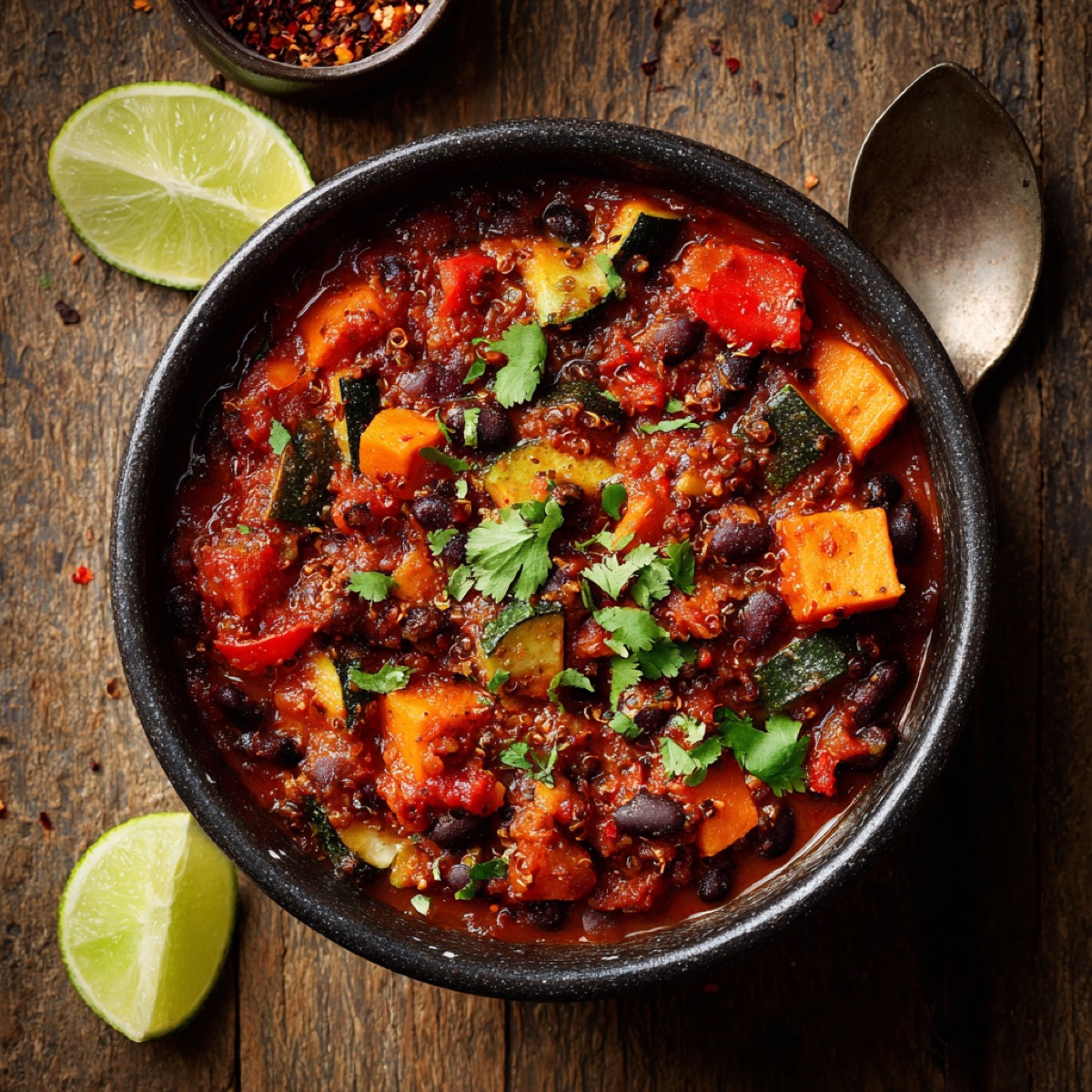
Black Bean & Sweet Potato Vegetable Chilli
A fibre-rich bean and vegetable chilli with warming spices and slow carbohydrates for steady energy and satiety.

Turkey Wing Stew
A collagen-rich, glycine-heavy slow-cooked stew made from affordable turkey wings — rich in protein, tryptophan, and B vitamins.
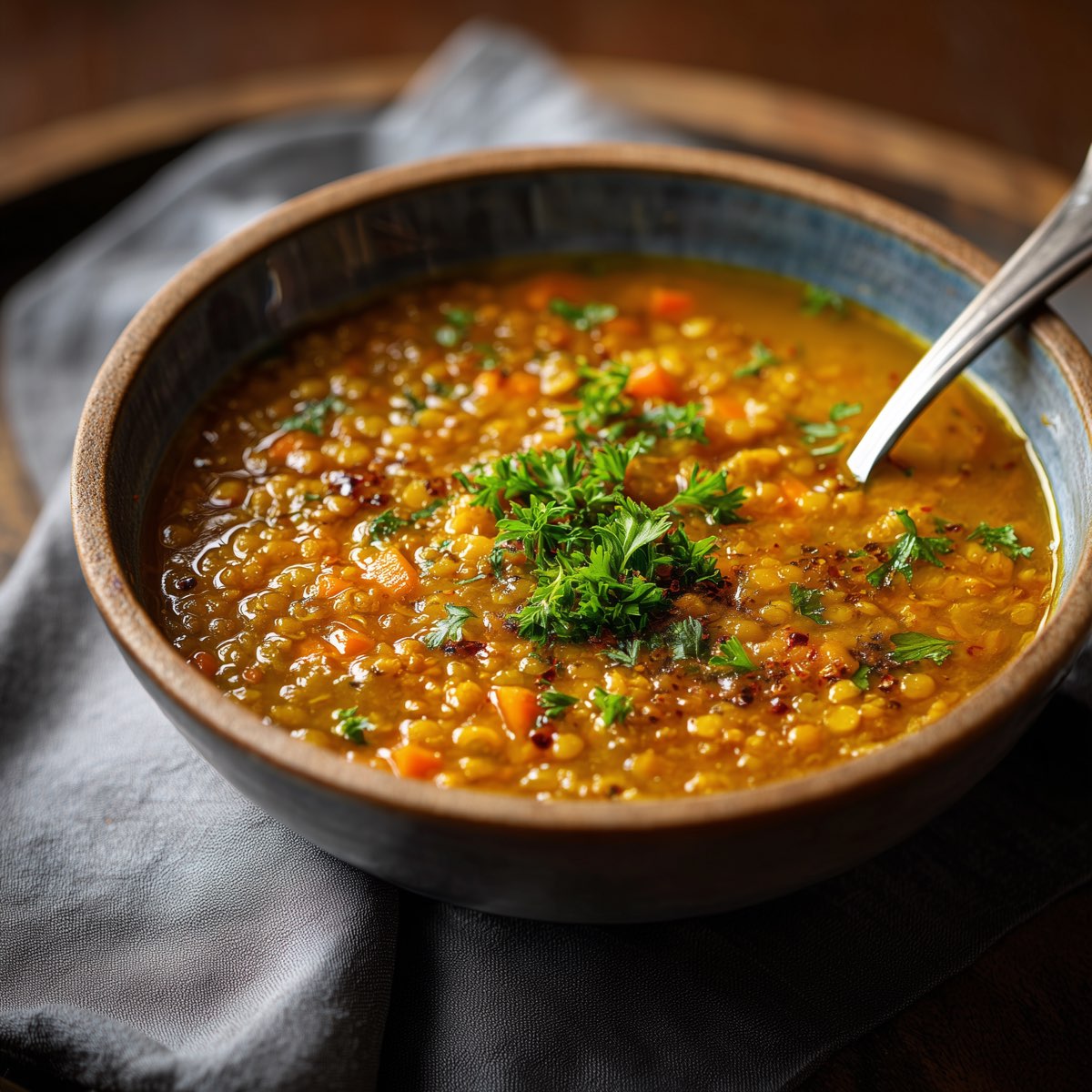
Turmeric Lentil Dahl
Turmeric- and ginger-spiced lentil dish rich in fibre, folate, and polyphenols
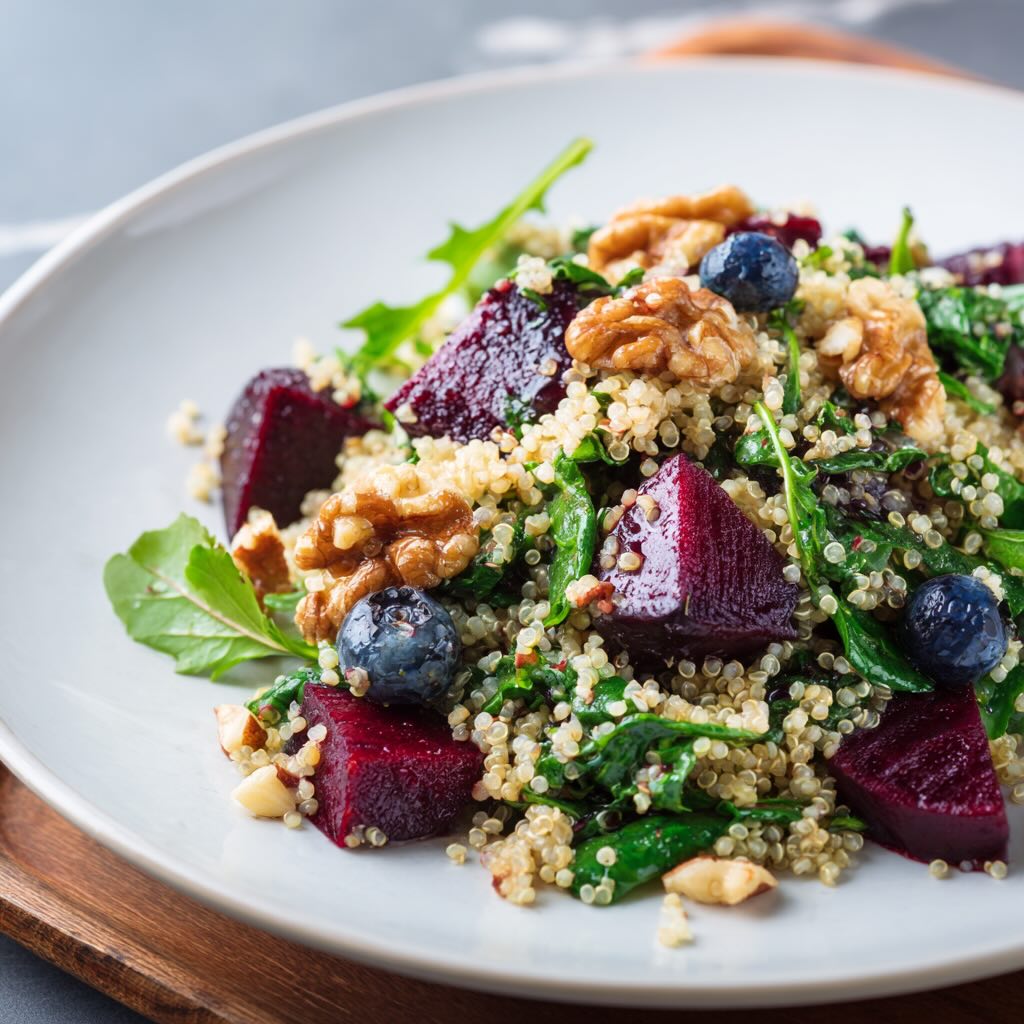
Mitochondrial Power Bowl
A nitrate-rich, polyphenol-dense bowl combining leafy greens, beets, berries, nuts, and early harvest olive oil
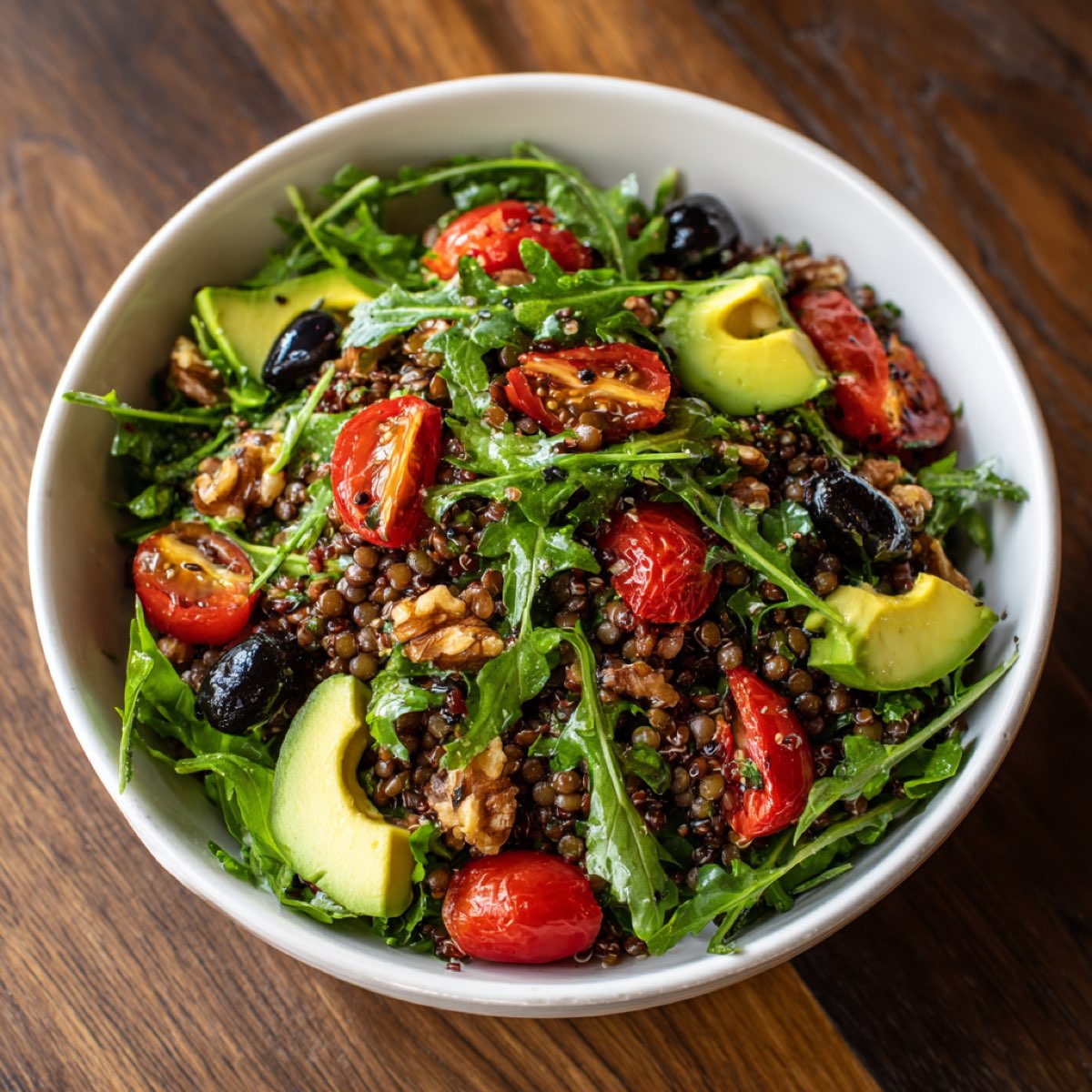
Rocket Lentil Avocado Midday Salad (Gut-Supporting)
Polyphenol-rich midday salad with quinoa or lentils, vegetables, avocado, and early harvest olive oil
Therapeutic Areas

ADHD
Dietary strategies targeting inflammation, neurochemical balance, mitochondrial function, and gut-brain axis to support attention, focus, and executive function
Alzheimer's Disease
Dietary interventions targeting mitochondrial function, oxidative stress, inflammation, and neurochemical balance to slow cognitive decline and support neuroprotection
Anxiety & GAD
Nutritional strategies targeting HPA axis regulation, stress response, neurochemical balance, and gut-brain communication to reduce anxiety and support emotional regulation
Depression & MDD
Food-first dietary interventions targeting neurochemical balance, inflammation, gut-brain axis, and metabolic health to support mood regulation and emotional resilience
Substances
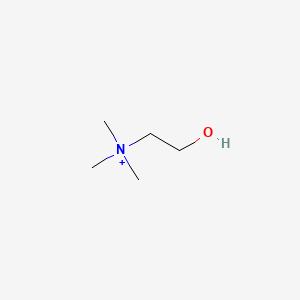
Choline
Acetylcholine precursor; methyl donor; phospholipid synthesis for membranes
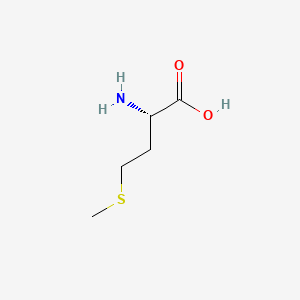
Methionine
Essential AA; precursor to SAMe via methylation cycle

Omega-3 Fatty Acids
(EPA, DHA) Anti-inflammatory, membrane, and neuromodulatory lipids central to BRAIN Diet

Zinc
Cofactor in neurotransmission and antioxidant enzymes; dopamine modulation
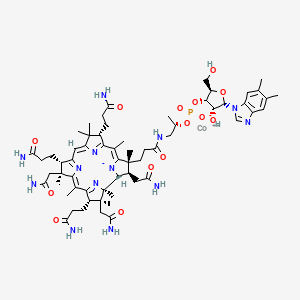
Vitamin B12 (Cobalamin)
Methylation; myelin; mitochondrial odd-chain FA metabolism
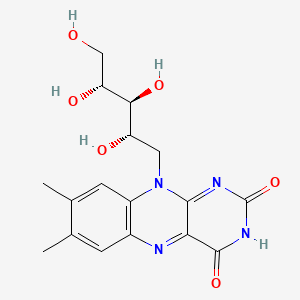
Vitamin B2 (Riboflavin)
FMN/FAD coenzymes; redox balance; supports methylation via MTHFR
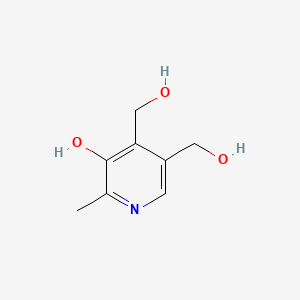
Vitamin B6 (Pyridoxine → PLP)
PLP cofactor for neurotransmitter synthesis; relies on brain PDXK activation
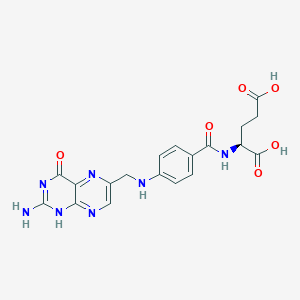
Vitamin B9 (Folate; 5-MTHF)
One-carbon metabolism; methylation; homocysteine recycling
Biological Implications
B vitamins, particularly B6, B2, folate (5-MTHF), and B12, are essential cofactors in the remethylation of homocysteine (Hcy) to methionine, which is subsequently converted to S-adenosylmethionine (SAMe).
A precursor to the key coenzymes FMN (Flavin mononucleotide) and FAD (Flavin adenine dinucleotide). FAD acts as a critical cofactor for MTHFR, linking riboflavin to homocysteine recycling and methylation capacity. Riboflavin coenzymes facilitate the metabolism also of B12, vitamin B6, and niacin.
Elevated plasma homocysteine, a byproduct of methylation, is frequently elevated in ADHD and other neurodegenerative disorders, cognitive impairment, and psychiatric conditions. Hcy is implicated in the induction of oxidative stress, the modulation of oxygen levels, and the initiation of lipid peroxidation pathway.
Trimethylglycine (TMG), also known as betaine, is a dietary methyl donor that helps recycle Hcy to methionine via an alternative pathway. Choline, a precursor to both TMG and phosphatidylcholine (PC), is similarly involved in homocysteine clearance and membrane phospholipid biosynthesis. These pathways are vulnerable to genetic variants such as MTHFR polymorphisms, which reduce the efficiency of folate cycling and methylation, thereby increasing susceptibility to cognitive dysfunction and ADHD-related symptoms (paper.txt, line 483).
Dietary patterns can modulate gene expression and epigenetic regulation through multiple pathways. Nutrients involved in one-carbon metabolism (e.g., folate, riboflavin, B12, choline) can influence methylation dynamics relevant to MTHFR and COMT activity. Polyphenols and omega-3 fatty acids have been shown to upregulate BDNF expression, potentially offsetting functional impacts of the common Val66Met polymorphism (paper.txt, line 484).
Research indicates that deficiencies in vitamins and minerals essential for methylation, such as folate, vitamin B12, and zinc, are correlated to ADHD symptoms and that supplementing these micronutrients has shown potential in supporting methylation and reducing symptom severity (paper.txt, line 245).
References
- Riboflavin (B2) is a precursor to the key coenzymes FMN and FAD. FAD acts as a critical cofactor for MTHFR, linking riboflavin to homocysteine recycling and methylation capacity Aragão et al. 2024
- A large meta-analysis shows that folic acid supplementation (0.5-5 mg/day) typically reduces plasma homocysteine by ~25%. Adding B12 gave an additional ~7% reduction over folate alone Collaboration 1998
- Long chain ω-3 fatty acids and vitamin B12 contribute meaningfully to homocysteine reduction, and in combination more effectively. One study with vitamin B-12, fish oil, and vitamin B-12+fish oil lowered plasma Hcy concentrations by 22%, 19%, and 39%, respectively Tao Huang et al. 2015
- B vitamin supplementation slowed cognitive decline only in participants with adequate omega-3 status, supporting a nutrient synergy model Oulhaj et al. 2016
- Elevated plasma homocysteine is frequently elevated in ADHD and other neurodegenerative disorders, cognitive impairment, and psychiatric conditions Yu et al. 2020
- Elevated plasma homocysteine is frequently elevated in ADHD and other neurodegenerative disorders Luzzi et al. 2022
- Elevated plasma homocysteine is frequently elevated in ADHD and other neurodegenerative disorders, cognitive impairment, and psychiatric conditions Lukovac et al. 2024
- Hcy is implicated in the induction of oxidative stress, the modulation of oxygen levels, and the initiation of lipid peroxidation pathway Lukovac et al. 2024
- Deficiencies in vitamins and minerals essential for methylation, such as folate, vitamin B12, and zinc, are correlated to ADHD symptoms and supplementing these micronutrients has shown potential in supporting methylation and reducing symptom severity Razavinia et al. 2024
- Vitamins and minerals function as indispensable micronutrients and enzymatic cofactors in all pivotal brain biology pathways, aiding neurotransmitter synthesis, mitochondrial energy production, DNA repair, antioxidant defense, methylation, and the regulation of neuroplasticity Tardy et al. 2020
- B-vitamins play a central role in brain biology pathways Kennedy 2016
- A lowered abundance of Bifidobacterium longum in infancy has been associated with increased risk of developing ADHD and Asperger syndrome in childhood Pärtty et al. 2015