Clams

Overview
Clams are bivalve shellfish providing complete protein together with notable amounts of vitamin B12, iron, zinc, and taurine. Among shellfish, clams and mussels are often highlighted for their taurine content, which contributes to bile acid conjugation, membrane stabilisation, and antioxidant defence in experimental and clinical contexts [1]. Their B12 and iron content support methylation pathways, homocysteine recycling, and oxygen transport, all of which are relevant to neurological and cardiovascular health [2].
Within the BRAIN Diet framework, clams serve as an occasional nutrient-dense shellfish that complements both plant and animal sources of B12 and iron. Because portions are typically modest and eaten intermittently, clams are best viewed as a periodic micronutrient booster rather than a daily protein anchor [1,2]. As with other shellfish, water quality, harvesting practices, and preparation determine safety; sourcing from monitored waters and cooking thoroughly helps reduce microbiological and contaminant risk
Food Context
Sourcing
- Choose clams from reputable suppliers that harvest from monitored coastal waters with routine testing for biotoxins and contaminants.
- Farmed clams can offer a relatively low-impact seafood option when produced under robust environmental and safety standards.
Preparation
- Cook clams thoroughly—for example by steaming until all shells have opened and discarding any that remain closed—to reduce microbiological risk.
- Incorporate clams into dishes that include vegetables and whole grains so their concentrated B12, iron, and taurine content sits within a balanced meal pattern.
Recipes
1 recipe containing this food
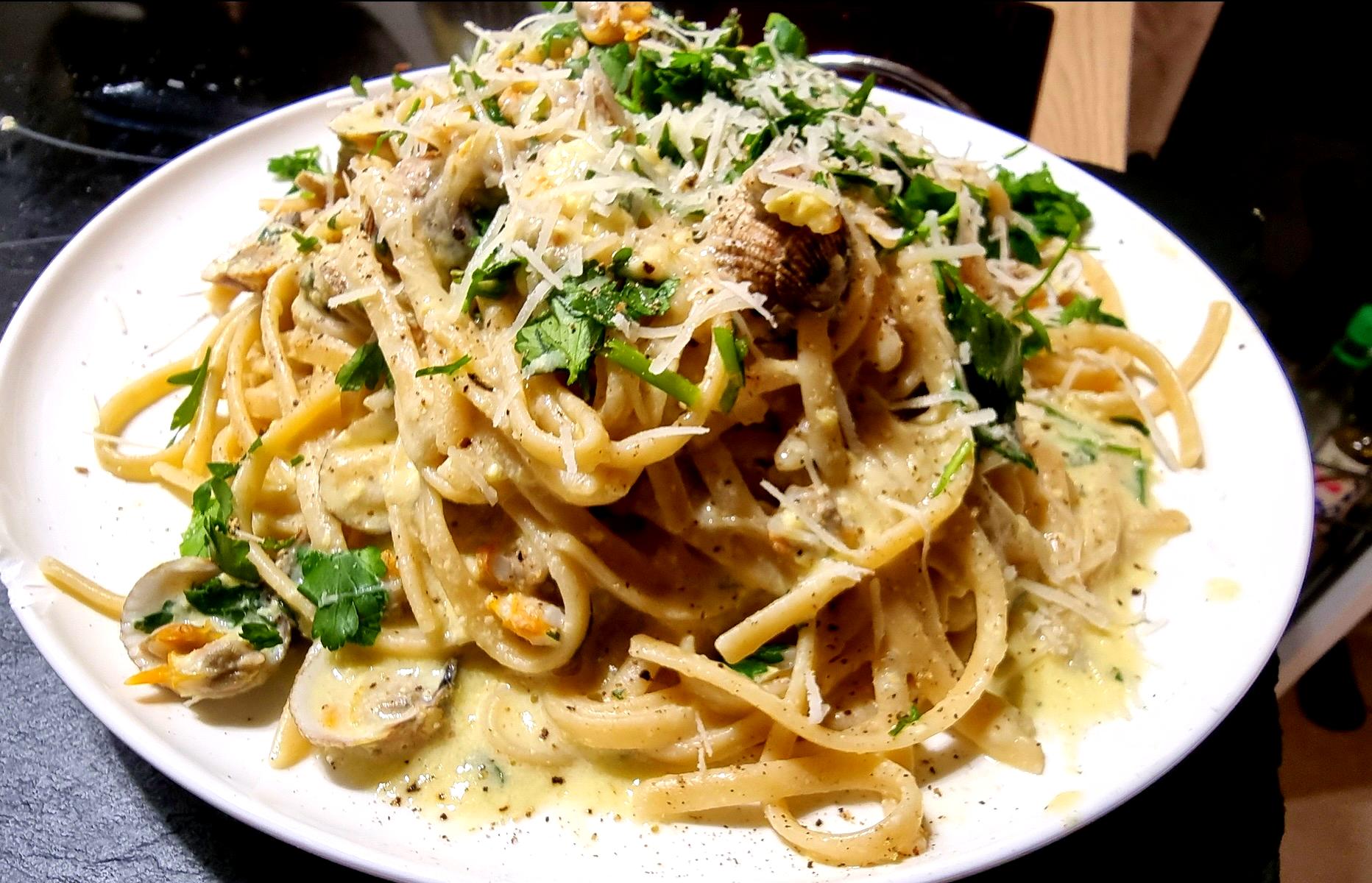
Linguine alle vongole mantecate (Linguine with cockles in a silky emulsified sauce)
Whole-wheat linguine with cockles in a silky emulsified sauce; Italian emulsification technique without cream, supporting taurine, B12, and choline intake.
Essential Amino Acid Profile
This food provides a complete essential amino acid profile typical of animal proteins.
Nutrient Tables (per 100 g)
Selected food and preparation: Mollusks, clam, mixed species, raw. per 100 g edible portion.
Core nutrients
| Nutrient | Amount per 100 g | % reference intake per 100 g |
|---|---|---|
| Energy | 86 kcal | — |
| Protein | 14.7 g | — |
| Total fat | 1 g | — |
| Saturated fat | 0.2 g | — |
| Carbohydrates | 3.6 g | — |
Key vitamins and minerals
Vitamins and minerals supplying at least 10% of an adult reference intake per 100 g, derived from the composition panel.
| Nutrient | Amount per 100 g | % reference intake per 100 g |
|---|---|---|
| Phosphorus | 198 mg | 28.3% |
| Selenium | 30.6 µg | 55.6% |
| Choline | 65 mg | 11.8% |
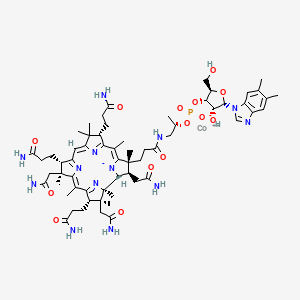
| Vitamin B12 | 11.3 µg | 470% |
| Vitamin A | 90 µg | 10% |
Bioactive compounds
| Compound / class | Amount per 100 g | Notes |
|---|---|---|
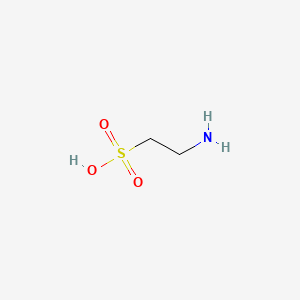
| Taurine | Present [3] | clam or scallop edible tissue, or dark poultry meat |
- Taurine: Contains taurine; the amount varies with the food and cooking. [3]
Technical provenance
Taurine: The potential protective effects of taurine on coronary heart disease (2009). Table 2 separately identifies taurine in raw clams, raw scallops and dark chicken/turkey meat. [3]
Substances
References
[1] Among shellfish, clams and mussels are often highlighted for their taurine content, which contributes to bile acid conjugation, membrane stabilisation, and antioxidant defence in experimental and clinical contexts. Wójcik & Koenig 2010. The potential protective effects of taurine on coronary heart disease
[2] Their B12 and iron content support methylation pathways, homocysteine recycling, and oxygen transport, all of which are relevant to neurological and cardiovascular health. Pawlak & Parrott 2013. How prevalent is vitamin B $_\textrm12$ deficiency among vegetarians?
[3] The potential protective effects of taurine on coronary heart disease (2009)