Neurotransmitter Regulation
Signal layer — synaptic communication, circuit dynamics, behavioural expression.
Overview
Neurochemical balance is a fundamental biological target in the BRAIN Diet, focusing on optimizing neurotransmitter synthesis, release, and reuptake for improved cognitive function. Neurochemicals are molecules that are responsible for communication between nerve cells, and nerve cells and other cells. They are typically classified based on their function which can be excitatory, inhibitory or modulatory in nature, although some neurochemicals can have multiple functions. Many neurological disorders are thought to be due to neurochemical imbalances, and much research has now implicated much broader neurotransmitter dysregulation (paper.txt, lines 297-301).
Recipes
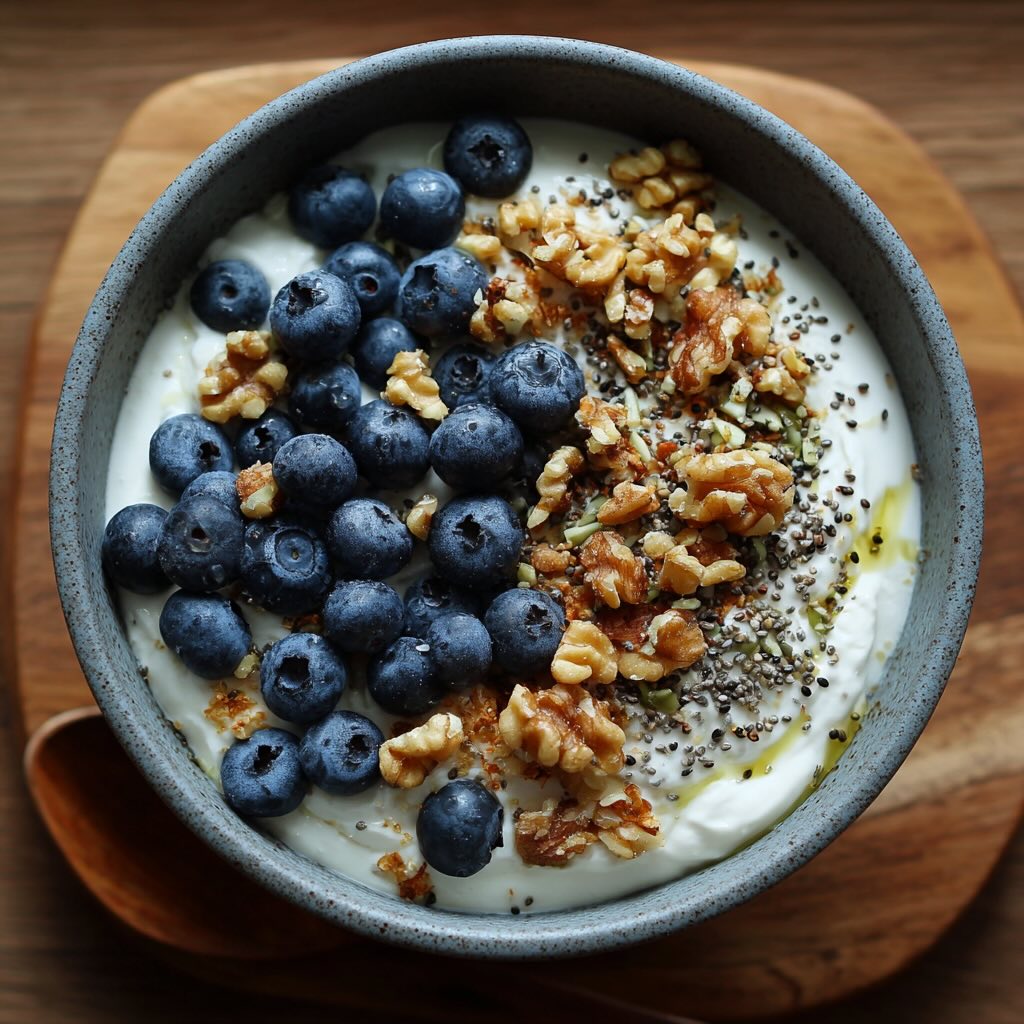
Ginger Yogurt and Blueberries
A polyphenol-rich breakfast bowl with high fibre, combining ginger, omega-3 nuts, blueberry polyphenols, and probiotic yogurt.
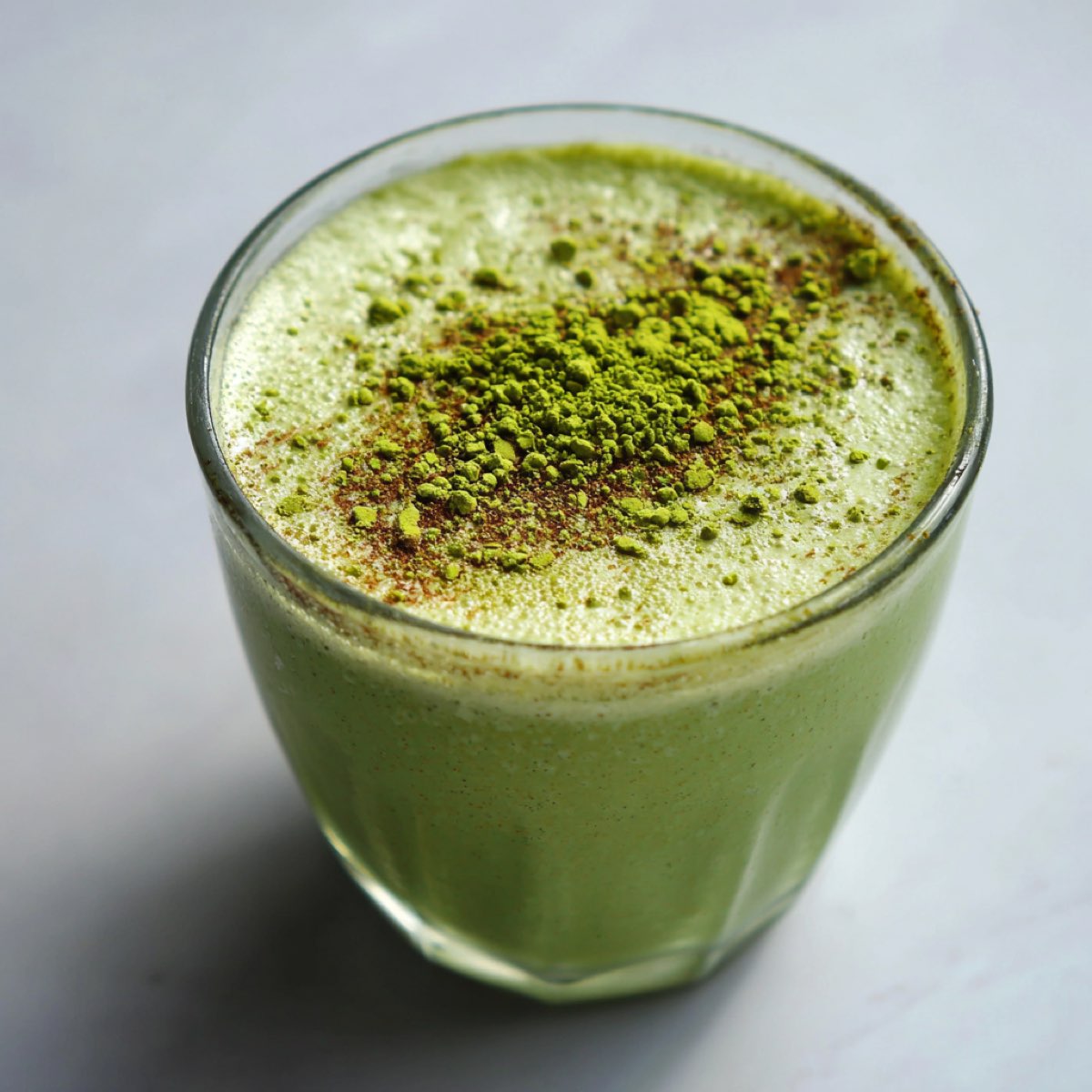
Matcha Mitochondria Smoothie
Mitochondrial energising smoothie rich in polyphenols, magnesium, and antioxidants

Savoury Greens & Egg Breakfast Skillet
A warm savoury breakfast skillet with eggs, greens, and slow carbohydrates for steady morning energy.
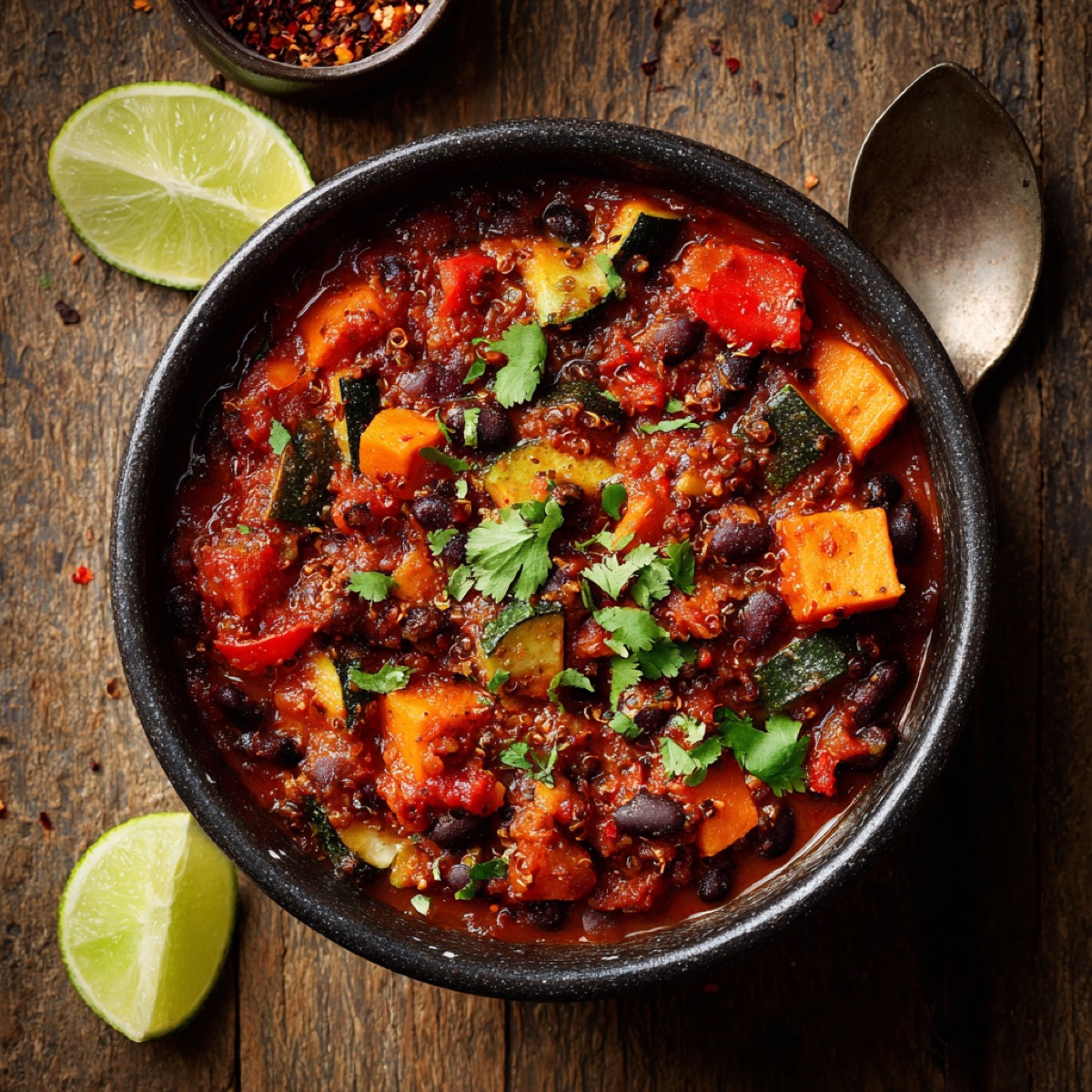
Black Bean & Sweet Potato Vegetable Chilli
A fibre-rich bean and vegetable chilli with warming spices and slow carbohydrates for steady energy and satiety.

Linguine alle vongole mantecate (Linguine with cockles in a silky emulsified sauce)
Whole-wheat linguine with cockles in a silky emulsified sauce; Italian emulsification technique without cream, supporting taurine, B12, and choline intake.

Turkey Wing Stew
A collagen-rich, glycine-heavy slow-cooked stew made from affordable turkey wings — rich in protein, tryptophan, and B vitamins.
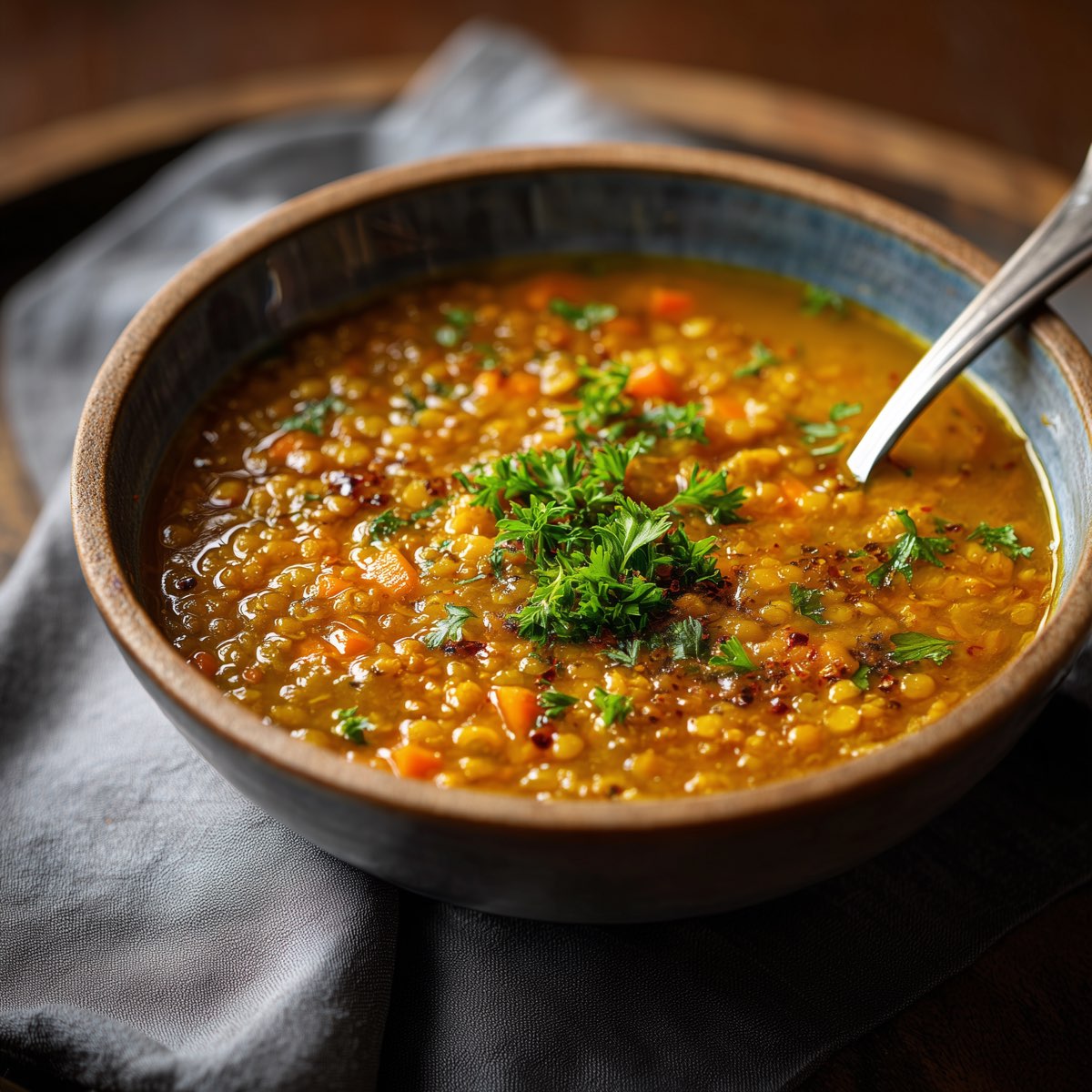
Turmeric Lentil Dahl
Turmeric- and ginger-spiced lentil dish rich in fibre, folate, and polyphenols

Sourdough Soda (Fermented Cinnamon & Raisin Drink)
A lightly fermented, naturally sparkling drink made from stale sourdough, raisins, and cinnamon. Gut–brain friendly, refreshing, and probiotic-leaning.
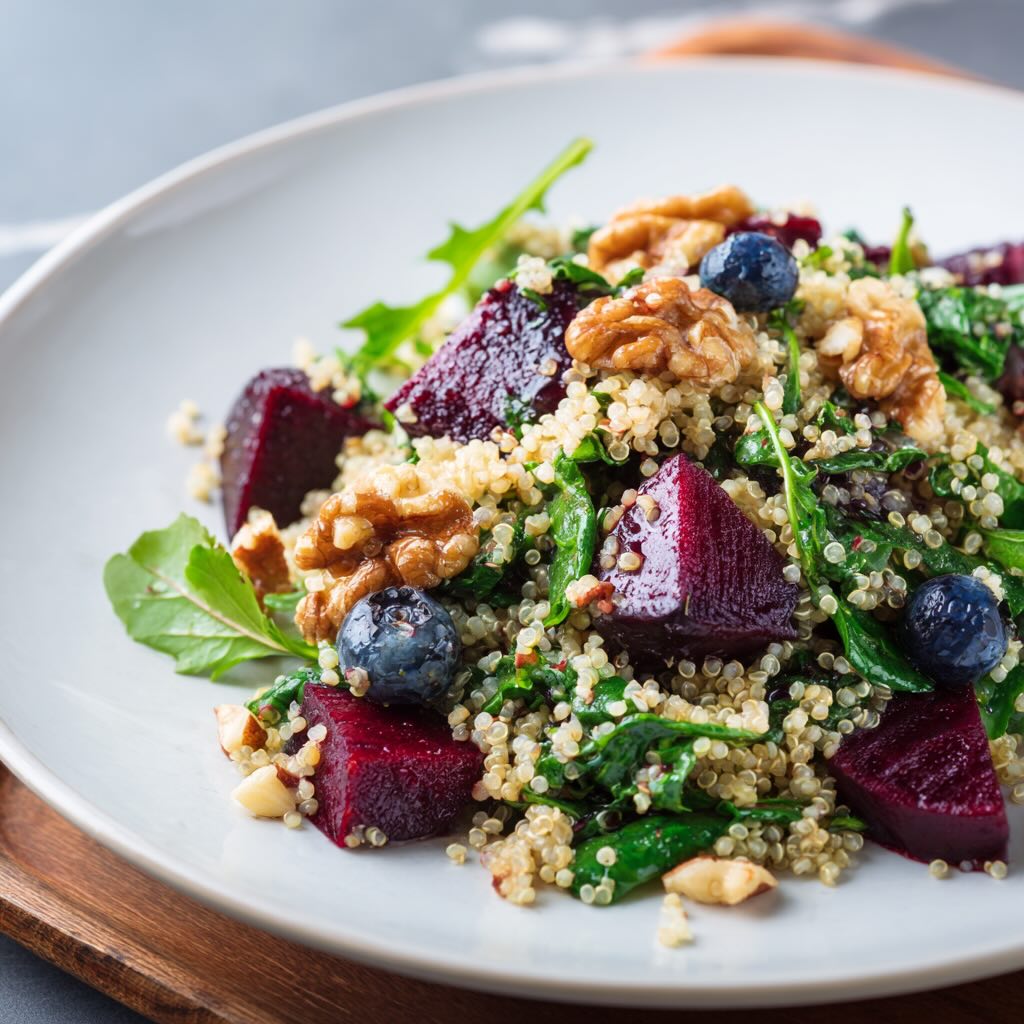
Mitochondrial Power Bowl
A nitrate-rich, polyphenol-dense bowl combining leafy greens, beets, berries, nuts, and early harvest olive oil
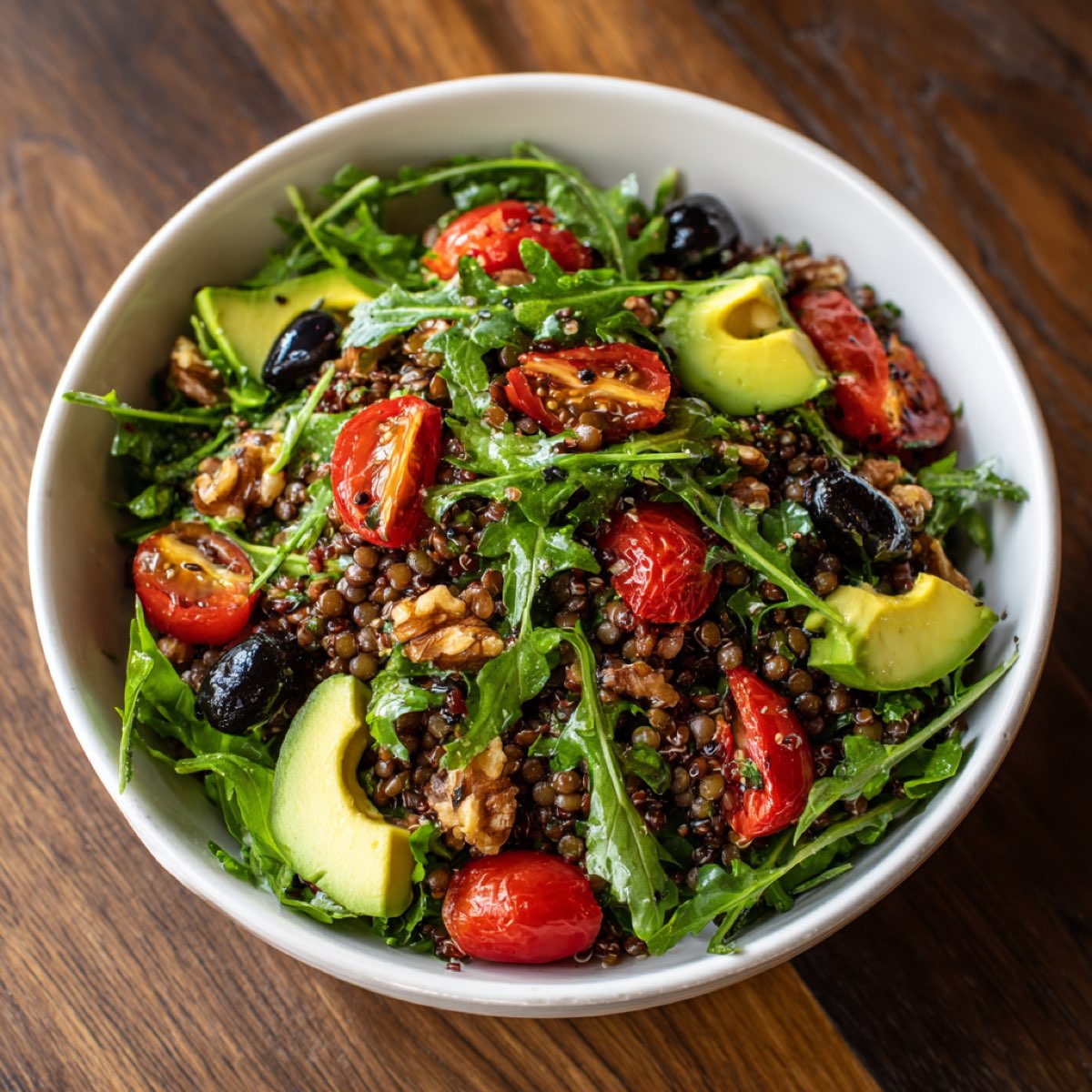
Rocket Lentil Avocado Midday Salad (Gut-Supporting)
Polyphenol-rich midday salad with quinoa or lentils, vegetables, avocado, and early harvest olive oil
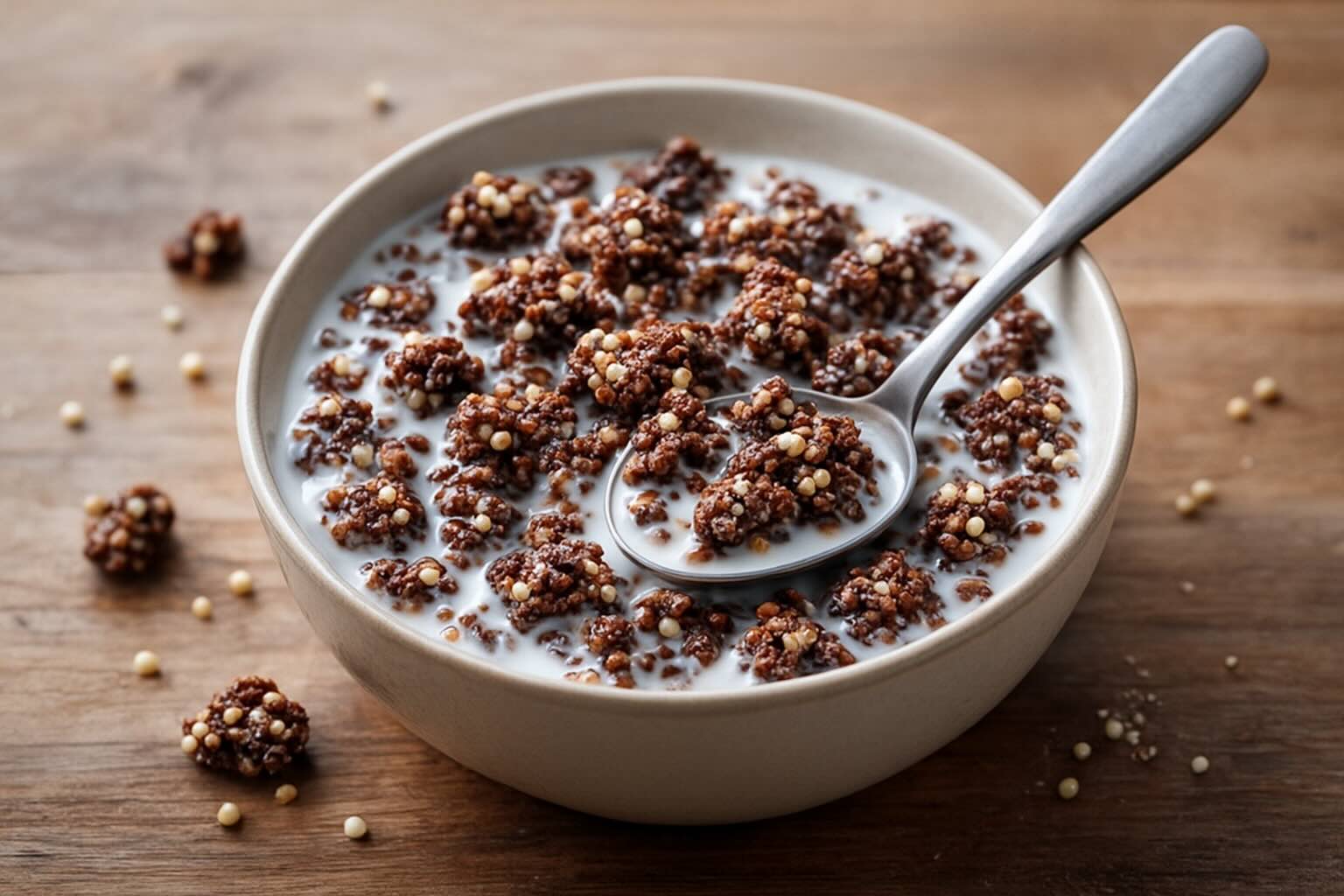
Chocolate Quinoa Crisp Clusters
A delicious cereal-to-snack hybrid with satisfying crunch, steady energy, and a low glycemic profile. Perfect for breakfast or anytime snacking.
Therapeutic Areas

ADHD
Dietary strategies targeting inflammation, neurochemical balance, mitochondrial function, and gut-brain axis to support attention, focus, and executive function
Alzheimer's Disease
Dietary interventions targeting mitochondrial function, oxidative stress, inflammation, and neurochemical balance to slow cognitive decline and support neuroprotection
Anxiety & GAD
Nutritional strategies targeting HPA axis regulation, stress response, neurochemical balance, and gut-brain communication to reduce anxiety and support emotional regulation
Bipolar Disorder
Nutritional approaches to support mood stability and cognitive function through modulation of neurotransmitter balance, mitochondrial health, and inflammatory pathways
Depression & MDD
Food-first dietary interventions targeting neurochemical balance, inflammation, gut-brain axis, and metabolic health to support mood regulation and emotional resilience
Substances
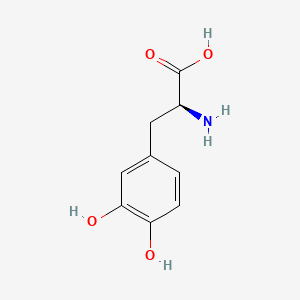
L-DOPA
Direct precursor to dopamine; supports neurotransmitter synthesis
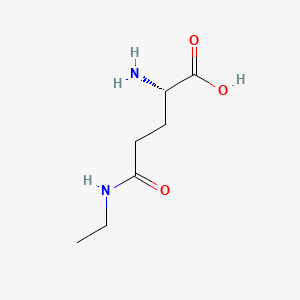
L-Theanine
Calming amino acid from tea; increases alpha waves; sleep-friendly
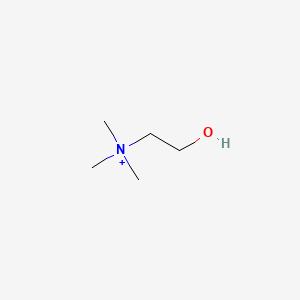
Choline
Acetylcholine precursor; methyl donor; phospholipid synthesis for membranes
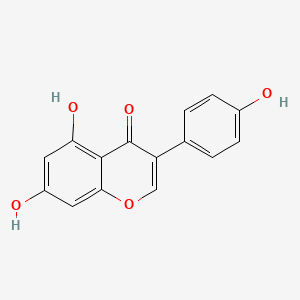
Genistein
Soy isoflavone; ECS modulation via FAAH inhibition; anti-inflammatory/neuroprotective
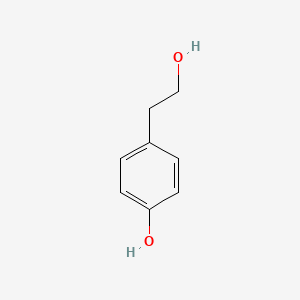
Tyrosol
Phenolic compound in olive oil; neuroprotective effects and precursor to hydroxytyrosol
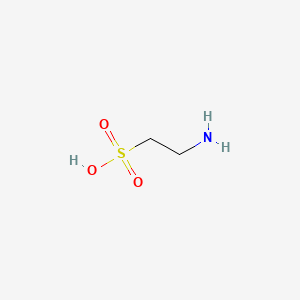
Taurine
Osmoregulator; GABA modulation; mitochondrial membrane stabilizer; anti-inflammatory
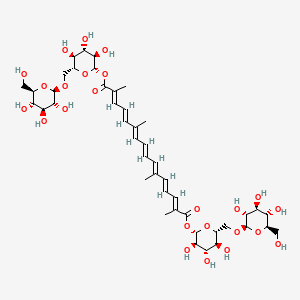
Saffron (Crocin, Safranal)
Mood and cognition support; sensitive to heat/light; culinary-first use
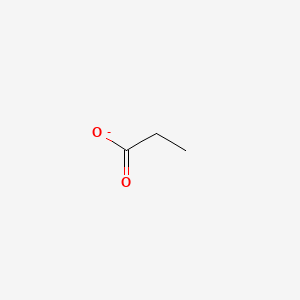
Propionate
SCFA supporting neuroinflammation reduction, blood-brain barrier protection, and neurotransmitter regulation

Short-Chain Fatty Acids (SCFAs)
Microbial metabolites supporting gut barrier, immune tone, and brain function
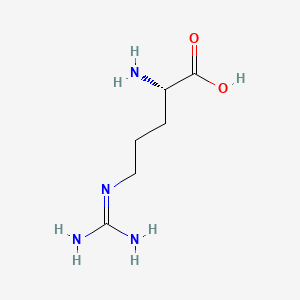
Arginine
Conditionally essential amino acid; precursor for creatine and nitric oxide synthesis
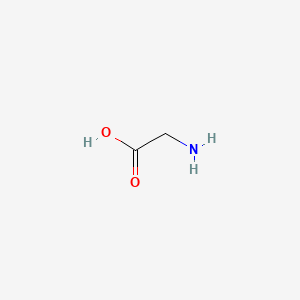
Glycine
Nonessential amino acid; inhibitory neurotransmitter; supports sleep, gut barrier repair, and glutathione production
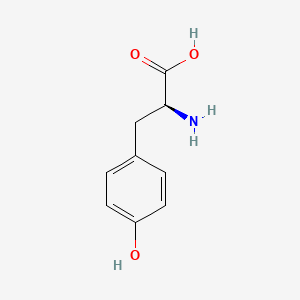
Tyrosine
Dopamine and norepinephrine precursor; LAT1 competition with LNAAs
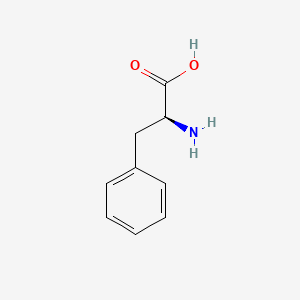
Phenylalanine
Essential AA; precursor to tyrosine → catecholamines
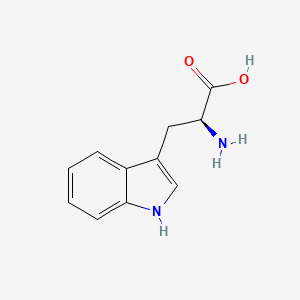
Tryptophan
Serotonin/melatonin precursor; NAD+ pathway substrate; LAT1 transport dynamics
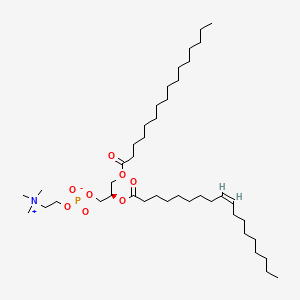
Phosphatidylcholine (PC)
Key brain phospholipid; carrier for DHA/EPA and acetylcholine precursor pathway
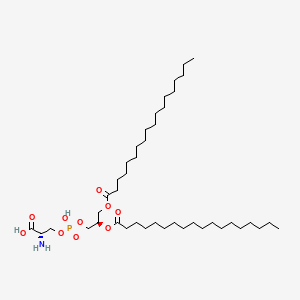
Phosphatidylserine (PS)
Neuronal membrane phospholipid; cognition; stress modulation
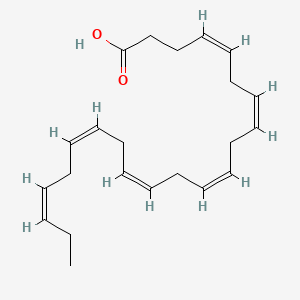
DHA (Docosahexaenoic Acid)
Accounts for ~10–15% of total brain fatty acids, 20–30% of neuronal phospholipids (PE, PS), and >90% of brain omega-3 PUFA; critical for membrane fluidity, synaptic vesicle fusion, neurodevelopment
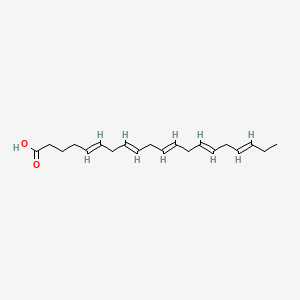
EPA (Eicosapentaenoic Acid)
Potent anti-inflammatory; precursor to E-series resolvins; modulates dopamine and serotonin signalling
Omega-3 Fatty Acids
(EPA, DHA) Anti-inflammatory, membrane, and neuromodulatory lipids central to BRAIN Diet
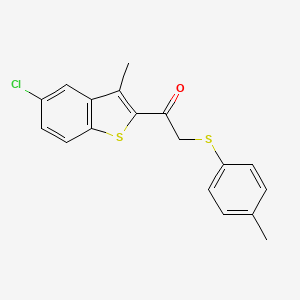
Capric Triglyceride (Tridecanoin)
Medium-chain triglyceride (C10) providing rapid brain energy via ketone production
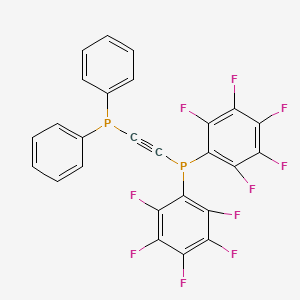
Caproic Triglyceride (Tricaproin)
Medium-chain triglyceride (C6) providing rapid brain energy via ketone production
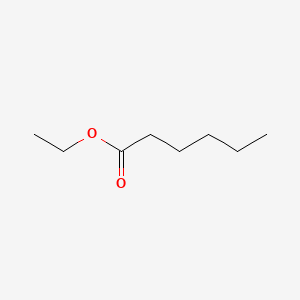
Caprylic Triglyceride (Trioctanoin)
Medium-chain triglyceride (C8) providing rapid brain energy via ketone production
MCT (Medium-Chain Triglycerides)
Medium-chain fatty acids (C8, C10) providing rapid brain energy via ketone production

Calcium
Bone health; neurotransmission; interacts with vitamin D and K2
Magnesium
Enzymatic cofactor (>300 reactions); neurotransmitters; mitochondria; redox balance

Potassium
Electrolyte for nerve transmission, muscle function, and blood pressure regulation

Sodium
Electrolyte for fluid balance and nerve function

Copper
Cofactor in redox enzymes; dopamine β-hydroxylase; iron metabolism interplay

Iodine
Thyroid hormone synthesis; neurodevelopment; neurotransmitter regulation
Iron
Oxygen transport; dopamine synthesis (tyrosine hydroxylase cofactor)

Zinc
Cofactor in neurotransmission and antioxidant enzymes; dopamine modulation
Vitamin B12 (Cobalamin)
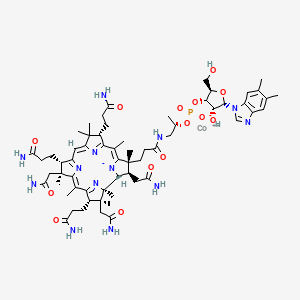
Methylation; myelin; mitochondrial odd-chain FA metabolism
Vitamin B6 (Pyridoxine → PLP)
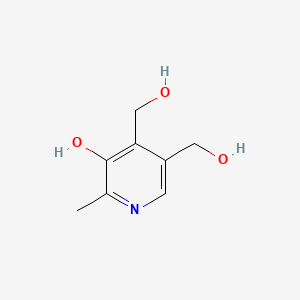
PLP cofactor for neurotransmitter synthesis; relies on brain PDXK activation
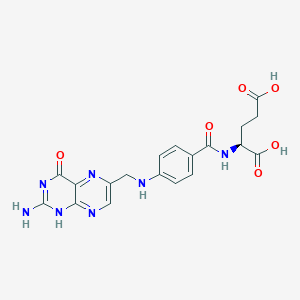
Vitamin B9 (Folate; 5-MTHF)
One-carbon metabolism; methylation; homocysteine recycling
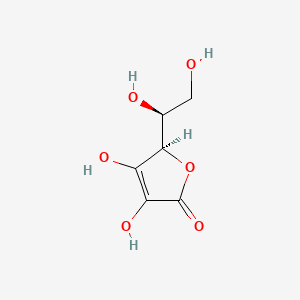
Vitamin C (Ascorbate)
Antioxidant; supports iron absorption; neuronal SVCT2 transport
Biological Implications
Many neurological disorders are thought to be due to neurochemical imbalances although conclusive proof is often lacking, and much research has now implicated much broader neurotransmitter dysregulation. A meta study analysis concluded that while dopaminergic dysfunction is consistently linked to ADHD, evidence does not support a simple global hypo-dopaminergic model and that dopamine alterations vary by ADHD subtypes, developmental stage, and brain region, interacting with other neurotransmitter systems. The difficulties in really 'disentangling' pure dopaminergic neurotransmission from other transmitter systems are significant; >200 chemical messengers (classical transmitters, neuropeptides, purines, lipid mediators, gases) have been described, underscoring the system's complexity. This is why the BRAIN Diet must target broad neurochemical precursors and cofactors to support efficient neurotransmitter production (paper.txt, line 301).
For these reasons, the diet must target a broad spectrum of neurochemical precursors, while also integrating anti-inflammatory nutrients and gut–brain modulators to support balanced neurotransmitter production across systems—not dopamine alone. This approach aligns with dietary intervention research showing that nutrient patterns rich in amino acid precursors, omega-3 fatty acids, and polyphenols can influence dopamine, serotonin, GABA, and acetylcholine pathways simultaneously, supporting mood stability, attention, and cognitive performance (paper.txt, line 303).
Dopamine affects ADHD both as a crucial neurotransmitter involved in regulating attention, and executive functions and also as a neuromodulator affecting broader neural networks such as the Default Mode Network (DMN). The DMN are regions of the brain that are active during non-focused activity such as daydreaming. The inability to move from a DMN state to an executive state has been hypothesized as one of the causes of ADHD. Over time, this neural inefficiency contributes to mental fatigue and susceptibility to burnout, consistent with reports of attentional exhaustion in ADHD populations. Dopamine dysregulation in ADHD impairs the brain's ability to shift from rest-state (DMN) to focus-state networks. The BRAIN Diet uses nutrient-timed meals to support this transition through dopamine precursors and anti-inflammatory nutrients to reduce DMN dysregulation (paper.txt, line 306).
Individuals targeting dopamine via fatty and sugary foods is common in ADHD populations which is probably correlated to the double dopamine reward experienced when eating food. These orosensory and post-ingestion dopamine circuits and reward systems can be utilised as dietary strategies, but they must be used sparingly as eating is the best strategy when the body needs nutrition, at other times other interventions are available such as exercise or meditation. Ultra-processed foods hijack the double dopamine system and lead to dysregulation and addictive behaviours (paper.txt, lines 309-321).
Glutamate is the principal excitatory neurotransmitter of the central nervous system and the most abundant neurotransmitter in the brain. Dysregulation of glutamatergic signaling has widespread clinical relevance and is strongly implicated in Major Depressive Disorder (MDD), including treatment-resistant subtypes. Low levels of glutamate in a number of critical brain areas correlated with low scores on the Barkley attention scale, adding to the hypothesis that ADHD may involve broader disturbances in excitatory neurotransmission than dopaminergic dysfunction. Dietary phytochemicals such as genistein and omega-3s, may help restore neurochemical homeostasis including dopamine and glutamate (paper.txt, line 325).
Norepinephrine, also known as noradrenaline, plays a significant role in attention, arousal, and the modulation of executive functions. Alterations in norepinephrine signaling have been associated with ADHD, affecting the regulation of attention and response inhibition. The physiological changes induced by the binding of norepinephrine to its receptors involve the modulation of several cognitive and executive processes usually impaired in ADHD, supporting the monoaminergic hypothesis for ADHD pathophysiology (paper.txt, line 328).
Serotonin is involved in mood regulation, emotional processing, and impulse control. Reduced levels of serotonin may contribute to the development of ADHD, influencing hyperactive and impulsive components of ADHD but perhaps not inattention. The involvement of serotonin in ADHD is supported by findings that reduced levels of the neurotransmitter may contribute to the disorder along with several genetic markers. Identifying specific neurotransmitter interplay with ADHD is confounded by the many comorbidities of ADHD where more than 80 percent may exhibit co-morbid psychiatric problems and over half express symptoms satisfying two or more co-morbid disorders (paper.txt, lines 330-331).
Emotional dysregulation (ED) is also a major factor of ADHD with a growing body of research recognizing emotional dysregulation as a core but underacknowledged component of the condition, estimates suggest that 25–45% of children and 30–70% of adults have this comorbidity. Neurobiologically, ED overlaps extensively with pathways implicated in stress reactivity, limbic overactivation, dopaminergic tone, and inflammation. Many of the nutritional strategies discussed in this paper—such as glycemic stabilization, SCFA production, polyphenol intake, and anxiolytic probiotic interventions—are expected to exert downstream effects on emotional regulation through modulation of HPA axis activity, limbic signalling, and neurotransmitter systems (paper.txt, lines 333, 335).
Iron is an essential cofactor for tyrosine hydroxylase, the rate-limiting enzyme in the conversion of tyrosine to dopamine. Pairing plant-based iron sources with citrus, fat-soluble vitamins with avocado or olive oil, or spreading minerals across meals are simple but impactful strategies that support maximising dietary nutrition (paper.txt, line 289).
B6 is a cofactor in the development of all the key neurotransmitters. Only once pyridoxine (PIN), pyridoxal (PAL), pyridoxamine (PAM) cross the blood–brain barrier in their non-phosphorylated forms, can they be converted into pyridoxal-5'-phosphate (PLP or P5P), the active coenzyme form. This means that systemic supplementation with PLP does not bypass the brain's reliance on its own enzymatic machinery. Instead, they require pyridoxal kinase (PDXK) activity, which is supported by cofactors such as magnesium and ATP (paper.txt, line 359).
References
- Many neurological disorders are thought to be due to neurochemical imbalances although conclusive proof is often lacking Akyuz et al. 2025
- A meta study analysis concluded that while dopaminergic dysfunction is consistently linked to ADHD, evidence does not support a simple global hypo-dopaminergic model and that dopamine alterations vary by ADHD subtypes, developmental stage, and brain region, interacting with other neurotransmitter systems MacDonald et al. 2024
- The difficulties in really 'disentangling' pure dopaminergic neurotransmission from other transmitter systems are significant; >200 chemical messengers have been described, underscoring the system's complexity Perreault et al. 2014
- The BRAIN Diet uses nutrient-timed meals to support dopamine–insulin coupling through dopamine precursors and anti-inflammatory nutrients to reduce DMN dysregulation Marsland et al. 2017
- A meta-analysis has shown that amphetamine based medications consistently (11 of 12 studies) restored connectivity in DMN areas Santos et al. 2019
- Individuals targeting dopamine via fatty and sugary foods is common in ADHD populations which is probably correlated to the double dopamine reward experienced when eating food Thanarajah et al. 2019
- Ultra-processed foods hijack the double dopamine system and lead to dysregulation and addictive behaviours LaFata et al. 2024
- Glutamate is the principal excitatory neurotransmitter of the central nervous system and the most abundant neurotransmitter in the brain Zhou and Danbolt 2014
- Dysregulation of glutamatergic signaling is strongly implicated in Major Depressive Disorder (MDD), including treatment-resistant subtypes Khoodoruth et al. 2022
- Low levels of glutamate in a number of critical brain areas correlated with low scores on the Barkley attention scale Maltezos et al. 2014
- Alterations in norepinephrine signaling have been associated with ADHD, affecting the regulation of attention and response inhibition O'Donnell et al. 2012
- Reduced levels of serotonin may contribute to the development of ADHD, influencing hyperactive and impulsive components of ADHD but perhaps not inattention Banerjee and Nandagopal 2015
- The involvement of serotonin in ADHD is supported by findings that reduced levels of the neurotransmitter may contribute to the disorder along with several genetic markers Oades 2010
- Emotional dysregulation (ED) is also a major factor of ADHD with estimates suggesting that 25–45% of children and 30–70% of adults have this comorbidity Shaw et al. 2014
- Iron is an essential cofactor for tyrosine hydroxylase, the rate-limiting enzyme in the conversion of tyrosine to dopamine Beard et al. 2003