Cooled Potatoes

Overview
Potatoes that are cooked and then cooled develop resistant starch through retrogradation, providing prebiotic fiber that supports gut microbiome and SCFA production. The complex carbohydrate, Resistant Starch, forms when certain starchy foods are cooked and then cooled, a process called retrogradation. Foods like rice and potatoes develop higher resistant starch content when chilled. White rice was cooled and reheated showing a rise in RS content from 0.64 to 1.65 g/100 g and elicited a lower glycemic response.
Food Context
Preparation
- Cook potatoes, then cool (refrigerate) to form resistant starch; resistant starch forms when certain starchy foods are cooked and then cooled, a process called retrogradation
- Reheating does not reverse resistant starch formation; white rice was cooled and reheated showing a rise in RS content from 0.64 to 1.65 g/100 g and elicited a lower glycemic response
- Supports butyrate production via gut fermentation; resistant starch (cooled potatoes, green bananas) supports Bifidobacterium, Akkermansia; ↑ butyrate production; improved gut barrier
- Lower glycemic response compared to hot potatoes; blunts post-prandial glycemic excursions
Essential Amino Acid Profile
Cooled Potatoes contribute plant protein. Pair with complementary protein sources (e.g. grains and legumes) for a balanced essential amino acid profile.
Recipes
Nutrient Tables (per 100 g)
Core nutrients
| Nutrient | Amount per 100 g | % RDA per 100 g |
|---|---|---|
| Energy | 352.7 kcal | — |
| Protein | 8.1 g | — |
| Total fat | 1 g | — |
| Carbohydrates | 79.9 g | — |
| Fibre | 5.4 g | — |
Key micronutrients
| Nutrient | Amount per 100 g | % RDA per 100 g |
|---|---|---|
| Iron | 12 mg | 66.5% |
| Zinc | 0.9 mg | 8.2% |
| Magnesium | 73.7 mg | 17.5% |
| Selenium | 1.4 µg | 2.6% |
| Calcium | 44.1 mg | 4.4% |
| Potassium | 1269 mg | 37.3% |
| Folate | 41.2 µg | 10.3% |
| Vitamin B6 | 0.6 mg | 34.2% |
Substances
Substances in this food: editorial (Overview / literature) plus analytical (nutrition table).
9 substances in this food

Potassium
Electrolyte for nerve transmission, muscle function, and blood pressure regulation
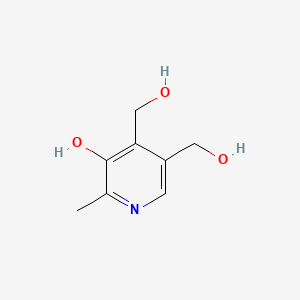
Vitamin B6 (Pyridoxine → PLP)
PLP cofactor for neurotransmitter synthesis; relies on brain PDXK activation
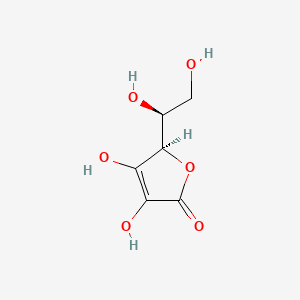
Vitamin C (Ascorbate)
Antioxidant; supports iron absorption; neuronal SVCT2 transport
Iron
Oxygen transport; dopamine synthesis (tyrosine hydroxylase cofactor)

Zinc
Cofactor in neurotransmission and antioxidant enzymes; dopamine modulation
Magnesium
Enzymatic cofactor (>300 reactions); neurotransmitters; mitochondria; redox balance

Selenium
Antioxidant enzyme cofactor (GPx); supports redox balance

Calcium
Bone health; neurotransmission; interacts with vitamin D and K2
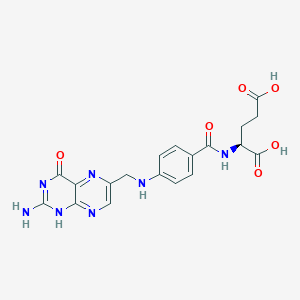
Vitamin B9 (Folate; 5-MTHF)
One-carbon metabolism; methylation; homocysteine recycling
References
- Resistant starch (cooled potatoes, green bananas) supports Bifidobacterium, Akkermansia; ↑ butyrate production; improved gut barrier
- The complex carbohydrate, Resistant Starch, forms when certain starchy foods are cooked and then cooled, a process called retrogradation. Foods like rice and potatoes develop higher resistant starch content when chilled
- White rice was cooled and reheated showing a rise in RS content from 0.64 to 1.65 g/100 g and elicited a lower glycemic response
- B6 (chickpeas, potatoes, bananas, whole grains, soy) is a cofactor in the development of all key neurotransmitters