Lumpfish Roe

Overview
Lumpfish roe is the egg mass of lumpfish (Cyclopterus lumpus), most often sold as salted, dyed “caviar” for canapés and garnishes. It can contribute EPA, DHA, and fish-egg nutrients, but retail products are dominated by added salt and colourings, and long-chain omega-3 levels per 100 g are typically below fresh salmon or trout roe. It fills a budget / occasional garnish niche rather than a high-omega-3 strategy on its own.
Within the BRAIN Diet framework, lumpfish roe is not interchangeable with salmon or trout ikura for nutrient density: treat it as a small-quantity condiment, prioritise label sodium, and prefer salmonid roe when the goal is maximal phospholipid-associated EPA/DHA per gram with lower salt load.
Key Nutritional Highlights
- Lowest typical price point among these three roe pages; widely sold as dyed caviar.
- Sodium is the main limitation — many products are extremely salty per 100 g.
- EPA/DHA are present but usually modest versus salmon/trout roe (estimates here; replace with lab data when available).
- Useful as a flavour accent, not a primary omega-3 “dose food”.
- Ingredient lists often include dyes and stabilisers — read labels if you avoid additives.
Food Context
Synergies
- Pair with unsalted vegetables and whole foods so the meal’s total sodium stays controlled.
Sourcing
- Choose reputable brands with transparent nutrition labels; sodium varies sharply.
- Dyed vs natural appearance is a product-style choice, not a nutrient guarantee.
Preparation
- Use small amounts; rinse is not a reliable way to remove embedded salt from finished caviar.
- Keep chilled; treat like a cured seafood product for food safety.
Essential Amino Acid Profile
This food provides a complete essential amino acid profile typical of animal proteins.
Recipes
Nutrition
Reliable composition data for this preparation are not yet available.
Recorded constituents
Bioactive compounds
| Compound / class | Content | Notes |
|---|---|---|
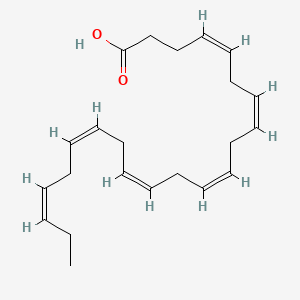
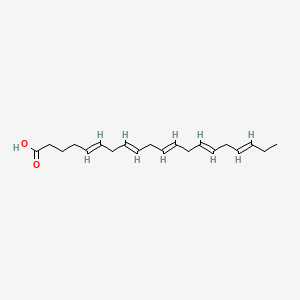
| EPA | Present; amount varies with the product [2] | Commercial lumpfish roe; no whole-food amount assigned. |
| DHA | Present; amount varies with the product [2] | Commercial lumpfish roe; no whole-food amount assigned. |
- EPA, DHA: EPA and DHA are identified in commercial lumpfish roe products. [2]
Substances
3 substances in this food

References
[1] Sodium and formulation for lumpfish caviar are label-dependent; BRAIN Diet emphasis remains on whole-food salmonid roe when maximizing omega-3 quality per unit sodium. Patrick et al. 2019. Role of phosphatidylcholine‐DHA in preventing APOE4‐associated Alzheimer's disease
[2] Comparison of Chemical Composition and Safety Issues in Fish Roe Products (2020)