Kimchi

Overview
Kimchi is a Korean fermented vegetable dish that provides live probiotics, GABA, and postbiotic compounds supporting gut-brain axis communication and neurotransmitter balance.
Within the BRAIN Diet framework, fermented foods such as sauerkraut, kimchi, kefir, miso, and kombucha provide live microbes + postbiotic peptides; improved SCFA pools; vagal signaling.
Food Context
Synergies
- Part of diverse fermented foods rotation
Preparation
- Consume unpasteurized for live probiotics
- Regular but not excessive intake
Recipes
1 recipe containing this food
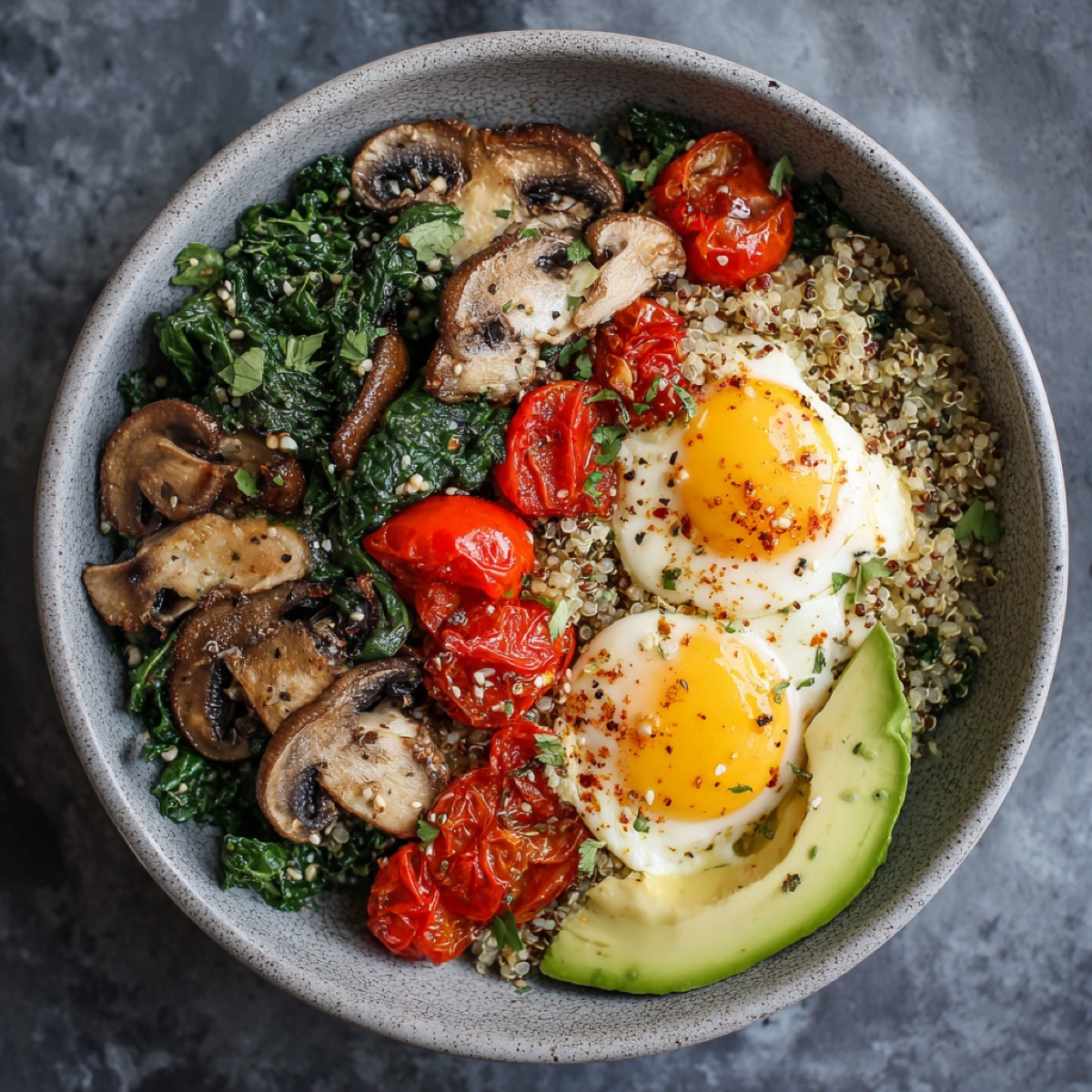
Savoury Greens & Egg Breakfast Skillet
A warm savoury breakfast skillet with eggs, greens, and slow carbohydrates for steady morning energy.
Nutrient Tables (per 100 g)
Selected food and preparation: Cabbage, kimchi. per 100 g edible portion.
Core nutrients
| Nutrient | Amount per 100 g | % reference intake per 100 g |
|---|---|---|
| Energy | 15 kcal | — |
| Protein | 1.1 g | — |
| Total fat | 0.5 g | — |
| Saturated fat | 0.1 g | — |
| Carbohydrates | 2.4 g | — |
| Sugars | 1.1 g | — |
| Fibre | 1.6 g | — |
Key vitamins and minerals
Vitamins and minerals supplying at least 10% of an adult reference intake per 100 g, derived from the composition panel.
| Nutrient | Amount per 100 g | % reference intake per 100 g |
|---|---|---|
| Iron | 2.5 mg | 13.9% |
| Folate | 52 µg | 13% |
| Vitamin B6 | 0.2 mg | 16.4% |
| Vitamin B2 | 0.2 mg | 16.2% |
| Vitamin K | 43.6 µg | 36.3% |
Substances
References
[1] Kimchi and lacto-fermented vegetables deliver live lactic acid bacteria and organic acids. Jakobi et al. 2024. The gut-microbiome in adult Attention-deficit/hyperactivity disorder - A Meta-analysis
[2] Fermented vegetables contribute postbiotic metabolites relevant to gut–brain axis modulation. Antony et al. 2023. Gut microbiome supplementation as therapy for metabolic syndrome