Nori

Overview
Nori is a red seaweed used for sushi sheets and garnishes. The composition table below describes dried, toasted purple laver, rather than fresh seaweed. Its iodine content is concentrated, and the 100 g comparison basis is much larger than a usual portion.
Within the BRAIN Diet framework, while nori may contain variable amounts of vitamin B12 depending on species and processing, it should not be relied upon as a sole B12 source. The seaweed polysaccharides and soluble fibre in nori contribute to gut barrier and microbiome modulation through cumulative, supportive effects.
Food Context
Synergies
- Part of diverse plant food intake strategy
Preparation
- Commonly used in sushi rolls and as a garnish
- Important for iodine intake, especially in plant-based diets
- Folate and iron contributions are context-dependent and work best as part of a varied diet
- Seaweed polysaccharides provide cumulative gut health benefits when consumed regularly
Essential Amino Acid Profile
Nori contribute plant protein. Pair with complementary protein sources (e.g. grains and legumes) for a balanced essential amino acid profile.
Recipes
Nutrient Tables (per 100 g)
Selected food and preparation: Purple laver (Porphyra spp.), dried, toasted. per 100 g edible dried, toasted nori; not a typical serving.
Core nutrients
| Nutrient | Amount per 100 g | % reference intake per 100 g |
|---|---|---|
| Energy | 297 kcal | — |
| Protein | 41.4 g | — |
| Total fat | 3.7 g | — |
| Carbohydrates | 44.3 g | — |
| Fibre | 36 g | — |
Key vitamins and minerals
Vitamins and minerals supplying at least 10% of an adult reference intake per 100 g, derived from the composition panel.
| Nutrient | Amount per 100 g | % reference intake per 100 g |
|---|---|---|
| Iron | 11 mg | 61.1% |
| Zinc | 3.6 mg | 32.7% |
| Magnesium | 300 mg | 71.4% |
| Phosphorus | 700 mg | 100% |
| Manganese | 3.7 mg | 161.7% |
| Selenium | 9 µg | 16.4% |
| Calcium | 280 mg | 28% |
| Potassium | 2400 mg | 70.6% |
| Copper | 0.6 mg | 61.1% |
| Iodine | 2100 µg | 1400% |
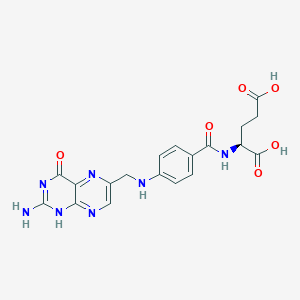
| Folate | 1900 µg | 475% |
| Vitamin B6 | 0.6 mg | 45.4% |
| Vitamin B2 | 2.3 mg | 179.2% |
| Vitamin B1 | 0.7 mg | 57.5% |
| Vitamin B3 | 12 mg | 75% |
| Vitamin B5 | 1.2 mg | 23.6% |
| Vitamin C | 210 mg | 233.3% |
| Vitamin E | 4.6 mg | 30.7% |
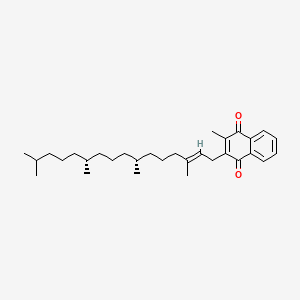
| Vitamin K | 390 µg | 325% |
Bioactive compounds
| Compound / class | Amount per 100 g | Notes |
|---|---|---|
| Carotenoids | Present — quantity not established | — |
- Carotenoids: Nori contains mixed carotenoids; USDA laver records may list individual carotenoids, but the class total is not a USDA field.
Technical provenance
Carotenoids: Nori contains mixed carotenoids; USDA laver records may list individual carotenoids, but the class total is not a USDA field.
Substances
7 substances in this food
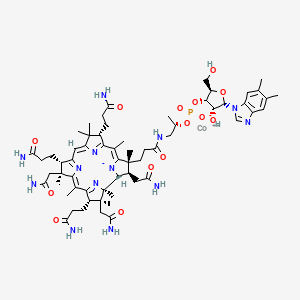
Vitamin B12 (Cobalamin)
Active vitamin B12 is documented in studied roasted nori; amounts vary by product.
References
[1] Seaweed foods may contribute variable vitamin B12 compounds; nori should not be relied on as a sole B12 source. Watanabe et al. 2002. Characterization and Bioavailability of Vitamin B12-Compounds from Edible Algae.
[2] MEXT food 09004: dried, toasted purple laver. Preparation-specific composition source for the nutrition panel.
[3] MEXT Standard Tables of Food Composition in Japan, 2023 supplement, food 09004
[4] Effect of roasted purple laver (nori) on vitamin B12 nutritional status of vegetarians (2024)