Onions

Overview
Onions provide inulin (prebiotic fiber), quercetin (polyphenol), and sulfur compounds that support gut microbiome, antioxidant defenses, and glutathione synthesis. Prebiotic Fibres: Inulin (chicory, onions), GOS (legumes), resistant starch (cooled potatoes, green bananas), pectin (apples).
Within the BRAIN Diet framework, inulin (chicory, onions) supports Bifidobacterium, Akkermansia; ↑ butyrate production; improved gut barrier. Quercetin is abundant in capers, apples, onions, berries, kale and soybeans.
Food Context
Synergies
- Part of diverse prebiotic fiber strategy; prebiotic fibres including inulin (chicory, onions) support Bifidobacterium, Akkermansia; ↑ butyrate production; improved gut barrier
- Pair with other allium vegetables for synergistic effects
Preparation
- Can be consumed raw or cooked; cooking may enhance some compounds
- Sulphur-containing vegetables that provide glutathione precursors (e.g., broccoli, Brussels sprouts, garlic, onions) support antioxidant defenses
Recipes
4 recipes containing this food
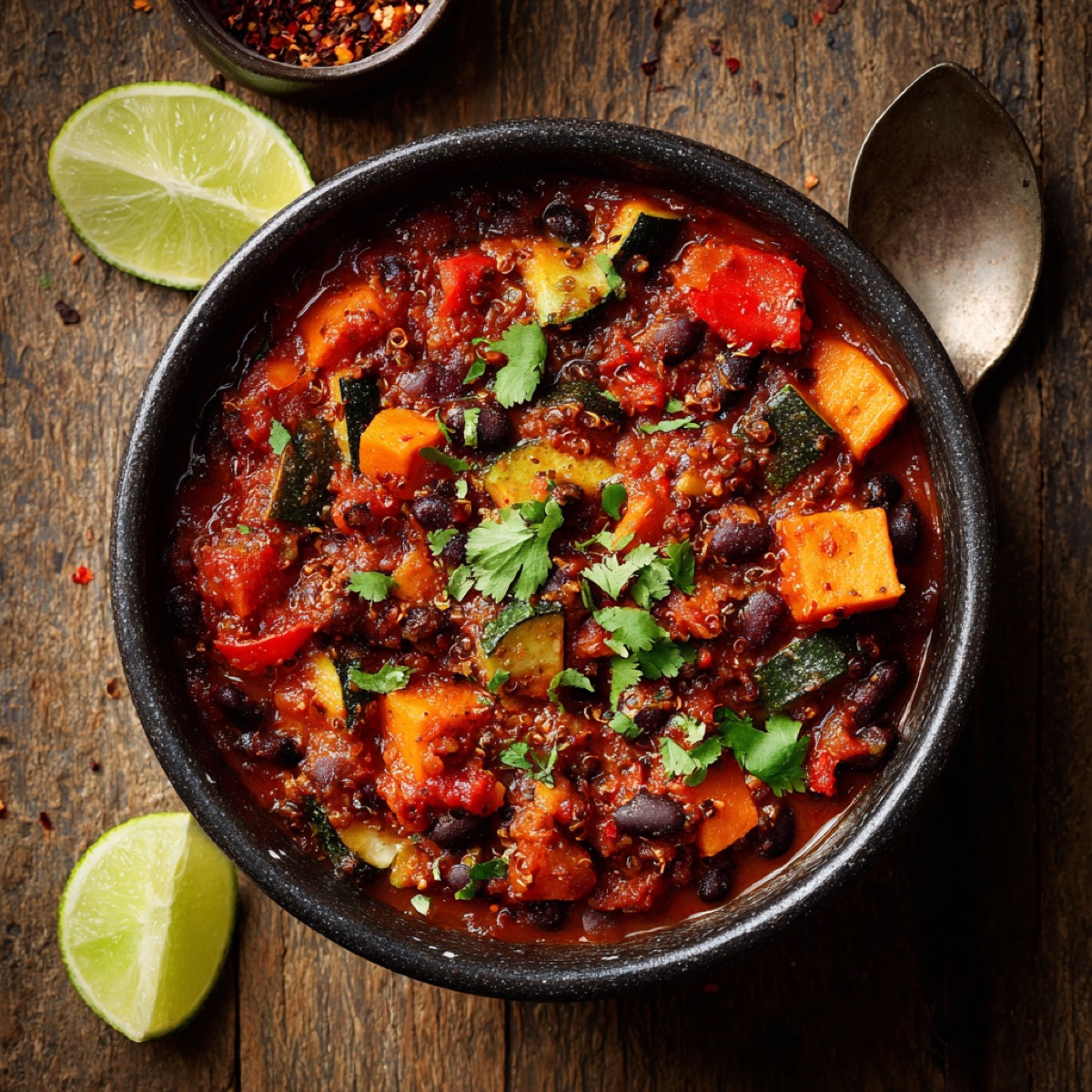
Black Bean & Sweet Potato Vegetable Chilli
A fibre-rich bean and vegetable chilli with warming spices and slow carbohydrates for steady energy and satiety.
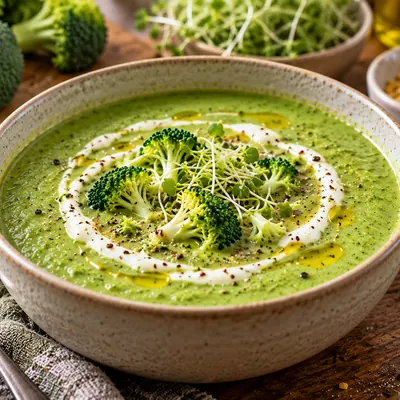
Broccoli, Potato and Onion Soup
A smooth broccoli, potato and onion soup for 4, with the broccoli blended and rested before a short simmer.
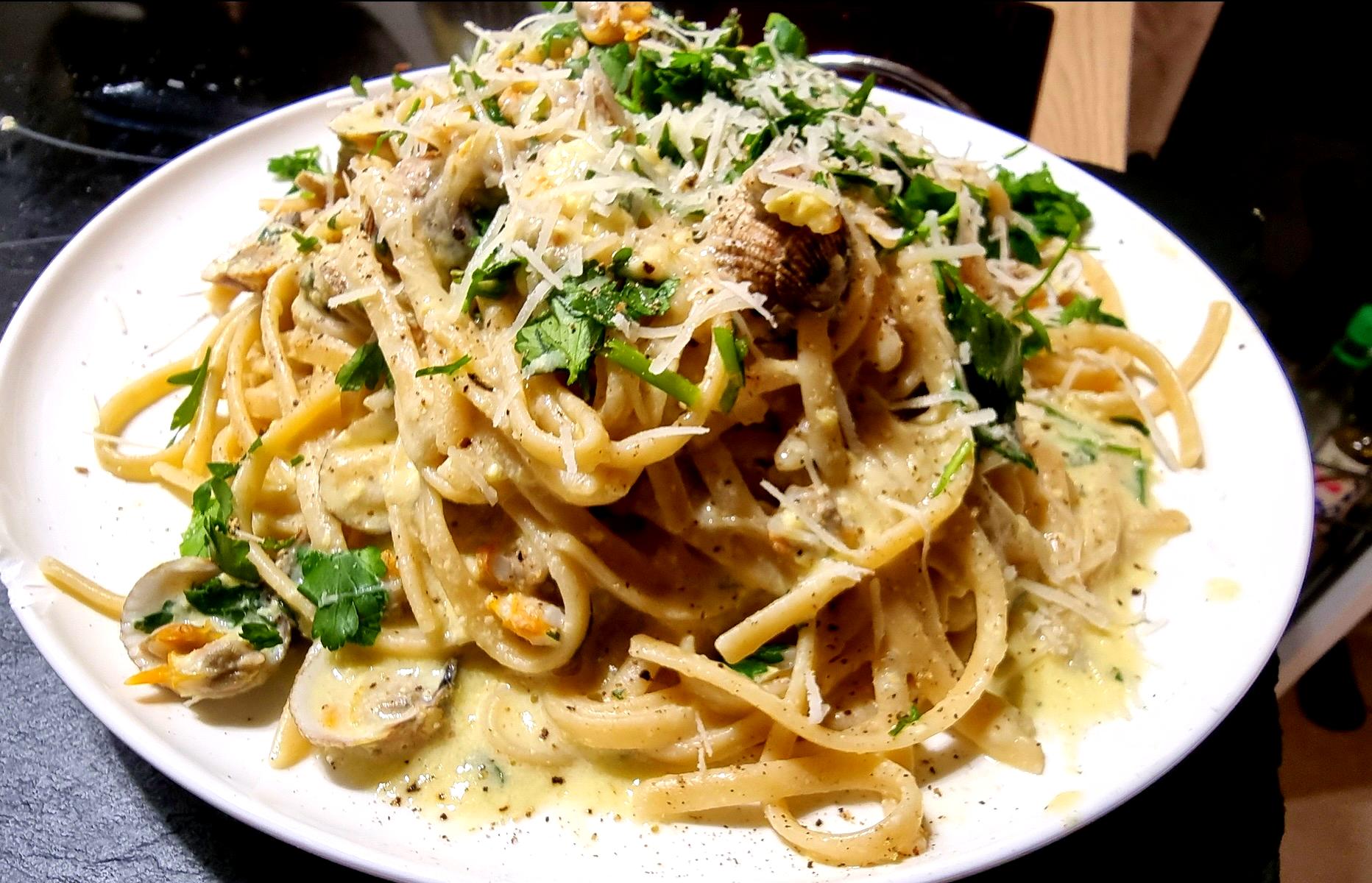
Linguine alle vongole mantecate (Linguine with cockles in a silky emulsified sauce)
Whole-wheat linguine with cockles in a silky emulsified sauce; Italian emulsification technique without cream, supporting taurine, B12, and choline intake.
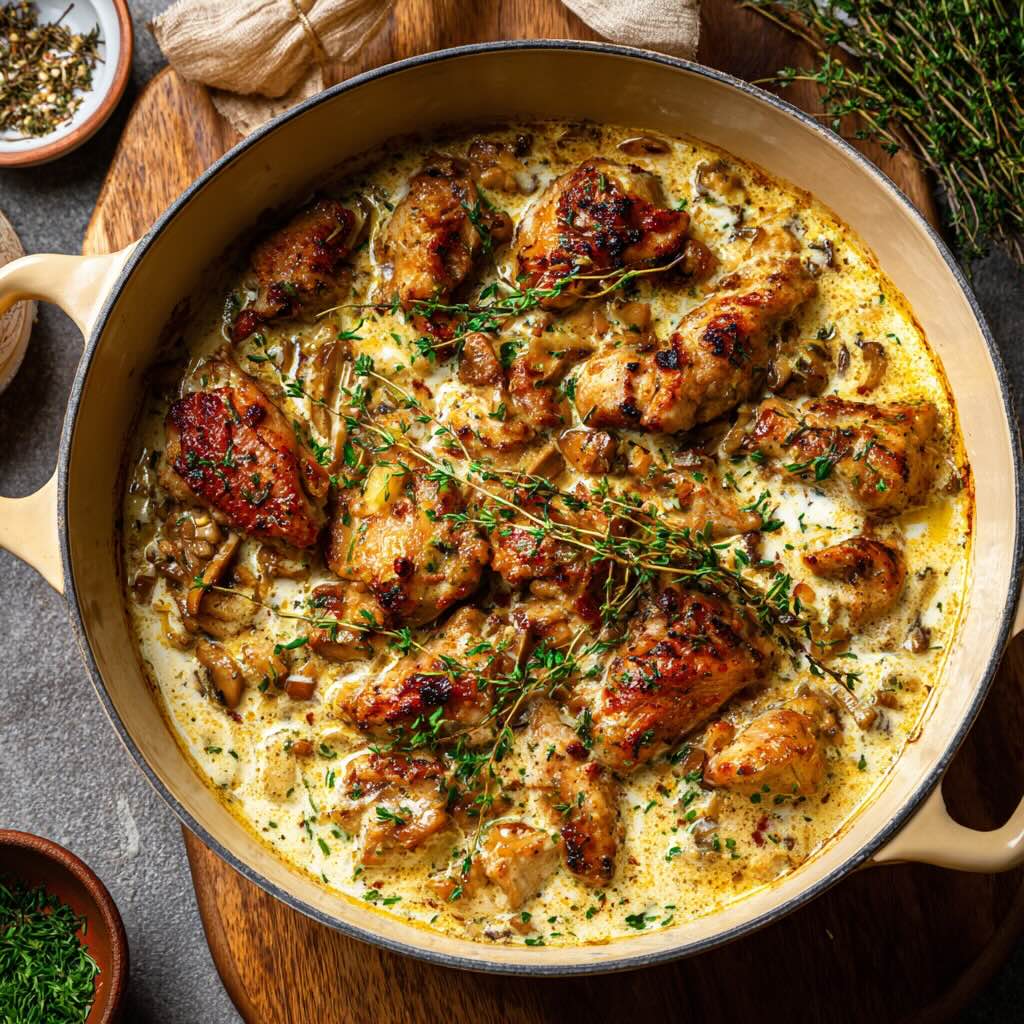
Turkey Wing Stew
A collagen-rich, glycine-heavy slow-cooked stew made from affordable turkey wings — rich in protein, tryptophan, and B vitamins.
Nutrient Tables (per 100 g)
Selected food and preparation: Onions, raw. per 100 g edible portion.
Core nutrients
| Nutrient | Amount per 100 g | % reference intake per 100 g |
|---|---|---|
| Energy | 40 kcal | — |
| Protein | 1.1 g | — |
| Total fat | 0.1 g | — |
| Saturated fat | 0 g | — |
| Carbohydrates | 9.3 g | — |
| Sugars | 4.2 g | — |
| Fibre | 1.7 g | — |
Bioactive compounds
| Compound / class | Amount per 100 g | Notes |
|---|---|---|
| Quercetin | Present — quantity not established | Onions, raw (bulb); NDB 11282 — glycosides / reported aglycone equivalents |
| Kaempferol | Present — quantity not established | — |
- Quercetin: USDA flavonoid database, Release 3.3; the studied food form is shown beside each constituent. Glycoside-derived records do not establish free-aglycone amounts.
- Kaempferol: Dabeek and Marra 2019 supports this qualitative constituent record. See technical provenance for food form and measurement details.
Technical provenance
Quercetin: USDA flavonoid database Release 3.3 (2018); Printed page 81; Onions, raw (bulb); NDB 11282. Positive mean in the named food row, not an assumed association from database title. No free-aglycone mass inferred.
Kaempferol: Dabeek and Marra 2019 compile Phenol-Explorer and USDA flavonoid values showing kaempferol in Onions; a single defensible per-100 g value is not taken from the abbreviated USDA nutrient panel.
Substances
3 substances in this food
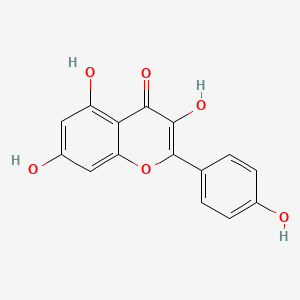
Kaempferol
Dietary flavonol in leafy greens, herbs, tea and some fruits; studied as a food constituent and as an isolated hormetic/senolytic agent.
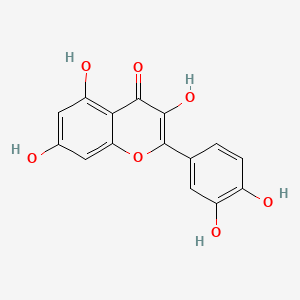
Quercetin (and Isoquercetin)
USDA’s flavonoid database identifies quercetin-derived glycosides in onions, raw (bulb). A separate amount for this page is not established. This does not establish free-aglycone content.
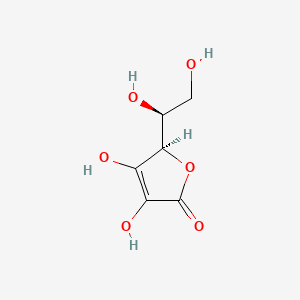
Vitamin C (Ascorbate)
USDA FoodData Central reports vitamin C in Onions, raw.
References
[1] Onions supply organosulfur compounds and quercetin glycosides with antioxidant relevance. Nicastro et al. 2015. Garlic and onions: their cancer prevention properties
[2] Quercetin from alliums is studied for anti-inflammatory and cardiovascular mechanisms. Davis et al. 2009. Quercetin increases brain and muscle mitochondrial biogenesis and exercise tolerance