Tuna
Overview
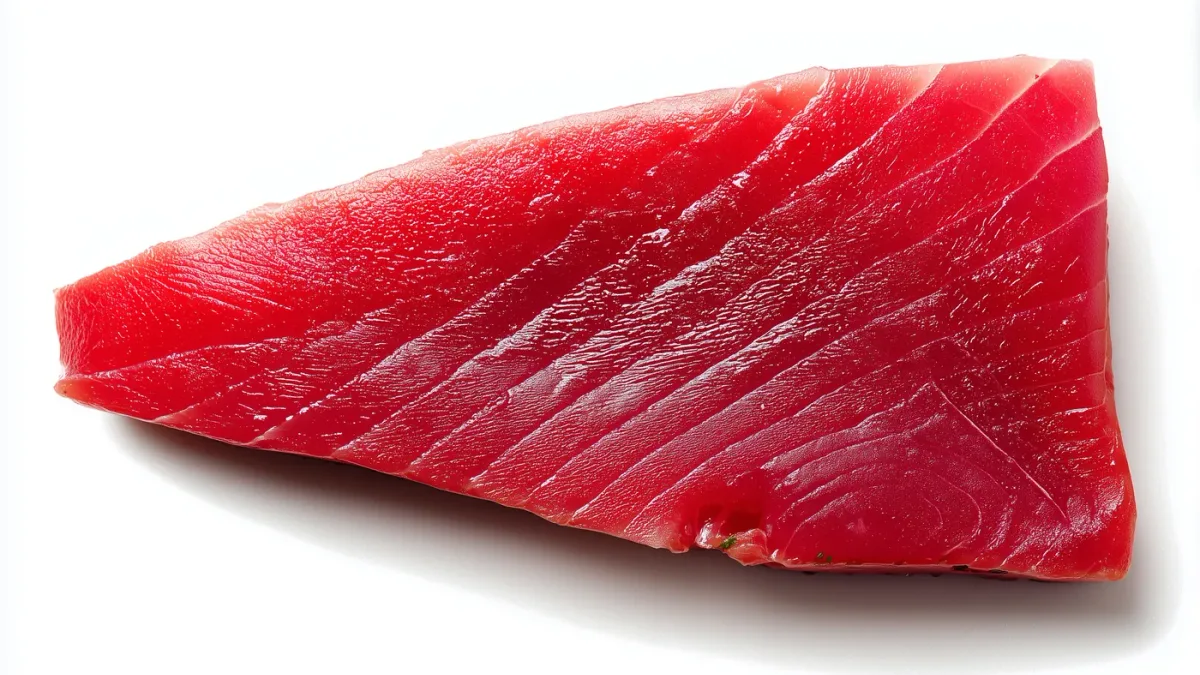
Tuna is a lean fish providing omega-3 fatty acids (primarily EPA and DHA), vitamin B3 (niacin), selenium, and highly digestible protein. Marine long-chain omega-3s are a constituent of tuna flesh; reviews of those fatty acids in brain development and function provide constituent-level context rather than a tuna feeding trial [1]. Compared with oily fish such as salmon or mackerel, tuna is lower in total fat but still contributes marine omega-3s and micronutrients in relatively low-calorie portions.
Within the BRAIN Diet framework, tuna is used as one component of a broader fish rotation rather than the sole marine protein source. Niacin-rich foods such as tuna contribute to NAD⁺-dependent metabolic pathways, while selenium participates in glutathione peroxidase and other antioxidant enzymes. Because larger tuna species can accumulate higher levels of mercury, emphasis is placed on choosing lower-trophic species and moderating frequency within an overall pattern that includes smaller oily fish like sardines and herring.
Key Nutritional Highlights
- Highest protein among BRAIN Diet fish and seafood pages (per 100 g).
- Provides complete, highly digestible protein.
- Commonly contributes selenium, iodine, and vitamin B12, though levels vary by species.
- EPA/DHA content is highly species-dependent; oily fish are usually higher than lean fish or shellfish.
- Often lower in saturated fat than many fatty red-meat patterns when minimally processed.
- Nutritional profile and risk context depend on processing method (fresh vs salted/smoked/cured).
Advanced Nutrition
Amino acids
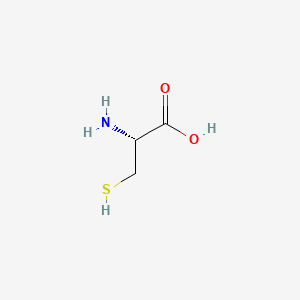
Tuna supplies cystine, which contributes to cysteine availability. This raw bluefin contains 250 mg per 100 g, about 213 mg in 85 g (3 oz). On that raw weight it is a relatively rich cystine source.
Food-composition values are representative, not fixed. Variety, preparation and source can change the amount.
Food Context
Sourcing
- Prefer smaller tuna species (such as skipjack) and products from fisheries with transparent sustainability and contaminant monitoring, as larger predatory tuna tend to accumulate more mercury.
- When using canned tuna, choose products packed in water or high-quality oils without excessive sodium or additives.
Preparation
- Use gentle cooking methods (light searing, baking, steaming) to preserve moisture and omega-3 content; avoid repeated deep-frying or heavy charring.
- Incorporate tuna into meals that also contain vegetables and whole grains, so it contributes lean protein, niacin, and selenium within a balanced plate rather than dominating total dietary fish intake.
Essential Amino Acid Profile
This food provides a complete essential amino acid profile typical of animal proteins, with high digestibility and bioavailability.
Recipes
Nutrient Tables (per 100 g)
Selected food and preparation: Fish, tuna, fresh, bluefin, raw. per 100 g edible portion.
Core nutrients
| Nutrient | Amount per 100 g | % reference intake per 100 g |
|---|---|---|
| Energy | 144 kcal | — |
| Protein | 23.3 g | — |
| Total fat | 4.9 g | — |
| Saturated fat | 1.3 g | — |
Key vitamins and minerals
Vitamins and minerals supplying at least 10% of an adult reference intake per 100 g, derived from the composition panel.
| Nutrient | Amount per 100 g | % reference intake per 100 g |
|---|---|---|
| Magnesium | 50 mg | 11.9% |
| Phosphorus | 254 mg | 36.3% |
| Selenium | 36.5 µg | 66.4% |
| Choline | 65 mg | 11.8% |
| Vitamin B12 | 9.4 µg | 392.9% |
| Vitamin B6 | 0.5 mg | 35% |
| Vitamin B2 | 0.3 mg | 19.3% |
| Vitamin B1 | 0.2 mg | 20.1% |
| Vitamin B3 | 8.7 mg | 54.1% |
| Vitamin B5 | 1.1 mg | 21.1% |
| Vitamin A | 655 µg | 72.8% |
| Vitamin D | 5.7 µg | 38% |
Bioactive compounds
Content applies to the food and preparation identified in the source notes.
| Compound / class | Amount per 100 g | Notes |
|---|---|---|
| EPA | 283 mg | — |
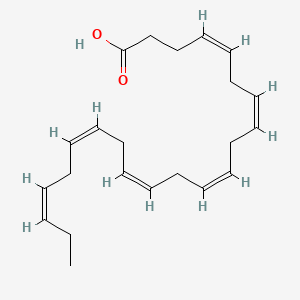
| DHA | 890 mg | — |
Substances
8 substances in this food
Cysteine
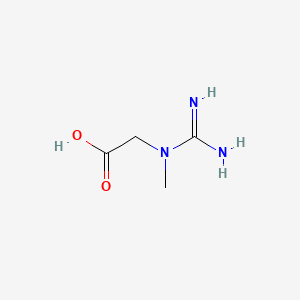
Cystine 250 mg per 100 g of Fish, tuna, fresh, bluefin, raw (FDC 173706). An 85 g (3 oz) portion is about 213 mg. Composition only; not a glutathione-synthesis result.
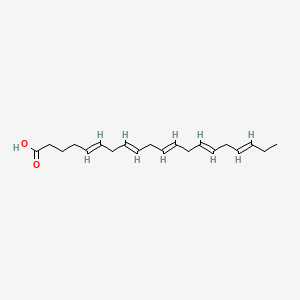
DHA (Docosahexaenoic Acid)
USDA FoodData Central reports DHA in Fish, tuna, fresh, bluefin, raw.
EPA (Eicosapentaenoic Acid)
USDA FoodData Central reports EPA in Fish, tuna, fresh, bluefin, raw.
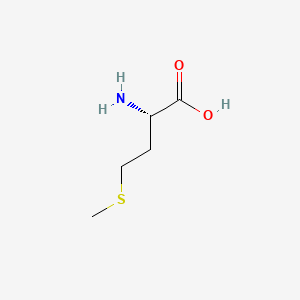
Methionine
USDA FoodData Central reports methionine 0.69 g per 100 g in Fish, tuna, fresh, bluefin, raw (FDC 173706). Composition only; this does not establish a PM-specific dietary efficacy claim.
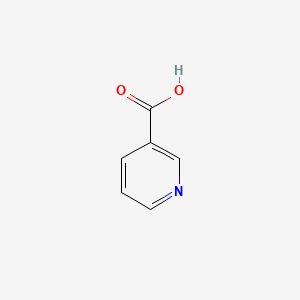
Vitamin B3 (Niacin)
USDA FoodData Central reports vitamin B3 in Fish, tuna, fresh, bluefin, raw.

Omega-3 Fatty Acids
USDA FoodData Central reports EPA, DHA, total omega-3 in Fish, tuna, fresh, bluefin, raw. This class link does not treat a combined total as EPA, DHA or ALA.
References
[1] McNamara & Carlson (2006). Omega-3 fatty acids in brain development, function, and psychopathology. Constituent-level review of long-chain omega-3 fatty acids in brain development and function; not a tuna feeding trial.