Wheat Germ

Photo source: Holland & Barrett.
Overview
Wheat germ is the embryo fraction of the wheat kernel, commonly sprinkled into breakfast bowls or added to baking. It contains spermidine, a polyamine measured at relatively high levels in the wheat-germ samples examined in a food-composition study [3].
It is a concentrated ingredient rather than a staple meal base. Whole wheat germ, wheat-germ oil and spermidine-rich extracts are different products; evidence from an extract cannot be assumed to apply to a spoonful of the food.
Food Context
Preparation
Use the germ itself when the intended ingredient is wheat germ; oil and concentrated extracts have different composition. Add it to porridge, yoghurt or baking, following the product’s storage instructions.
Essential Amino Acid Profile
Wheat Germ provides a useful plant protein source but is not a complete protein.
Notable amino acids:
- Methionine (relatively higher than in legumes)
Limiting amino acids:
- Lysine (typical of grains)
Protein pairing strategy:
Grains such as wheat germ are relatively higher in methionine but lysine-limited. Combining with legumes (e.g. lentils, chickpeas) creates a more balanced essential amino acid profile.
Recipes
Nutrient Tables (per 100 g)
Selected food and preparation: Wheat germ, crude. per 100 g edible portion.
Core nutrients
| Nutrient | Amount per 100 g | % reference intake per 100 g |
|---|---|---|
| Energy | 360 kcal | — |
| Protein | 23.2 g | — |
| Total fat | 9.7 g | — |
| Saturated fat | 1.7 g | — |
| Carbohydrates | 51.8 g | — |
| Fibre | 13.2 g | — |
Key vitamins and minerals
Vitamins and minerals supplying at least 10% of an adult reference intake per 100 g, derived from the composition panel.
| Nutrient | Amount per 100 g | % reference intake per 100 g |
|---|---|---|
| Iron | 6.3 mg | 34.8% |
| Zinc | 12.3 mg | 111.7% |
| Magnesium | 239 mg | 56.9% |
| Phosphorus | 842 mg | 120.3% |
| Manganese | 13.3 mg | 578.3% |
| Selenium | 79.2 µg | 144% |
| Potassium | 892 mg | 26.2% |
| Copper | 0.8 mg | 88.4% |
| Folate | 281 µg | 70.3% |
| Vitamin B6 | 1.3 mg | 100% |
| Vitamin B2 | 0.5 mg | 38.4% |
| Vitamin B1 | 1.9 mg | 156.8% |
| Vitamin B3 | 6.8 mg | 42.6% |
| Vitamin B5 | 2.3 mg | 45.1% |
Bioactive compounds
| Compound / class | Amount per 100 g | Notes |
|---|---|---|
| Spermidine | Present — quantity not established [5] | Measured food occurrence; content varies by sample and preparation. |
| Betaine | 410 mg/100 g in toasted wheat germ | — |
- Spermidine: Esparza et al. (2021) supports this qualitative constituent record. See technical provenance for food form and measurement details. [5]
- Betaine: Patterson et al. (2008) supports this qualitative constituent record. See technical provenance for food form and measurement details.
Technical provenance
Spermidine: Muñoz-Esparza et al. (2021), §3.1 and Figures 3–5: Wheat Germ is identified as a spermidine-containing food. The selected USDA panel does not quantify this analyte. A comparable product-specific per-100 g value is not established here. https://doi.org/10.3390/foods10081752 [5]
Betaine: Patterson et al. (2008): cereals ready-to-eat, wheat germ, toasted, plain (NDB 08084), 410 mg betaine per 100 g. This page records crude wheat germ (FDC 168892), which was not that assayed form. An earlier figure near 1,240 mg per 100 g was later corrected downward.
Substances
4 substances in this food
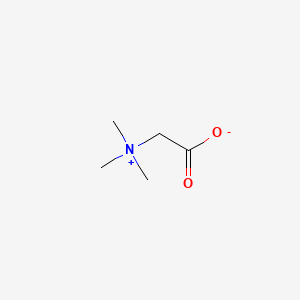
Betaine
Present in wheat germ. The corrected assay is toasted wheat germ, 410 mg per 100 g, not this crude panel.
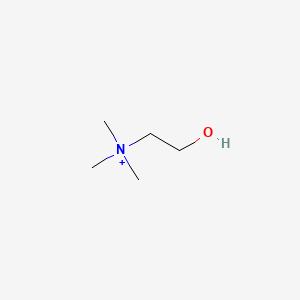
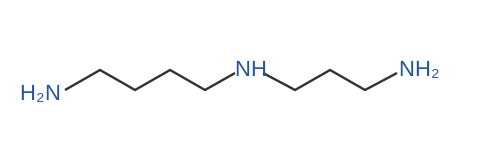
Spermidine
Occurs directly in this food; a product-specific amount is not established.
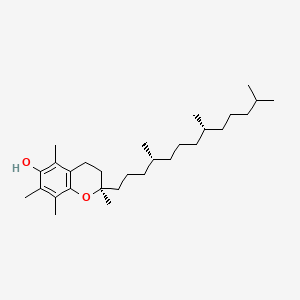
Vitamin E (Tocopherols/Tocotrienols)
Vitamin E is documented in toasted wheat germ; content depends on preparation.
References
[1] Derbyshire & Maes (2023). Choline as a practical nutrient target in dietary patterns. Background evidence retained for the choline relationship.
[2] Packer et al. (1997). Vitamin E antioxidant network context. Background evidence retained for the vitamin E relationship.
[3] Muñoz-Esparza et al. (2021). Occurrence of Polyamines in Foods and the Influence of Cooking Processes. Analytical evidence for spermidine occurrence; food type and preparation affect composition.
[4] USDA FoodData Central, Cereals ready-to-eat, wheat germ, toasted, plain (FDC 173896)