Cabbage
Overview
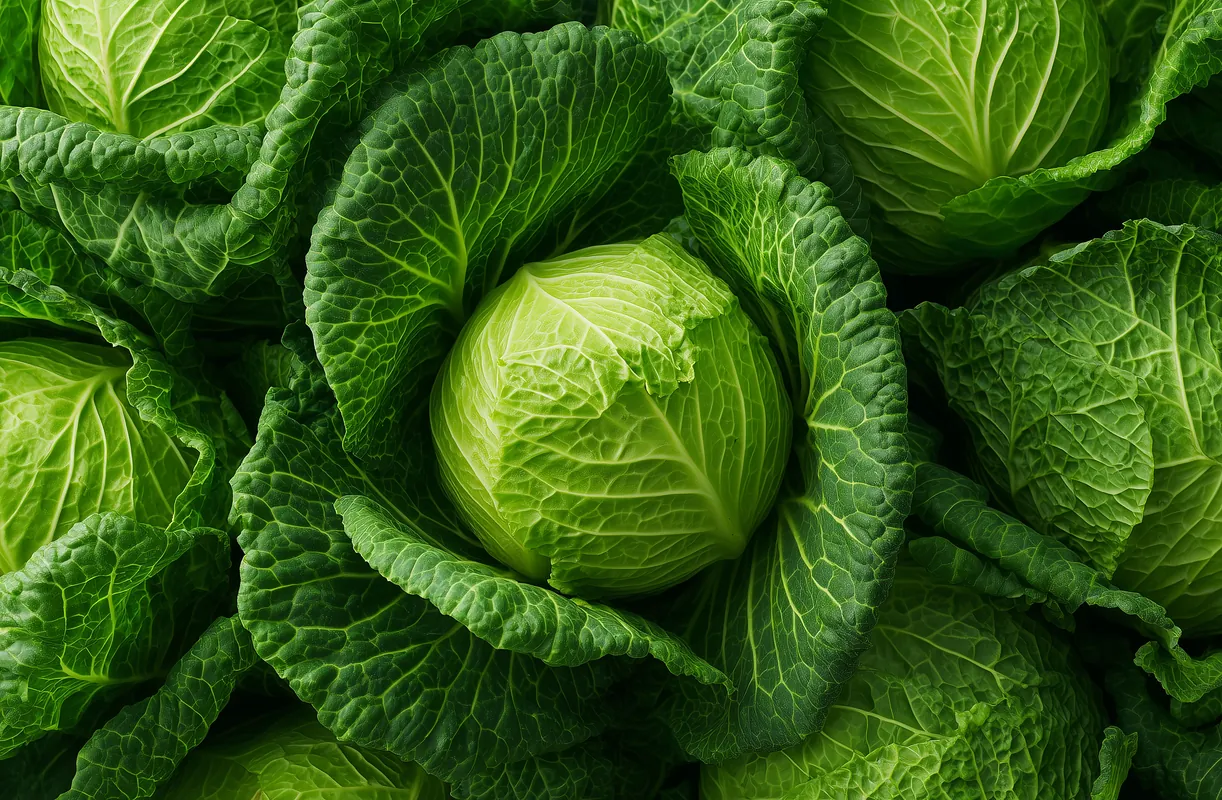
Cabbage is a cruciferous vegetable providing glucosinolates, vitamin C, folate, and fibre at very low energy density [1]. Fermented cabbage (sauerkraut) delivers Lactobacillus-rich fermented vegetable matrices supporting gut microbiome diversity as part of fermented-food patterns [2].
Within the BRAIN Diet framework, cabbage is useful fresh or fermented: fresh for crucifer phytonutrients and vitamin C; fermented for probiotic-adjacent dietary patterns where food-derived bioactives modulate gut microbiota
Key Nutritional Highlights
- Crucifer glucosinolate/isothiocyanate pathways linked to Nrf2 biology [1].
- Very low energy density (~25 kcal per 100 g) with vitamin C and fibre.
- Fermented forms (sauerkraut) support fermented-vegetable diversity for gut microbiota modulation [2].
- Raw, lightly cooked, or fermented preparations preserve different bioactive fractions.
Food Context
Synergies
- Part of diverse vegetable intake
Preparation
- Can be consumed fresh or fermented
- Fermentation (sauerkraut) provides probiotics
- Supports gut health
Recipes
Nutrient Tables (per 100 g)
Selected food and preparation: Cabbage, raw. per 100 g edible portion.
Core nutrients
| Nutrient | Amount per 100 g | % reference intake per 100 g |
|---|---|---|
| Energy | 25 kcal | — |
| Protein | 1.3 g | — |
| Total fat | 0.1 g | — |
| Saturated fat | 0 g | — |
| Carbohydrates | 5.8 g | — |
| Sugars | 3.2 g | — |
| Fibre | 2.5 g | — |
Key vitamins and minerals
Vitamins and minerals supplying at least 10% of an adult reference intake per 100 g, derived from the composition panel.
| Nutrient | Amount per 100 g | % reference intake per 100 g |
|---|---|---|
| Folate | 43 µg | 10.8% |
| Vitamin C | 36.6 mg | 40.7% |
| Vitamin K | 76 µg | 63.3% |
Substances
2 substances in this food
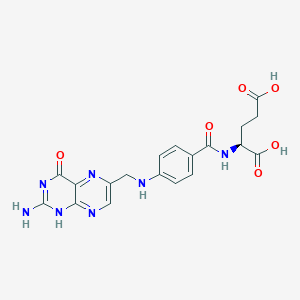
Vitamin B9 (Folate)
USDA FoodData Central reports folate in Cabbage, raw. The recorded analyte is folate.
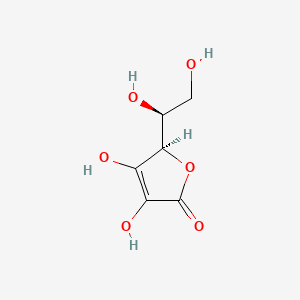
Vitamin C (Ascorbate)
USDA FoodData Central reports vitamin C in Cabbage, raw.
References
[1] Crucifer glucosinolate/isothiocyanate pathways linked to Nrf2 biology. Houghton & Fassett 2016. Sulforaphane and Other Nutrigenomic Nrf2 Activators: Can the Clinician’s Expectation Be Matched by the Reality?
[2] Fermented forms (sauerkraut) support fermented-vegetable diversity for gut microbiota modulation. Yeo et al. 2023. Influence of food-derived bioactives on gut microbiota compositions and their metabolites by focusing on neurotransmitters