Vitamin B5 (Pantothenic Acid)
Overview
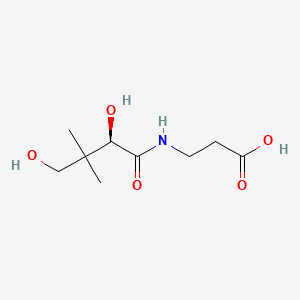
Vitamin B5, also known as pantothenic acid, is a water-soluble vitamin that is essential for the synthesis of coenzyme A (CoA). CoA is required for numerous metabolic processes including β-oxidation of fatty acids and TCA cycle acetyl-CoA flux, both of which are critical for ATP production. CoA is also essential for pyruvate dehydrogenase (PDH) function, linking glycolysis to the TCA cycle. Pantothenic acid deficiency impairs fatty acid oxidation and ATP production, potentially affecting brain energy levels and overall metabolic function.
Recipes
2 recipes containing this substance

Creamed Corn on Roasted Sweet Potato
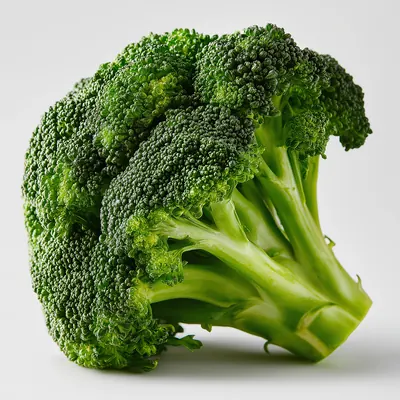
Roasted sweet potato with creamed corn and a mixed lipid phase to enhance carotenoid absorption; served with broccoli for fibre and glucosinolates.

Turmeric Milk
A warming drink combining turmeric (curcumin) with milk/fat for enhanced curcumin absorption
Foods

Biological Mechanisms and Implications
| Biological Target | Therapeutic Areas | Mechanism of Action |
|---|
References
- Pantothenic acid (B5) is essential for CoA and PDH function, which are necessary for TCA cycle energy generation; deficiency impairs fatty acid oxidation and ATP production, potentially affecting brain energy levels
- CoA is essential for pyruvate dehydrogenase (PDH) function, linking glycolysis to the TCA cycle; deficiency impairs ATP generation, directly impacting brain energy metabolism