Turkey

Overview
Turkey provides amino acids including tryptophan (a serotonin precursor) together with niacin (vitamin B3), supporting mood-related pathways and mitochondrial energy production. Tryptophan can also be routed through the kynurenine pathway toward NAD⁺ synthesis, while niacin supports NAD⁺ availability via the salvage pathway. Turkey is also commonly used as a higher-tyrosine animal food in breakfast contexts to support catecholamine neurotransmitter synthesis.
Within the BRAIN Diet framework, turkey can be used as a pragmatic way to support niacin intake and amino-acid availability while keeping meals plant-forward via vegetable- and legume-based sides. Carbohydrate co-consumption can influence amino-acid competition at transporters (Trp:LNAA ratio); this is meal-pattern evidence, not a turkey feeding trial [1]. Gentler cooking helps limit heat-derived compounds while maintaining palatability.
Key Nutritional Highlights
- Highest protein among BRAIN Diet meat and organ pages (per 100 g).
- Provides a complete, highly digestible protein source.
- Typically contributes B vitamins and selenium with lower heme-iron density than red meat.
- Usually lower in saturated fat than many fatty red-meat cuts when skin and visible fat are limited.
- Contains no dietary fibre, so meals are usually more balanced with vegetables, legumes, or whole grains.
- Processing level matters: minimally processed cuts differ from cured or deli-style products.
Food Context
Synergies
- Pair with complex carbohydrates to enhance tryptophan-to-serotonin conversion; pair tryptophan-rich proteins with moderate carbs to increase Trp:LNAA ratio
- Best consumed midday or evening for calming effect; timing midday or evening for calming effect
- High-tyrosine protein (eggs, tofu, turkey) for morning meals to support dopamine synthesis
Preparation
- Gentle cooking preserves tryptophan and prevents formation of advanced glycation end products (AGEs)
Essential Amino Acid Profile
This food provides a complete essential amino acid profile typical of animal proteins.
Notable amino acids:
- Tryptophan
Recipes
1 recipe containing this food
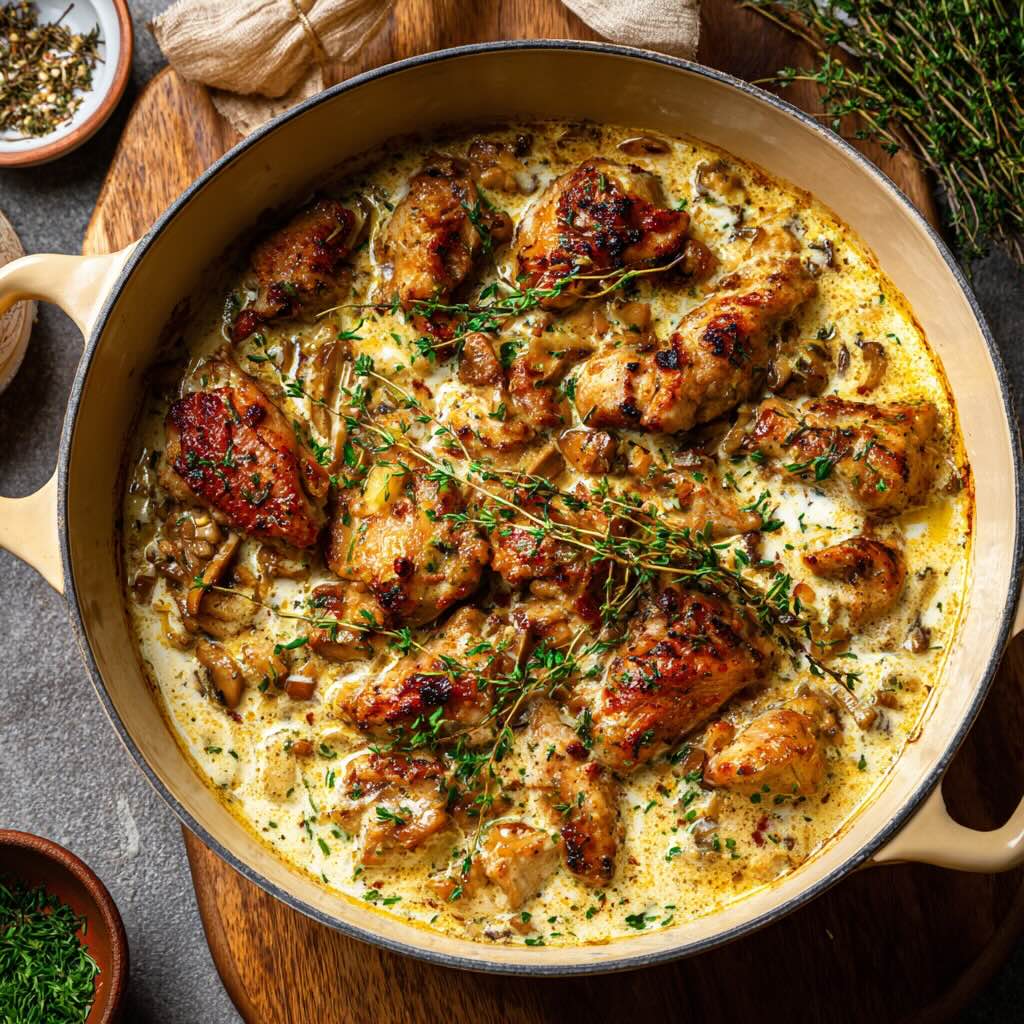
Turkey Wing Stew
A collagen-rich, glycine-heavy slow-cooked stew made from affordable turkey wings — rich in protein, tryptophan, and B vitamins.
Nutrient Tables (per 100 g)
Selected food and preparation: Turkey, whole, meat only, raw. per 100 g edible portion.
Core nutrients
| Nutrient | Amount per 100 g | % reference intake per 100 g |
|---|---|---|
| Energy | 115 kcal | — |
| Protein | 22.6 g | — |
| Total fat | 1.9 g | — |
| Saturated fat | 0.5 g | — |
| Carbohydrates | 0.1 g | — |
| Sugars | 0.1 g | — |
Key vitamins and minerals
Vitamins and minerals supplying at least 10% of an adult reference intake per 100 g, derived from the composition panel.
| Nutrient | Amount per 100 g | % reference intake per 100 g |
|---|---|---|
| Zinc | 1.8 mg | 16.7% |
| Phosphorus | 190 mg | 27.1% |
| Selenium | 22.6 µg | 41.1% |
| Choline | 60.2 mg | 10.9% |
| Vitamin B12 | 1.2 µg | 51.7% |
| Vitamin B6 | 0.7 mg | 50.2% |
| Vitamin B2 | 0.2 mg | 14.8% |
| Vitamin B3 | 8.1 mg | 50.6% |
| Vitamin B5 | 0.8 mg | 16.9% |
Substances
5 substances in this food
Selenium
USDA FoodData Central reports selenium in Turkey, whole, meat only, raw.
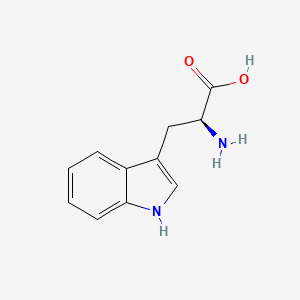
Tryptophan
USDA FoodData Central reports tryptophan in Turkey, whole, meat only, raw.
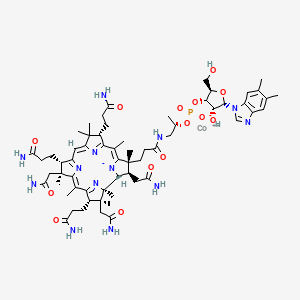
Vitamin B12 (Cobalamin)
USDA FoodData Central reports vitamin B12 in Turkey, whole, meat only, raw.
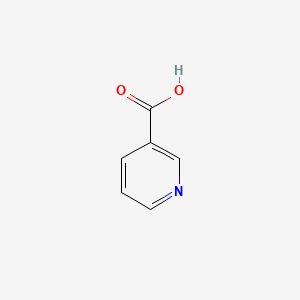
Vitamin B3 (Niacin)
USDA FoodData Central reports vitamin B3 in Turkey, whole, meat only, raw.
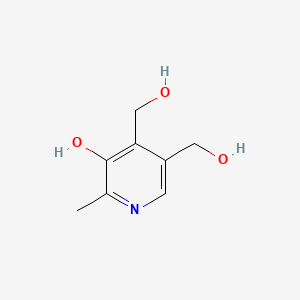
Vitamin B6 (Pyridoxine → PLP)
USDA FoodData Central reports vitamin B6 in Turkey, whole, meat only, raw.
References
[1] Fernstrom et al. (2013). Large neutral amino acids and brain neurochemistry. Meal-pattern evidence: large-neutral-amino-acid balance affects tryptophan uptake into the brain; not a turkey feeding trial.