Carrots
Overview
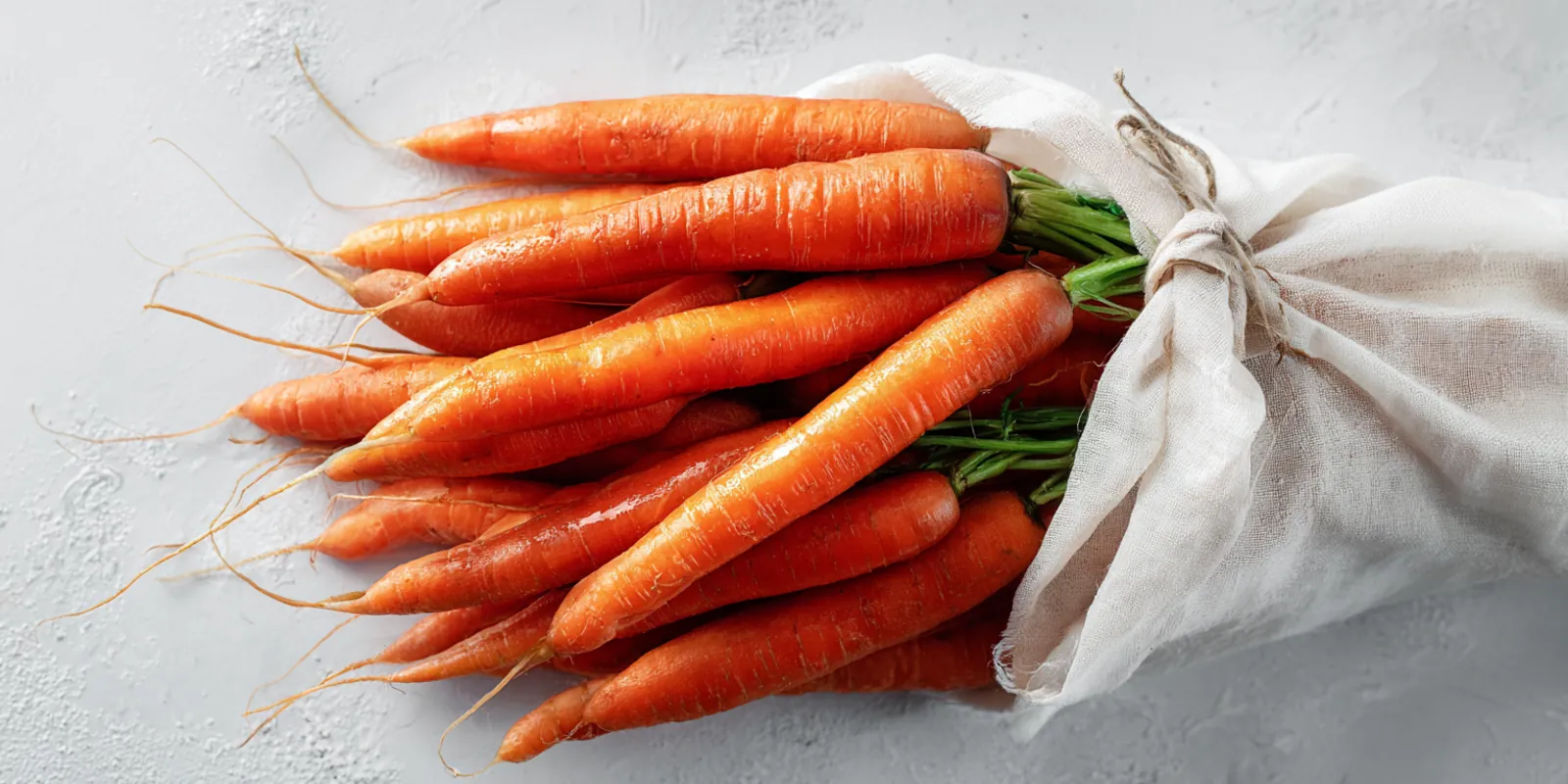
Carrots provide beta-carotene and other carotenoids at low energy density; carotenoid bioaccessibility from raw vegetables is limited and improved by cooking and co-ingested fat [2]. Carotenoids such as lutein and zeaxanthin are discussed in visual and cognitive research at the constituent level rather than as carrot-feeding evidence [3].
Within the BRAIN Diet framework, carrots are a carotenoid vegetable best used with a small amount of unsaturated fat in mixed meals to support absorption.
Key Nutritional Highlights
- Beta-carotene-rich root vegetable; bioaccessibility increases with cooking and fat co-ingestion [2].
- Lutein and zeaxanthin have constituent-level visual and cognitive literature; that is not a carrot trial [3].
- Low energy density with meaningful fibre per 100 g.
- Pair with olive oil, avocado, or other fats in salads and cooked dishes [1,2].
Food Context
Synergies
- Cooking and fat pairing enhance beta-carotene absorption; co-consuming a small amount of unsaturated fat improves micelle formation and chylomicron packaging, increasing carotenoid and fat-soluble vitamin absorption
- Pair with fat (tahini, olive oil, avocado) for optimal absorption; practical pairings: carrots + tahini
- Part of diverse vegetable intake; dietary diversity (≥30 plant foods per week) supports microbial richness and resilience
Preparation
- Supports carotenoid diversity; carotenoids play a neuroprotective role through their antioxidant and anti-inflammatory properties
Recipes
2 recipes containing this food
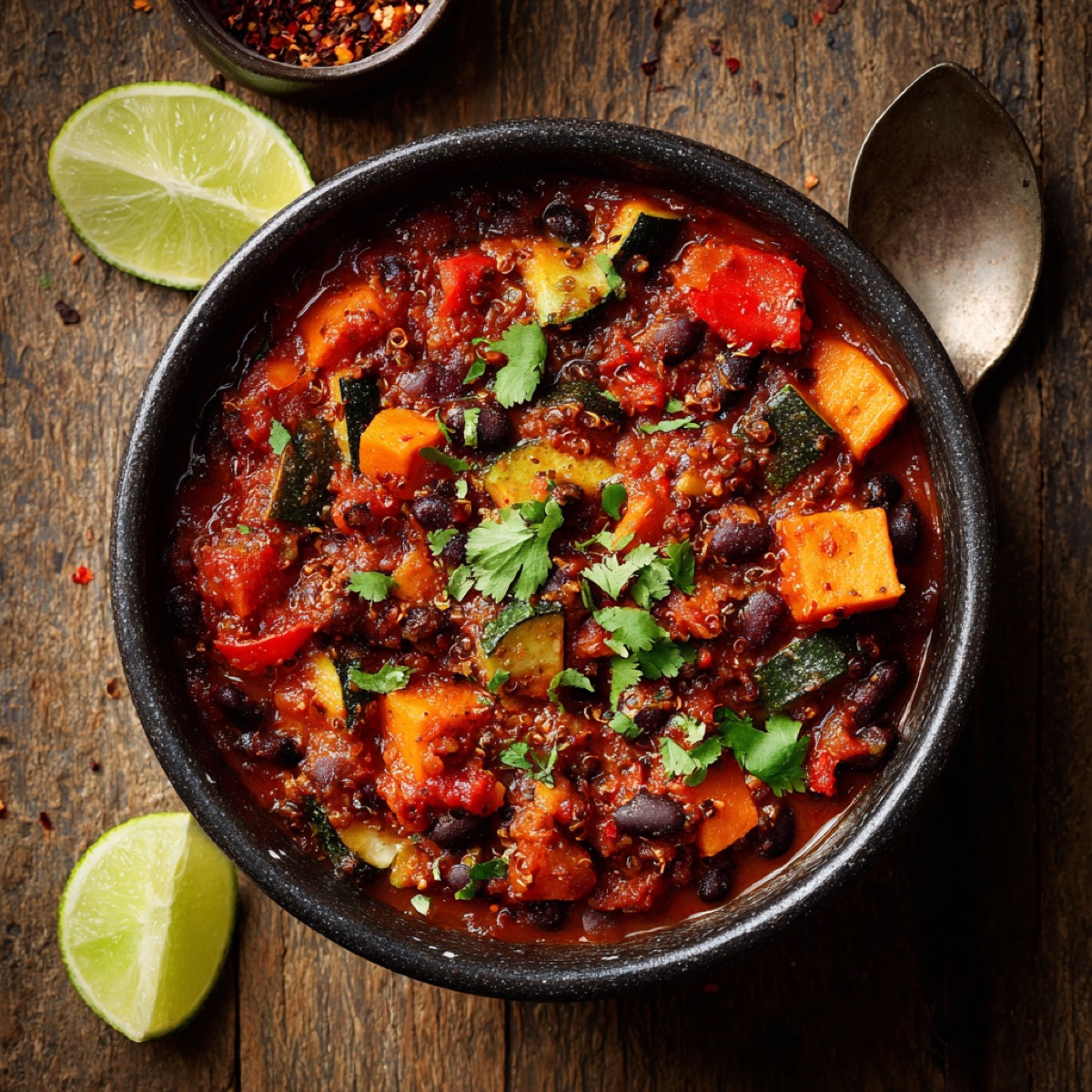
Black Bean & Sweet Potato Vegetable Chilli
A fibre-rich bean and vegetable chilli with warming spices and slow carbohydrates for steady energy and satiety.

Turkey Wing Stew
A collagen-rich, glycine-heavy slow-cooked stew made from affordable turkey wings — rich in protein, tryptophan, and B vitamins.
Nutrient Tables (per 100 g)
Selected food and preparation: Carrots, raw. per 100 g edible portion.
Core nutrients
| Nutrient | Amount per 100 g | % reference intake per 100 g |
|---|---|---|
| Energy | 41 kcal | — |
| Protein | 0.9 g | — |
| Total fat | 0.2 g | — |
| Saturated fat | 0 g | — |
| Carbohydrates | 9.6 g | — |
| Sugars | 4.7 g | — |
| Fibre | 2.8 g | — |
Key vitamins and minerals
Vitamins and minerals supplying at least 10% of an adult reference intake per 100 g, derived from the composition panel.
| Nutrient | Amount per 100 g | % reference intake per 100 g |
|---|---|---|
| Vitamin B6 | 0.1 mg | 10.6% |
| Vitamin A | 835 µg | 92.8% |
| Vitamin K | 13.2 µg | 11% |
Bioactive compounds
Content applies to the food and preparation identified in the source notes.
| Compound / class | Amount per 100 g | Notes |
|---|---|---|
| Beta-Carotene | 8285 µg | — |
Substances
2 substances in this food
Potassium
USDA FoodData Central reports potassium in Carrots, raw.
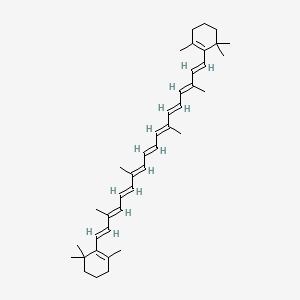
β-Carotene
USDA FoodData Central reports beta-carotene in Carrots, raw.
References
[1] Kindel et al. (2010). The mechanism of the formation and secretion of chylomicrons. Mechanistic context for fat-stimulated chylomicron formation; not a carrot feeding trial.
[2] Brown et al. (2004). Carotenoid bioavailability is higher from salads ingested with full-fat than with fat-reduced salad dressings as measured with electrochemical detection. Meal-pairing evidence: fat in salad dressings increased carotenoid bioavailability; not a carrot-only trial.
[3] Johnson et al. (2014). Role of lutein and zeaxanthin in visual and cognitive function throughout the lifespan. Constituent-level lutein and zeaxanthin review; not a carrot feeding trial.