Coconut Oil

Overview

Coconut oil provides medium-chain triglycerides (MCTs) that provide rapid energy for the brain and support ketone production. MCTs (C8, C10) are converted to ketones (beta-hydroxybutyrate), which serve as an alternative energy substrate for mitochondria, supporting mitochondrial function especially when glucose metabolism is impaired. The ATP produced from ketone metabolism supports neurotransmitter synthesis, indirectly supporting neurochemical balance. Coconut Oil / MCT Oil provides MCTs (C8, C10), rapid energy for brain, supports ketone production, and can be used in smoothies, baking, or small-portion use.

Recipes

2 recipes containing this food

Chocolate Quinoa Crisp Clusters

A delicious cereal-to-snack hybrid with satisfying crunch, steady energy, and a low glycemic profile. Perfect for breakfast or anytime snacking.

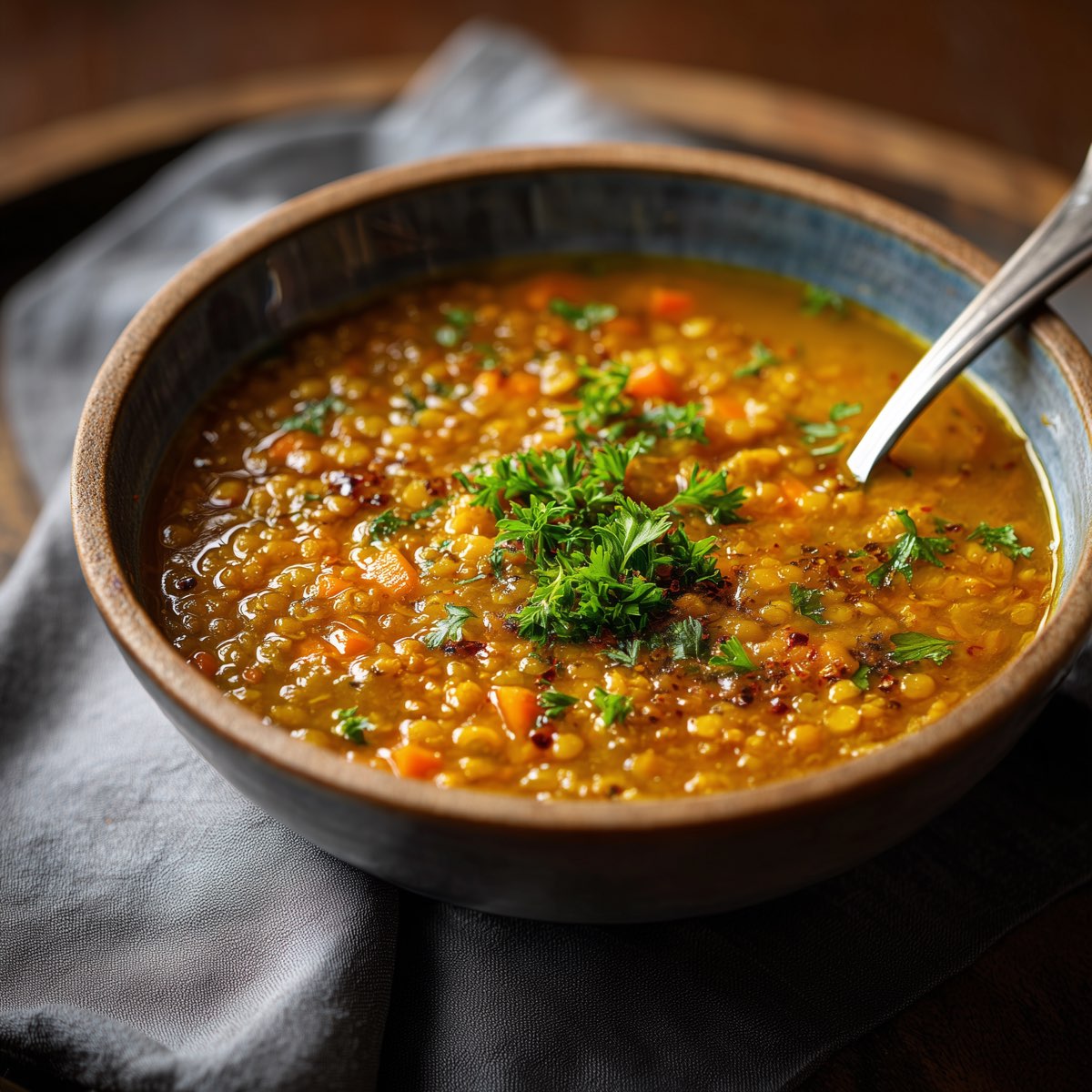
Turmeric Lentil Dahl

Anti-inflammatory curcumin-rich lentil dish supporting gut health, NF-κB inhibition, and SCFA production

Substances

4 substances in this food

Preparation Notes

  • Use in smoothies, baking, or small portions
  • Part of MCT strategy for brain energy
  • Supports ketone production
  • Antimicrobial properties for gut health

Biological Target Matrix

Biological TargetSubstanceTherapeutic AreasMechanism of Action
Mitochondrial SupportCapric Triglyceride (Tridecanoin)Capric triglyceride (C10) is converted to ketones (beta-hydroxybutyrate) in the liver, which serve as an alternative energy substrate for mitochondria; ketones can be used by brain mitochondria when glucose metabolism is impaired, supporting ATP production and mitochondrial function
Mitochondrial SupportCaproic Triglyceride (Tricaproin)Caproic triglyceride (C6) is converted to ketones (beta-hydroxybutyrate) in the liver, which serve as an alternative energy substrate for mitochondria; ketones can be used by brain mitochondria when glucose metabolism is impaired, supporting ATP production and mitochondrial function
Mitochondrial SupportCaprylic Triglyceride (Trioctanoin)Caprylic triglyceride (C8) is converted to ketones (beta-hydroxybutyrate) in the liver, which serve as an alternative energy substrate for mitochondria; ketones can be used by brain mitochondria when glucose metabolism is impaired, supporting ATP production and mitochondrial function
Mitochondrial SupportMCT (Medium-Chain Triglycerides)MCTs are converted to ketones (beta-hydroxybutyrate) in the liver, which serve as an alternative energy substrate for mitochondria; ketones can be used by brain mitochondria when glucose metabolism is impaired, supporting ATP production and mitochondrial function
Neurochemical BalanceCapric Triglyceride (Tridecanoin)Ketones produced from capric triglyceride provide ATP through mitochondrial metabolism; ATP is essential for neurotransmitter synthesis, release, and reuptake, indirectly supporting neurochemical balance by ensuring adequate energy for neuronal function
Neurochemical BalanceCaproic Triglyceride (Tricaproin)Ketones produced from caproic triglyceride provide ATP through mitochondrial metabolism; ATP is essential for neurotransmitter synthesis, release, and reuptake, indirectly supporting neurochemical balance by ensuring adequate energy for neuronal function
Neurochemical BalanceCaprylic Triglyceride (Trioctanoin)Ketones produced from caprylic triglyceride provide ATP through mitochondrial metabolism; ATP is essential for neurotransmitter synthesis, release, and reuptake, indirectly supporting neurochemical balance by ensuring adequate energy for neuronal function
Neurochemical BalanceMCT (Medium-Chain Triglycerides)Ketones produced from MCTs provide ATP through mitochondrial metabolism; ATP is essential for neurotransmitter synthesis, release, and reuptake, indirectly supporting neurochemical balance by ensuring adequate energy for neuronal function

References

  • Coconut Oil / MCT Oil: MCTs (C8, C10), rapid energy for brain, supports ketone production - Smoothies, baking, small-portion use
  • Antimicrobial Lipids: Medium-chain triglycerides (MCT oil, coconut oil), caprylic acid - Direct inhibition of pathobionts (Candida, C. difficile) without harming commensals