Parmesan Cheese

Overview
Parmesan cheese provides CLA (conjugated linoleic acid), vitamin K2, C15:0 pentadecanoic acid, glutamate, high protein, and calcium. Evidence suggests hard cheeses with high calcium do not raise serum LDL levels, supporting their use in moderation within nutrient-dense dietary patterns Soerensen et al. 2014.
Food Context
Synergies
- Part of nutrient-dense animal food strategy
Sourcing
- Choose quality sources when possible
Preparation
- Use as grated topping or snacks for flavor and nutrient density
- Supports K2 and calcium intake; studies have shown that hard cheeses with high calcium do not raise serum LDL levels Soerensen et al. 2014
- When consumed in moderation within an anti-inflammatory, micronutrient-rich diet, foods like Parmesan cheese provide essential brain nutrients including choline, vitamin K2, butyrate, and fat-soluble vitamins A, D, and E
Essential Amino Acid Profile
This food provides a complete essential amino acid profile typical of animal proteins.
Recipes
3 recipes containing this food
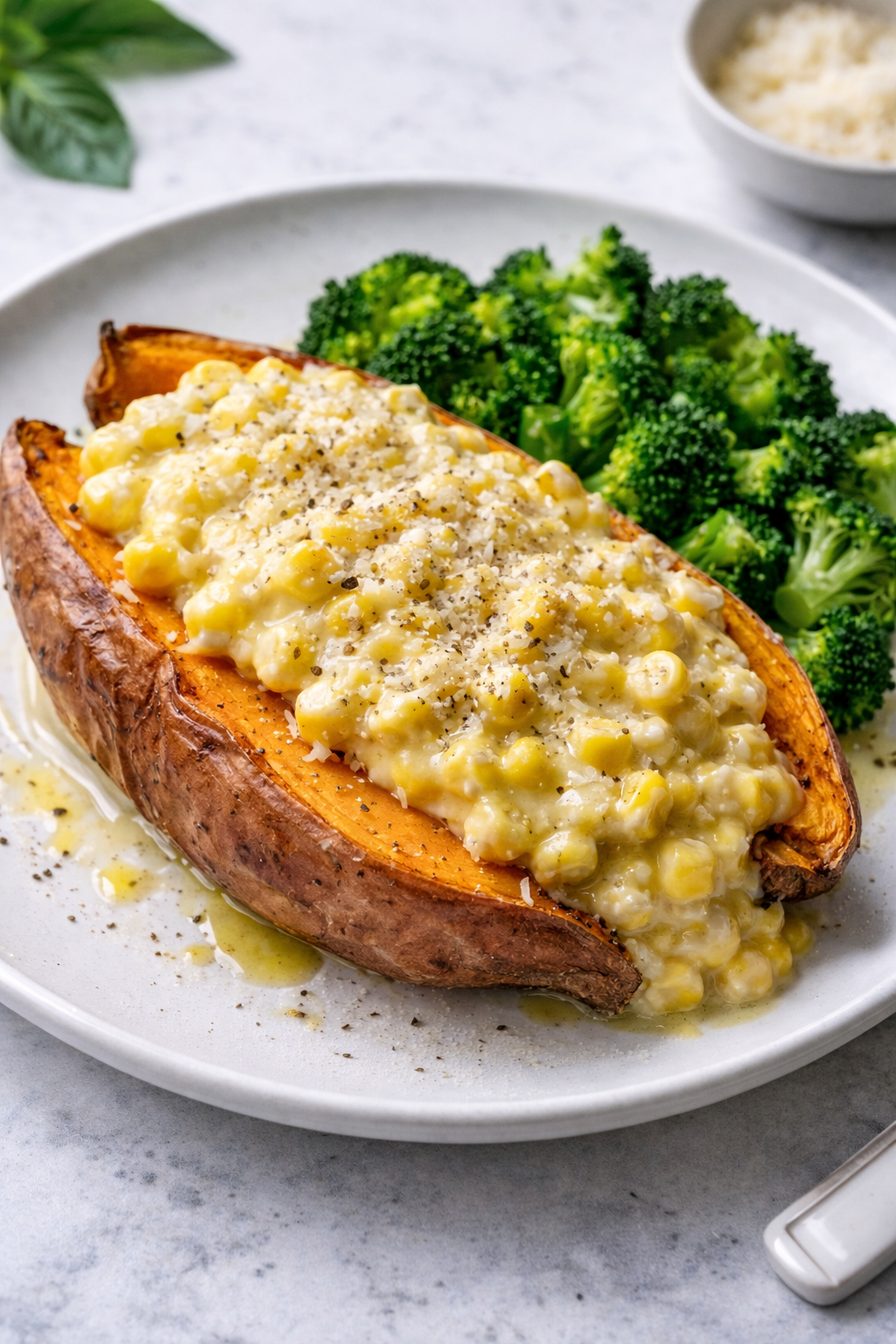
Creamed Corn on Roasted Sweet Potato
Roasted sweet potato with creamed corn and a mixed lipid phase to enhance carotenoid absorption; served with broccoli for fibre and glucosinolates.
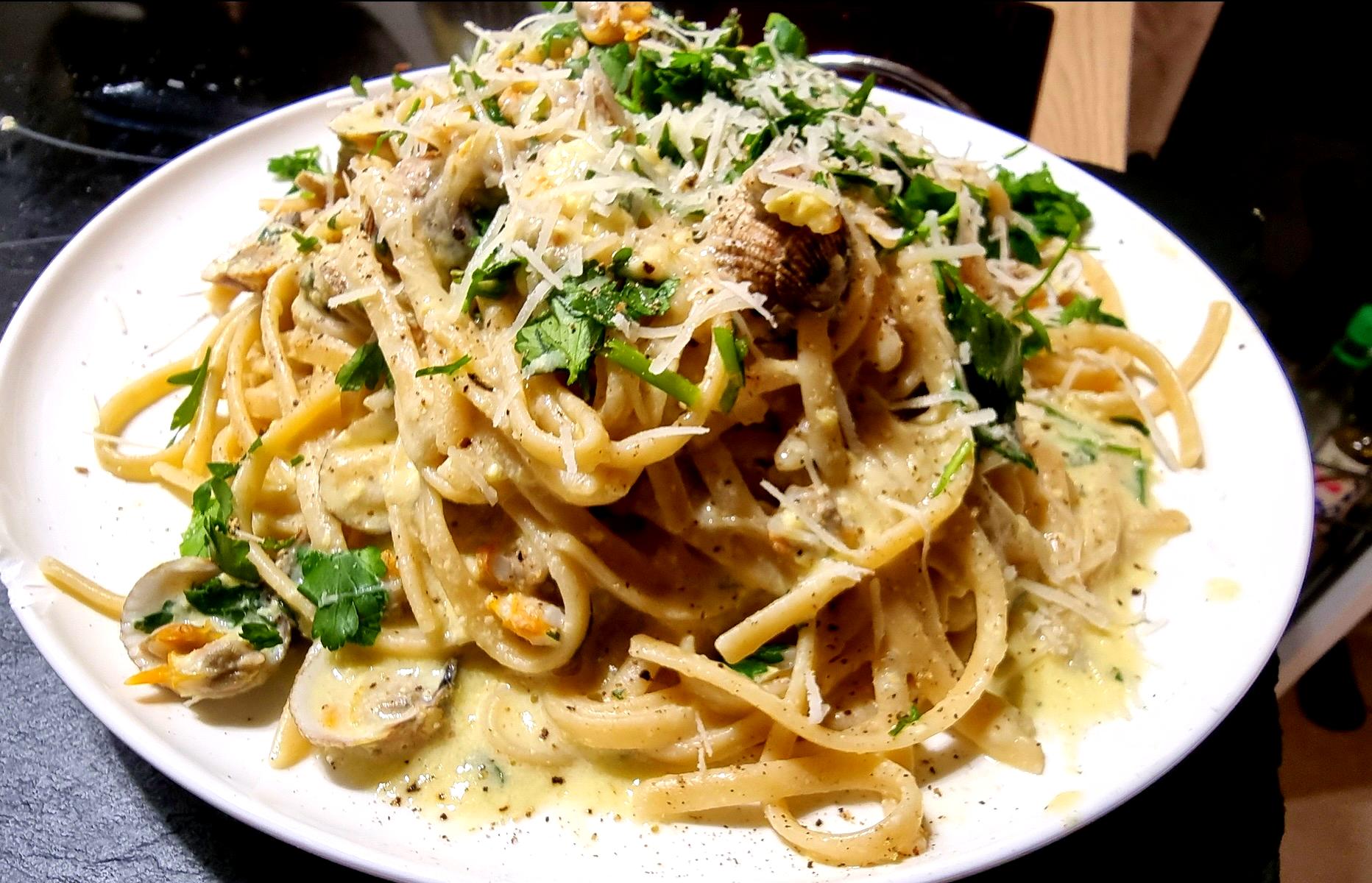
Linguine alle vongole mantecate (Linguine with cockles in a silky emulsified sauce)
Whole-wheat linguine with cockles in a silky emulsified sauce; Italian emulsification technique without cream, supporting taurine, B12, and choline intake.
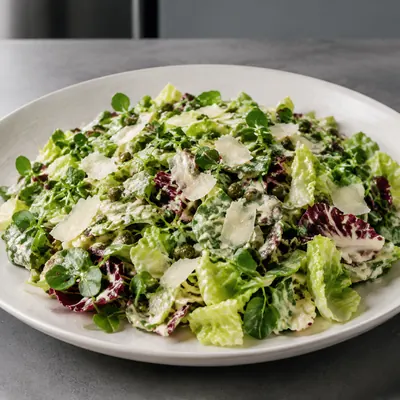
Mixed-Leaf Tahini Caesar Salad
A Caesar-style mixed-leaf salad with a tahini, anchovy, caper and Parmesan dressing, using extra virgin olive oil retained from oil-packed capers.
Nutrient Tables (per 100 g)
Selected food and preparation: Cheese, parmesan, hard. per 100 g edible portion.
Core nutrients
| Nutrient | Amount per 100 g | % reference intake per 100 g |
|---|---|---|
| Energy | 392 kcal | — |
| Protein | 35.8 g | — |
| Total fat | 25 g | — |
| Saturated fat | 14.9 g | — |
| Carbohydrates | 3.2 g | — |
| Sugars | 0.1 g | — |
Key vitamins and minerals
Vitamins and minerals supplying at least 10% of an adult reference intake per 100 g, derived from the composition panel.
| Nutrient | Amount per 100 g | % reference intake per 100 g |
|---|---|---|
| Zinc | 2.8 mg | 25% |
| Magnesium | 44 mg | 10.5% |
| Phosphorus | 694 mg | 99.1% |
| Selenium | 22.5 µg | 40.9% |
| Calcium | 1184 mg | 118.4% |
| Vitamin B12 | 1.2 µg | 50% |
| Vitamin B2 | 0.3 mg | 25.5% |
| Vitamin A | 207 µg | 23% |
Bioactive compounds
| Compound / class | Amount per 100 g | Notes |
|---|---|---|
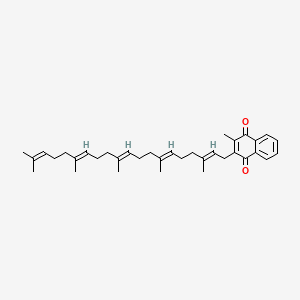
| Vitamin K2 | Present [2] | Parmesan cheese |
- Vitamin K2: Contains menaquinones (vitamin K2); amounts vary by product. [2]
Technical provenance
Vitamin K2: Vitamin K content of Australian foods (2021). Primary food table separately reports positive MK-4 for Parmesan; total vitamin K is not substituted for K2. [2]
Substances
References
[1] Studies have shown that hard cheeses with high calcium do not raise serum LDL levels. Soerensen & Thorning 2014. Effect of dairy calcium from cheese and milk on fecal fat excretion, blood lipids, and appetite in young men