Soy
Overview
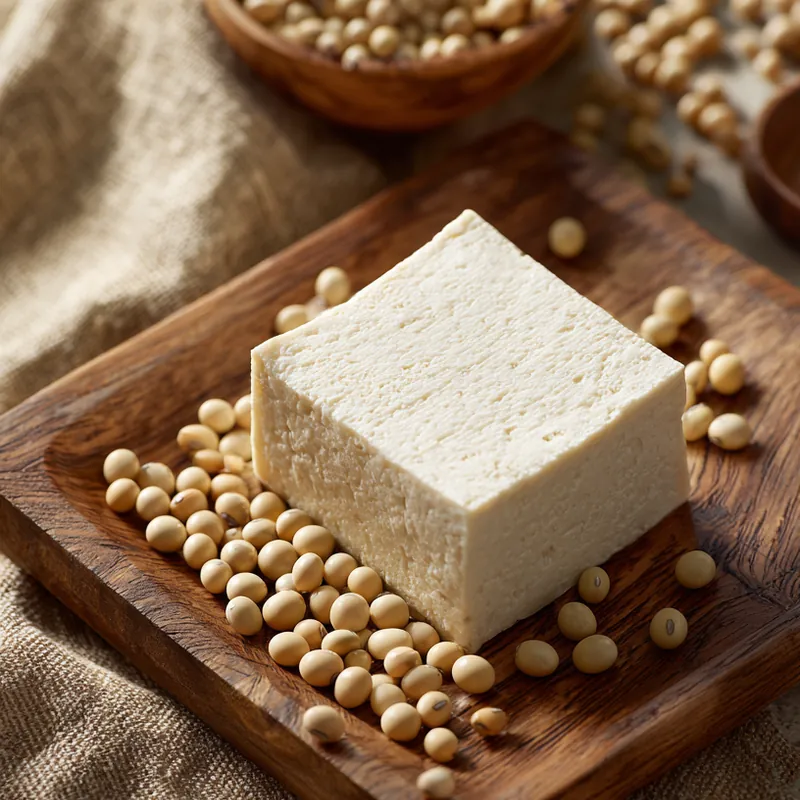
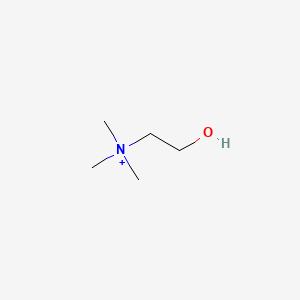
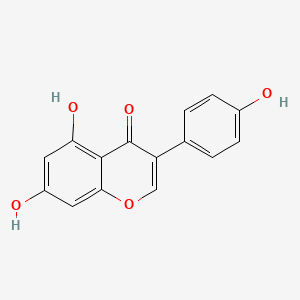
Soy provides complete plant protein, isoflavones (especially genistein), and choline, supporting neurotransmitter synthesis and membrane phospholipid pathways. Defatted soy flour and soy protein concentrates score highly on protein-quality metrics, though methionine remains relatively limiting and grain pairing improves amino-acid balance.
Within the BRAIN Diet framework, soy is a core plant-protein anchor for vegan and plant-forward patterns. Genistein and related isoflavones are studied for metabolic and neuroinflammatory modulation [1], while soy's protein density supports essential amino-acid intake within legume–grain complementary pairings [2].
Key Nutritional Highlights
- Genistein and related soy isoflavones are studied for neuroinflammatory and metabolic pathways [1].
- High plant-protein density with favourable digestibility for a legume; pair with grains for methionine balance [2].
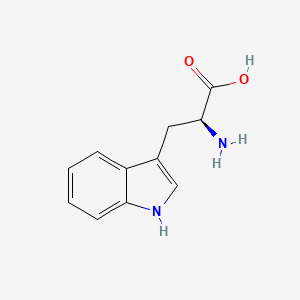
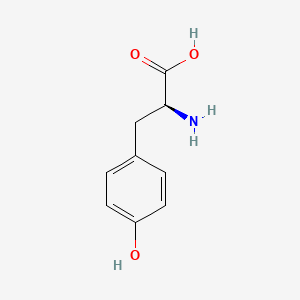
- Provides choline, tryptophan, tyrosine, and B vitamins relevant to neurotransmitter synthesis.
- Fermented forms (tempeh, miso, natto) add fermentation-derived benefits beyond raw soy ingredients.
Food Context
Synergies
- Pair with grains for complete amino acid profile; grain-legume complementarity improves essential amino-acid coverage
- Part of diverse plant protein strategy
Preparation
- Fermented forms (tempeh, miso, natto) may have additional benefits including probiotics and improved digestibility
- Supports choline and neurotransmitter synthesis
- Vegans should ensure adequate choline intake (e.g., soy or sunflower lecithin, soy foods, quinoa, broccoli) to support phosphatidylcholine synthesis
Essential Amino Acid Profile
Soy provide a relatively complete plant protein (higher in lysine than most grains). Pairing with grains or other legumes still supports dietary variety and amino acid balance.
Recipes
Nutrient Tables (per 100 g)
Selected food and preparation: Soybeans, mature seeds, raw. per 100 g edible portion.
Core nutrients
| Nutrient | Amount per 100 g | % reference intake per 100 g |
|---|---|---|
| Energy | 446 kcal | — |
| Protein | 36.5 g | — |
| Total fat | 19.9 g | — |
| Saturated fat | 2.9 g | — |
| Carbohydrates | 30.2 g | — |
| Sugars | 7.3 g | — |
| Fibre | 9.3 g | — |
Key vitamins and minerals
Vitamins and minerals supplying at least 10% of an adult reference intake per 100 g, derived from the composition panel.
| Nutrient | Amount per 100 g | % reference intake per 100 g |
|---|---|---|
| Iron | 15.7 mg | 87.2% |
| Zinc | 4.9 mg | 44.5% |
| Magnesium | 280 mg | 66.7% |
| Phosphorus | 704 mg | 100.6% |
| Manganese | 2.5 mg | 109.4% |
| Selenium | 17.8 µg | 32.4% |
| Calcium | 277 mg | 27.7% |
| Potassium | 1797 mg | 52.9% |
| Copper | 1.7 mg | 184.2% |
| Choline | 115.9 mg | 21.1% |
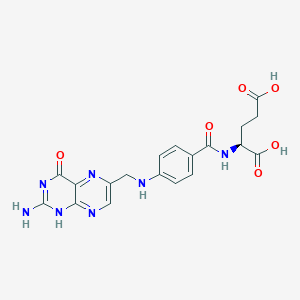
| Folate | 375 µg | 93.8% |
| Vitamin B6 | 0.4 mg | 29% |
| Vitamin B2 | 0.9 mg | 66.9% |
| Vitamin B1 | 0.9 mg | 72.8% |
| Vitamin B3 | 1.6 mg | 10.1% |
| Vitamin B5 | 0.8 mg | 15.9% |
| Vitamin K | 47 µg | 39.2% |
Bioactive compounds
| Compound / class | Amount per 100 g | Notes |
|---|---|---|
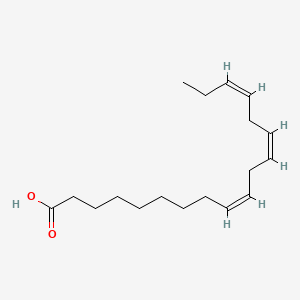
| Alpha-linolenic acid (ALA; 18:3 n-3) | 1.3 g | USDA 18:3 quantity; isomer from USDA soybean oil nutrient 1404 |
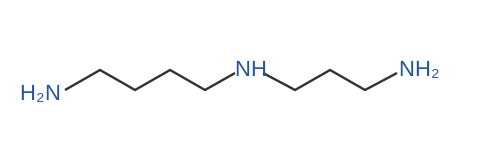
| Spermidine | Present — quantity not established [6] | Measured food occurrence; content varies by sample and preparation. |
- Alpha-linolenic acid (ALA; 18:3 n-3): This value uses a documented composition interpretation.
- Spermidine: Esparza et al. (2021) supports this qualitative constituent record. See technical provenance for food form and measurement details. [6]
Technical provenance
Alpha-linolenic acid (ALA; 18:3 n-3): This value uses a documented composition interpretation. See FCIR-007.
Spermidine: Muñoz-Esparza et al. (2021), §3.1 and Figures 3–5: Soy is identified as a spermidine-containing food. The selected USDA panel does not quantify this analyte. A comparable product-specific per-100 g value is not established here. https://doi.org/10.3390/foods10081752 [6]
Substances
10 substances in this food
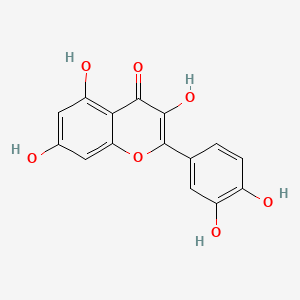
Quercetin (and Isoquercetin)
Quercetin is documented in soybean seeds; content varies with variety.
Spermidine
Occurs directly in this food; a product-specific amount is not established.
Vitamin B6 (Pyridoxine → PLP)
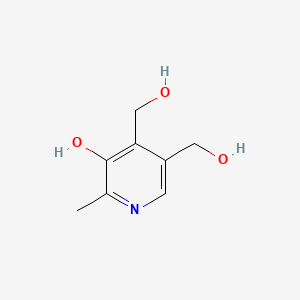
USDA FoodData Central reports vitamin B6 in Soybeans, mature seeds, raw.
Vitamin B9 (Folate)
USDA FoodData Central reports folate in Soybeans, mature seeds, raw. The recorded analyte is folate.
ALA (Alpha-Linolenic Acid)
Essential omega-3 precursor; limited conversion to DHA/EPA
References
[1] Genistein and related soy isoflavones are studied for neuroinflammatory and metabolic pathways. Fuloria et al. 2022. Genistein: A Potential Natural Lead Molecule for New Drug Design and Development for Treating Memory Impairment
[2] Soy provides highly digestible plant protein; legume–grain pairing improves essential amino-acid balance. FAO 2013. Dietary Protein Quality Evaluation in Human Nutrition: Report of an FAO Expert Consultation
[3] Muñoz-Esparza et al. (2021). Occurrence of Polyamines in Foods and the Influence of Cooking Processes. Analytical evidence for spermidine occurrence; food type and preparation affect composition.
[4] Dynamic polyphenolic profiling of soybean seeds and leaves during developmental stages (2025)
[5] NTP-CERHR Expert Panel Report on Genistein (2006)