Flax Seeds

Overview
Flax seeds provide ALA (plant omega-3), soluble fiber, and lignans, supporting gut health and providing plant-based omega-3. Soluble fibre (from apples, oats, flaxseeds) supports gut health and SCFA production. ALA is an essential omega-3 fatty acid with limited conversion to DHA/EPA in adults; food sources include flax, chia, and walnuts. Conversion from ALA is less than 5% in most adults; direct DHA/EPA strongly recommended for optimal brain health.
Key Nutritional Highlights
- High ALA density among commonly used culinary seeds.
- Rich in soluble/viscous fibre and lignan compounds compared with many other seeds.
- Whole seeds often pass incompletely digested; grinding markedly improves practical nutrient access.
- ALA is useful but not a direct DHA/EPA source because conversion in humans is limited.
Food Context
Synergies
- Part of diverse seed intake; dietary diversity (≥30 plant foods per week) supports microbial richness and resilience
- Limited ALA-to-DHA conversion; consider algal DHA for direct omega-3 support; conversion from ALA is less than 5% in most adults
Preparation
- Grind for better ALA absorption (whole seeds may pass through undigested)
- Store ground seeds in refrigerator to prevent oxidation of omega-3s
Essential Amino Acid Profile
Flax Seeds provide plant protein but are not a complete protein; lysine is typically limiting for nuts and seeds.
Protein pairing strategy:
Pair with legumes or grains to complete essential amino acid coverage.
Recipes
1 recipe containing this food
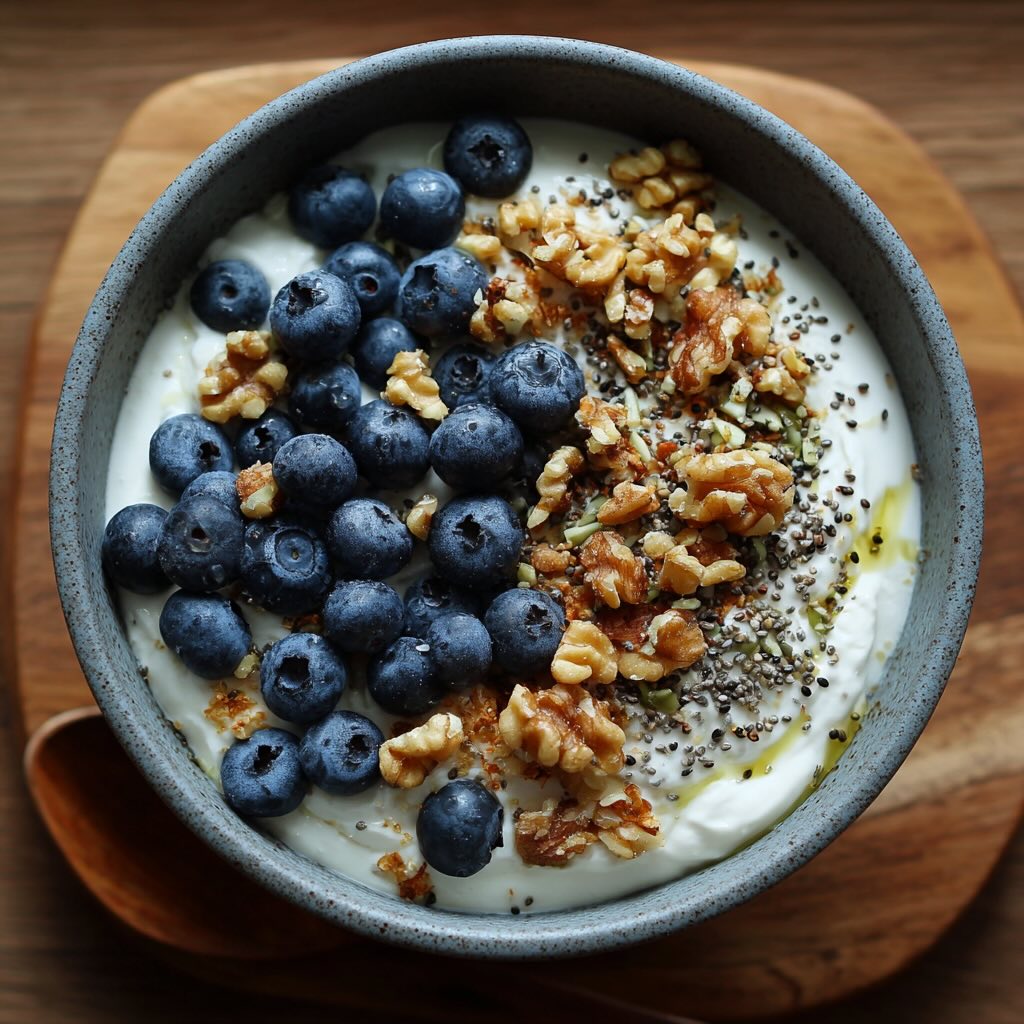
Ginger Yogurt and Blueberries
A polyphenol-rich breakfast bowl with high fibre, combining ginger, omega-3 nuts, blueberry polyphenols, and probiotic yogurt.
Nutrient Tables (per 100 g)
Selected food and preparation: Seeds, flaxseed. per 100 g edible portion.
Core nutrients
| Nutrient | Amount per 100 g | % reference intake per 100 g |
|---|---|---|
| Energy | 534 kcal | — |
| Protein | 18.3 g | — |
| Total fat | 42.2 g | — |
| Saturated fat | 3.7 g | — |
| Carbohydrates | 28.9 g | — |
| Sugars | 1.6 g | — |
| Fibre | 27.3 g | — |
Key vitamins and minerals
Vitamins and minerals supplying at least 10% of an adult reference intake per 100 g, derived from the composition panel.
| Nutrient | Amount per 100 g | % reference intake per 100 g |
|---|---|---|
| Iron | 5.7 mg | 31.8% |
| Zinc | 4.3 mg | 39.5% |
| Magnesium | 392 mg | 93.3% |
| Phosphorus | 642 mg | 91.7% |
| Manganese | 2.5 mg | 107.9% |
| Selenium | 25.4 µg | 46.2% |
| Calcium | 255 mg | 25.5% |
| Potassium | 813 mg | 23.9% |
| Copper | 1.2 mg | 135.6% |
| Choline | 78.7 mg | 14.3% |
| Folate | 87 µg | 21.8% |
| Vitamin B6 | 0.5 mg | 36.4% |
| Vitamin B2 | 0.2 mg | 12.4% |
| Vitamin B1 | 1.6 mg | 137% |
| Vitamin B3 | 3.1 mg | 19.3% |
| Vitamin B5 | 1 mg | 19.7% |
Bioactive compounds
Content applies to the food and preparation identified in the source notes.
| Compound / class | Amount per 100 g | Notes |
|---|---|---|
| Linoleic Acid | 5.9 g | — |
| Alpha-linolenic acid (ALA; 18:3 n-3) | 22.8 g | USDA 18:3 quantity; isomer from flax-specific literature |
- Alpha-linolenic acid (ALA; 18:3 n-3): This value uses a documented composition interpretation.
Technical provenance
Alpha-linolenic acid (ALA; 18:3 n-3): This value uses a documented composition interpretation. See FCIR-003.
Substances
4 substances in this food
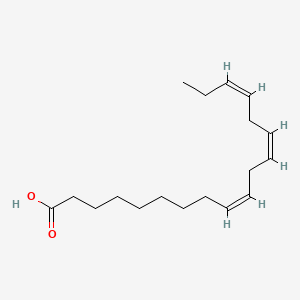
ALA (Alpha-Linolenic Acid)
Alpha-linolenic acid is supported by the food-specific isomer evidence in the composition notes. The quantity uses the documented composition interpretation.
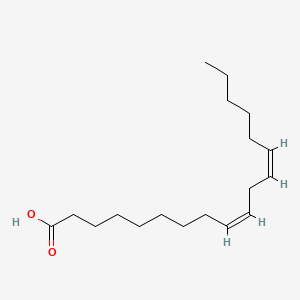
Linoleic Acid (LA, n-6)
USDA FoodData Central reports linoleic acid in Seeds, flaxseed.
Magnesium
USDA FoodData Central reports magnesium in Seeds, flaxseed.
Manganese
USDA FoodData Central reports manganese in Seeds, flaxseed.
References
[1] NIH (2025). Omega-3 Fatty Acids: Fact Sheet for Health Professionals. Constituent-level fact sheet on ALA conversion limits; not a flax-seed feeding trial.
[2] Mariotti & Gardner (2019). Dietary protein and amino acids in vegetarian diets. Plant-protein dietary-pattern evidence for limiting amino acids and complementarity; not a flax-seed trial.