Mitochondrial Function & Bioenergetics
Capacity layer — ATP production, metabolic resilience, oxidative phosphorylation efficiency.
Overview
Mitochondrial support is a fundamental biological target in the BRAIN Diet, focusing on enhancing cellular energy production and reducing oxidative stress in brain cells. Neurodevelopmental disorders such as ADHD, ASD, and bipolar disorder, and neurodegenerative conditions like Alzheimer's and Parkinson's disease share overlapping biological dysfunctions, including mitochondrial impairment. Vitamins and minerals function as indispensable micronutrients and enzymatic cofactors in all pivotal brain biology pathways, aiding neurotransmitter synthesis, mitochondrial energy production, DNA repair, antioxidant defense, methylation, and the regulation of neuroplasticity (paper.txt, lines 132, 235).
Recipes

Matcha Mitochondria Smoothie
Mitochondrial energising smoothie rich in polyphenols, magnesium, and antioxidants

Savoury Greens & Egg Breakfast Skillet
A warm savoury breakfast skillet with eggs, greens, and slow carbohydrates for steady morning energy.
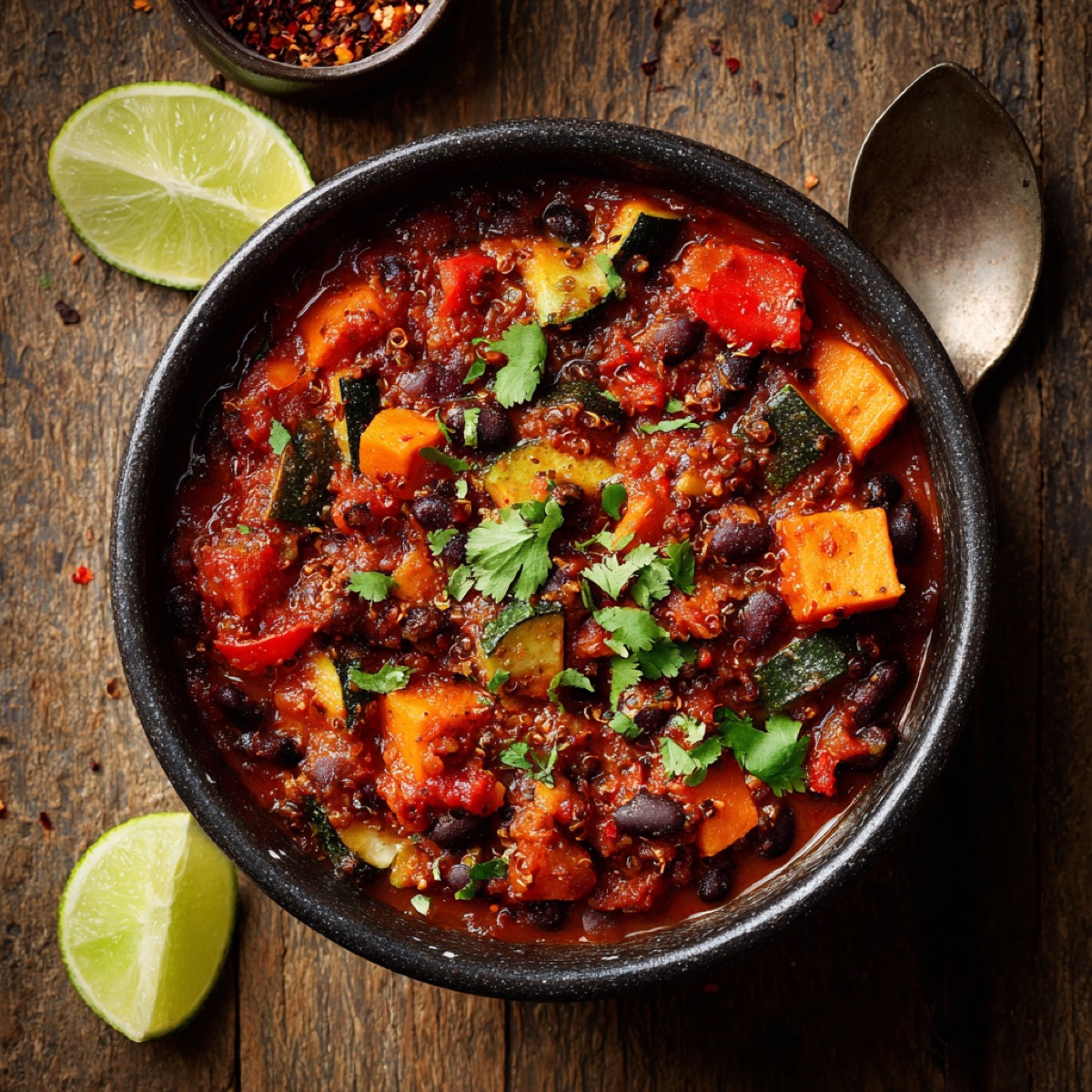
Black Bean & Sweet Potato Vegetable Chilli
A fibre-rich bean and vegetable chilli with warming spices and slow carbohydrates for steady energy and satiety.

Linguine alle vongole mantecate (Linguine with cockles in a silky emulsified sauce)
Whole-wheat linguine with cockles in a silky emulsified sauce; Italian emulsification technique without cream, supporting taurine, B12, and choline intake.

Mitochondrial Power Bowl
A nitrate-rich, polyphenol-dense bowl combining leafy greens, beets, berries, nuts, and early harvest olive oil
Therapeutic Areas

ADHD
Dietary strategies targeting inflammation, neurochemical balance, mitochondrial function, and gut-brain axis to support attention, focus, and executive function
Alzheimer's Disease
Dietary interventions targeting mitochondrial function, oxidative stress, inflammation, and neurochemical balance to slow cognitive decline and support neuroprotection
Anxiety & GAD
Nutritional strategies targeting HPA axis regulation, stress response, neurochemical balance, and gut-brain communication to reduce anxiety and support emotional regulation
Bipolar Disorder
Nutritional approaches to support mood stability and cognitive function through modulation of neurotransmitter balance, mitochondrial health, and inflammatory pathways
Depression & MDD
Food-first dietary interventions targeting neurochemical balance, inflammation, gut-brain axis, and metabolic health to support mood regulation and emotional resilience
Substances
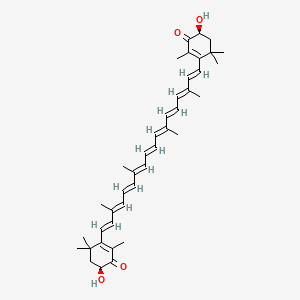
Astaxanthin
Lipid-soluble carotenoid that stabilizes omega-3–rich membranes; supports mitochondrial and cellular resilience
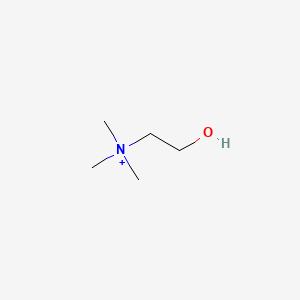
Choline
Acetylcholine precursor; methyl donor; phospholipid synthesis for membranes
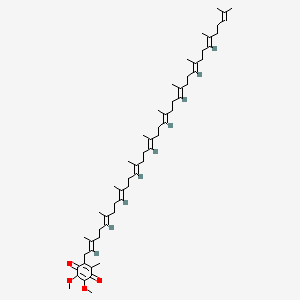
Coenzyme Q10 (CoQ10)
Electron transport chain cofactor and antioxidant relevant to mitochondrial function
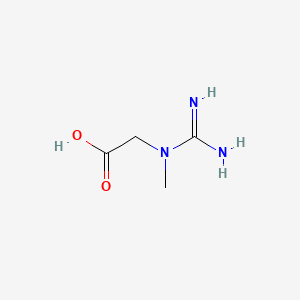
Creatine
Phosphocreatine system buffer for neuronal ATP demand; cognitive support evidence

Nitrate
Dietary nitrate that converts to nitric oxide, supporting vascular function and mitochondrial efficiency
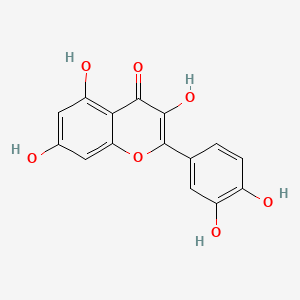
Quercetin (and Isoquercetin)
Polyphenol; antioxidant; mitochondrial support; bioavailability improved with vitamin C
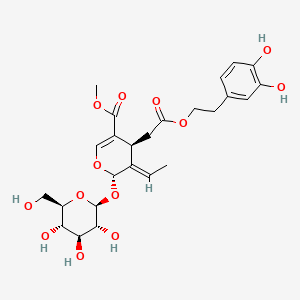
Oleuropein
Major secoiridoid polyphenol in olive oil; oleuropein aglycone supports mitophagy, SIRT1, and AMPK activation
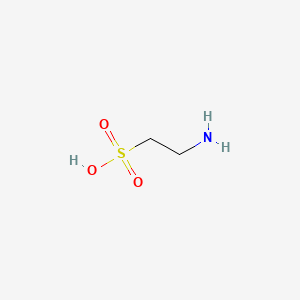
Taurine
Osmoregulator; GABA modulation; mitochondrial membrane stabilizer; anti-inflammatory
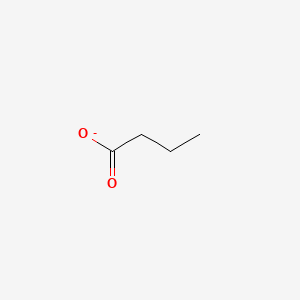
Butyrate
Key SCFA supporting mitochondrial function, gut barrier integrity, and neuroinflammation reduction

Short-Chain Fatty Acids (SCFAs)
Microbial metabolites supporting gut barrier, immune tone, and brain function
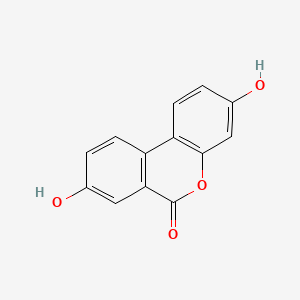
Urolithin A
Microbiome-derived metabolite from ellagitannins; supports mitochondrial resilience and mitophagy
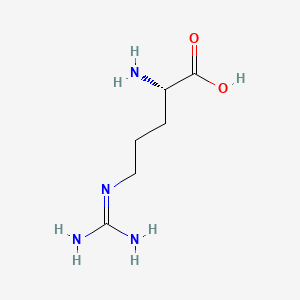
Arginine
Conditionally essential amino acid; precursor for creatine and nitric oxide synthesis
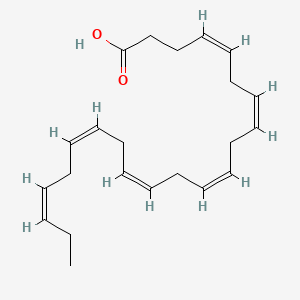
DHA (Docosahexaenoic Acid)
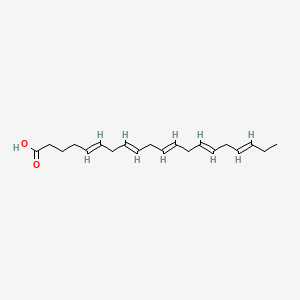
Accounts for ~10–15% of total brain fatty acids, 20–30% of neuronal phospholipids (PE, PS), and >90% of brain omega-3 PUFA; critical for membrane fluidity, synaptic vesicle fusion, neurodevelopment
EPA (Eicosapentaenoic Acid)
Potent anti-inflammatory; precursor to E-series resolvins; modulates dopamine and serotonin signalling

Omega-3 Fatty Acids
(EPA, DHA) Anti-inflammatory, membrane, and neuromodulatory lipids central to BRAIN Diet
Capric Triglyceride (Tridecanoin)
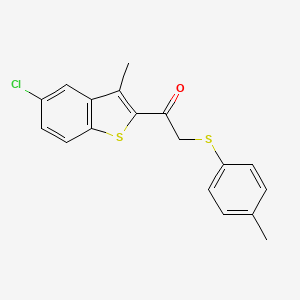
Medium-chain triglyceride (C10) providing rapid brain energy via ketone production
Caproic Triglyceride (Tricaproin)
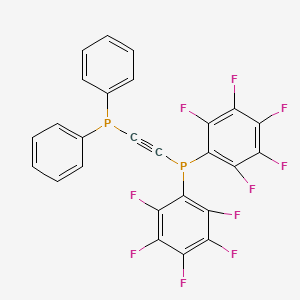
Medium-chain triglyceride (C6) providing rapid brain energy via ketone production
Caprylic Triglyceride (Trioctanoin)
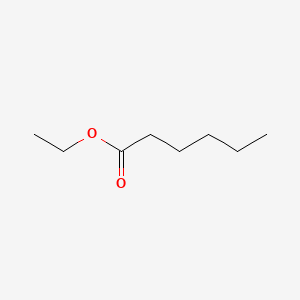
Medium-chain triglyceride (C8) providing rapid brain energy via ketone production
MCT (Medium-Chain Triglycerides)
Medium-chain fatty acids (C8, C10) providing rapid brain energy via ketone production

Magnesium
Enzymatic cofactor (>300 reactions); neurotransmitters; mitochondria; redox balance

Iron
Oxygen transport; dopamine synthesis (tyrosine hydroxylase cofactor)

Manganese
Cofactor for MnSOD (SOD2); mitochondrial antioxidant defense

Selenium
Antioxidant enzyme cofactor (GPx); supports redox balance
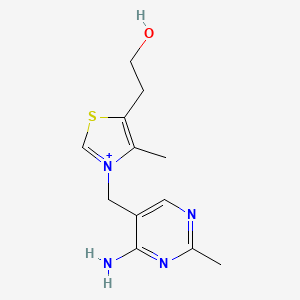
Vitamin B1 (Thiamine)
Mitochondrial glucose metabolism; ATP synthesis; rapid turnover in CNS
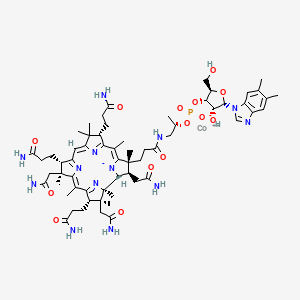
Vitamin B12 (Cobalamin)
Methylation; myelin; mitochondrial odd-chain FA metabolism
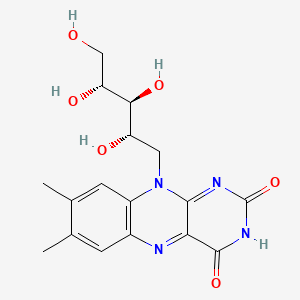
Vitamin B2 (Riboflavin)
FMN/FAD coenzymes; redox balance; supports methylation via MTHFR
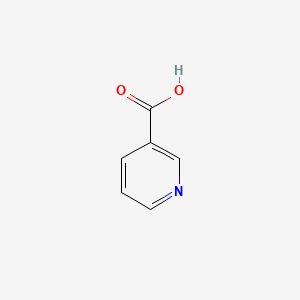
Vitamin B3 (Niacin; Niacinamide)
NAD+ precursor; supports mitochondrial biogenesis and ATP production
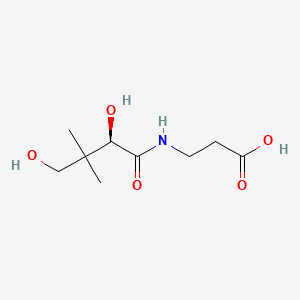
Vitamin B5 (Pantothenic Acid)
CoA synthesis; fatty-acid oxidation; TCA cycle flux
Biological Implications
Neurodevelopmental disorders such as ADHD, ASD, and bipolar disorder, and neurodegenerative conditions like Alzheimer's and Parkinson's disease have complex, multifactorial origins. Although the precise causes are not fully understood, these conditions share overlapping biological dysfunctions, including mitochondrial impairment, chronic inflammation, oxidative stress, impaired methylation, gut–brain axis disruption, glucose dysregulation, micronutrient deficiencies, and neurotransmitter imbalances (paper.txt, line 132).
Vitamins and minerals function as indispensable micronutrients and enzymatic cofactors in all pivotal brain biology pathways, aiding neurotransmitter synthesis, mitochondrial energy production, DNA repair, antioxidant defense, methylation, and the regulation of neuroplasticity. Their availability can determine whether compounds such as omega-3 fatty acids, polyphenols, or amino acid precursors exert their intended effects. This interdependence highlights the importance of viewing nutrition as an interdependent system (paper.txt, line 235).
The omnivore version of the diet also incorporates nutrient-dense animal foods such as seafood, eggs, fermented dairy, occasional offal (liver), and lean animal proteins which supply other essential key brain nutrients such as omega 3, creatine, CoQ10, and taurine (paper.txt, line 156).
Creatine supports ATP recycling in neurons and enhances working memory and cognitive processing speed. It is found in beef, lamb, pork, salmon, tuna, cod, and scallops, with minimal amounts in seaweed (e.g., nori). Vegan diets lack creatine; supplementation or fortified foods may be needed (paper.txt, line 279).
Coenzyme Q10 (CoQ10) supports mitochondrial electron transport and provides antioxidant protection for neurons. It is found in organ meats (heart, liver), oily fish (sardines, mackerel), beef, and in smaller amounts in spinach, broccoli, pistachios, and olive oil. Plant forms (ubiquinone) are less concentrated; deficiency risk is higher with age (paper.txt, line 280).
The implementation of the BRAIN diet must go beyond a standard nutrient density focus; it's about choosing foods for their specific bioactive potential: early harvest extra virgin olive oil with higher levels of CoQ10, oleuropein and polyphenols (paper.txt, line 250).
Glutathione (GSH) is one of the body's major antioxidants. Low levels may suggest oxidative stress; elevated GSH levels which have been recorded against ADHD subjects may reflect a compensatory response to increased oxidative stress. Furthermore, mitochondrial metabolism of lactate depends on GSH for ROS neutralization, optimizing mitochondrial energy use (paper.txt, line 653).
Higher polyphenol intake and microbial diversity increase urolithin A and related metabolites, supporting mitochondrial resilience and mitophagy and in turn improving cognitive endurance. Hypothesis: these effects may extend to executive function (to be tested via Stroop/task-switching/n-back) (paper.txt, line 586).
Butyrate supports mitochondrial function, enhancing brain energy metabolism, which may help with cognitive impairments seen in ADHD while also aiding in reducing cholesterol and neuroinflammation. Boosting SCFA production enhances mitochondrial and neurotrophic support, contributing to brain energy balance and resilience (paper.txt, lines 526, 602).
Excess oxalate may disrupt mitochondrial function and redox status. Boiling spinach, kale, and other greens can reduce oxalate load, improving mineral bioavailability (paper.txt, line 207).
B6 is a cofactor in the development of all the key neurotransmitters. Only once pyridoxine (PIN), pyridoxal (PAL), pyridoxamine (PAM) cross the blood–brain barrier in their non-phosphorylated forms, can they be converted into pyridoxal-5'-phosphate (PLP or P5P), the active coenzyme form. This means that systemic supplementation with PLP does not bypass the brain's reliance on its own enzymatic machinery. Instead, they require pyridoxal kinase (PDXK) activity, which is supported by cofactors such as magnesium and ATP (paper.txt, line 359).
References
- Neurodevelopmental disorders such as ADHD, ASD, and bipolar disorder share overlapping biological dysfunctions, including mitochondrial impairment Tardy et al. 2020
- Vitamins and minerals function as indispensable micronutrients and enzymatic cofactors in all pivotal brain biology pathways, aiding neurotransmitter synthesis, mitochondrial energy production, DNA repair, antioxidant defense, methylation, and the regulation of neuroplasticity Tardy et al. 2020
- Higher polyphenol intake and microbial diversity increase urolithin A and related metabolites, supporting mitochondrial resilience and mitophagy Singh et al. 2022
- Urolithin A supports mitochondrial resilience and mitophagy and in turn improves cognitive endurance Andreux et al. 2019
- Urolithin A supports mitochondrial resilience and mitophagy and in turn improves cognitive endurance Hou et al. 2024
- Butyrate supports mitochondrial function, enhancing brain energy metabolism, which may help with cognitive impairments seen in ADHD Rose et al. 2018
- Glutathione (GSH) is one of the body's major antioxidants. Elevated GSH levels which have been recorded against ADHD subjects may reflect a compensatory response to increased oxidative stress Verlaet et al. 2019
- Mitochondrial metabolism of lactate depends on GSH for ROS neutralization, optimizing mitochondrial energy use Verlaet et al. 2019
- Coenzyme Q10 (CoQ10) supports mitochondrial electron transport and provides antioxidant protection for neurons Zmitek, Rodríguez-Aguilera, and Pravst 2014
- Creatine supports ATP recycling in neurons and enhances working memory and cognitive processing speed (paper.txt, line 279)