Ghee

Overview
Ghee is clarified butter providing butyrate, vitamins A/D/E, and heat stability, making it suitable for high-heat cooking.
Within the BRAIN Diet framework, ghee provides butyrate, vitamins A/D/E, is heat-stable, and low in lactose/casein, making it suitable for high-heat cooking and Ayurvedic dishes.
Food Context
Synergies
- Part of stable cooking fat strategy
Preparation
- Heat-stable for high-heat cooking
- Low in lactose/casein (suitable for some sensitivities)
- Supports butyrate intake
Recipes
Nutrient Tables (per 100 g)
Selected food and preparation: Butter oil, anhydrous. per 100 g edible portion.
Core nutrients
| Nutrient | Amount per 100 g | % reference intake per 100 g |
|---|---|---|
| Energy | 876 kcal | — |
| Protein | 0.3 g | — |
| Total fat | 99.5 g | — |
| Saturated fat | 61.9 g | — |
Key vitamins and minerals
Vitamins and minerals supplying at least 10% of an adult reference intake per 100 g, derived from the composition panel.
| Nutrient | Amount per 100 g | % reference intake per 100 g |
|---|---|---|
| Vitamin A | 840 µg | 93.3% |
| Vitamin E | 2.8 mg | 18.7% |
This value uses a documented composition interpretation. See FCIR-006.
Substances
2 substances in this food
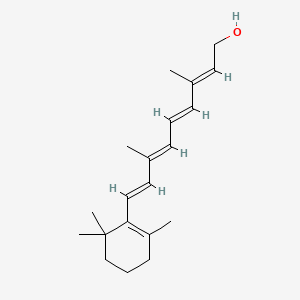
Vitamin A (Retinoids; β-Carotene precursor)
USDA FoodData Central reports vitamin A as retinol activity equivalents in Butter oil, anhydrous.
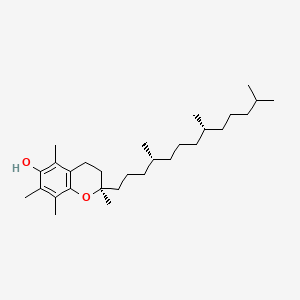
Vitamin E (Tocopherols/Tocotrienols)
USDA FoodData Central reports vitamin E in Butter oil, anhydrous.
References
[1] Grass-fed dairy fats differ in fatty-acid profile from conventional dairy, including CLA content. Daley et al. 2010. A review of nutritional differences between grass-fed and grain-fed beef
[2] Short-chain fatty acids from saturated fats and fermentation support colonic and metabolic health context. Rose et al. 2018. Butyrate enhances mitochondrial function during oxidative stress in cell lines from boys with autism