Broccoli Sprouts
Overview
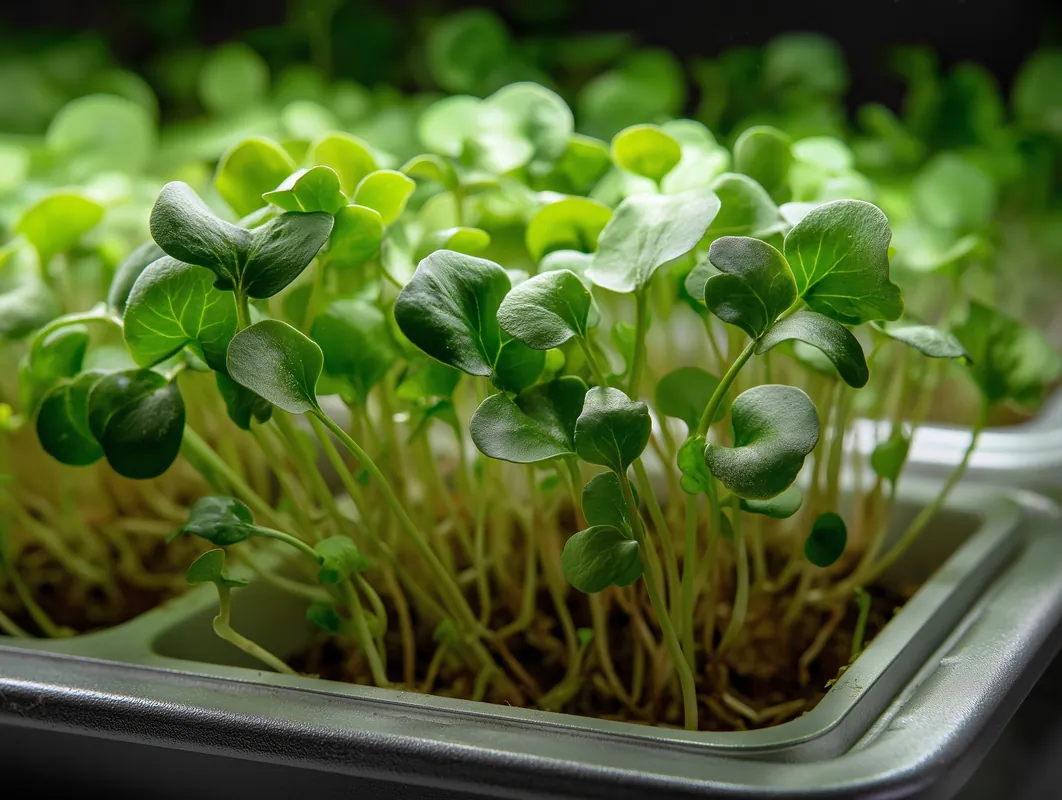
Broccoli sprouts are concentrated sources of glucoraphanin and active myrosinase, delivering higher sulforaphane potential per gram than mature broccoli when handled appropriately [1]. They are used as a functional crucifer garnish or short-grown sprout food.
Within the BRAIN Diet framework, sprouts are a sulforaphane-focused ingredient with meaningful food-safety considerations; typical portions are small. A quantified broccoli-sprout beverage increased urinary mercapturic-acid biomarkers for benzene and acrolein, but not crotonaldehyde [2]. That finding does not show reduced pollutant accumulation, prevention of pollution-related disease, or a substitute for lowering exposure.
Other Nutritional Highlights
- The human evidence used a manufactured, dose-quantified sprout beverage, not kitchen-prepared fresh sprouts [2].
- Broccoli sprouts are not a general detox treatment [2].
Food Context
Synergies
- Fits well within a broader cruciferous rotation including broccoli, cabbage, kale, cauliflower, and radish
- Works best in minimally heated meals where active myrosinase is preserved
- Pairs well with salads, bowls, eggs, wraps, sandwiches, and fermented-food meals where a small amount adds a high-value phytochemical signal
Sourcing
- Buy very fresh refrigerated sprouts from reputable suppliers, or use seeds specifically labelled for sprouting
- Freshness matters more than for mature broccoli because sprout quality and food-safety margin decline quickly
- If growing at home, use sprouting-specific seeds, clean equipment carefully, and refrigerate promptly once the sprouts are ready
Preparation
- Best eaten raw or only very lightly heated if the goal is sulforaphane formation
- Chopping and chewing help activate myrosinase, which converts glucoraphanin into sulforaphane
- Prolonged heat reduces myrosinase activity and lowers conversion potential
- Because raw sprouts carry higher microbial risk than mature broccoli, higher-risk groups should avoid raw sprouts or cook them thoroughly
Safety
- Raw sprouts are a higher-risk food because warm, humid sprouting conditions also favour growth of pathogens such as Salmonella, E. coli, and Listeria
- Pregnant people, immunocompromised people, older adults, and very young children should avoid raw sprouts
- Rinsing helps with surface debris, but does not reliably eliminate pathogen risk if seeds were contaminated upstream
Recipes
Nutrient Tables (per 100 g)
Core nutrients
| Nutrient | Amount per 100 g | % RDA per 100 g |
|---|---|---|
| Energy | 10 kcal | — |
| Protein | 2.2 g | — |
| Total fat | 0 g | — |
| Carbohydrates | 0.4 g | — |
| Fibre | 0 g | — |
Key vitamins and minerals
Vitamins and minerals supplying at least 15% of an adult reference intake per 100 g, derived from the composition panel. Tags do not decide which rows appear.
| Nutrient | Amount per 100 g | % RDA per 100 g |
|---|---|---|
| Vitamin C | 43 mg | 47.8% |
Advanced Nutrition
Other quantitative vitamins and minerals from the same composition panel. They remain available for Substance cards and later scoring; they are not headline nutrients of this food.
| Nutrient | Amount per 100 g | % RDA per 100 g |
|---|---|---|
| Iron | 0.6 mg | 3.3% |
| Zinc | 0.5 mg | 4.5% |
| Magnesium | 29 mg | 6.9% |
| Calcium | 120 mg | 12% |
| Potassium | 220 mg | 6.5% |
| Folate | 37 µg | 9.3% |
| Vitamin B6 | 0.1 mg | 10.8% |
Bioactive compounds
Explicitly identified compounds, including individual fatty acids, with a defensible quantity or an explicit qualitative status. Asterisks (*) identify supplementary sources below. Unquantified or trace constituents are not automatically admitted to the Substances list.
| Compound / class | Amount per 100 g | Notes |
|---|---|---|
| Sulforaphane | Present — quantity not established * | — |
| Glucoraphanin | Present — quantity not established * | — |
- * Sulforaphane: Sulforaphane is formed from glucoraphanin in Broccoli Sprouts after myrosinase action. Quantity depends on cultivar and preparation (Houghton 2016).
- * Glucoraphanin: Broccoli Sprouts are a concentrated dietary source of glucoraphanin, the precursor of sulforaphane. A comparable quantity is not established here.
Functional metrics
| Metric | Score | Notes |
|---|---|---|
| Glucoraphanin / sulforaphane potential | Much higher than mature broccoli | Broccoli sprouts are mainly prized for glucoraphanin density and downstream sulforaphane formation rather than for calories or macros. |
Note: Functional-metric values depend strongly on assay method, processing, and product formulation. Use these as contextual metrics, not strict like-for-like nutrient equivalents.
Substances
Substances admitted through a supported nutrition-table row. Not every table row appears here. Cards are not BRS mappings.
9 substances in this food
Calcium
Bone health; neurotransmission; interacts with vitamin D and K2

Glucoraphanin
Glucosinolate precursor of sulforaphane, concentrated in broccoli sprouts.
Iron
Oxygen transport; dopamine synthesis (tyrosine hydroxylase cofactor)
Magnesium
Enzymatic cofactor (>300 reactions); neurotransmitters; mitochondria; redox balance
Potassium
Electrolyte for nerve transmission, muscle function, and blood pressure regulation
Sulforaphane
Isothiocyanate formed from glucoraphanin in broccoli and broccoli sprouts; studied as an Nrf2-pathway phytochemical.
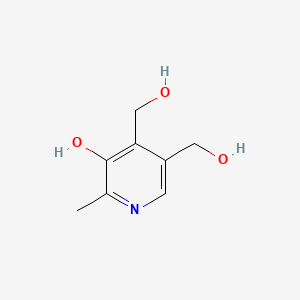
Vitamin B6 (Pyridoxine → PLP)
PLP cofactor for neurotransmitter synthesis; relies on brain PDXK activation
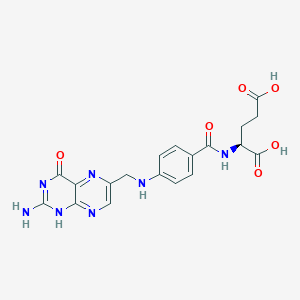
Vitamin B9 (Folate; 5-MTHF)
One-carbon metabolism; methylation; homocysteine recycling
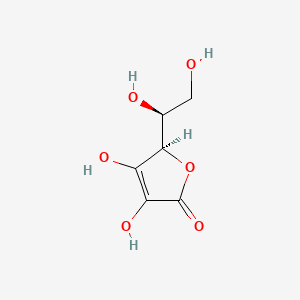
Vitamin C (Ascorbate)
Antioxidant; supports iron absorption; neuronal SVCT2 transport
References
[1] Houghton et al. (2016). Sulforaphane and Other Nutrigenomic Nrf2 Activators: Can the Clinician’s Expectation Be Matched by the Reality?. Constituent-level review of glucoraphanin, myrosinase and sulforaphane formation; not a fresh-sprout feeding trial.
[2] Egner et al. (2014). Rapid and Sustainable Detoxication of Airborne Pollutants by Broccoli Sprout Beverage: Results of a Randomized Clinical Trial in China. Twelve-week randomised trial of a quantified broccoli-sprout beverage (600 µmol glucoraphanin and 40 µmol sulforaphane daily): urinary mercapturic-acid markers rose for benzene and acrolein, not crotonaldehyde. Manufactured beverage, not blended fresh sprouts.