Greek Yogurt

Overview
Greek yogurt is fermented dairy providing live probiotics, complete protein, calcium, and B vitamins, supporting gut–brain axis communication. Key contributions include calcium, protein, and zinc. Pair with berries or nuts for polyphenol synergy.
Protein profile: Complete essential amino acid profile [1].
Key Nutritional Highlights
- Protein profile: Complete essential amino acid profile.
Food Context
Synergies
- Part of fermented foods strategy; fermented foods provide live microbes + postbiotic peptides; improved SCFA pools; vagal signaling
- Supports gut microbiome diversity; dietary diversity (≥30 plant foods per week) supports microbial richness and resilience
- Pair with berries/nuts for polyphenol synergy; practical pairings: berries + greek yogurt/nuts
Sourcing
- Choose plain, unsweetened products with live active cultures for probiotic benefits
Essential Amino Acid Profile
This food provides a complete essential amino acid profile typical of animal proteins.
Recipes
3 recipes containing this food
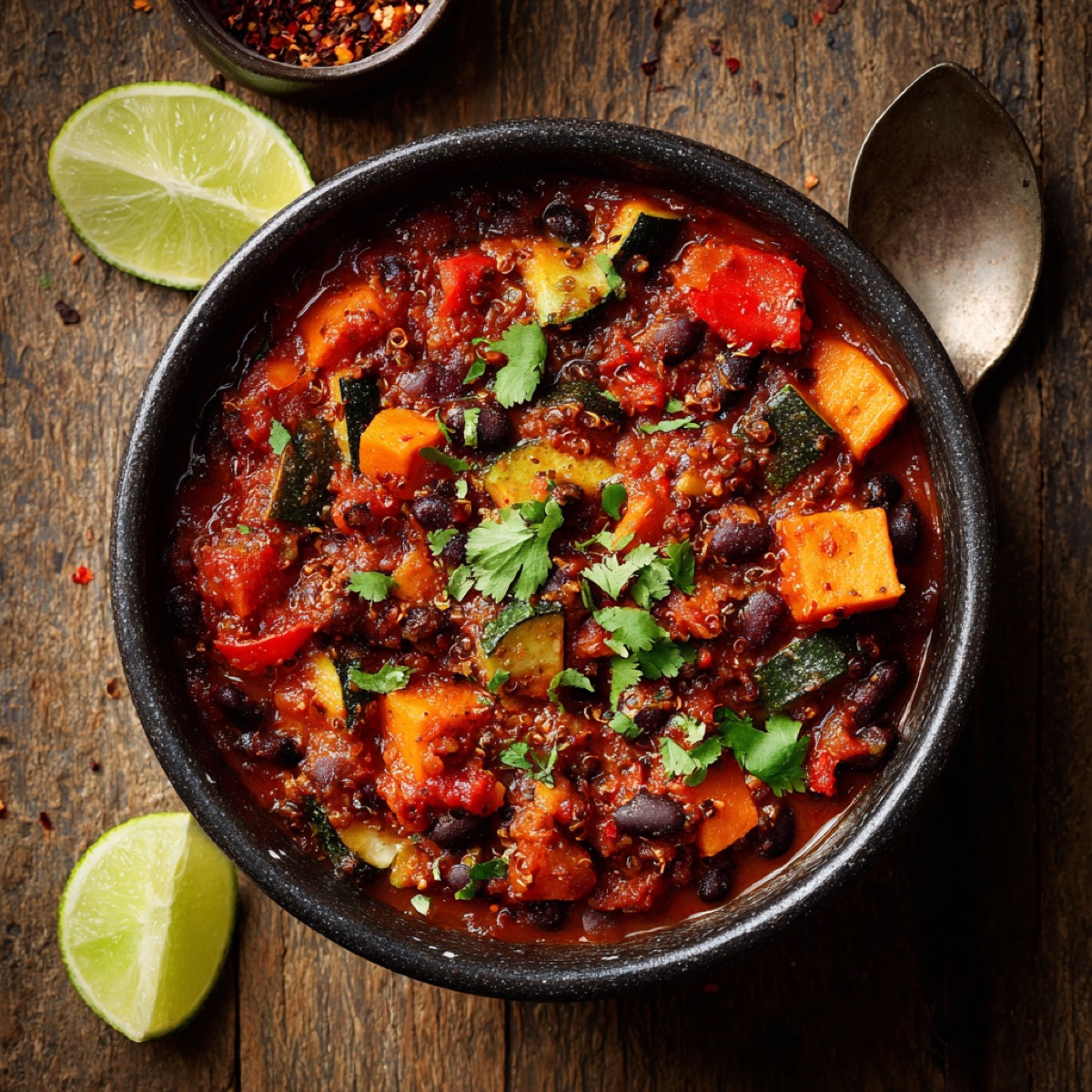
Black Bean & Sweet Potato Vegetable Chilli
A fibre-rich bean and vegetable chilli with warming spices and slow carbohydrates for steady energy and satiety.
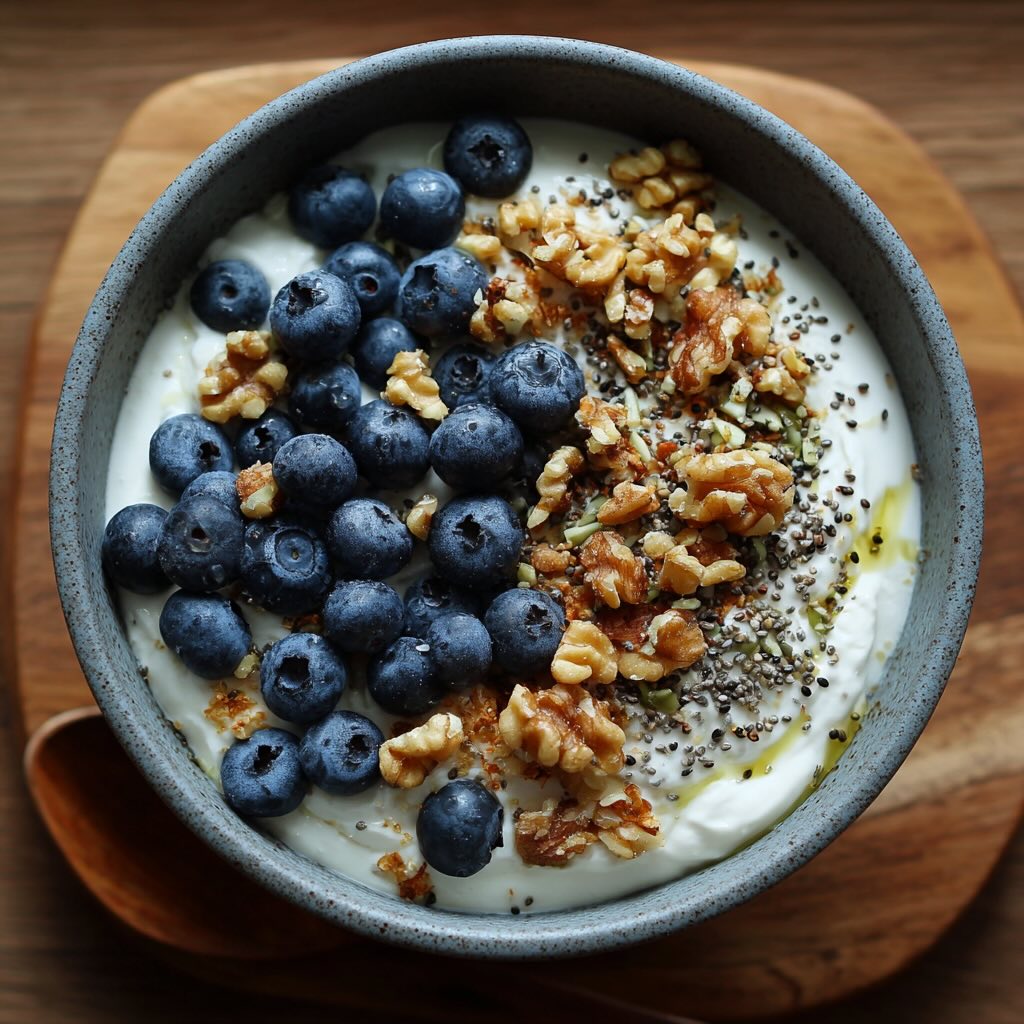
Ginger Yogurt and Blueberries
A polyphenol-rich breakfast bowl with high fibre, combining ginger, omega-3 nuts, blueberry polyphenols, and probiotic yogurt.
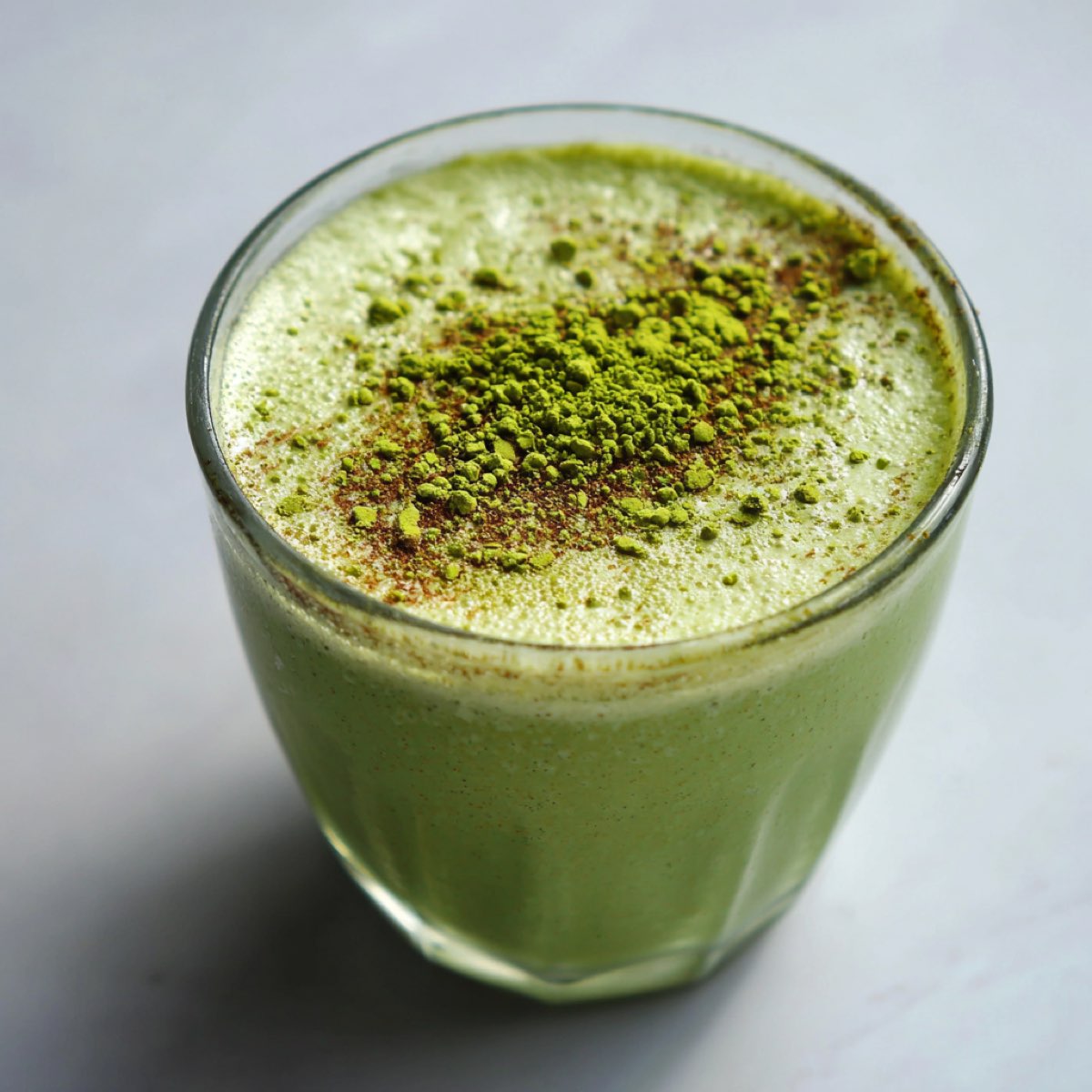
Matcha Mitochondria Smoothie
Mitochondrial energising smoothie rich in polyphenols, magnesium, and antioxidants
Nutrient Tables (per 100 g)
Core nutrients
| Nutrient | Amount per 100 g | % RDA per 100 g |
|---|---|---|
| Energy | 97 kcal | — |
| Protein | 9 g | — |
| Total fat | 5 g | — |
| Saturated fat | 2.4 g | — |
| Carbohydrates | 4 g | — |
| Sugars | 4 g | — |
Key vitamins and minerals
Vitamins and minerals supplying at least 15% of an adult reference intake per 100 g, derived from the composition panel. Tags do not decide which rows appear.
| Nutrient | Amount per 100 g | % RDA per 100 g |
|---|---|---|
| Phosphorus | 135 mg | 19.3% |
| Selenium | 9.7 µg | 17.6% |
| Vitamin B12 | 0.8 µg | 31.3% |
| Vitamin B2 | 0.3 mg | 21.4% |
Advanced Nutrition
Other quantitative vitamins and minerals from the same composition panel. They remain available for Substance cards and later scoring; they are not headline nutrients of this food.
| Nutrient | Amount per 100 g | % RDA per 100 g |
|---|---|---|
| Zinc | 0.5 mg | 4.7% |
| Magnesium | 11 mg | 2.6% |
| Manganese | 0 mg | 0.4% |
| Calcium | 100 mg | 10% |
| Potassium | 141 mg | 4.1% |
| Copper | 0 mg | 1.9% |
| Sodium | 35 mg | — |
| Choline | 15.1 mg | 2.7% |
| Folate | 5 µg | 1.3% |
| Vitamin B6 | 0.1 mg | 4.8% |
| Vitamin B1 | 0 mg | 1.9% |
| Vitamin B3 | 0.2 mg | 1.3% |
| Vitamin B5 | 0.3 mg | 6.6% |
| Vitamin A | 2 µg | 0.2% |
| Vitamin E | 0 mg | 0.1% |
Substances
References
[1] Fermentation goes further: lactic acid bacteria acidify the medium, activating microbial and endogenous phytases, while also increasing B-vitamin levels. LeBlanc & Laiño 2011. B-Group vitamin production by lactic acid bacteria - current knowledge and potential applications: Vitamin production by LAB