Vinegar Pickles
Overview
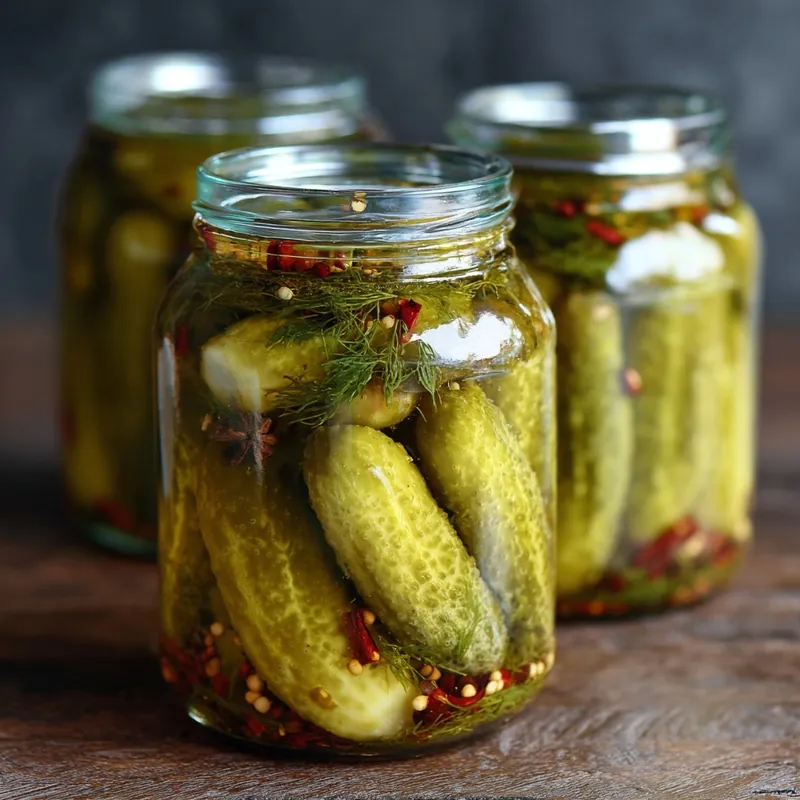
Vinegar pickles are plant foods preserved by acidification in a vinegar-based brine rather than by extended lacto-fermentation. The BRAIN Diet treats them as a distinct category from Fermented Vegetables (sauerkraut, kimchi, and similar), which rely on salt, lactic acid bacteria, and often deliver live cultures and fermentation-derived metabolites. This page describes the preservation chemistry and plausible biological relevance of vinegar pickling — not specific vegetable types or recipes.
For acetic acid as a condiment or meal modifier, see also Vinegar.
Acid preservation using vinegar
Preservation depends on lowering the pH of the food matrix with acetic acid from vinegar (often combined with salt and sometimes sugar). At sufficiently low pH, growth of spoilage organisms and pathogens is suppressed, allowing stable storage at ambient or refrigerated temperatures after processing. Commercial products are frequently heat-processed or pasteurized, which further limits microbial activity.
Minimal microbial fermentation
Unlike lacto-fermented vegetables, vinegar pickles are not primarily a probiotic food. Any brief fermentation before acidification is secondary to the added acid that defines the product. Pasteurized shelf-stable jars in particular should be assumed to carry little or no live fermentative flora, in contrast to unpasteurized sauerkraut or kimchi discussed on Fermented Vegetables.
Acetic acid exposure
The functional acid in vinegar pickles is acetic acid. When consumed, acetic acid from the brine and absorbed pickle matrix contributes to dietary acetic acid load at the meal level. This is mechanistically distinct from the lactic acid and microbial metabolites produced during vegetable fermentation, though both pathways lower pH and alter flavour.
Shelf-life extension
Acidification extends shelf-life by creating an environment unfavourable to most bacteria and moulds. Refrigeration after opening remains important for quality and safety, especially for reduced-salt or lightly acidified home preparations.
Texture and flavour changes
Acid and salt alter cell structure and water activity, producing the characteristic crisp-tart profile of vinegar-brined products. Heat processing, brine strength, and storage time further change texture (softening) and perceived acidity. These are culinary and matrix effects rather than neuroactive endpoints in themselves, but they influence how pickles are used — typically as condiments or small sides, not bulk vegetable servings.
Potential Biological Relevance
Acetic acid and glycaemic response
Acetic acid from vinegar has been studied as a meal-level modifier of glucose appearance. In people with insulin resistance or type 2 diabetes, vinegar taken with a high-carbohydrate meal improved insulin sensitivity and reduced post-prandial glycaemia Johnston et al. 2004. That evidence underpins BRAIN Diet glycaemic strategies that include vinegar and acidic foods alongside protein, fibre, and meal sequencing — see BRS6-FM1-PM1 Glucose Appearance Kinetics and BRS6(FM1) Glycaemic–Insulin Stability.
Vinegar pickles deliver acetic acid within the food matrix and brine, so portion size, brine consumption, and total meal composition determine exposure. In vitro work on apple vinegar also reports α-glucosidase and α-amylase inhibition and polyphenol-associated antioxidant activity Ousaaid et al. 2022; extrapolation to whole pickle products should be cautious because brine composition and processing differ.
Reduced fermentation-derived metabolites compared with fermented vegetables
Lacto-fermented vegetables can contribute live microbes, organic acids, and downstream gut-derived metabolites (including short-chain fatty acids such as butyrate and acetate produced from fibre fermentation in the colon) that are central to the BRAIN Diet’s fermented-food strategy. Wastyk et al. 2021 is fermented-food dietary-pattern evidence, not a vinegar-pickle trial Wastyk et al. 2021.
Vinegar pickles should not be substituted for fermented vegetables when the goal is probiotic exposure, GABA-associated fermentation pathways, or broad fermentation-derived postbiotic support. They may still contribute dietary acetic acid at the meal, but not the same live-culture or extended fermentation metabolite profile as sauerkraut, kimchi, or kefir.
Potential sodium burden depending on preparation
Commercial dill-style vinegar pickles are often high in sodium (illustrative USDA record: ~809 mg sodium per 100 g for “pickles, cucumber, dill or kosher dill”). Salt is used for flavour, texture, and preservation alongside acid. For people monitoring blood pressure or total sodium intake, portion size, rinsing, and label comparison (including reduced-sodium products) matter more than for fresh vegetables. Sweet pickle styles add sugar as well as salt, shifting the metabolic context of the meal.
Preservation of some phytochemicals
Acidification and reduced pH can slow oxidative degradation of some plant compounds compared with unprocessed produce, though heat processing and long storage may still reduce heat-sensitive vitamins. Polyphenols and other phytochemicals from the starting plant material may persist in the edible portion and brine to varying degrees depending on processing time, temperature, and acidity. Vinegar itself can carry polyphenols (especially in less-refined vinegars) Ousaaid et al. 2022. Quantitative phytochemical retention is product-specific; the nutrition table above reflects a common commercial proxy, not all pickle styles.
Food Context
Synergies
- Use as a low-volume acidic condiment within meals that already include protein, fibre, and diverse plants — consistent with glycaemic-modulation patterns that pair vinegar with carbohydrate-containing foods Johnston et al. 2004
- Combine with Fermented Vegetables in the diet when both acetic acid at the meal and lacto-fermentation benefits are desired — they are complementary categories, not interchangeable
Sourcing
- Prefer labels with transparent brine ingredients (vinegar type, salt, added sugar)
- Choose reduced-sodium varieties when sodium intake is a priority
Preparation
- Rinse or drain if sodium is a concern
- Refrigerate after opening
- Do not assume unpasteurized probiotic content unless explicitly labelled and handled accordingly
Recipes
Nutrient Tables (per 100 g)
Selected food and preparation: Pickles, cucumber, dill or kosher dill. per 100 g edible portion.
Core nutrients
| Nutrient | Amount per 100 g | % reference intake per 100 g |
|---|---|---|
| Energy | 12 kcal | — |
| Protein | 0.5 g | — |
| Total fat | 0.3 g | — |
| Saturated fat | 0.1 g | — |
| Carbohydrates | 2.4 g | — |
| Sugars | 1.1 g | — |
| Fibre | 1 g | — |
Key vitamins and minerals
Vitamins and minerals supplying at least 10% of an adult reference intake per 100 g, derived from the composition panel.
| Nutrient | Amount per 100 g | % reference intake per 100 g |
|---|---|---|
| Vitamin K | 17.3 µg | 14.4% |
Substances
References
[1] Johnston et al. (2004). Vinegar improves insulin sensitivity to a high-carbohydrate meal in subjects with insulin resistance or type 2 diabetes.. Vinegar improves insulin sensitivity to a high-carbohydrate meal.
[2] Ousaaid et al. (2022). The Nutritional and Antioxidant Potential of Artisanal and Industrial Apple Vinegars and Their Ability to Inhibit Key Enzymes Related to Type 2 Diabetes In Vitro. Apple vinegar polyphenols, antioxidant activity, and in vitro α-glucosidase/α-amylase inhibition.
[3] Wastyk et al. (2021). Gut-microbiota-targeted diets modulate human immune status. Gut microbiota–targeted diets and fermented-food context.