Cheddar Cheese
Overview
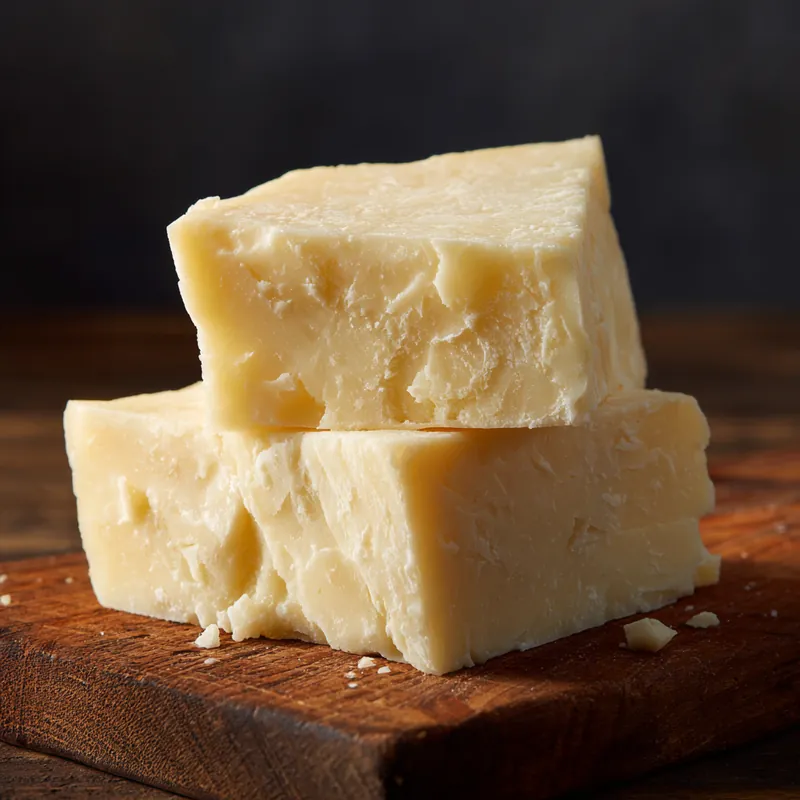
Cheddar cheese provides complete protein, calcium, vitamin B12, and zinc in a fermented dairy matrix [1]. Fermented dairy foods contribute live and postbiotic bacterial metabolites relevant to gut microbiota patterns [2].
Within the BRAIN Diet framework, cheddar is a nutrient-dense dairy protein used in modest portions; saturated fat and sodium content warrant portion awareness
Key Nutritional Highlights
- Complete animal protein with calcium and vitamin B12 [1].
- Fermented dairy matrix with microbiota-modulating interest [2].
- Energy-dense; typical portions are 30–40 g, not 100 g.
- Aged varieties are lower lactose; sodium varies by product.
Food Context
Synergies
- Pairs with whole grains or beans for varied amino acid patterns and sustained meals.
- With vegetables or salad, adds protein and fat that can support satisfaction and micronutrient absorption from mixed meals.
- As a fermented matrix, aged cheddar may deliver viable microbial populations more effectively than low-buffer liquid matrices in some conditions (Leeuwendaal et al., 2021; Karimi et al., 2011).
Sourcing
- Aged cheddar and traditional styles differ in flavour, salt, and sometimes fat; read labels for sodium and % milk fat if you need to limit those.
- Colour (natural annatto vs. white) does not change the core protein–mineral profile materially; it is mostly cosmetic.
Preparation
- Grate or slice for controlled portions; melting in sauces changes texture, not the basic nutrient list.
- Storage: wrap tightly and refrigerate; surface mould on hard cheese is often trimmable, but follow food-safety guidance for your region.
Essential Amino Acid Profile
Animal cheese provides a complete essential amino acid profile with high digestibility; cheddar is often used as a protein contributor in small amounts rather than as the main protein of a meal.
Recipes
Nutrient Tables (per 100 g)
Core nutrients
| Nutrient | Amount per 100 g | % RDA per 100 g |
|---|---|---|
| Energy | 403 kcal | — |
| Protein | 22.9 g | — |
| Total fat | 33.3 g | — |
| Saturated fat | 18.9 g | — |
| Carbohydrates | 3.4 g | — |
| Sugars | 0.5 g | — |
Key vitamins and minerals
Vitamins and minerals supplying at least 15% of an adult reference intake per 100 g, derived from the composition panel. Tags do not decide which rows appear.
| Nutrient | Amount per 100 g | % RDA per 100 g |
|---|---|---|
| Zinc | 3.6 mg | 33.1% |
| Phosphorus | 455 mg | 65% |
| Selenium | 28.5 µg | 51.8% |
| Calcium | 710 mg | 71% |
| Vitamin B12 | 1.1 µg | 45.8% |
| Vitamin B2 | 0.4 mg | 32.9% |
| Vitamin A | 337 µg | 37.4% |
Advanced Nutrition
Other quantitative vitamins and minerals from the same composition panel. They remain available for Substance cards and later scoring; they are not headline nutrients of this food.
| Nutrient | Amount per 100 g | % RDA per 100 g |
|---|---|---|
| Iron | 0.1 mg | 0.8% |
| Magnesium | 27 mg | 6.4% |
| Manganese | 0 mg | 1.2% |
| Potassium | 76 mg | 2.2% |
| Copper | 0 mg | 3.3% |
| Sodium | 653 mg | — |
| Choline | 16.5 mg | 3% |
| Folate | 27 µg | 6.8% |
| Vitamin B6 | 0.1 mg | 5.1% |
| Vitamin B1 | 0 mg | 2.4% |
| Vitamin B3 | 0.1 mg | 0.4% |
| Vitamin B5 | 0.4 mg | 8.2% |
| Vitamin D | 0.6 µg | 4% |
| Vitamin E | 0.7 mg | 4.7% |
| Vitamin K | 2.4 µg | 2% |
Substances
Substances admitted through a supported nutrition-table row. Not every table row appears here. Cards are not BRS mappings.
4 substances in this food
Calcium
Bone health; neurotransmission; interacts with vitamin D and K2
Selenium
Antioxidant enzyme cofactor (GPx); supports redox balance
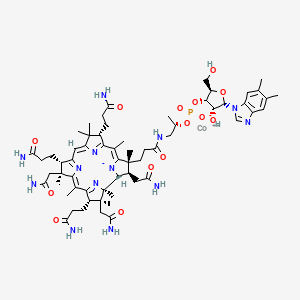
Vitamin B12 (Cobalamin)
Methylation; myelin; mitochondrial odd-chain FA metabolism
Zinc
Cofactor in neurotransmission and antioxidant enzymes; dopamine modulation
References
[1] Complete animal protein with calcium and vitamin B12. Leeuwendaal & Stanton 2021. The potential of non-starter lactic acid bacteria from Cheddar cheese to colonise the gut
[2] Fermented dairy matrix with microbiota-modulating interest. Karimi & Mortazavian 2011. Viability of probiotic microorganisms in cheese during production and storage: a review