Potassium
K+
Overview
Potassium is an essential mineral and electrolyte that plays a fundamental role in maintaining cellular function and nerve transmission. It is critical for establishing and maintaining membrane potential in neurons, which is essential for nerve signaling and neuronal excitability. Potassium works in balance with sodium to regulate fluid balance, blood pressure, and cardiovascular function. Adequate potassium intake from whole foods like fruits, vegetables, and legumes helps balance the effects of sodium and supports optimal nerve and muscle function.
Dietary absorption and meal context
- Physiologic form: Potassium acts as the potassium ion (K+) in extracellular and intracellular fluid compartments.
- Main dietary forms: Potassium in whole foods is commonly present as potassium salts of organic acids and phosphates.
- Practical pattern: Increase potassium-rich whole foods (legumes, greens, tubers, fruit) while keeping sodium-heavy processed foods lower to improve the sodium:potassium balance.
Recipes
14 recipes containing this substance
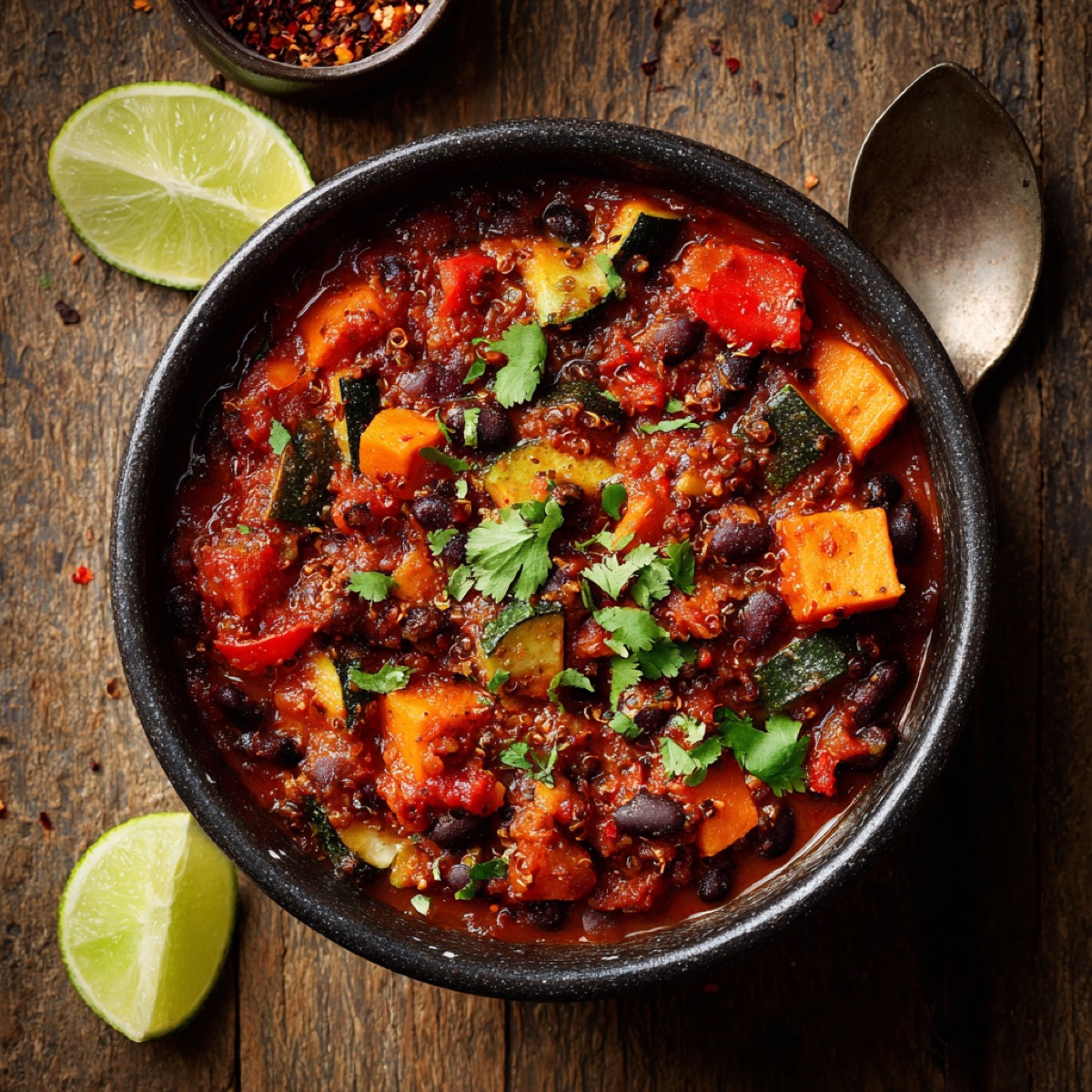
Black Bean & Sweet Potato Vegetable Chilli
A fibre-rich bean and vegetable chilli with warming spices and slow carbohydrates for steady energy and satiety.
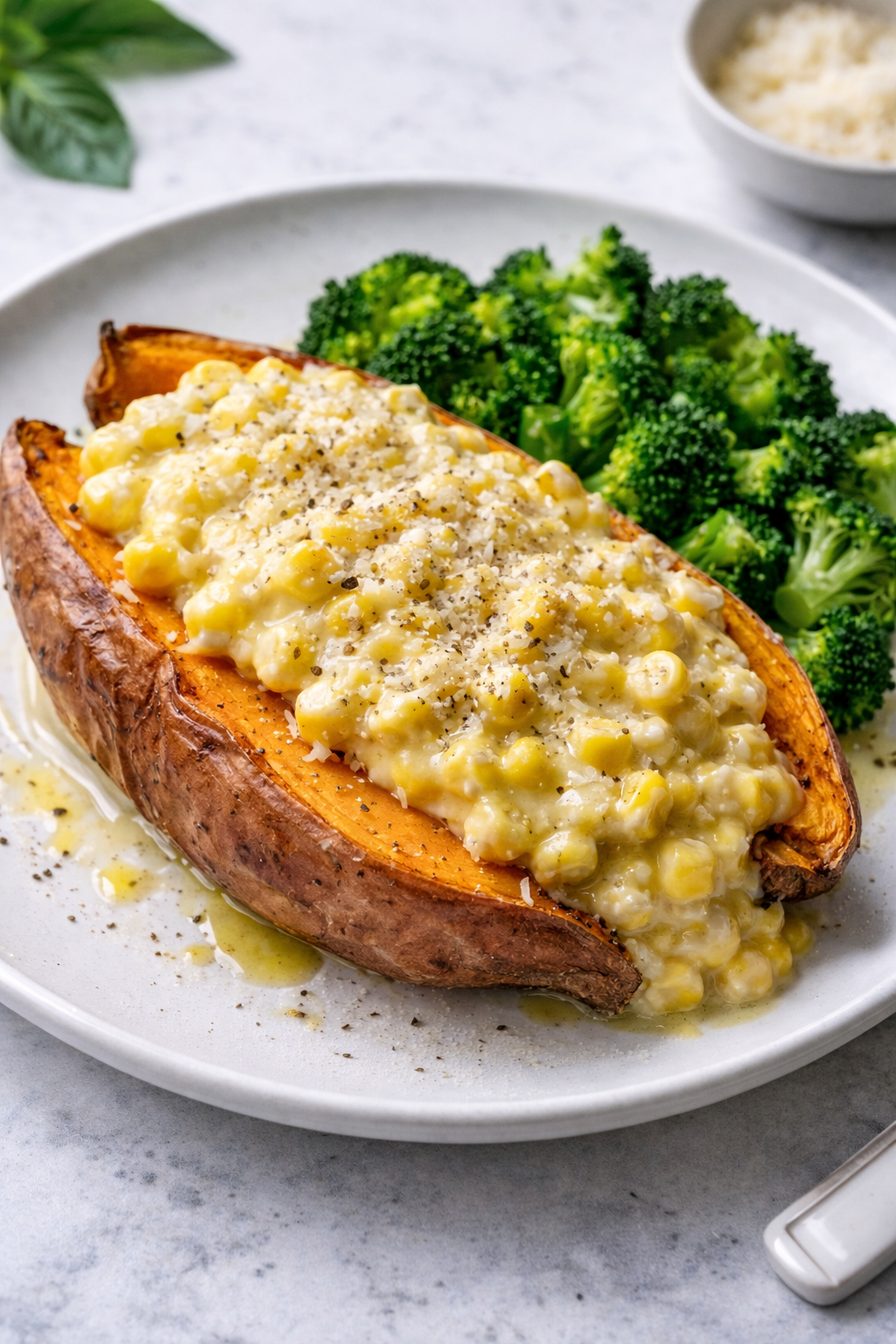
Creamed Corn on Roasted Sweet Potato
Roasted sweet potato with creamed corn and a mixed lipid phase to enhance carotenoid absorption; served with broccoli for fibre and glucosinolates.
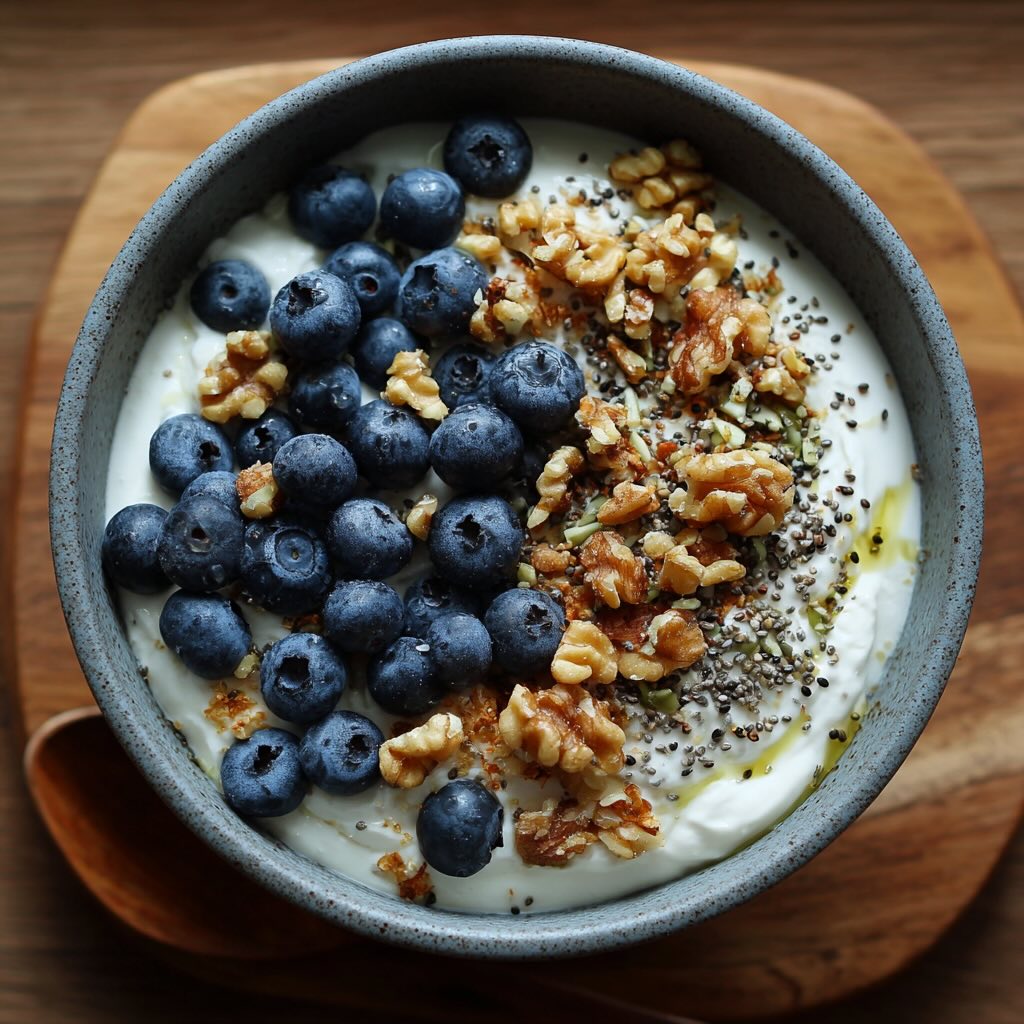
Ginger Yogurt and Blueberries
A polyphenol-rich breakfast bowl with high fibre, combining ginger, omega-3 nuts, blueberry polyphenols, and probiotic yogurt.
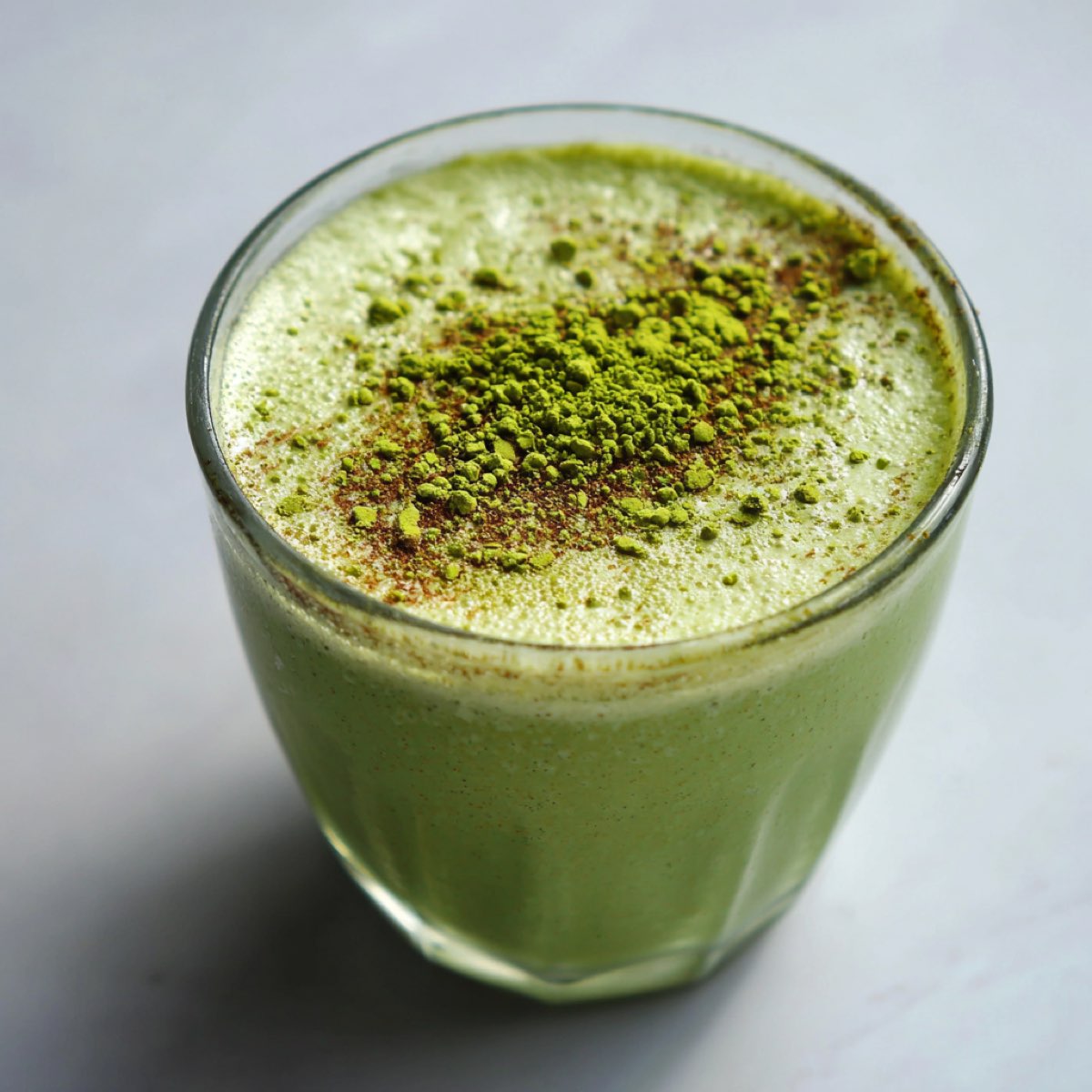
Matcha Mitochondria Smoothie
Mitochondrial energising smoothie rich in polyphenols, magnesium, and antioxidants
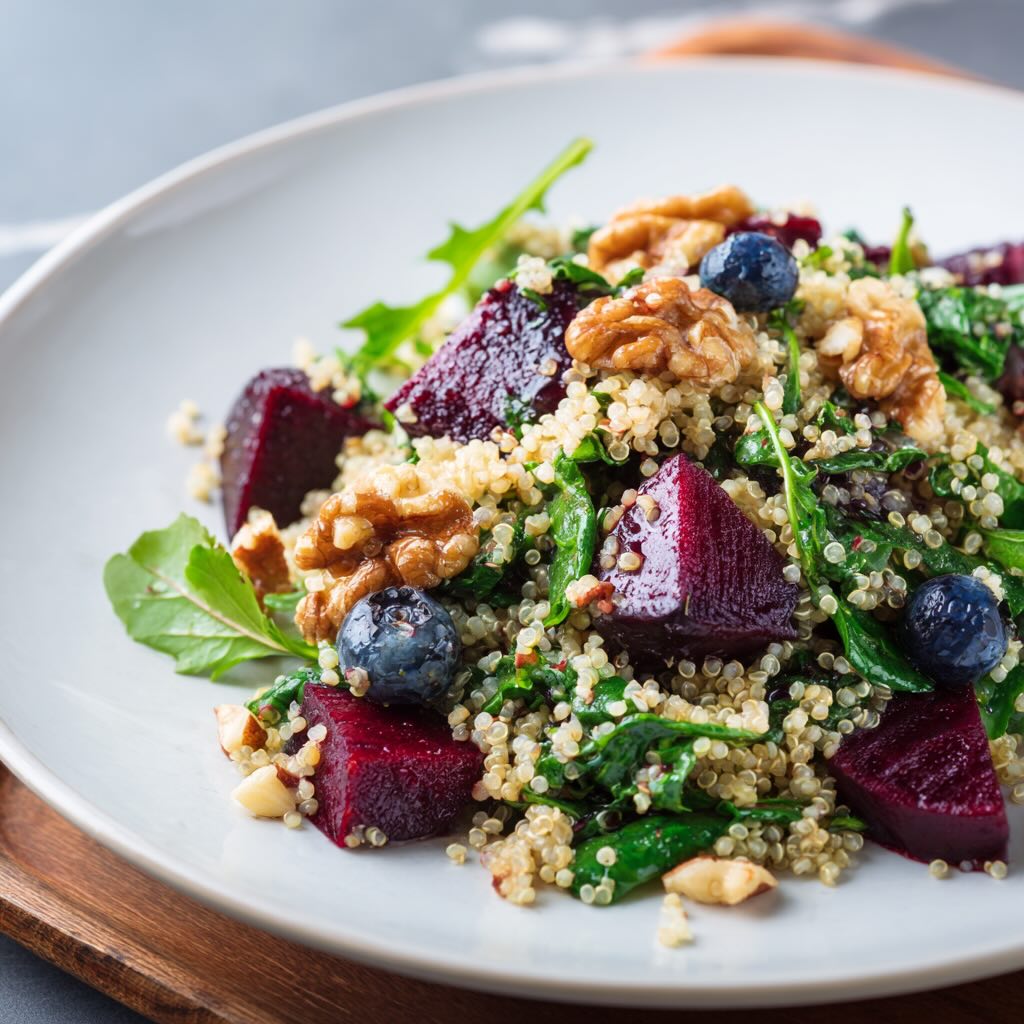
Mitochondrial Power Bowl
A nitrate-rich, polyphenol-dense bowl combining leafy greens, beets, berries, nuts, and early harvest olive oil
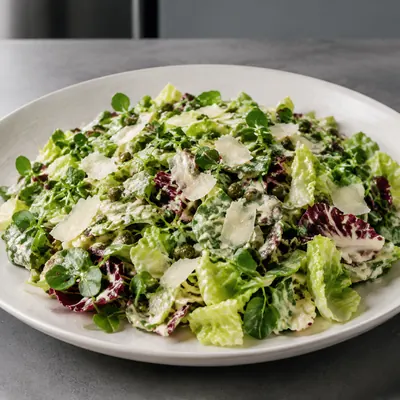
Mixed-Leaf Tahini Caesar Salad
A Caesar-style mixed-leaf salad with a tahini, anchovy, caper and Parmesan dressing, using extra virgin olive oil retained from oil-packed capers.
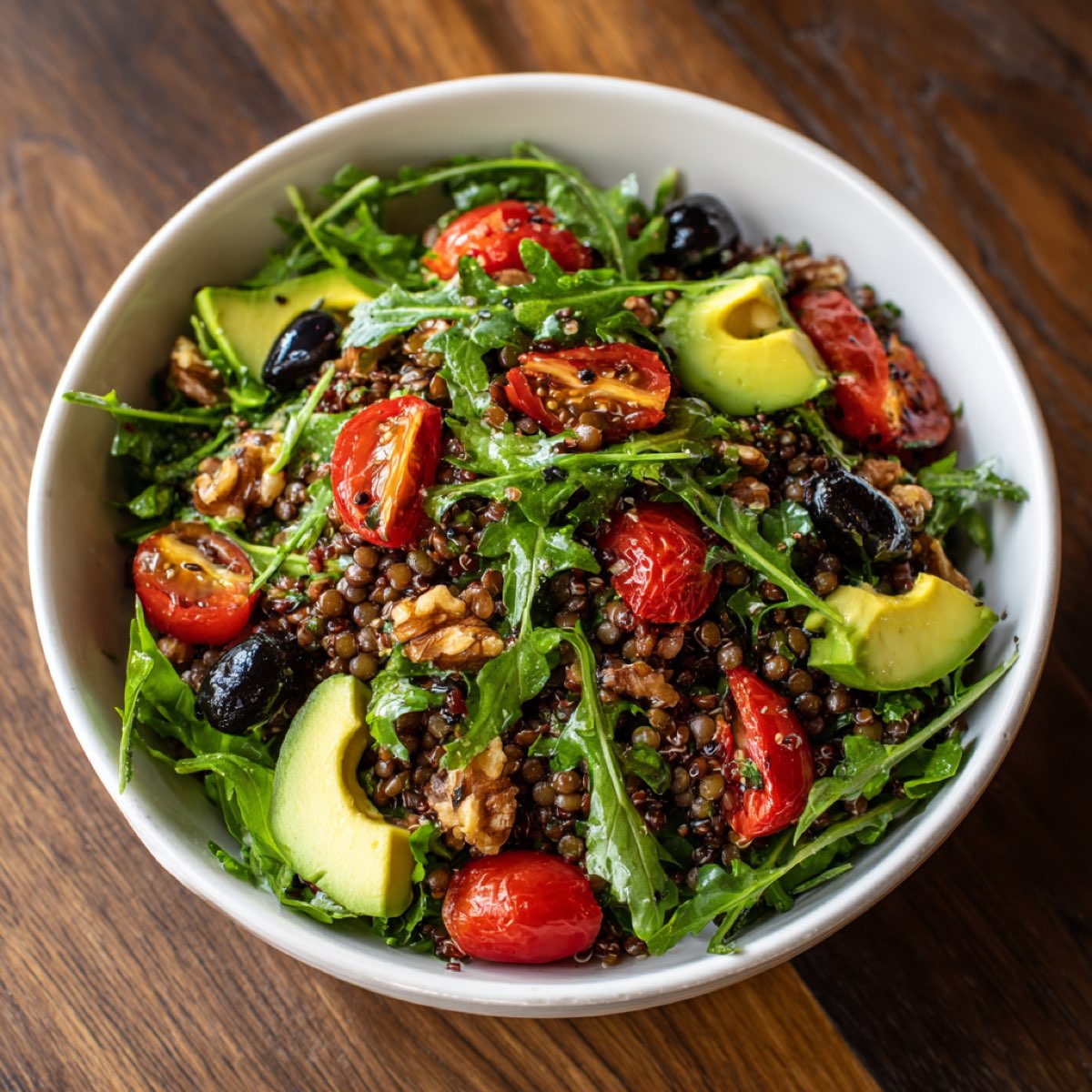
Rocket Lentil Avocado Midday Salad (Gut-Supporting)
Polyphenol-rich midday salad with quinoa or lentils, vegetables, avocado, and early harvest olive oil
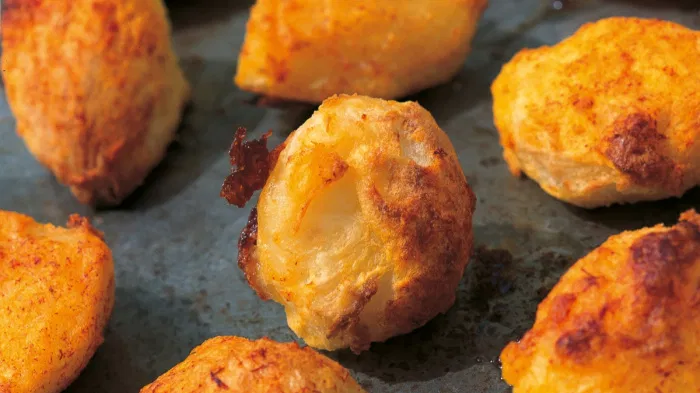
Saffron Roast Potatoes
Crisp roast potatoes finished with saffron-infused olive oil, designed to maximise colour, flavour and texture while remaining adaptable to many main dishes.
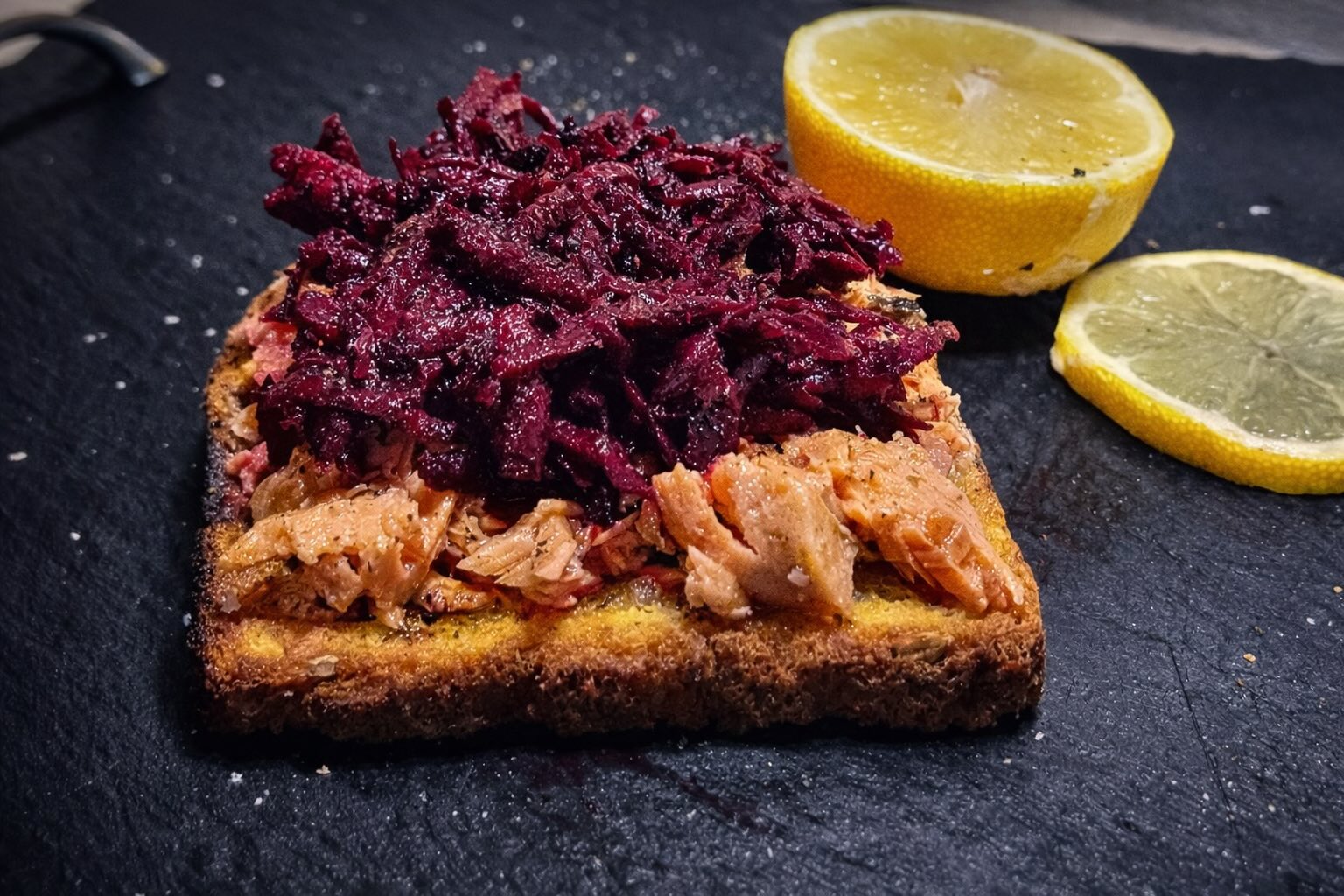
Salmon & Grated Beetroot Toast (with Lemon)
A fast, brain-forward open sandwich combining omega-3 rich salmon, nitrate/polyphenol beetroot, and lemon acidity for a sharp, savoury bite.
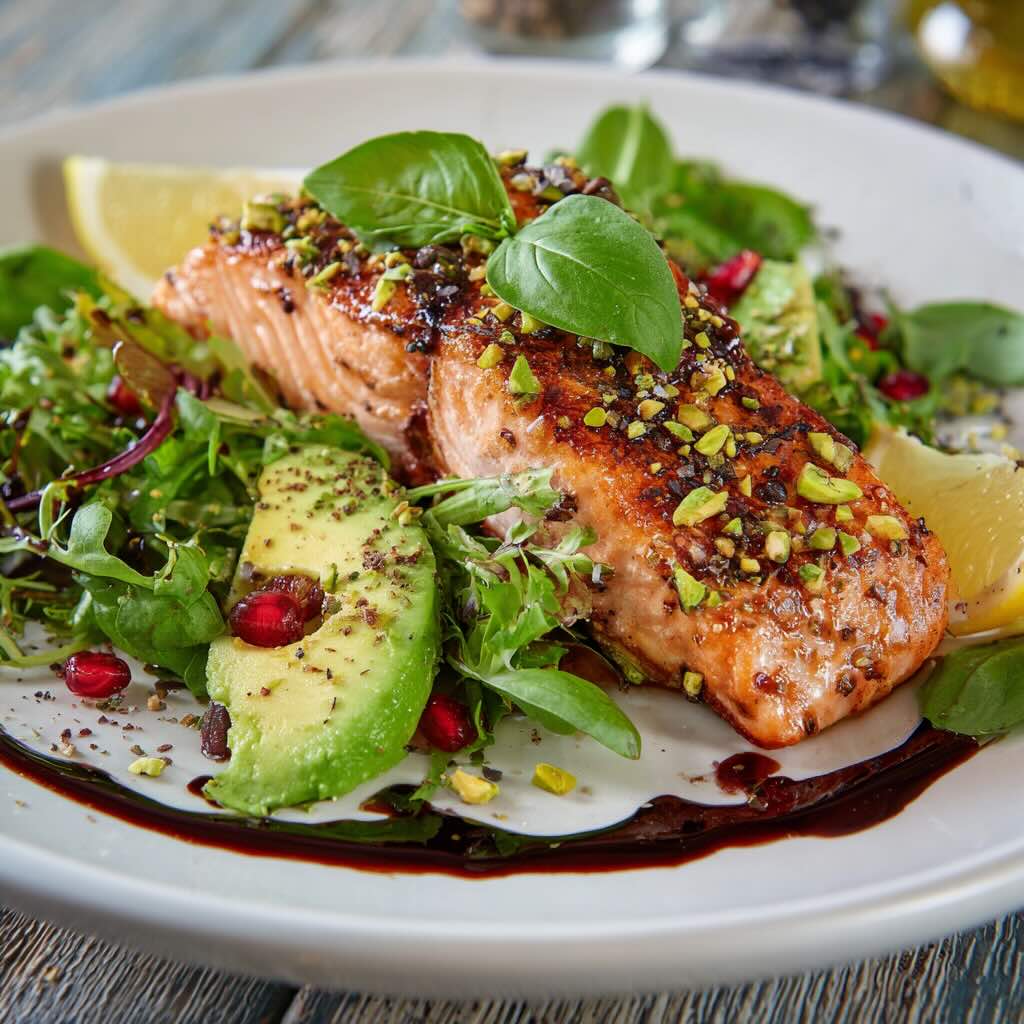
Salmon Bowl-pistachio-cacao-nibs
A Mediterranean-style bowl combining salmon, avocado, pistachios, cacao nibs, and early harvest olive oil — rich in omega-3 fats, polyphenols, and fibre.
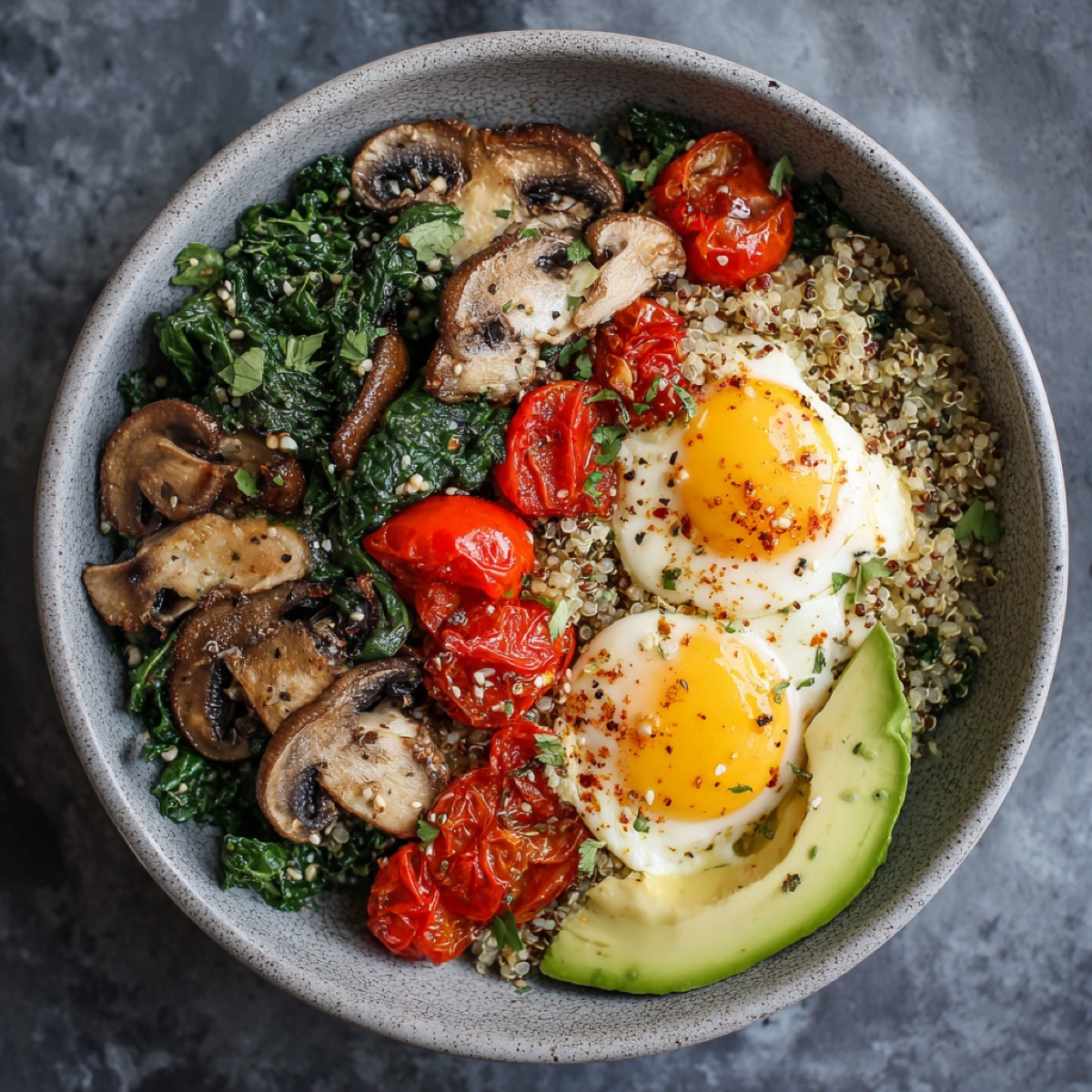
Savoury Greens & Egg Breakfast Skillet
A warm savoury breakfast skillet with eggs, greens, and slow carbohydrates for steady morning energy.

Turkey Wing Stew
A collagen-rich, glycine-heavy slow-cooked stew made from affordable turkey wings — rich in protein, tryptophan, and B vitamins.
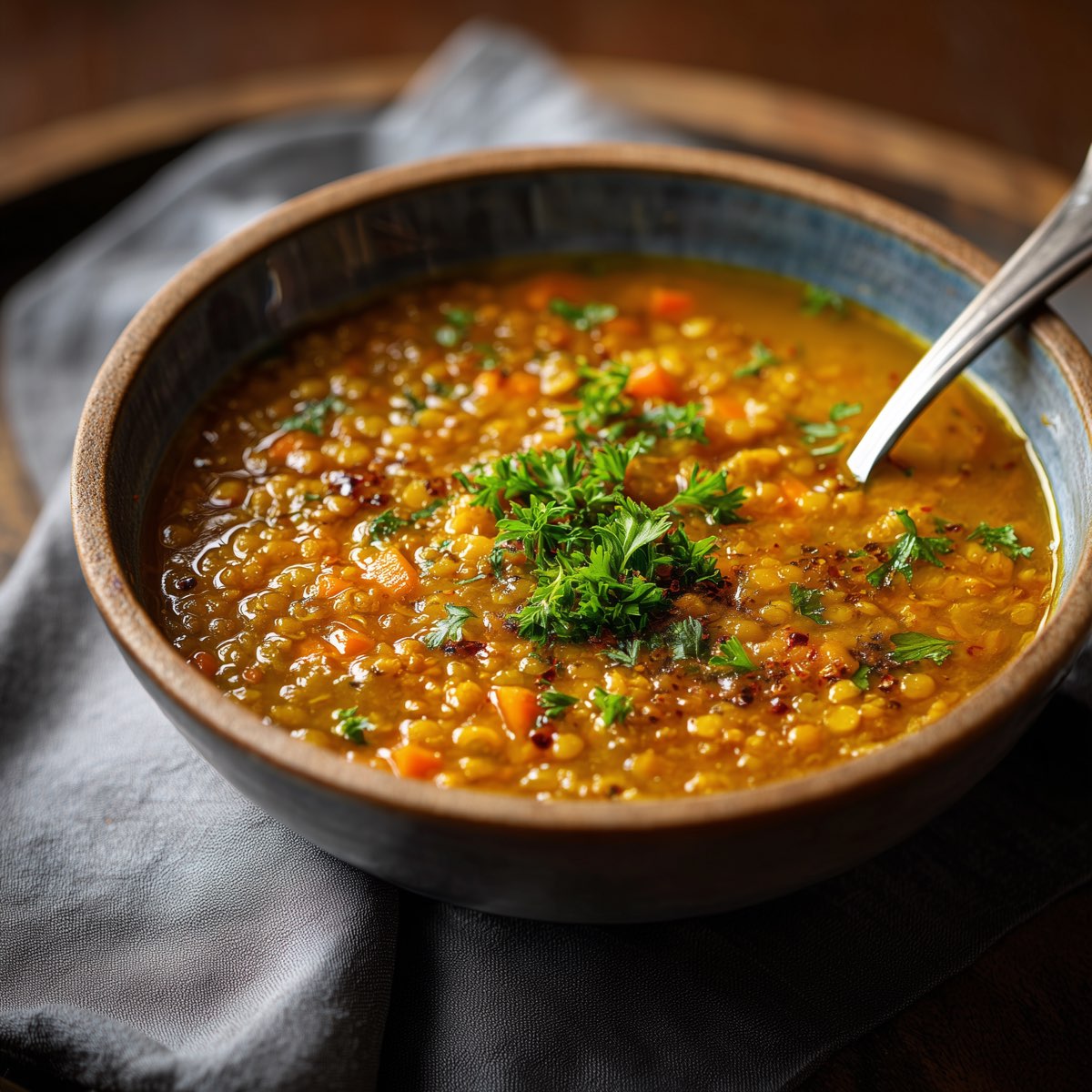
Turmeric Lentil Dahl
Turmeric- and ginger-spiced lentil dish rich in fibre, folate, and polyphenols

Turmeric Milk
A warming drink combining turmeric (curcumin) with milk/fat for enhanced curcumin absorption
Foods
22 foods containing this substance
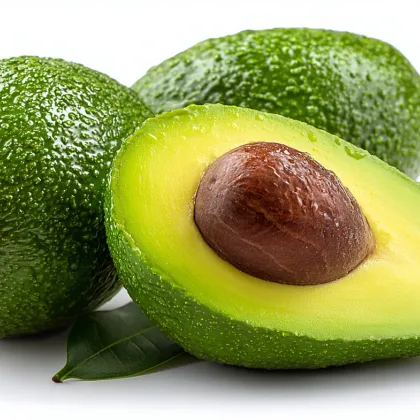
Avocado
Fibre-rich fruit with mostly monounsaturated fat, vitamin E and carotenoids
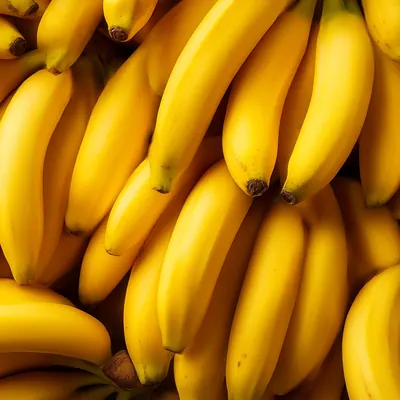
Bananas
Fruit providing vitamin B6 and potassium; starch profile changes with ripeness
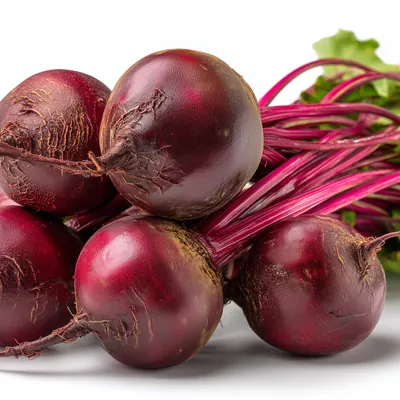
Beetroot
Root vegetable providing dietary nitrate and betalain pigments
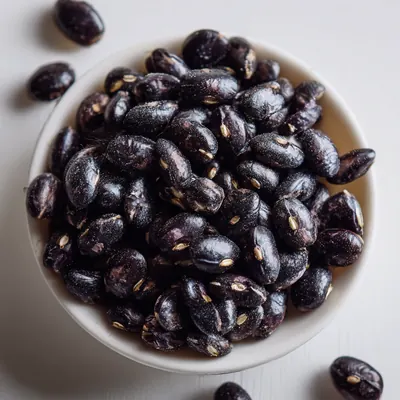
Black Beans
Legume with polyphenols and protein; optimal soaking conditions detailed
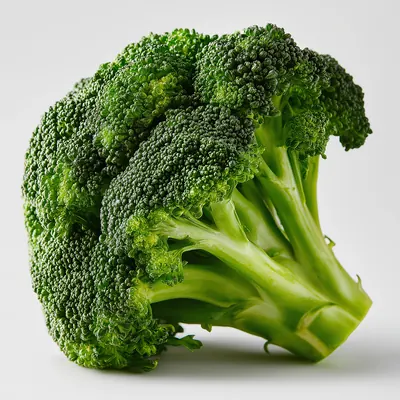
Broccoli
Cruciferous vegetable rich in sulforaphane, folate, and glutathione precursors
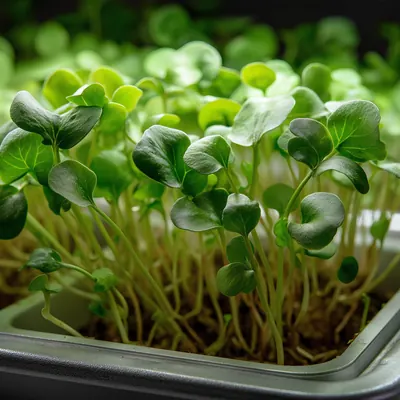
Broccoli Sprouts
Young broccoli sprouts valued for glucoraphanin and sulforaphane potential, vitamin C, and Nrf2-supportive phytochemistry
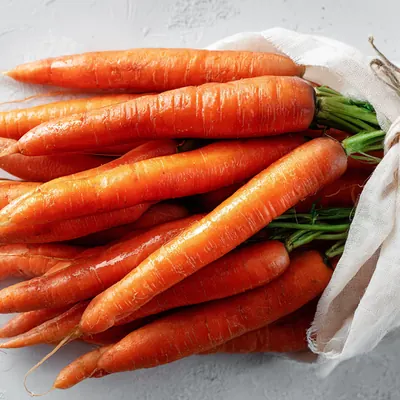
Carrots
Beta-carotene source with food matrix effects on absorption
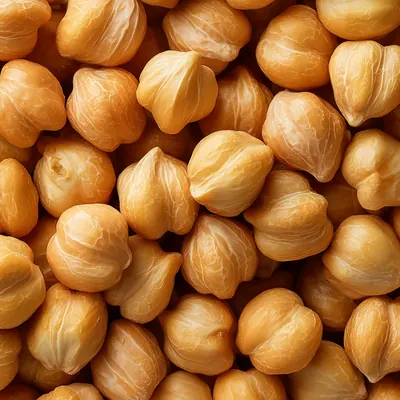
Chickpeas
Legume providing protein, fiber, folate, magnesium, and B6

Grapes
Resveratrol source for SIRT1 activation and NAD+ support

Greek Yogurt
Fermented dairy providing probiotics and complete protein

Green Tea
Source of EGCG, L-theanine, and polyphenols for cognitive and metabolic support

Jerusalem Artichokes
Highest inulin content among common foods

Kale
Leafy green rich in iron, magnesium, zinc, quercetin, and carotenoids

Lentils
Legume rich in protein, fibre, folate, iron, and prebiotics

Milk
Complete protein, nicotinamide riboside, and calcium

Pomegranates
Ellagitannins for urolithin A production and polyphenol support

Potatoes
Starchy vegetable providing resistant starch when cooled

Sourdough Bread
Fermented bread with GABA, improved amino acid bioavailability, and optimized Maillard products

Spinach
Leafy green rich in iron, magnesium, folate, and carotenoids

Sweet Potatoes
Root vegetable rich in beta-carotene, fibre, and potassium

Tomatoes
Lycopene, vitamin C, and food matrix effects on absorption
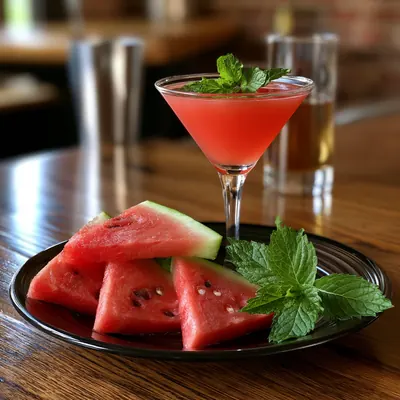
Watermelon
Hydrating fruit contributing citrulline within an arginine-nitric oxide network context
Biological Mechanisms and Implications
References
- Potassium is critical for membrane potential, nerve signaling, and cardiovascular regulation; adequate intake balances sodium effects
- Green tea contributes manganese and small amounts of fluoride and potassium, alongside polyphenols that support antioxidant defenses