Magnesium
Mg2+
Overview
Magnesium is an essential mineral that serves as a cofactor in over 300 enzymatic reactions throughout the body. Its biological effects are mediated by magnesium ions (Mg2+), not elemental magnesium metal. In the brain, magnesium helps regulate excitatory and inhibitory tone through NMDA and GABA-related signaling, and it supports ATP-dependent energy metabolism. Deficiency is common and can worsen sleep quality, stress resilience, mood, and attention-related symptoms.
Dietary absorption and meal context
- Food-first foundation: Prioritize magnesium-rich whole foods such as leafy greens, legumes, nuts, seeds, and cocoa/dark chocolate.
- Inhibitors and processing: High phytate loads can reduce absorption from some plant foods; soaking, sprouting, and fermentation can improve mineral availability.
- Cofactor context: Magnesium status interacts with vitamin D and calcium physiology, so intake patterns should be considered together rather than in isolation.
Magnesium forms: practical guidance for brain-focused use
Dietary forms
In foods, magnesium is consumed as ionic magnesium associated with natural salts and complexes in the food matrix. This is the preferred baseline approach for The BRAIN Diet.
Supplement forms
- Magnesium L-threonate (most brain-targeted): Developed to improve central nervous system delivery; early human and preclinical studies suggest potential benefits for sleep architecture and some cognitive outcomes, but evidence remains early-stage and needs larger, longer trials.
- Magnesium glycinate (practical runner-up): Well-absorbed chelated form that is often better tolerated gastrointestinally and commonly used when stress, sleep quality, or mild anxiety are relevant concerns.
- Magnesium oxide (generally avoid as a first-line choice): Lower fractional absorption makes it a weaker option when the goal is repletion for neurologic or sleep-related outcomes.
Bottom line
For a brain-focused protocol, keep a food-first pattern, then consider magnesium L-threonate when a cognition/sleep target is explicit, with magnesium glycinate as a practical and often more affordable alternative for general repletion and tolerance.
Recipes
12 recipes containing this substance
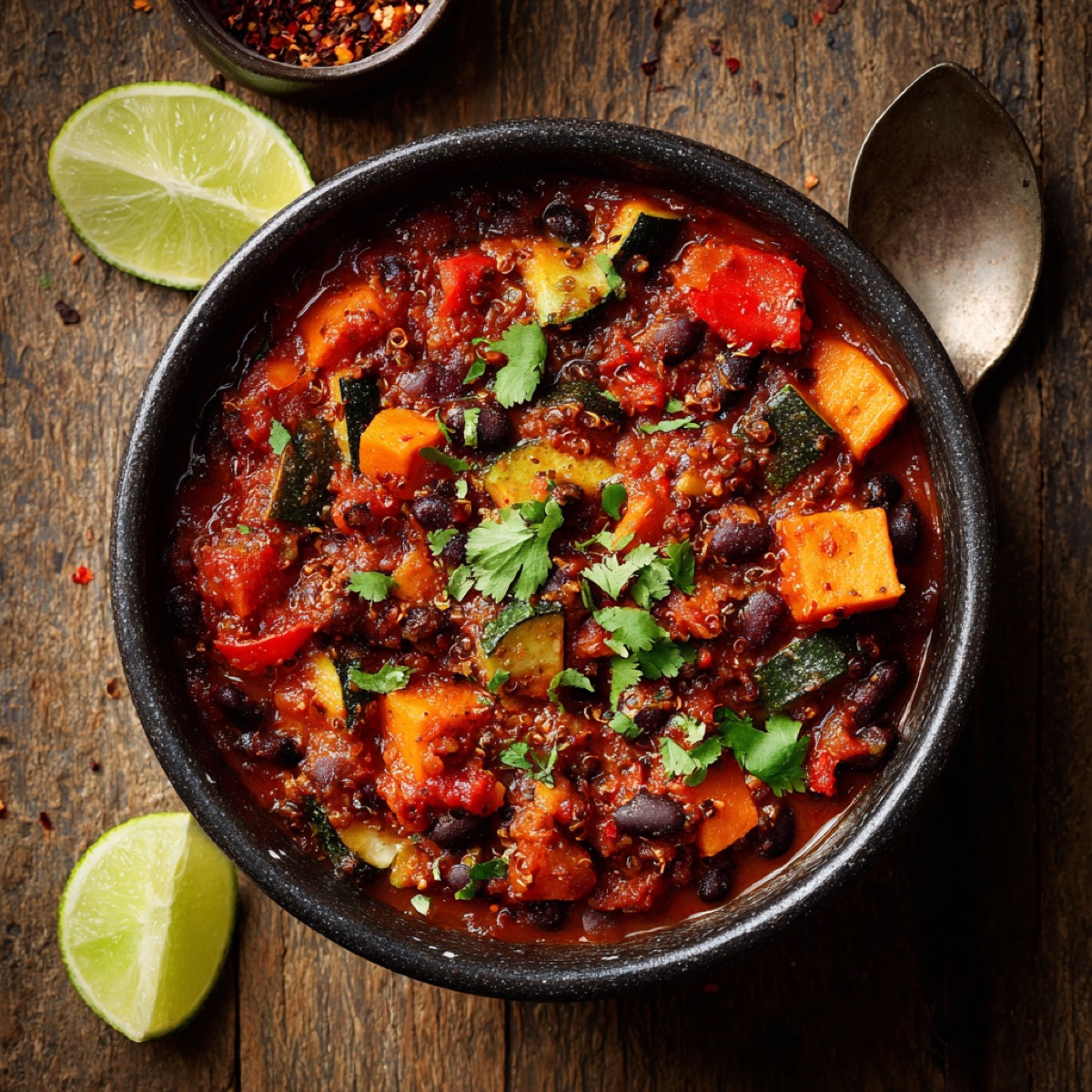
Black Bean & Sweet Potato Vegetable Chilli
A fibre-rich bean and vegetable chilli with warming spices and slow carbohydrates for steady energy and satiety.

Creamed Corn on Roasted Sweet Potato
Roasted sweet potato with creamed corn and a mixed lipid phase to enhance carotenoid absorption; served with broccoli for fibre and glucosinolates.
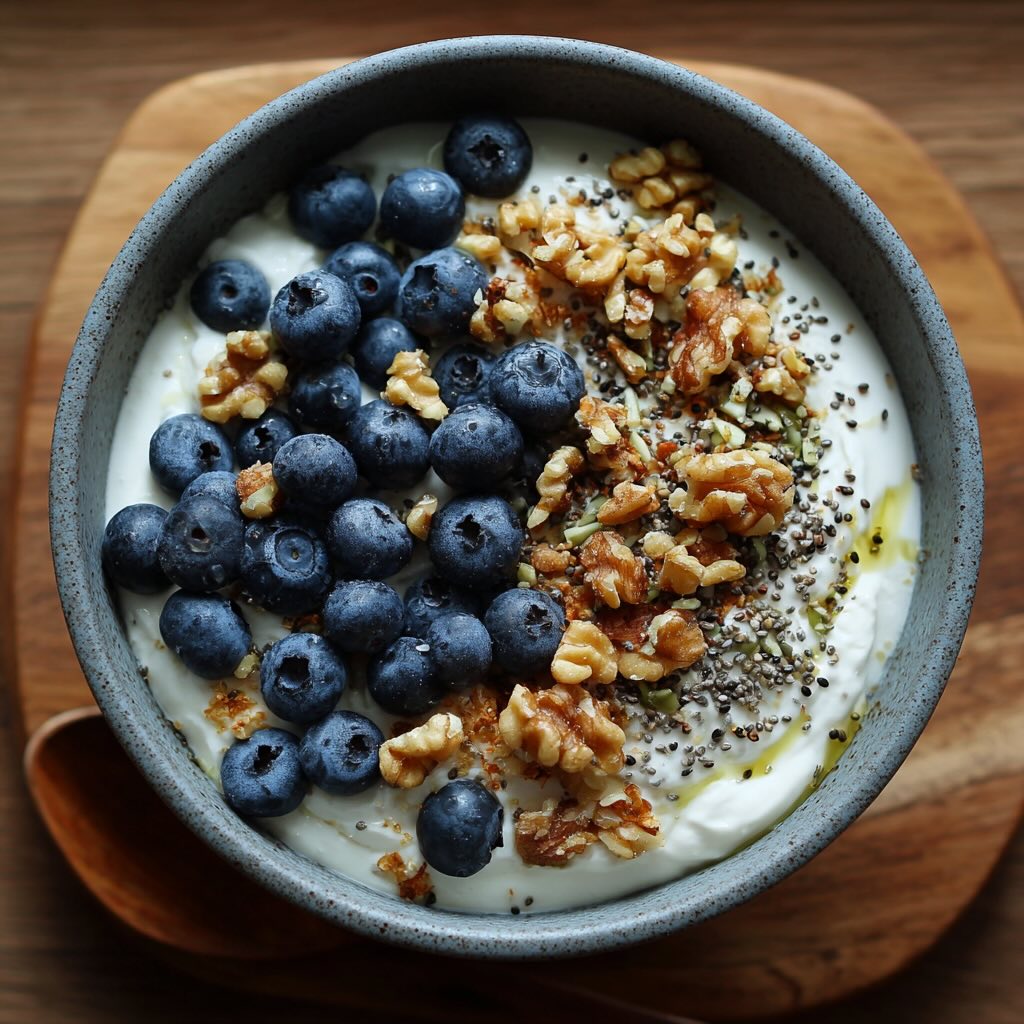
Ginger Yogurt and Blueberries
A polyphenol-rich breakfast bowl with high fibre, combining ginger, omega-3 nuts, blueberry polyphenols, and probiotic yogurt.
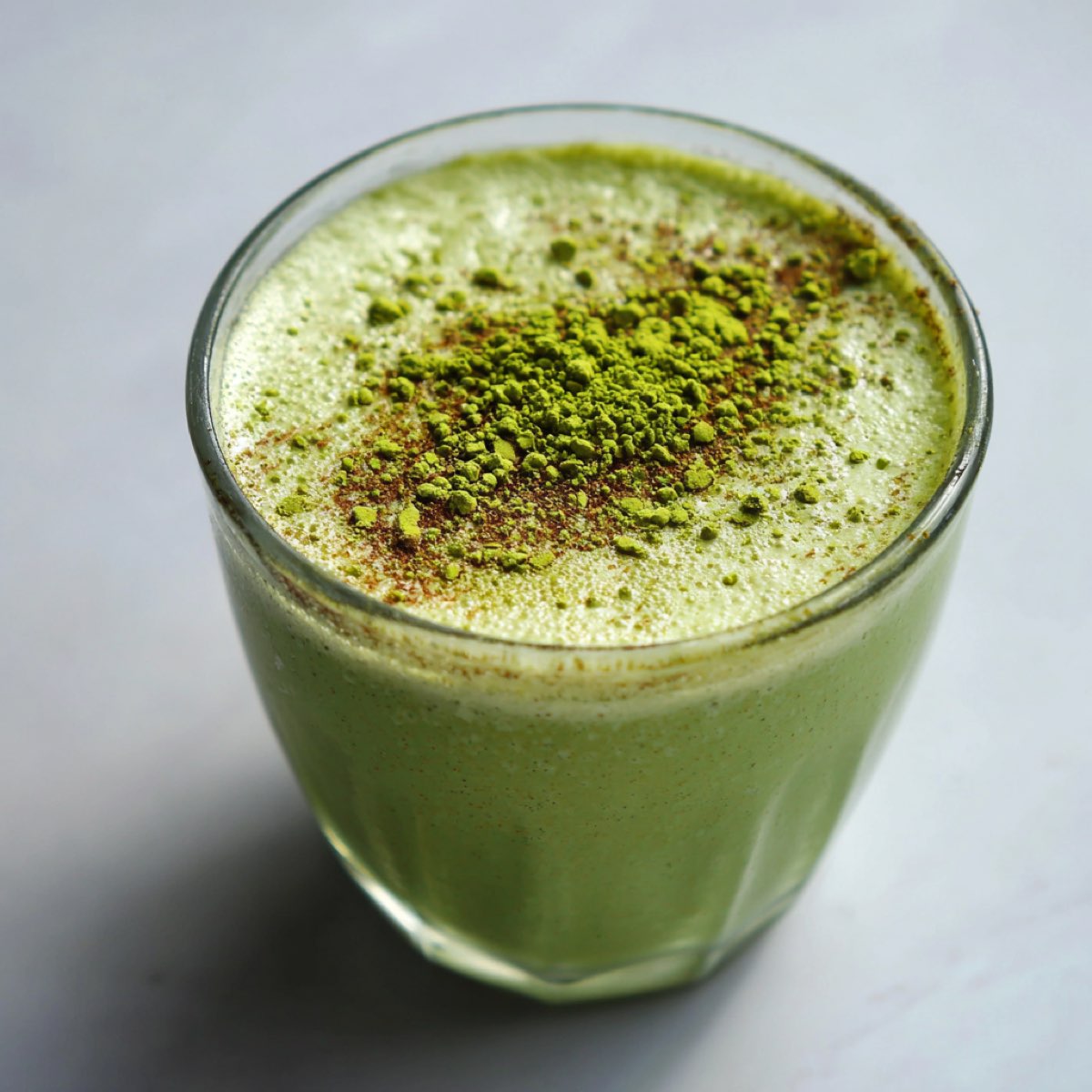
Matcha Mitochondria Smoothie
Mitochondrial energising smoothie rich in polyphenols, magnesium, and antioxidants
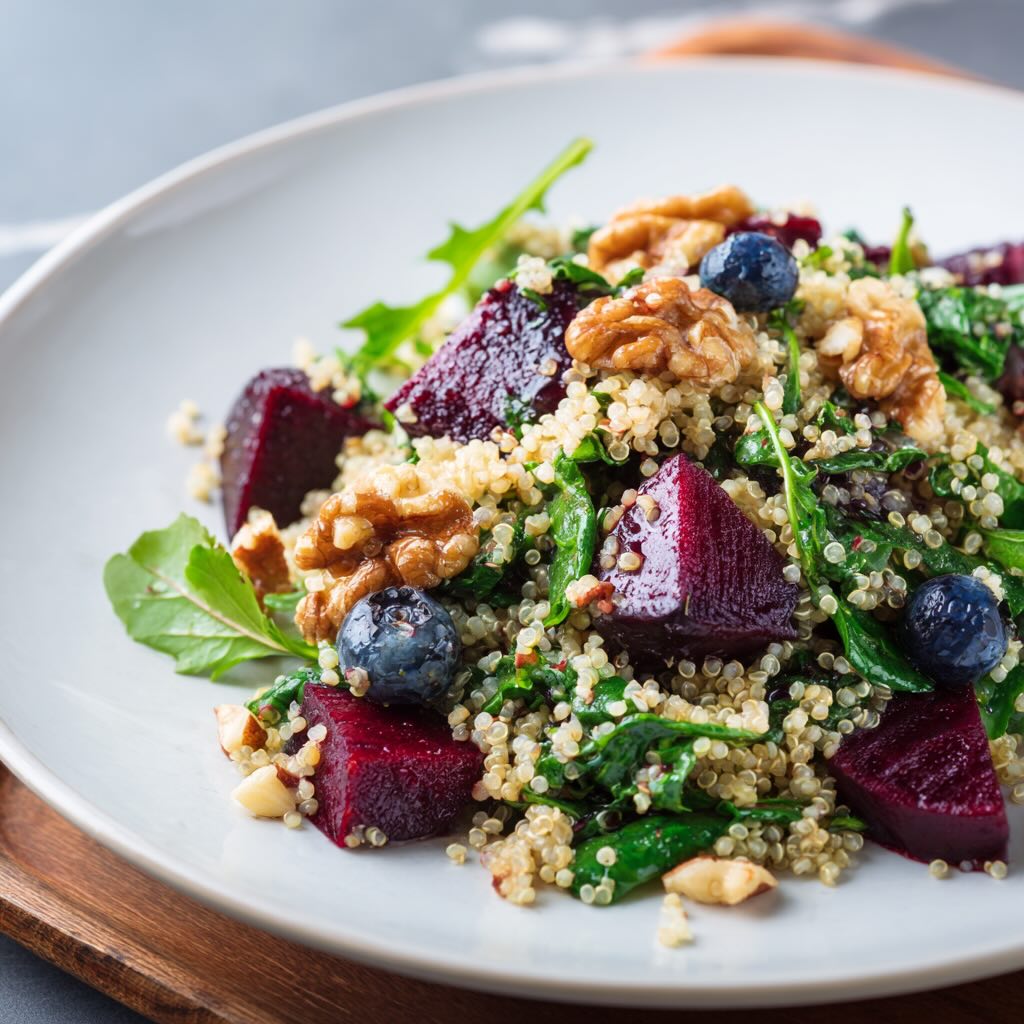
Mitochondrial Power Bowl
A nitrate-rich, polyphenol-dense bowl combining leafy greens, beets, berries, nuts, and early harvest olive oil

Mixed-Leaf Tahini Caesar Salad
A Caesar-style mixed-leaf salad with a tahini, anchovy, caper and Parmesan dressing, using extra virgin olive oil retained from oil-packed capers.
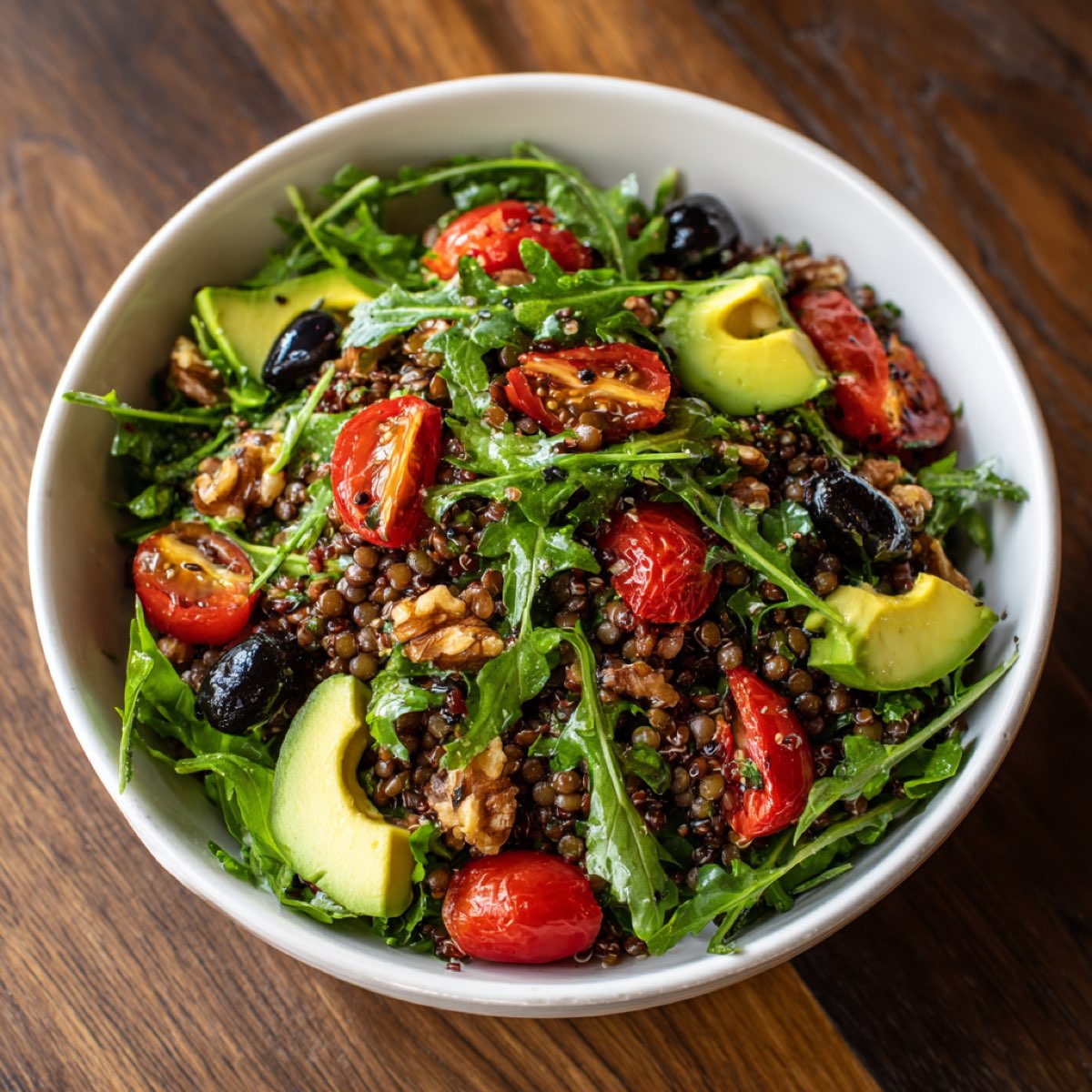
Rocket Lentil Avocado Midday Salad (Gut-Supporting)
Polyphenol-rich midday salad with quinoa or lentils, vegetables, avocado, and early harvest olive oil

Salmon & Grated Beetroot Toast (with Lemon)
A fast, brain-forward open sandwich combining omega-3 rich salmon, nitrate/polyphenol beetroot, and lemon acidity for a sharp, savoury bite.

Salmon Bowl-pistachio-cacao-nibs
A Mediterranean-style bowl combining salmon, avocado, pistachios, cacao nibs, and early harvest olive oil — rich in omega-3 fats, polyphenols, and fibre.
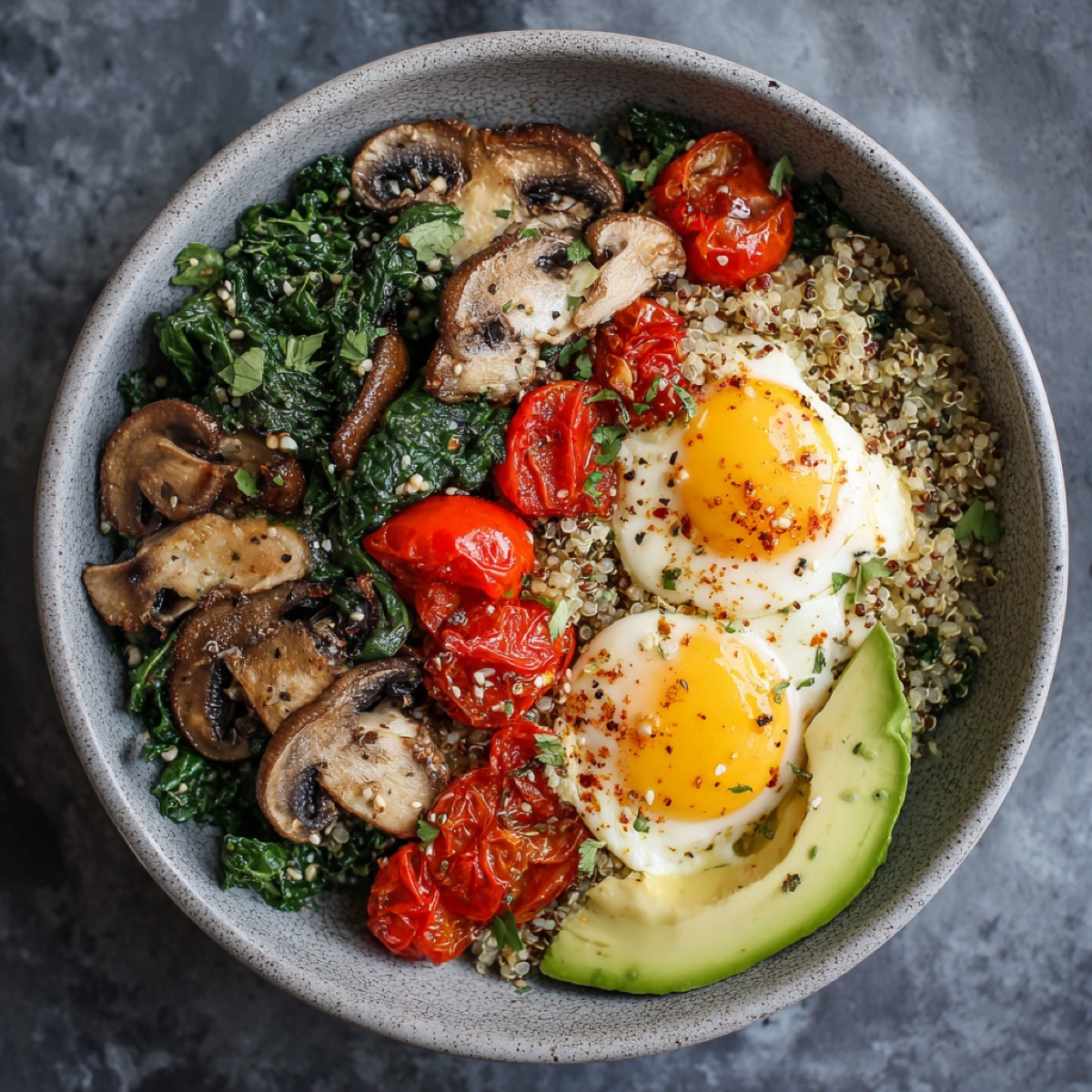
Savoury Greens & Egg Breakfast Skillet
A warm savoury breakfast skillet with eggs, greens, and slow carbohydrates for steady morning energy.
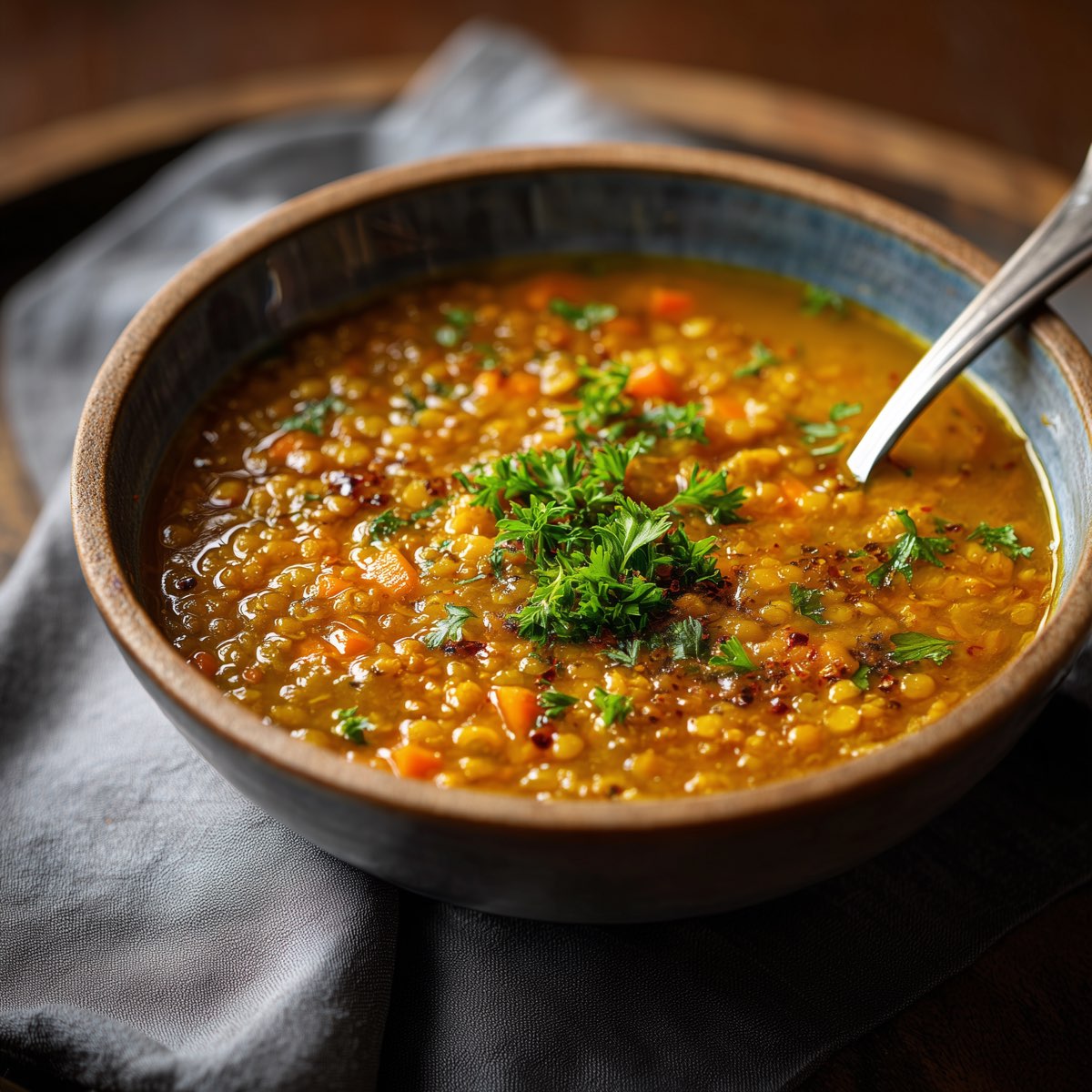
Turmeric Lentil Dahl
Turmeric- and ginger-spiced lentil dish rich in fibre, folate, and polyphenols

Turmeric Milk
A warming drink combining turmeric (curcumin) with milk/fat for enhanced curcumin absorption
Foods
37 foods containing this substance
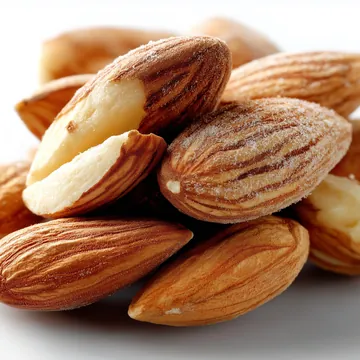
Almonds
Nutrient-dense nut providing vitamin E, magnesium, fibre and unsaturated fats
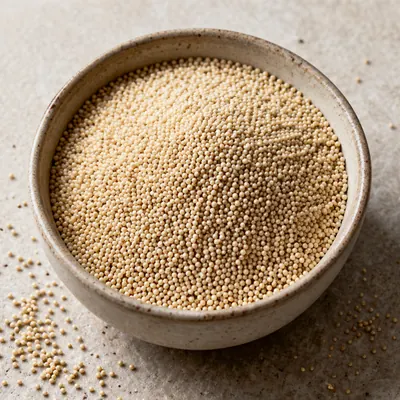
Amaranth
Comparatively lysine-rich pseudograin providing protein, magnesium and iron
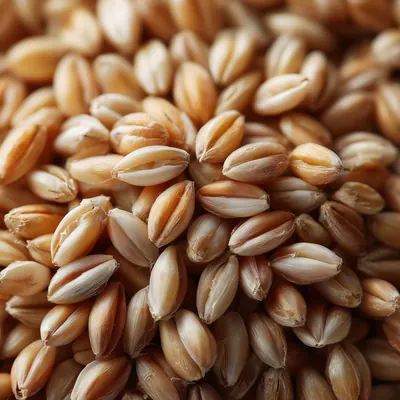
Barley
Beta-glucan fiber and whole grain for gut health
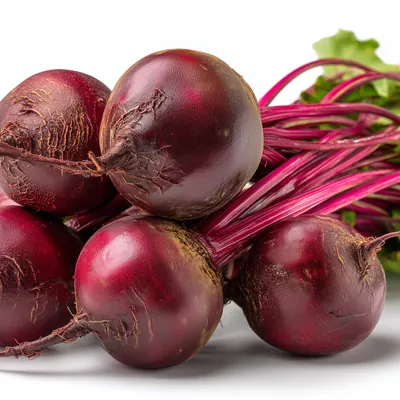
Beetroot
Root vegetable providing dietary nitrate and betalain pigments
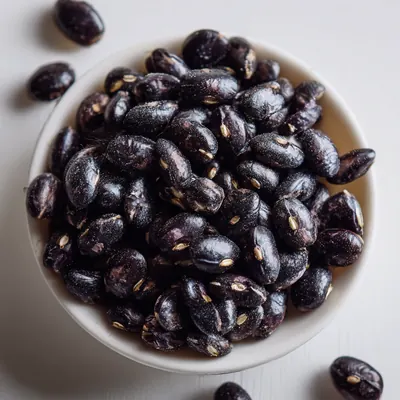
Black Beans
Legume with polyphenols and protein; optimal soaking conditions detailed
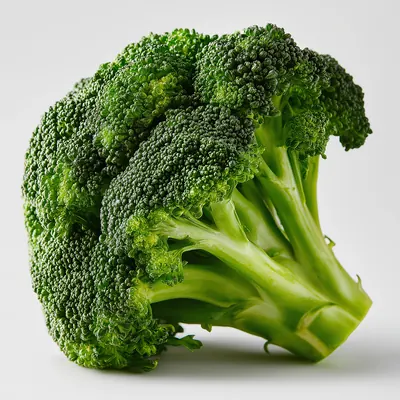
Broccoli
Cruciferous vegetable rich in sulforaphane, folate, and glutathione precursors
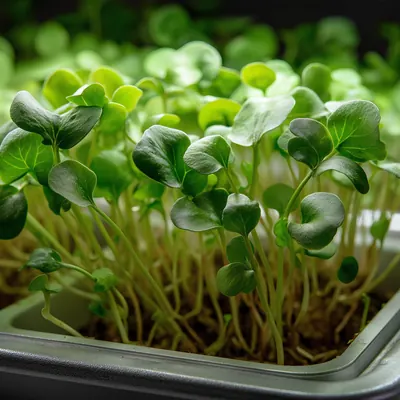
Broccoli Sprouts
Young broccoli sprouts valued for glucoraphanin and sulforaphane potential, vitamin C, and Nrf2-supportive phytochemistry
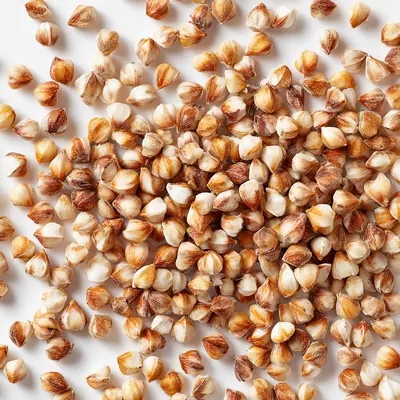
Buckwheat
Pseudograin with magnesium, iron, and fiber
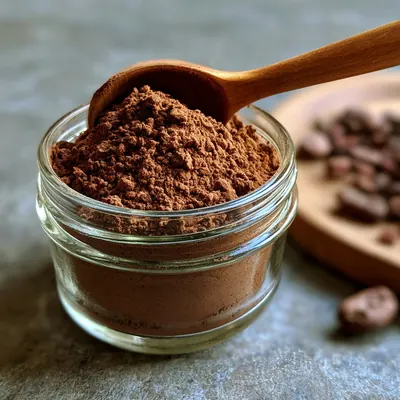
Cacao Powder
Minimally processed cacao powder with higher native flavanol retention relative to more processed cocoa products.

Cashews
Plant protein and zinc source

Chia Seeds
ALA omega-3, fiber, and minerals
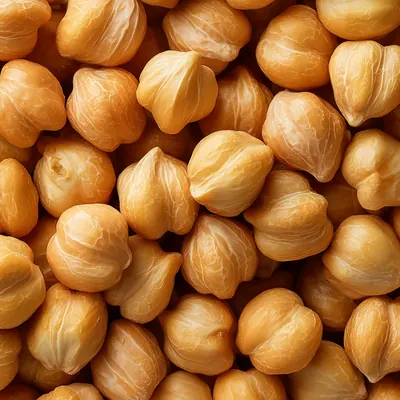
Chickpeas
Legume providing protein, fiber, folate, magnesium, and B6

Cocoa
Processed cocoa products — flavanol-rich when unsweetened; see cacao powder and dark chocolate for sourcing.

Dark Chocolate
Cocoa flavanols for cognitive support; heavy metal considerations

Flax Seeds
ALA omega-3 and soluble fiber source

Greek Yogurt
Fermented dairy providing probiotics and complete protein

Kale
Leafy green rich in iron, magnesium, zinc, quercetin, and carotenoids

Kidney Beans
Polyphenol-rich legume supporting gut health

Lentils
Legume rich in protein, fibre, folate, iron, and prebiotics
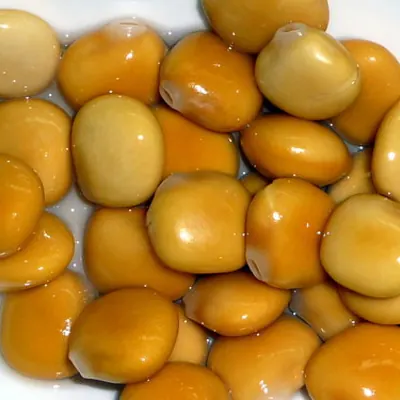
Lupin Beans
High-protein legume with strong arginine and lysine density

Milk
Complete protein, nicotinamide riboside, and calcium

Nori
Red seaweed providing iodine and amino acid precursors for creatine synthesis

Oats
Beta-glucans, B vitamins, and minerals for gut and neurotransmitter support

Peanuts
Niacin, resveratrol, and plant protein for NAD+ and mitochondrial support

Pumpkin Seeds
High zinc, tryptophan, and magnesium for neurotransmitter support

Quinoa
Pseudograin with magnesium, iron, and balanced plant protein

Seaweed
Iodine, EPA (in red algae), magnesium, and trace minerals

Sesame Seeds
Whole sesame seed with unsaturated fat, minerals and lignans

Sourdough Bread
Fermented bread with GABA, improved amino acid bioavailability, and optimized Maillard products

Spinach
Leafy green rich in iron, magnesium, folate, and carotenoids

Sunflower Seeds
Thiamine source and sunflower lecithin precursor

Swiss Chard
Leafy green rich in iron, magnesium, folate, and carotenoids

Tempeh
Fermented soy providing probiotics and enhanced nutrient bioavailability

Tofu
Soy-based protein source with isoflavones and choline

Walnuts
ALA omega-3, polyphenols, and ellagitannins for urolithin A production

Wheat
Whole grain providing B vitamins, fiber, and minerals

Whole Grains
General category of whole grain foods
Biological Mechanisms and Implications
| Biological Target | Therapeutic Areas | Mechanism of Action |
|---|
References
- Magnesium is a broad cofactor for neurotransmitter synthesis and receptor modulation (e.g., NMDA, GABA), ATP production, and antioxidant defenses; deficiency is common and linked to behavioral symptoms
- Magnesium functions as an NMDA receptor antagonist and GABA receptor modulator Clerc et al. 2013
- Magnesium supports neurotransmitter regulation (notably GABA), mitochondrial health, and antioxidant defenses; combined with vitamin D reduced behavioral problems; synergy with zinc and omega-3s reported
- Magnesium supports enzymes involved in glycolysis and the Krebs cycle, processes that generate ATP from glucose
- Calcium Modulation: Vitamin D, magnesium, taurine, phospholipids (phosphatidylserine), flavonoids (quercetin) support insulin sensitivity, sympathetic arousal, and mitochondrial excitability
- Deficiency in those with ADHD can exacerbate symptoms like irritability, attention difficulties, sleep problems, and anxiety
- Magnesium L-threonate has early evidence for sleep/cognition outcomes but requires larger and longer clinical trials before strong conclusions
- Magnesium glycinate is often selected for tolerance and sleep/stress support; magnesium oxide has lower bioavailability and is typically not preferred for repletion