Trout Roe
Overview
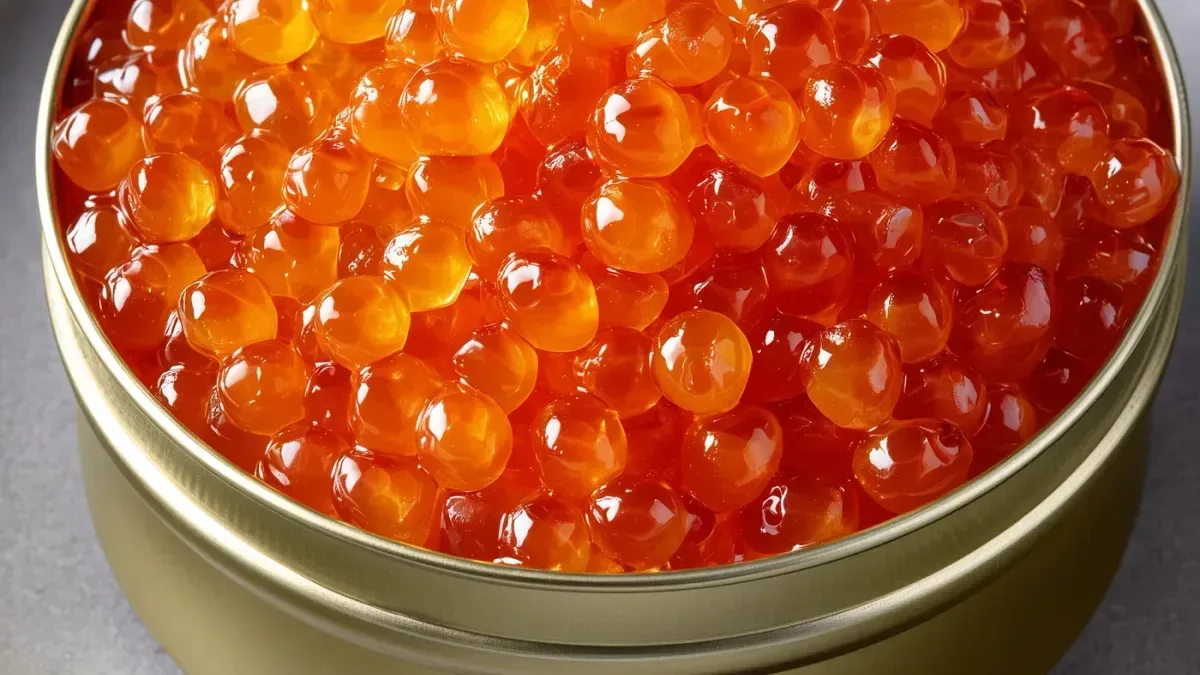
Trout roe comes from rainbow trout (Oncorhynchus mykiss) and related farmed lines. Like salmon roe, it delivers EPA, DHA, and phospholipid-associated fatty acids together with choline and vitamin B12 in a compact matrix. Mechanistic discussions of LPC-associated DHA transport apply to phospholipid-rich seafood matrices generally [1][2].
Within the BRAIN Diet framework, trout roe is best viewed as a mid-tier roe option: it is often less expensive per gram than premium salmon ikura, while still offering strong omega-3 and choline density compared with most land-animal foods. Exact fatty-acid and carotenoid profiles remain product-dependent; species-specific compositional tables should replace the current proxy when available.
Key Nutritional Highlights
- Phospholipid-context omega-3s (EPA/DHA) with very high choline per 100 g (proxy panel).
- Vitamin B12 density is typically high in salmonid roe; values shift by product.
- Usually more accessible pricing than top-grade salmon roe in many markets.
- Farmed trout supply chains vary — quality and freshness still dominate practical value.
- Compositional data here use a USDA mixed-roe proxy until a trout-roe FDC record is wired in.
Food Context
Synergies
- Works well as a garnish on whole grains, vegetables, or mild fish to spread flavour without large sodium loads (unlike heavily salted caviar substitutes).
Sourcing
- Farmed trout roe is common; look for clear labelling, cold-chain handling, and use-by guidance.
- Colour can range from orange to amber depending on pigment inputs — not a sole quality indicator.
Preparation
- Serve cold or lightly warmed like other roe; minimise heat and air exposure to protect unsaturated fats.
Essential Amino Acid Profile
This food provides a complete essential amino acid profile typical of animal proteins.
Recipes
Nutrient Tables (per 100 g)
Core nutrients
| Nutrient | Amount per 100 g | % RDA per 100 g |
|---|---|---|
| Energy | 143 kcal | — |
| Protein | 22.3 g | — |
| Total fat | 6.4 g | — |
| Saturated fat | 1.5 g | — |
| Carbohydrates | 1.5 g | — |
| Fibre | 0 g | — |
Key vitamins and minerals
Vitamins and minerals supplying at least 15% of an adult reference intake per 100 g, derived from the composition panel. Tags do not decide which rows appear.
| Nutrient | Amount per 100 g | % RDA per 100 g |
|---|---|---|
| Selenium | 40.3 µg | 73.3% |
| Choline | 335.4 mg | 61% |
| Folate | 80 µg | 20% |
| Vitamin B12 | 10 µg | 416.7% |
Advanced Nutrition
Other quantitative vitamins and minerals from the same composition panel. They remain available for Substance cards and later scoring; they are not headline nutrients of this food.
| Nutrient | Amount per 100 g | % RDA per 100 g |
|---|---|---|
| Iron | 0.6 mg | 3.3% |
| Zinc | 1 mg | 9.1% |
| Magnesium | 20 mg | 4.8% |
| Calcium | 22 mg | 2.2% |
| Potassium | 221 mg | 6.5% |
| Vitamin B6 | 0.2 mg | 12.3% |
Bioactive compounds
Explicitly identified compounds, including individual fatty acids, with a defensible quantity or an explicit qualitative status. Asterisks (*) identify supplementary sources below. Unquantified or trace constituents are not automatically admitted to the Substances list.
| Compound / class | Amount per 100 g | Notes |
|---|---|---|
| EPA | 983 mg | — |
| DHA | 1363 mg | — |
| Astaxanthin | 2.5 mg * | Present in salmonid roe; farmed trout pigment varies with feed carotenoids. |
| Phosphatidylcholine | Present — quantity not established * | — |
- * Astaxanthin: Order-of-magnitude literature estimate; not on the proxy FDC record; farmed trout roe can be lighter than salmon ikura.
- * Phosphatidylcholine: Trout Roe is a phospholipid-rich food in which phosphatidylcholine is a major choline form; USDA SR Legacy reports choline, not phosphatidylcholine specifically.
Substances
Substances admitted through a supported nutrition-table row. Not every table row appears here. Cards are not BRS mappings.
5 substances in this food
Choline
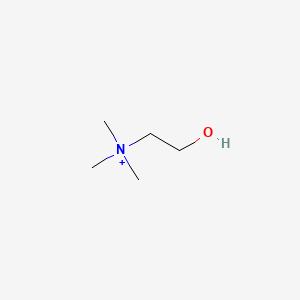
Essential methyl-donor nutrient in eggs, meat and milk; mapped to BRS2 one-carbon metabolism and BRS6 hepatic lipid export.
DHA (Docosahexaenoic Acid)
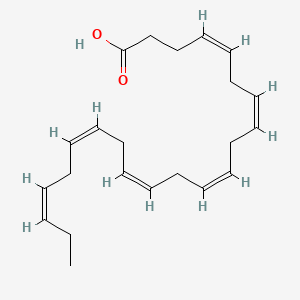
Accounts for ~10–15% of total brain fatty acids, 20–30% of neuronal phospholipids (PE, PS), and >90% of brain omega-3 PUFA; critical for membrane fluidity, synaptic vesicle fusion, neurodevelopment
EPA (Eicosapentaenoic Acid)
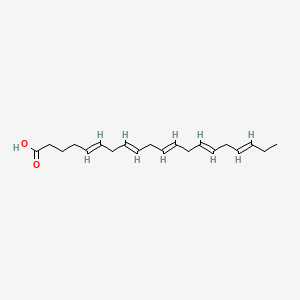
Potent anti-inflammatory; precursor to E-series resolvins; modulates dopamine and serotonin signalling
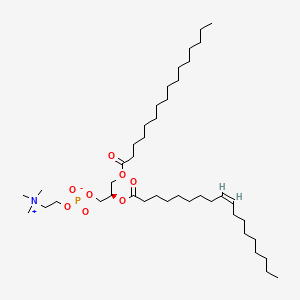
Phosphatidylcholine (PC)
Key brain phospholipid; carrier for DHA/EPA and acetylcholine precursor pathway
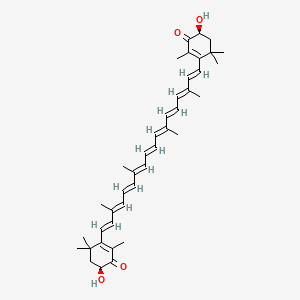
Astaxanthin
Xanthophyll carotenoid in salmon, salmon roe, and related marine foods; mapped to BRS3 redox signalling and BRS4 mitochondrial membrane protection.
References
[1] Mechanistic discussions of LPC-associated DHA transport apply to phospholipid-rich seafood matrices generally. Patrick et al. 2019. Role of phosphatidylcholine-DHA and LPC-DHA in brain transport
[2] DHA supplied as phospholipid supports brain DHA accretion more effectively than DHA as triglyceride in neonatal models — supporting the biological relevance of roe's phospholipid-rich matrix. Liu et al. 2014. Higher efficacy of phospholipid omega-3 for brain DHA accretion (porcine model)