Lupin Beans
Overview
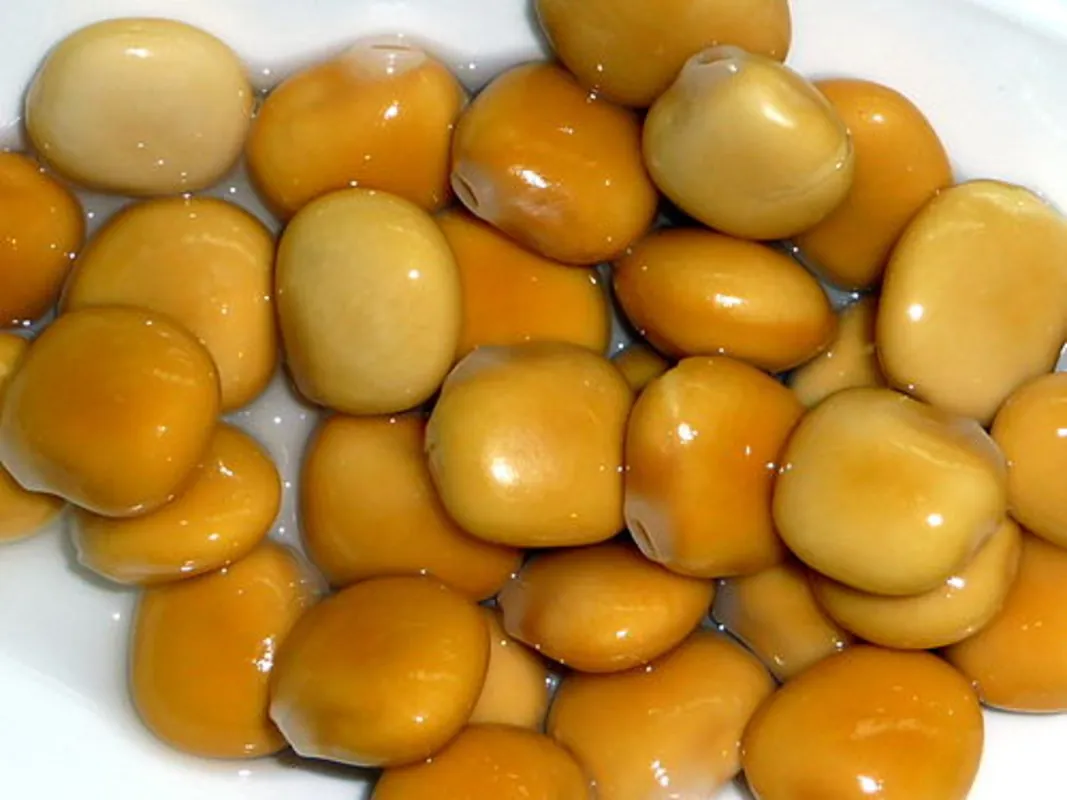
Lupin beans are protein-dense legumes that provide substantial arginine, lysine, folate, magnesium, and fibre. Their amino-acid profile is useful in plant-forward dietary patterns where arginine and total protein density are priorities, and where lysine-rich legumes help balance grain-heavy meal patterns.
Within the BRAIN Diet framework, lupin beans are a practical plant option for amino-acid coverage and mineral support, especially when rotated with soy foods, lentils, and seeds. As with many legumes, sulfur amino acids are relatively lower than lysine, so meal composition still matters for full essential-amino-acid balance.
Key Nutritional Highlights
- High protein and fibre density for a legume ingredient.
- Strong arginine contribution among realistic plant-food servings.
- Lysine-rich profile complements grain-heavy meals.
- Useful folate, magnesium, iron, and zinc support in plant-forward patterns.
- Raw-seed values are concentration-heavy; cooked or brined servings are lower per 100 g.
Food Context
Sourcing
- Use food-grade lupin products from reputable producers; bitter/alkaloid-rich traditional varieties require proper debittering before consumption.
- Choose minimally processed forms (cooked beans, plain lupin flour) when possible.
Synergies
- Pair with whole grains to improve methionine/cysteine balance across meals.
- Combine with vitamin-C-rich vegetables to support non-heme iron utilization.
Preparation
- Dry lupins require soaking and thorough cooking/debittering before use.
- Brined ready-to-eat lupin beans are convenient but often higher in sodium; rinse when needed.
Essential Amino Acid Profile
Lupin beans provide a strong plant protein source but are not sulfur-amino-acid complete in isolation.
Recipes
Nutrient Tables (per 100 g)
Core nutrients
| Nutrient | Amount per 100 g | % RDA per 100 g |
|---|---|---|
| Energy | 371 kcal | — |
| Protein | 36.2 g | — |
| Total fat | 9.7 g | — |
| Saturated fat | 1.2 g | — |
| Carbohydrates | 40.4 g | — |
| Fibre | 18.9 g | — |
Key vitamins and minerals
Vitamins and minerals supplying at least 15% of an adult reference intake per 100 g, derived from the composition panel. Tags do not decide which rows appear.
| Nutrient | Amount per 100 g | % RDA per 100 g |
|---|---|---|
| Iron | 4.4 mg | 24.2% |
| Zinc | 4.8 mg | 43.2% |
| Magnesium | 198 mg | 47.1% |
| Phosphorus | 440 mg | 62.9% |
| Manganese | 2.4 mg | 103.6% |
| Selenium | 8.2 µg | 14.9% |
| Calcium | 176 mg | 17.6% |
| Potassium | 1013 mg | 29.8% |
| Copper | 1 mg | 113.6% |
| Folate | 355 µg | 88.8% |
| Vitamin B6 | 0.4 mg | 27.5% |
| Vitamin B2 | 0.2 mg | 16.9% |
| Vitamin B1 | 0.6 mg | 53.3% |
| Vitamin B5 | 0.8 mg | 15% |
Advanced Nutrition
Other quantitative vitamins and minerals from the same composition panel. They remain available for Substance cards and later scoring; they are not headline nutrients of this food.
| Nutrient | Amount per 100 g | % RDA per 100 g |
|---|---|---|
| Sodium | 15 mg | — |
| Vitamin B3 | 2.2 mg | 13.7% |
| Vitamin C | 4.8 mg | 5.3% |
Substances
Substances admitted through a supported nutrition-table row. Not every table row appears here. Cards are not BRS mappings.
4 substances in this food
Iron
Oxygen transport; dopamine synthesis (tyrosine hydroxylase cofactor)
Magnesium
Enzymatic cofactor (>300 reactions); neurotransmitters; mitochondria; redox balance
Vitamin B9 (Folate; 5-MTHF)
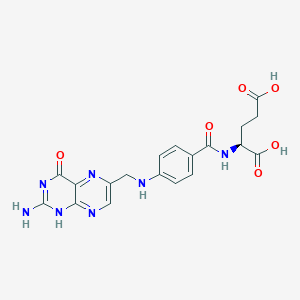
One-carbon metabolism; methylation; homocysteine recycling
Zinc
Cofactor in neurotransmission and antioxidant enzymes; dopamine modulation
References
[1] FAO (2013). Dietary protein quality evaluation in human nutrition (DIAAS report)
[2] Mariotti & Gardner (2019). Dietary protein and amino acids in vegetarian diets: a review