Vitamin C (Ascorbate)
Overview
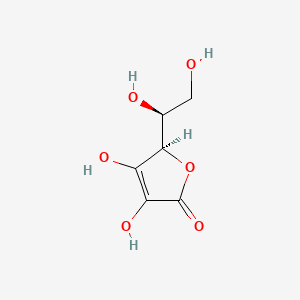
Vitamin C, also known as ascorbate, is a water-soluble vitamin that functions as a key antioxidant in the body. It works within antioxidant networks alongside vitamin E, CoQ10, and polyphenols, with these compounds regenerating each other to maintain antioxidant capacity. Vitamin C is essential for the synthesis of norepinephrine, serving as a cofactor in the conversion of dopamine to norepinephrine, which supports attention, arousal, and executive function. In the brain, vitamin C is actively transported via SVCT2 transporters to maintain adequate levels. Vitamin C also enhances the absorption of non-heme iron from plant sources when consumed together.
Recipes
16 recipes containing this substance
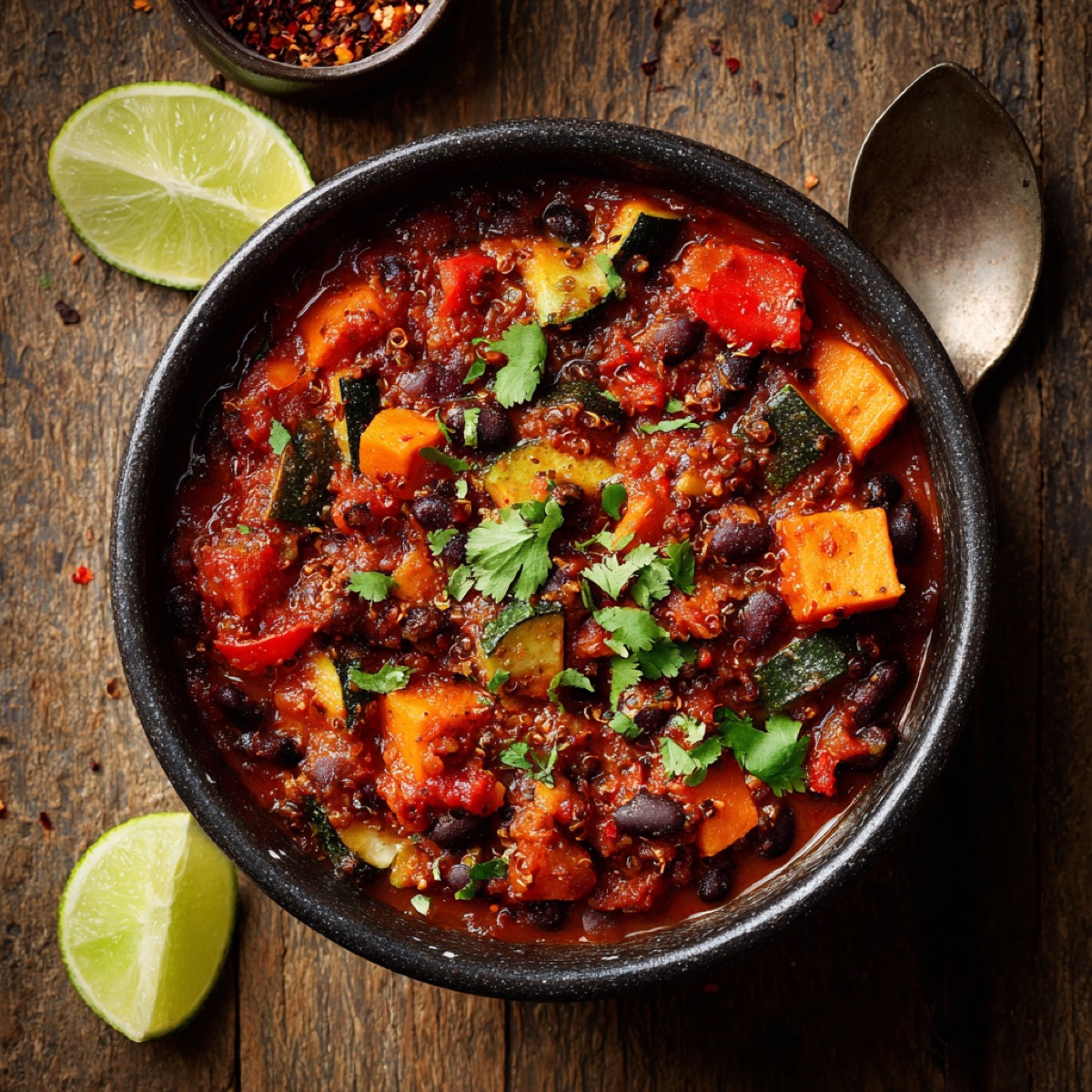
Black Bean & Sweet Potato Vegetable Chilli
A fibre-rich bean and vegetable chilli with warming spices and slow carbohydrates for steady energy and satiety.
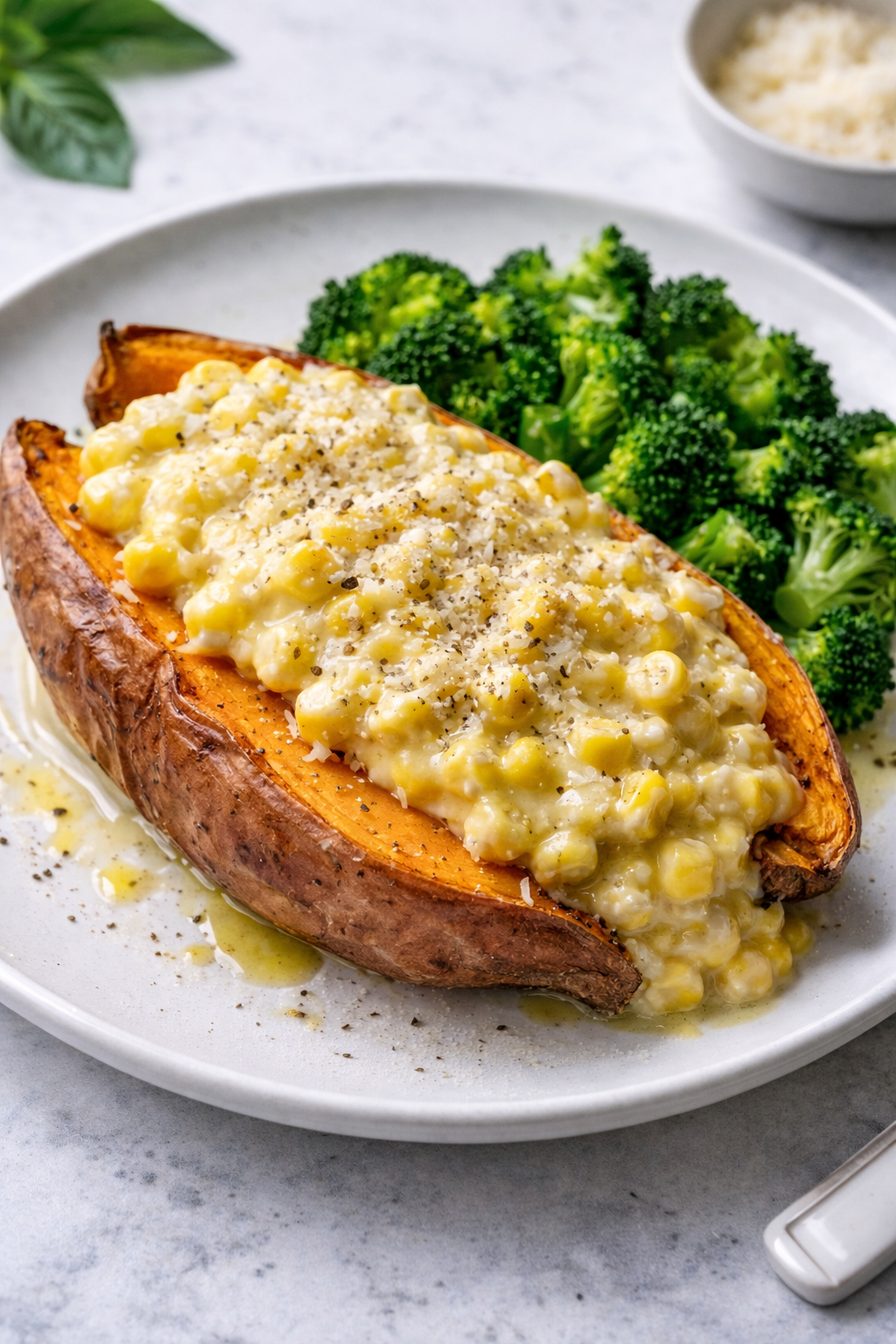
Creamed Corn on Roasted Sweet Potato
Roasted sweet potato with creamed corn and a mixed lipid phase to enhance carotenoid absorption; served with broccoli for fibre and glucosinolates.
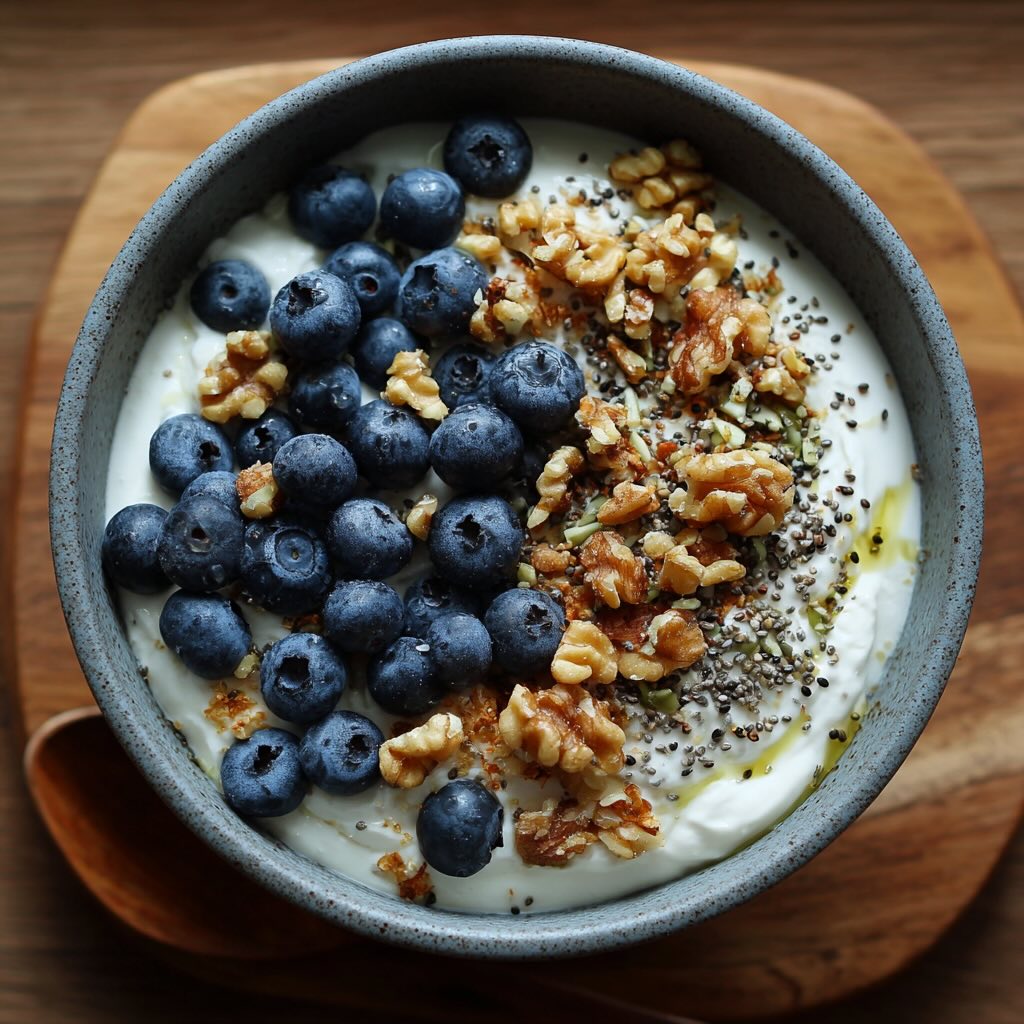
Ginger Yogurt and Blueberries
A polyphenol-rich breakfast bowl with high fibre, combining ginger, omega-3 nuts, blueberry polyphenols, and probiotic yogurt.
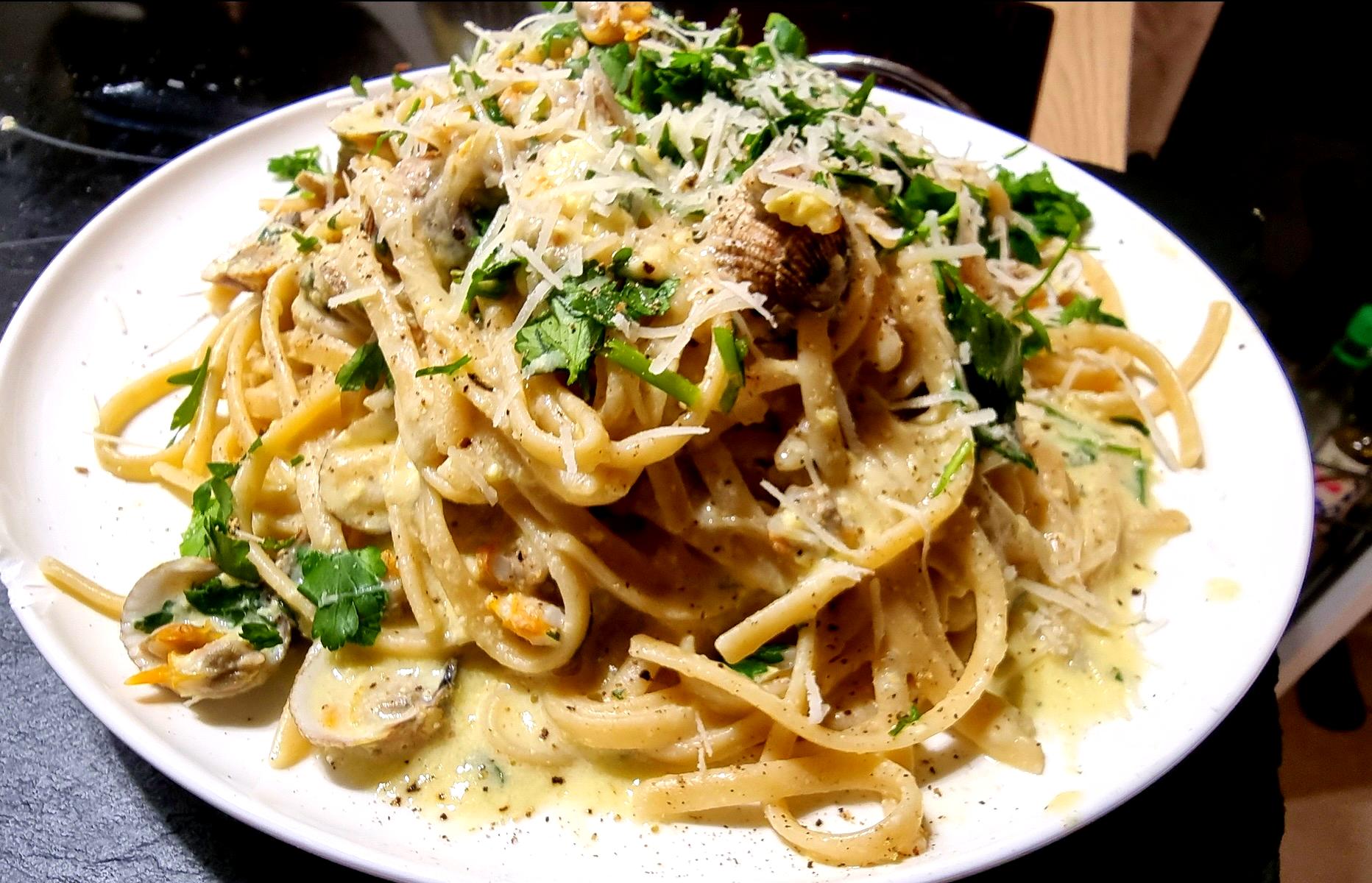
Linguine alle vongole mantecate (Linguine with cockles in a silky emulsified sauce)
Whole-wheat linguine with cockles in a silky emulsified sauce; Italian emulsification technique without cream, supporting taurine, B12, and choline intake.
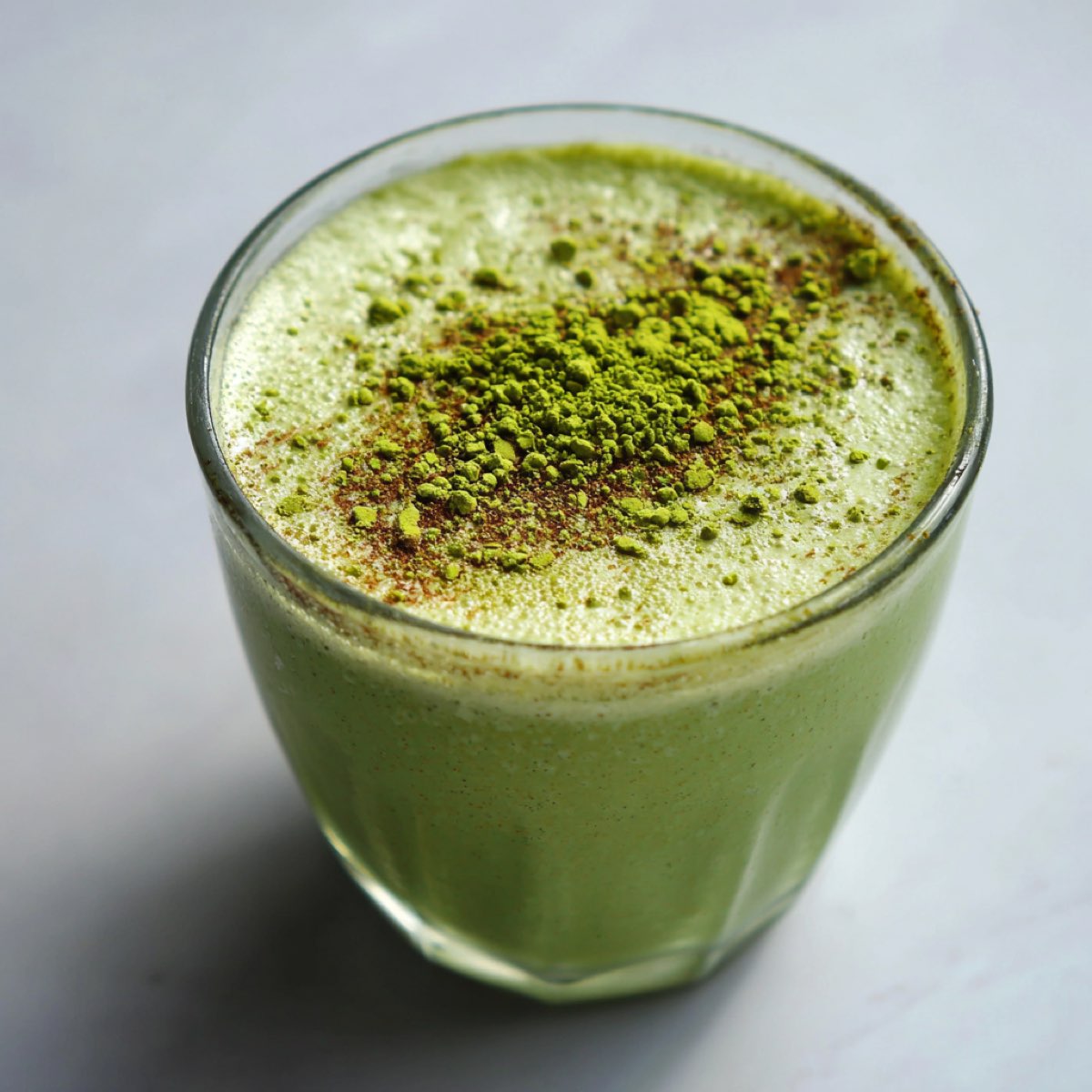
Matcha Mitochondria Smoothie
Mitochondrial energising smoothie rich in polyphenols, magnesium, and antioxidants
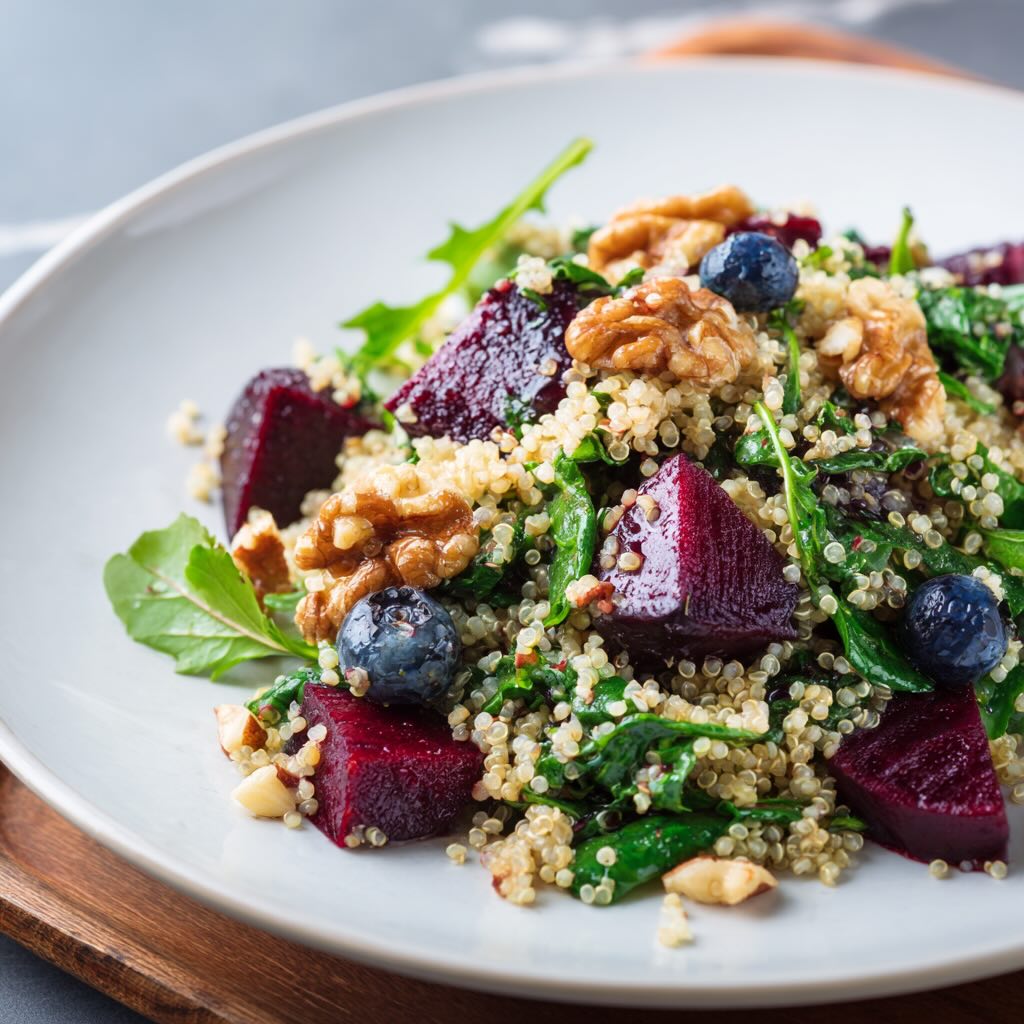
Mitochondrial Power Bowl
A nitrate-rich, polyphenol-dense bowl combining leafy greens, beets, berries, nuts, and early harvest olive oil
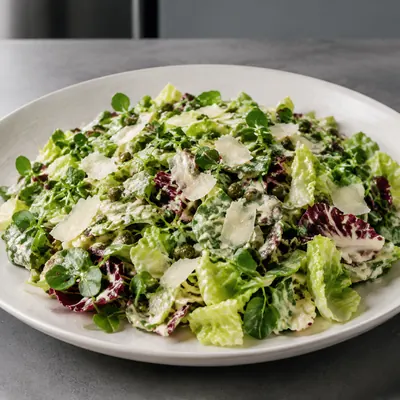
Mixed-Leaf Tahini Caesar Salad
A Caesar-style mixed-leaf salad with a tahini, anchovy, caper and Parmesan dressing, using extra virgin olive oil retained from oil-packed capers.
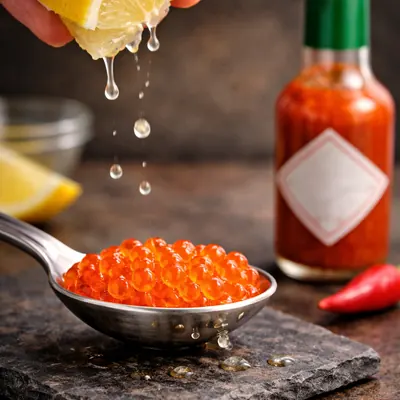
Neuroeshot (Roe, Lemon, Hot Sauce)
A small savory shot of roe, lemon juice, and fermented hot sauce for concentrated omega-3s and choline.
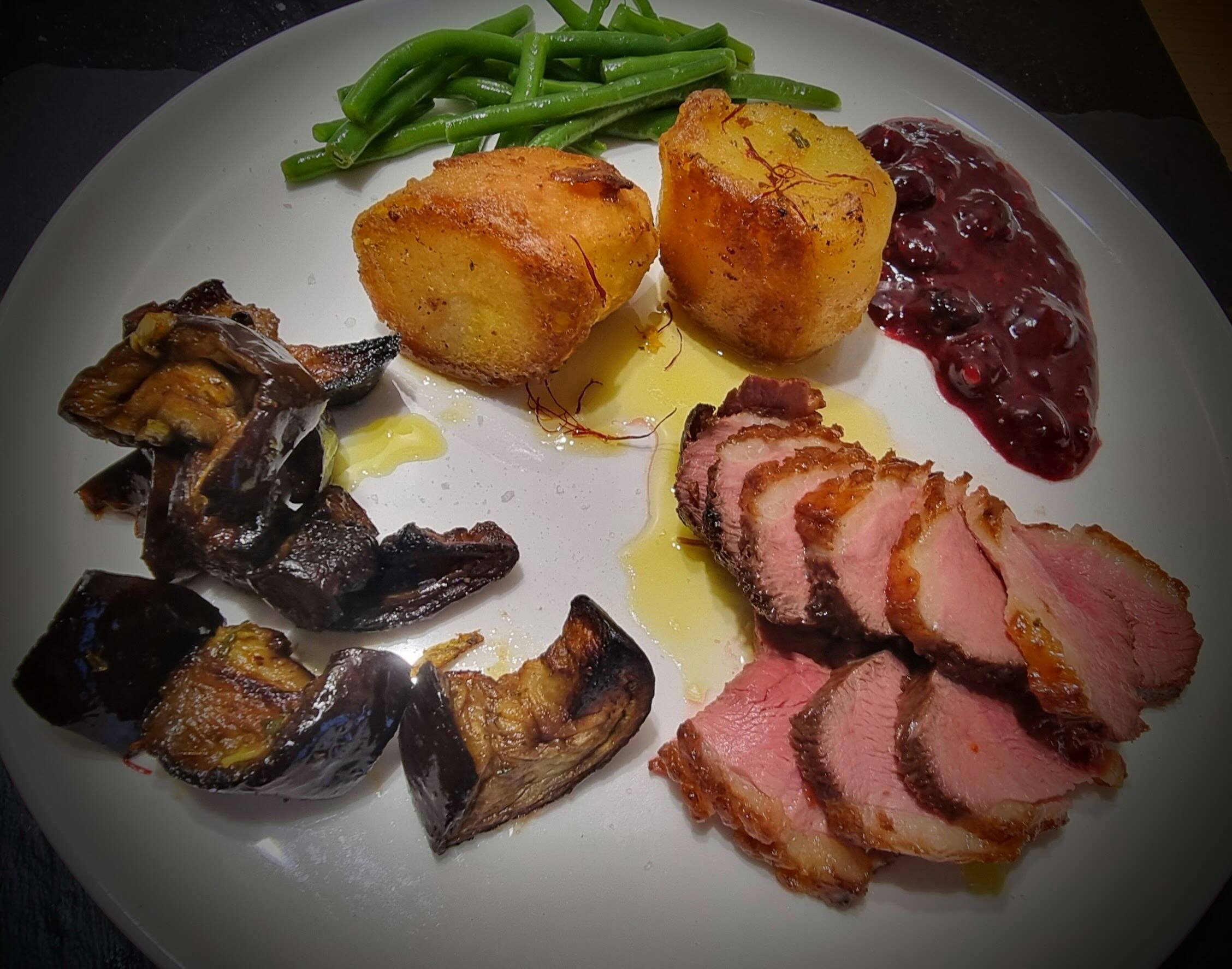
Roast Duck Breast with Berry Sauce
A rich main dish built around crisp-skinned duck breast with a bright blueberry and raspberry sauce, designed to balance richness with acidity and aromatic depth.
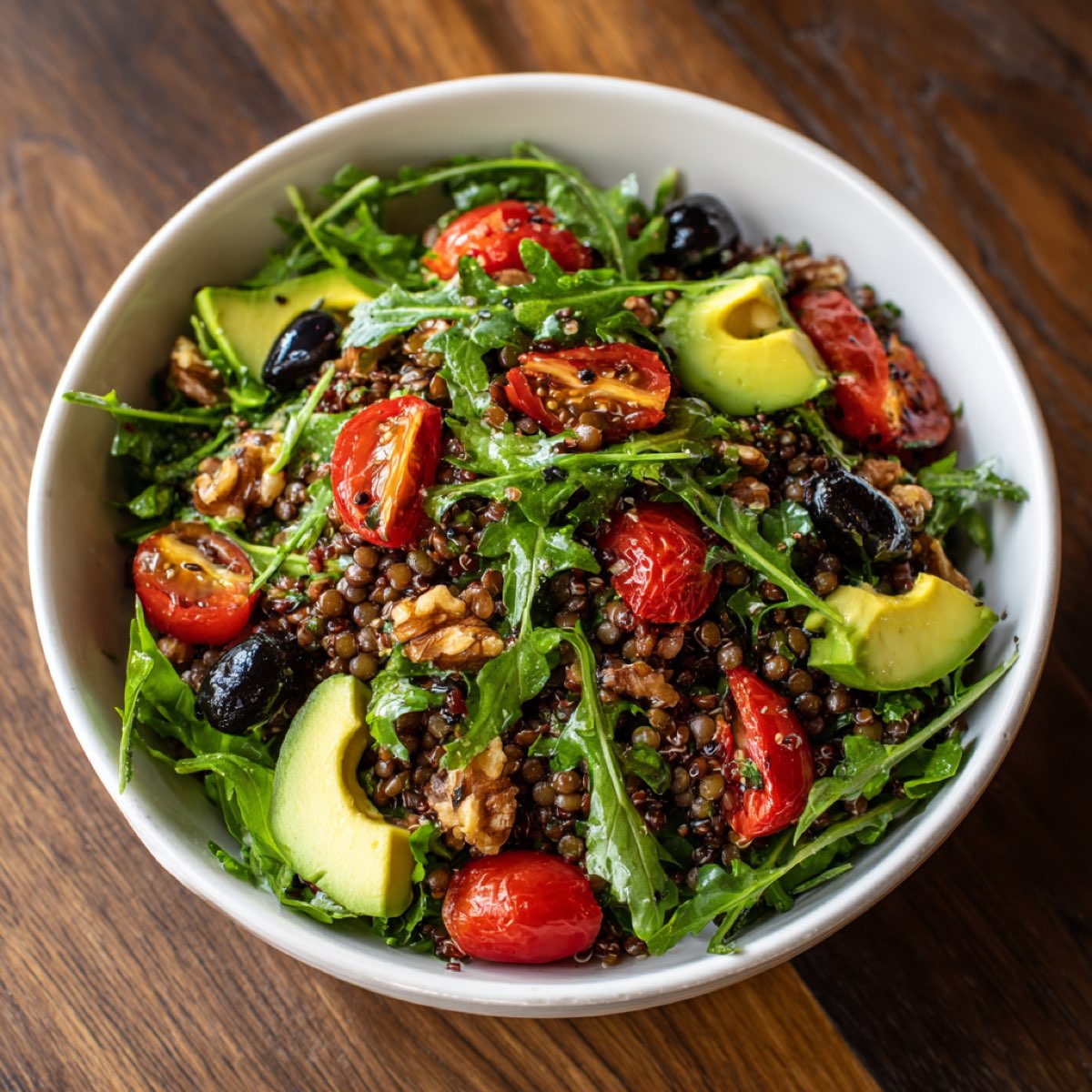
Rocket Lentil Avocado Midday Salad (Gut-Supporting)
Polyphenol-rich midday salad with quinoa or lentils, vegetables, avocado, and early harvest olive oil
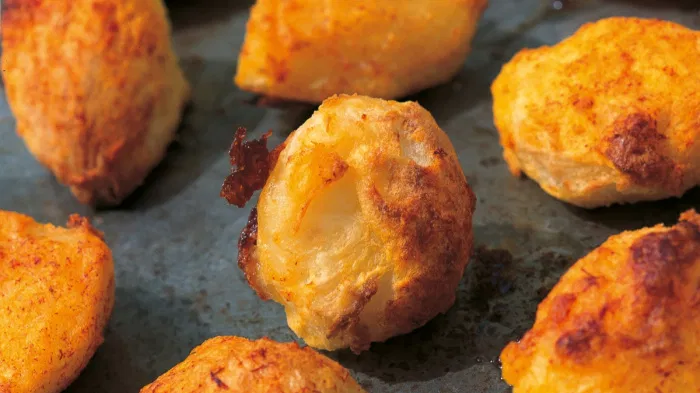
Saffron Roast Potatoes
Crisp roast potatoes finished with saffron-infused olive oil, designed to maximise colour, flavour and texture while remaining adaptable to many main dishes.
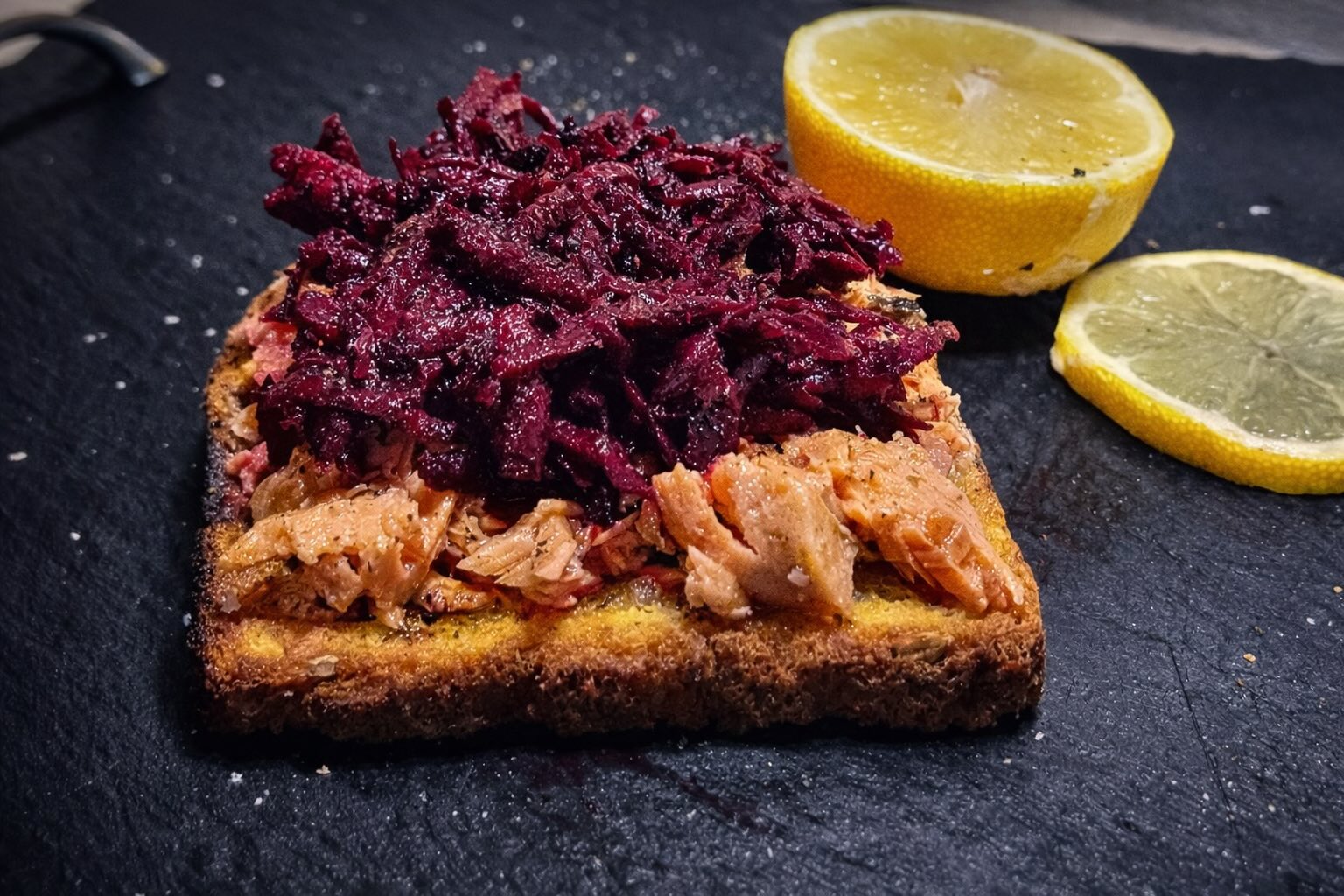
Salmon & Grated Beetroot Toast (with Lemon)
A fast, brain-forward open sandwich combining omega-3 rich salmon, nitrate/polyphenol beetroot, and lemon acidity for a sharp, savoury bite.
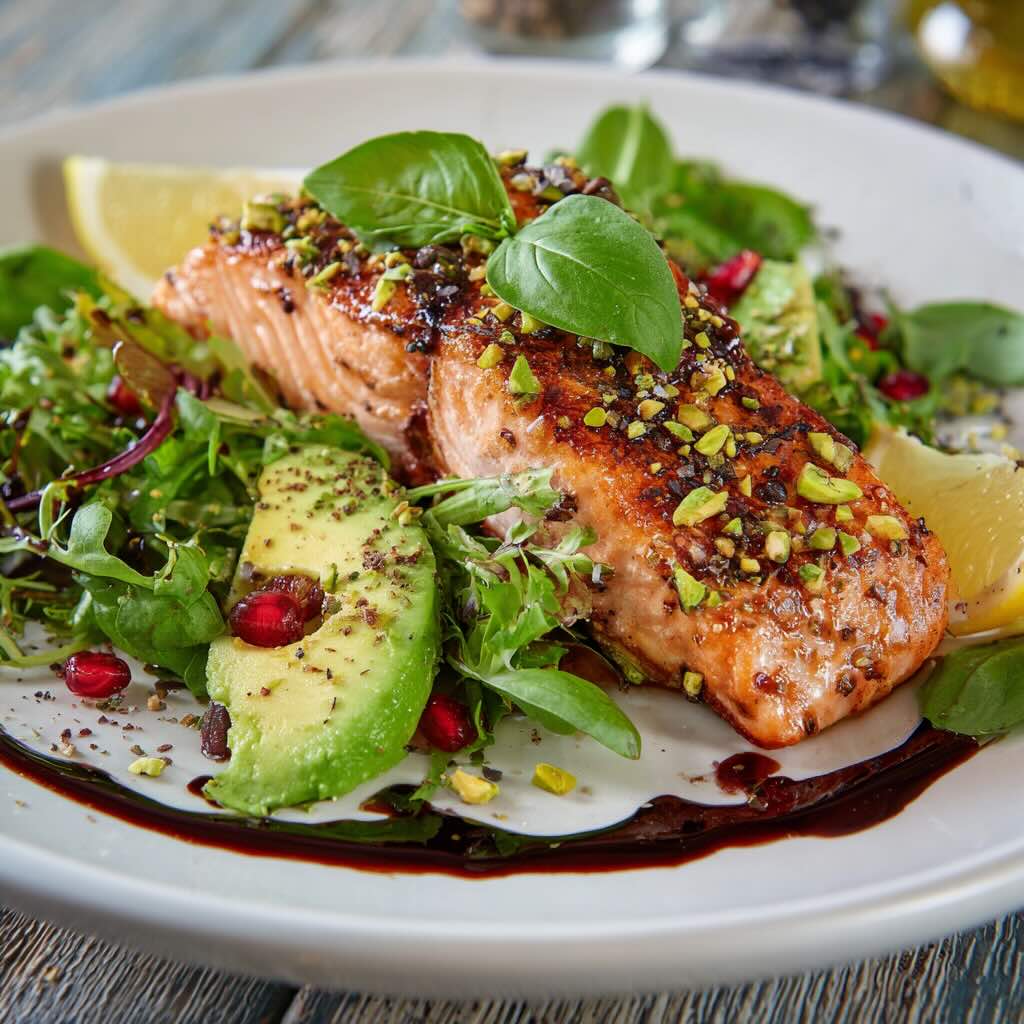
Salmon Bowl-pistachio-cacao-nibs
A Mediterranean-style bowl combining salmon, avocado, pistachios, cacao nibs, and early harvest olive oil — rich in omega-3 fats, polyphenols, and fibre.
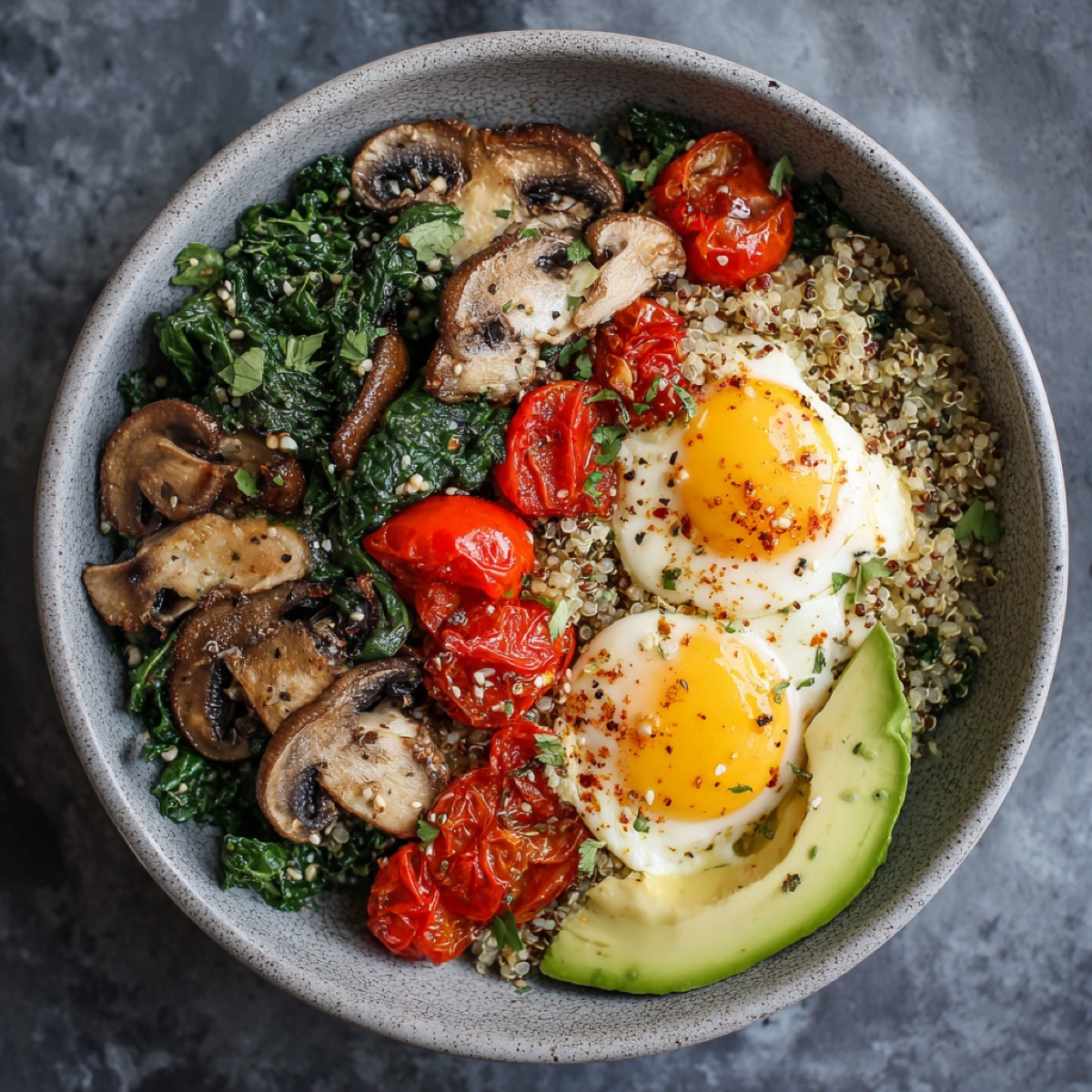
Savoury Greens & Egg Breakfast Skillet
A warm savoury breakfast skillet with eggs, greens, and slow carbohydrates for steady morning energy.
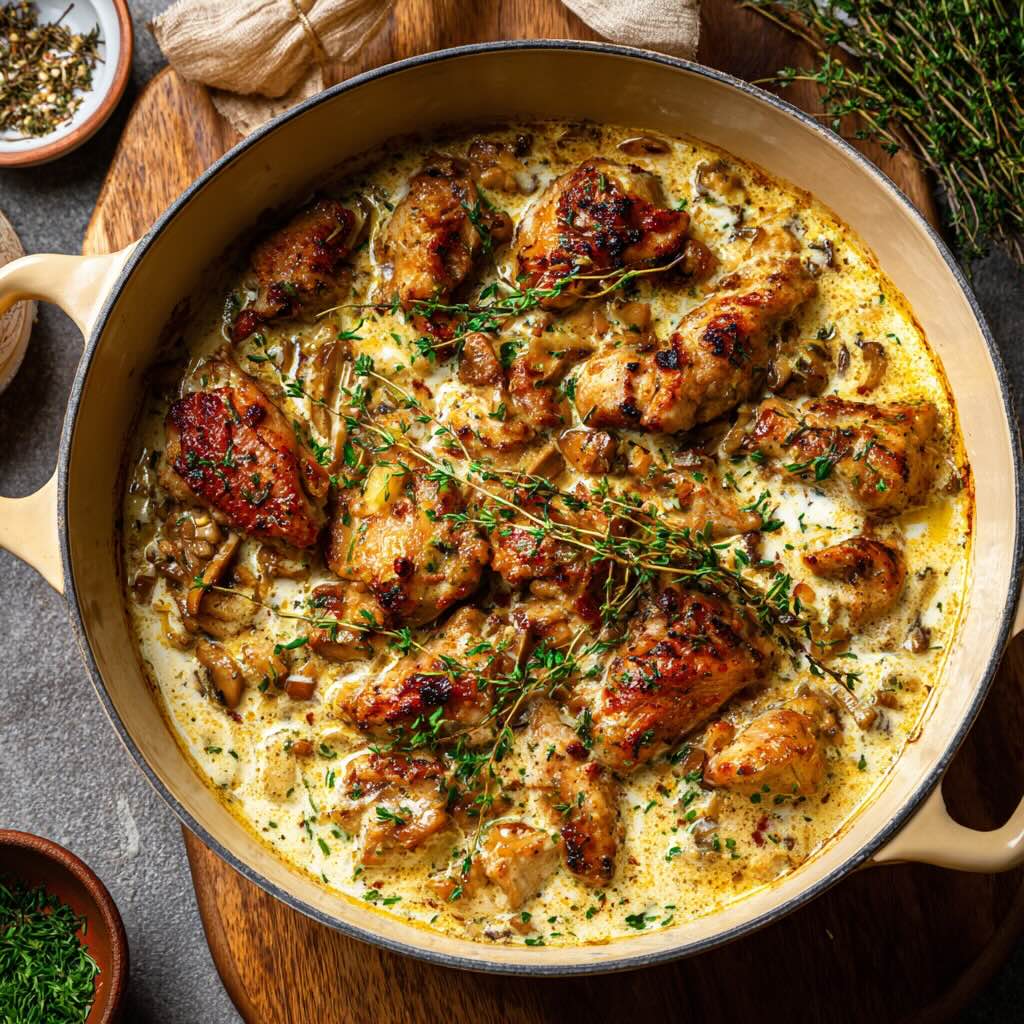
Turkey Wing Stew
A collagen-rich, glycine-heavy slow-cooked stew made from affordable turkey wings — rich in protein, tryptophan, and B vitamins.
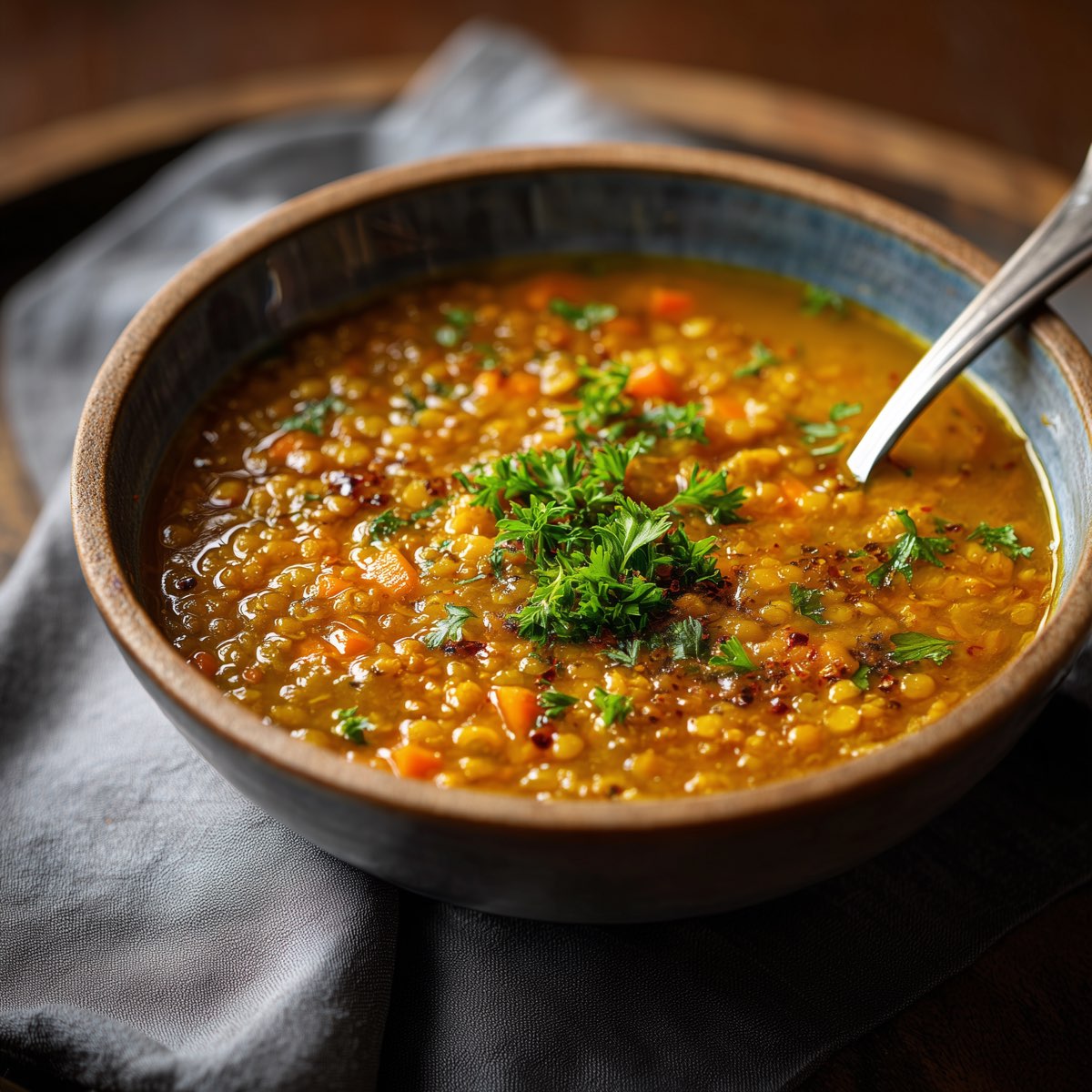
Turmeric Lentil Dahl
Turmeric- and ginger-spiced lentil dish rich in fibre, folate, and polyphenols
Foods
25 foods containing this substance
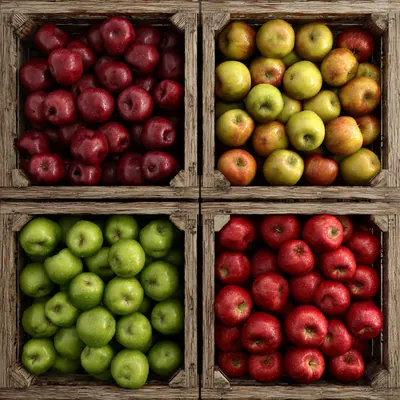
Apples
Whole fruit providing fibre, pectin, vitamin C and quercetin
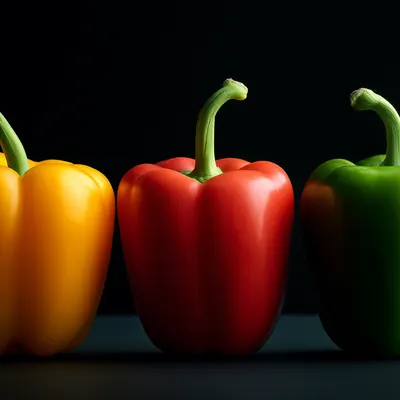
Bell Peppers
High vitamin C for iron absorption and norepinephrine support
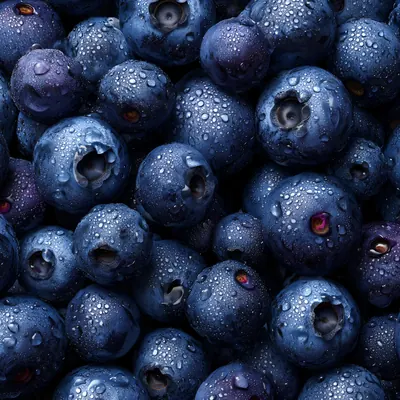
Blueberries
Berries providing anthocyanins, vitamin C and fibre
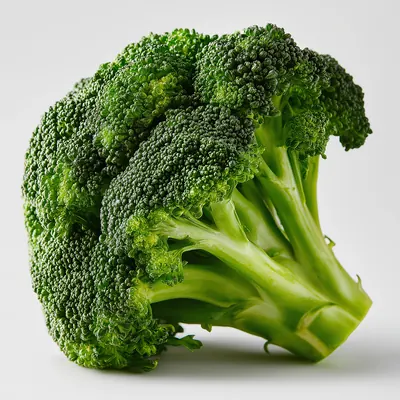
Broccoli
Cruciferous vegetable rich in sulforaphane, folate, and glutathione precursors
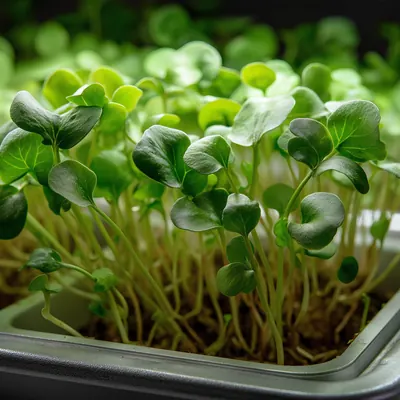
Broccoli Sprouts
Young broccoli sprouts valued for glucoraphanin and sulforaphane potential, vitamin C, and Nrf2-supportive phytochemistry
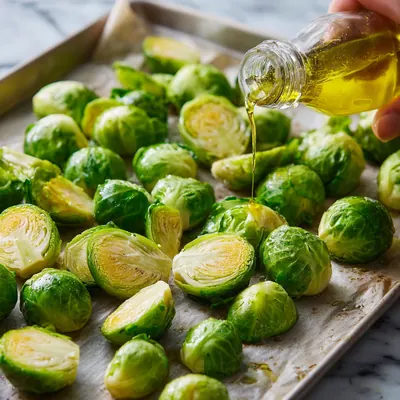
Brussels Sprouts
Cruciferous vegetable providing glucosinolate-derived isothiocyanates, folate and vitamin C
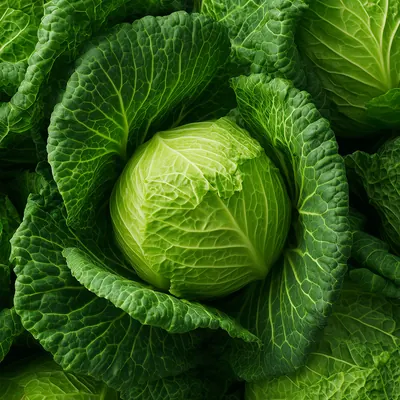
Cabbage
Base for sauerkraut; fiber and vitamin C
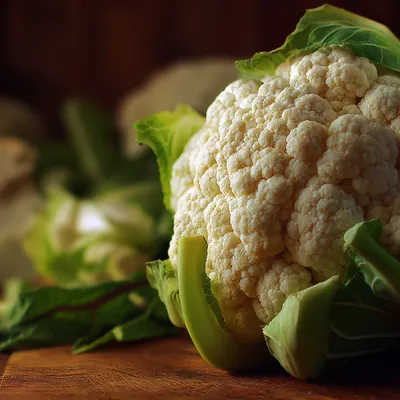
Cauliflower
Cruciferous vegetable with fiber and B vitamins
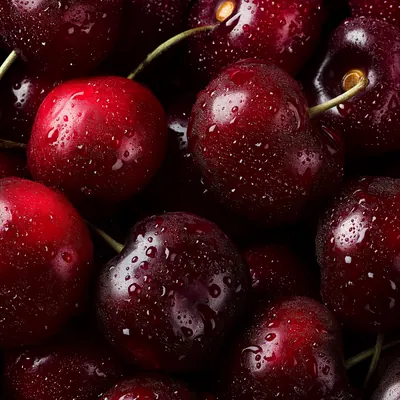
Cherries
General cherry information; see tart cherry for sleep support

Cranberries
Polyphenols and resveratrol for microbiome and mitochondrial support

Kale
Leafy green rich in iron, magnesium, zinc, quercetin, and carotenoids

Lemon
Vitamin C for iron absorption enhancement and pH adjustment

Onions
Inulin prebiotic, quercetin, and glutathione precursors

Oranges
Vitamin C for iron absorption enhancement

Parsley
Reduces harmful cholesterol oxidation products when added to cooking

Pomegranates
Ellagitannins for urolithin A production and polyphenol support

Potatoes
Starchy vegetable providing resistant starch when cooled

Raspberries
Polyphenol-rich berries with fiber

Spinach
Leafy green rich in iron, magnesium, folate, and carotenoids

Strawberries
Polyphenol-rich berries supporting cognitive function

Sweet Potatoes
Root vegetable rich in beta-carotene, fibre, and potassium

Tart Cherry
Natural melatonin source for sleep support

Tomatoes
Lycopene, vitamin C, and food matrix effects on absorption

Watercress
Peppery brassica salad leaf providing vitamin C, vitamin K and carotenoids
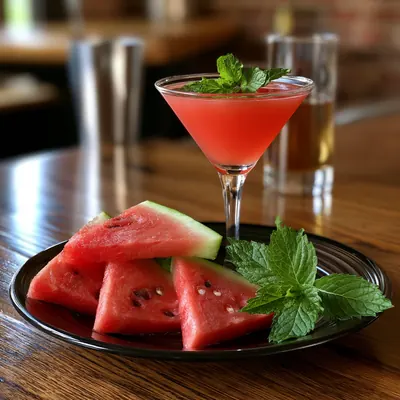
Watermelon
Hydrating fruit contributing citrulline within an arginine-nitric oxide network context
Biological Mechanisms and Implications
| Biological Target | Therapeutic Areas | Mechanism of Action |
|---|
References
- Vitamin C works within antioxidant networks with vitamin E, CoQ10, and polyphenols, with these compounds regenerating each other in vivo Packer et al. 1997
- Spacing tea/coffee from iron-rich plant meals or adding vitamin C improves iron uptake; SVCT2 maintains brain ascorbate
- Vitamin C supports norepinephrine synthesis as a cofactor, supporting attention, arousal, and executive modulation