Calcium
Ca2+
Overview
Calcium is the most abundant mineral in the human body, with the majority stored in bones and teeth. Beyond its structural role, calcium is essential for numerous physiological processes including nerve impulse transmission, muscle contraction, and blood clotting. In the brain, calcium plays a critical role in neurotransmission, acting as a second messenger in neuronal signaling. Calcium absorption and utilization depend on adequate levels of vitamin D and vitamin K2, which work together to ensure proper calcium distribution to bones rather than soft tissues. The balance of calcium with other minerals like magnesium is important for optimal function.
Dietary absorption and meal context
- Physiologic form: Calcium signaling and transport are mediated by the calcium ion (Ca2+).
- Enhancers: Vitamin D status and adequate protein intake support intestinal calcium absorption and utilization.
- Inhibitors and matrix effects: Phytates and oxalates can reduce calcium absorption from specific plant foods; fermentation and cooking methods can reduce inhibitor load in some foods.
- Practical pattern: Use a food-first approach (dairy or fortified alternatives, calcium-set tofu, low-oxalate greens) with attention to vitamin D and magnesium status.
Recipes
11 recipes containing this substance
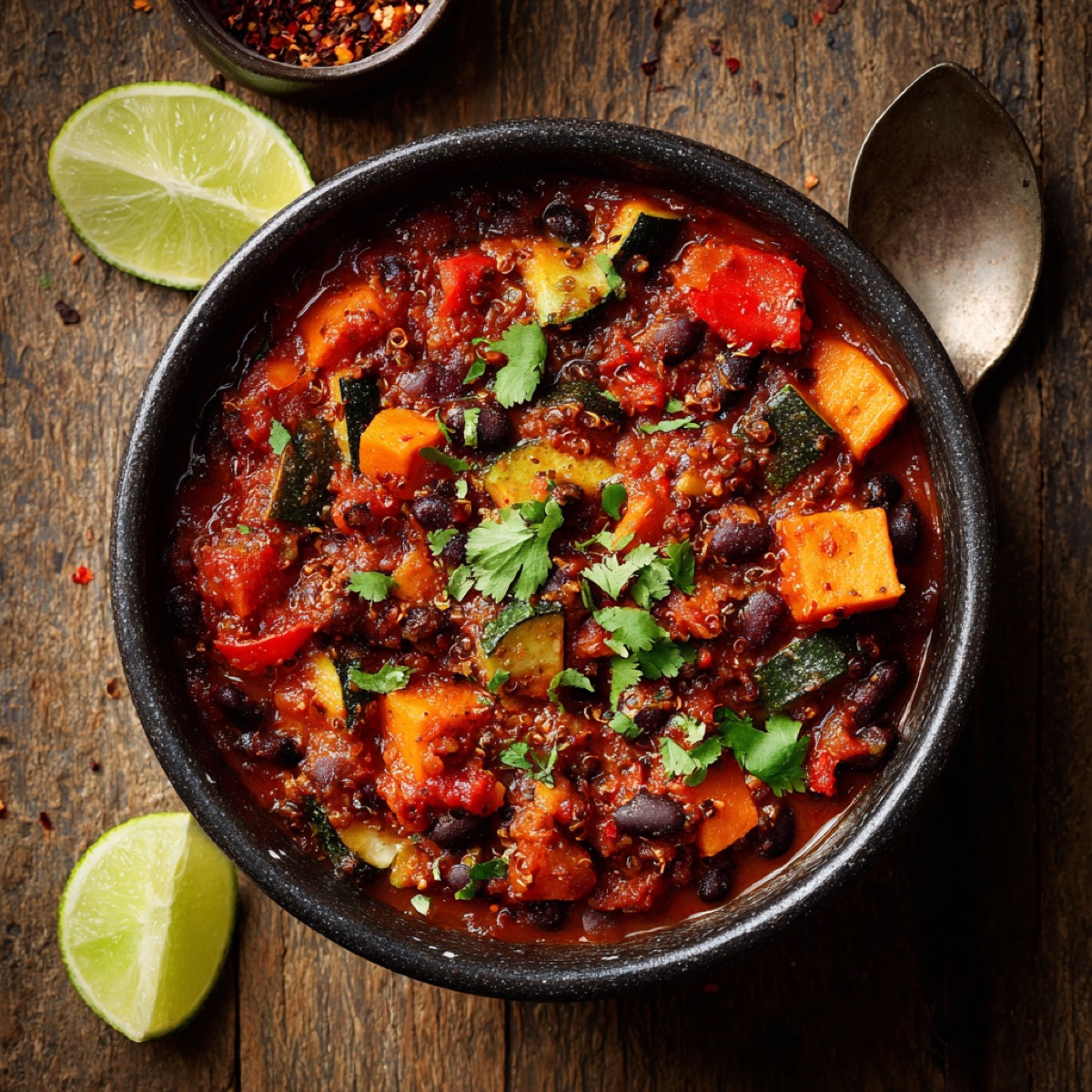
Black Bean & Sweet Potato Vegetable Chilli
A fibre-rich bean and vegetable chilli with warming spices and slow carbohydrates for steady energy and satiety.
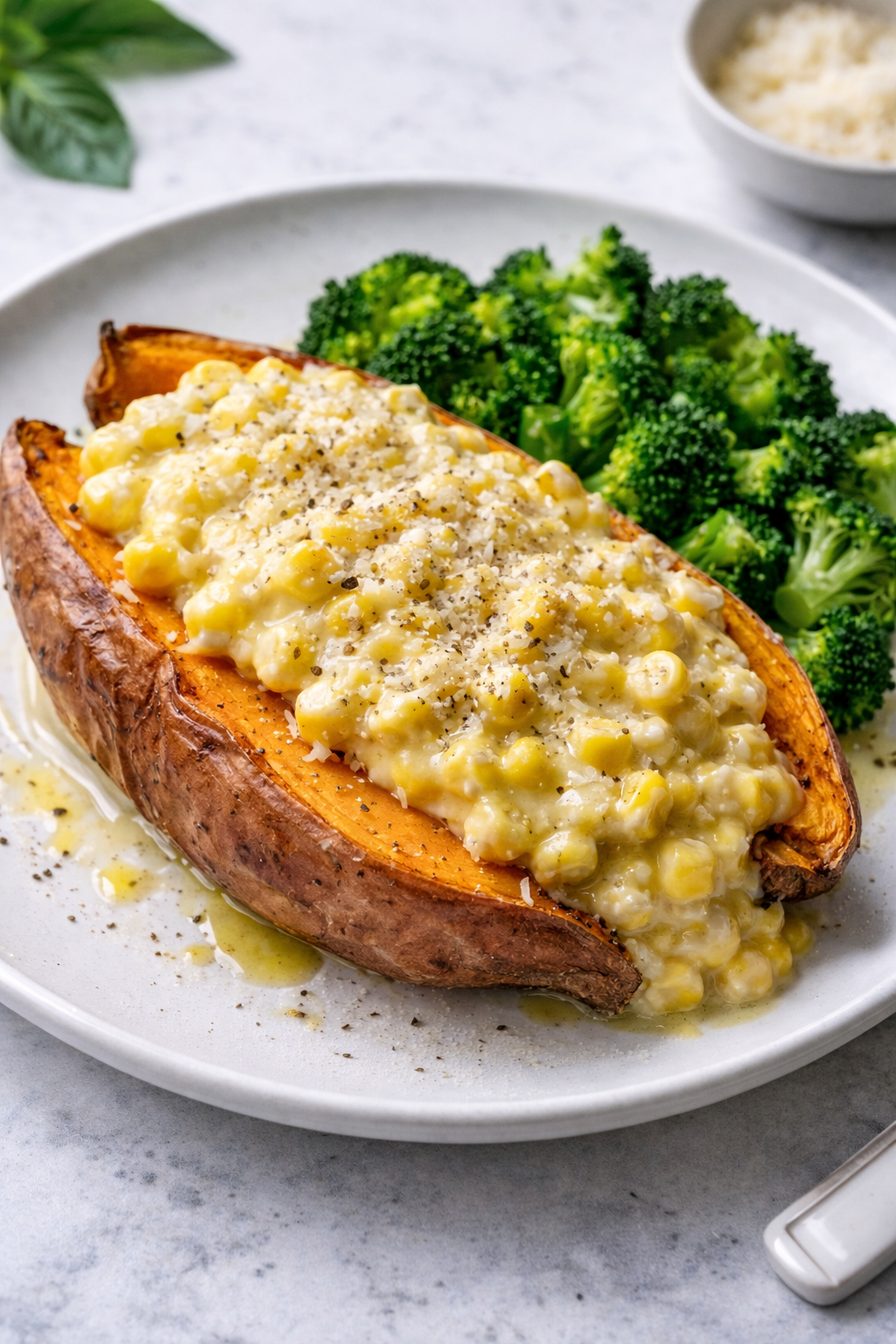
Creamed Corn on Roasted Sweet Potato
Roasted sweet potato with creamed corn and a mixed lipid phase to enhance carotenoid absorption; served with broccoli for fibre and glucosinolates.
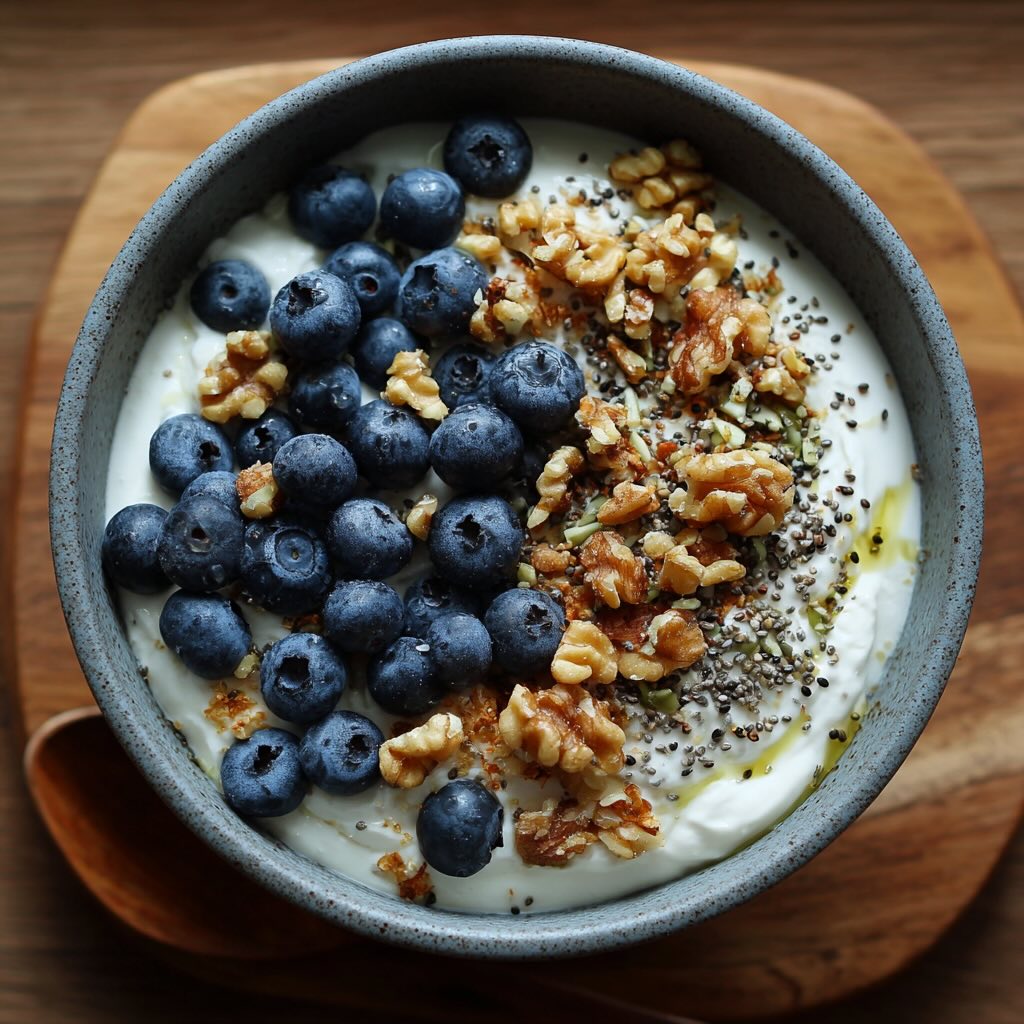
Ginger Yogurt and Blueberries
A polyphenol-rich breakfast bowl with high fibre, combining ginger, omega-3 nuts, blueberry polyphenols, and probiotic yogurt.
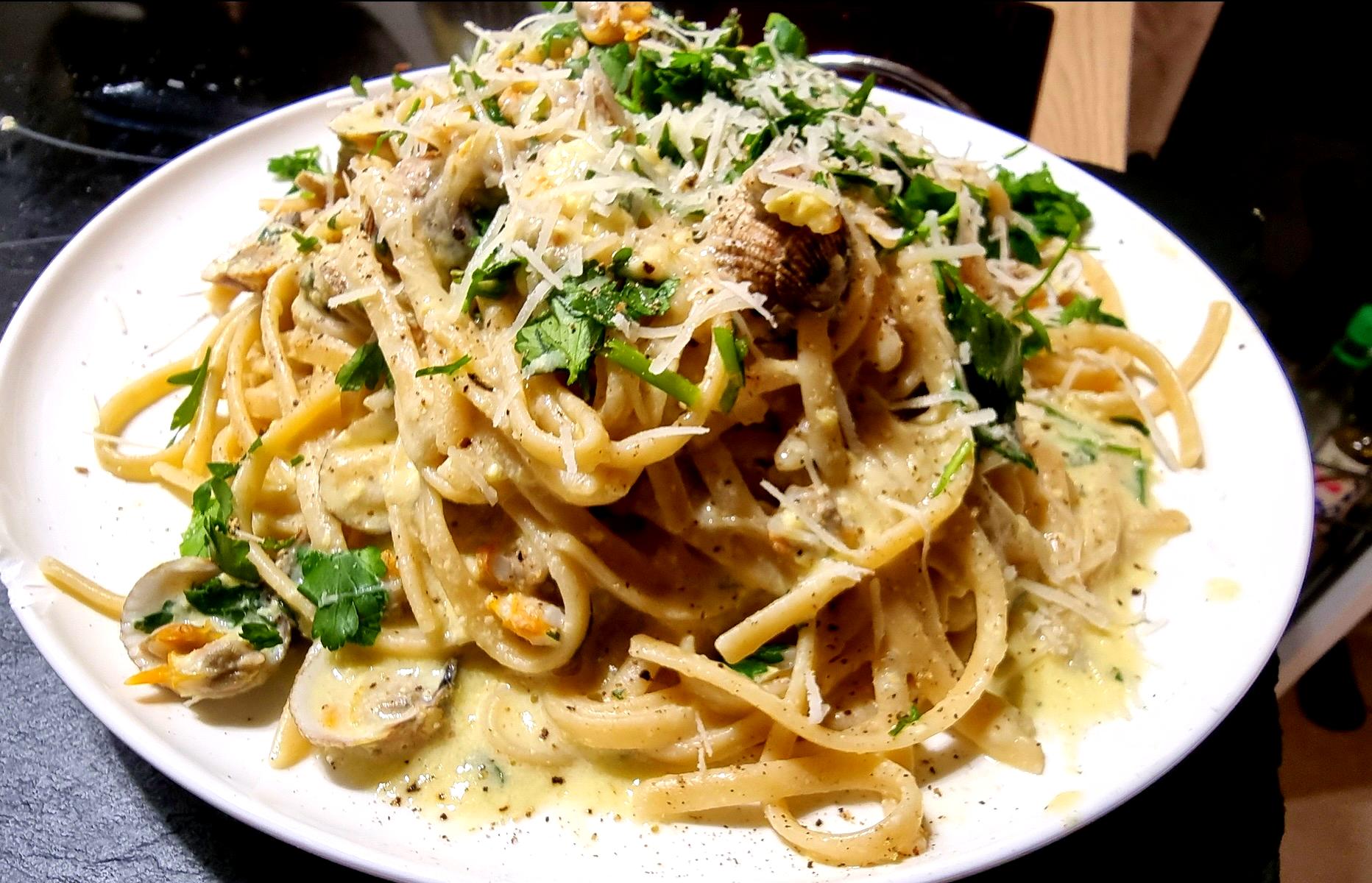
Linguine alle vongole mantecate (Linguine with cockles in a silky emulsified sauce)
Whole-wheat linguine with cockles in a silky emulsified sauce; Italian emulsification technique without cream, supporting taurine, B12, and choline intake.
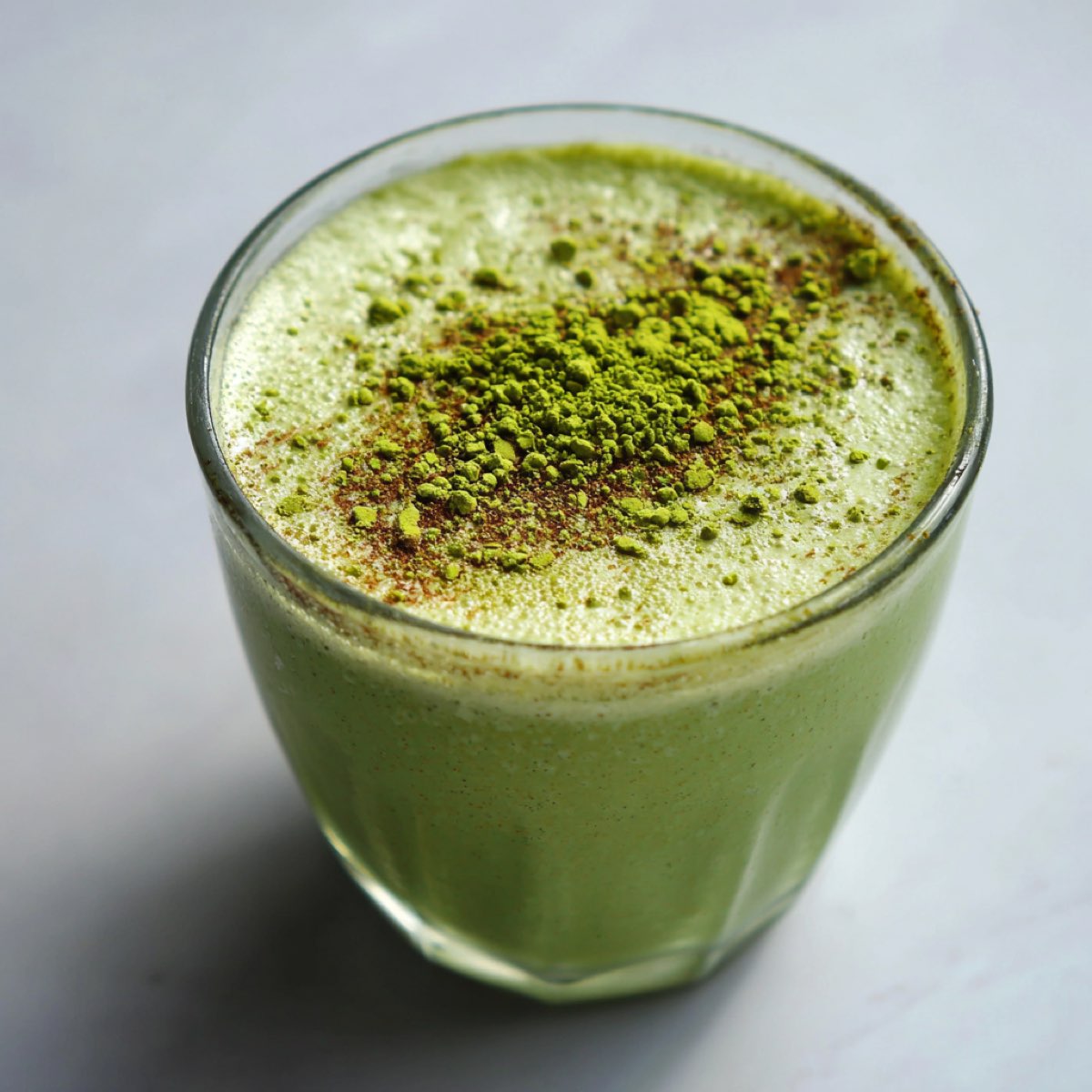
Matcha Mitochondria Smoothie
Mitochondrial energising smoothie rich in polyphenols, magnesium, and antioxidants
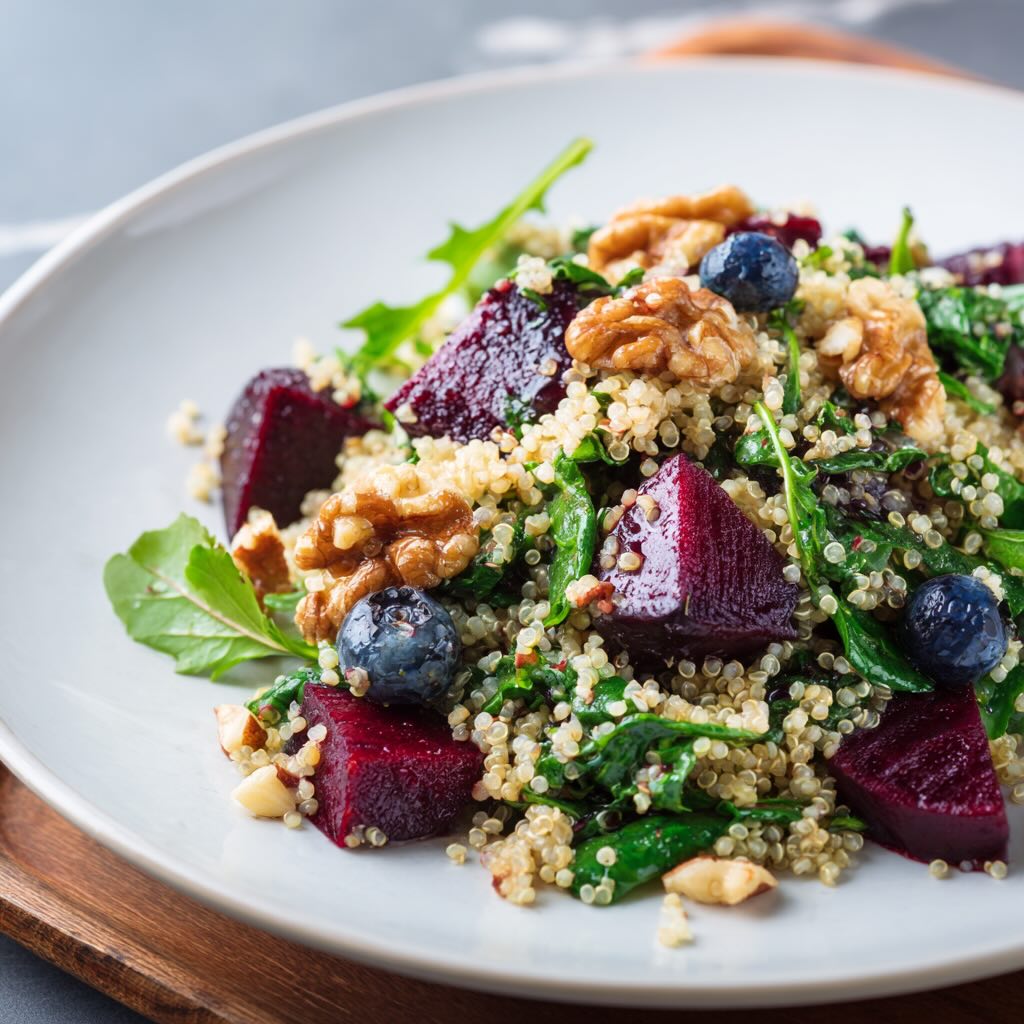
Mitochondrial Power Bowl
A nitrate-rich, polyphenol-dense bowl combining leafy greens, beets, berries, nuts, and early harvest olive oil
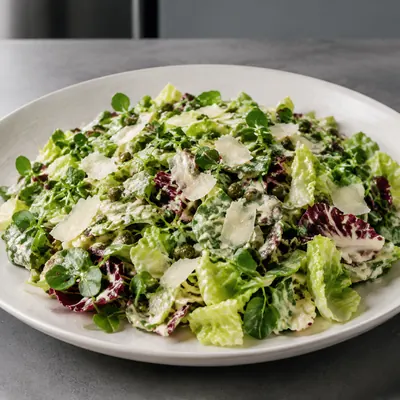
Mixed-Leaf Tahini Caesar Salad
A Caesar-style mixed-leaf salad with a tahini, anchovy, caper and Parmesan dressing, using extra virgin olive oil retained from oil-packed capers.
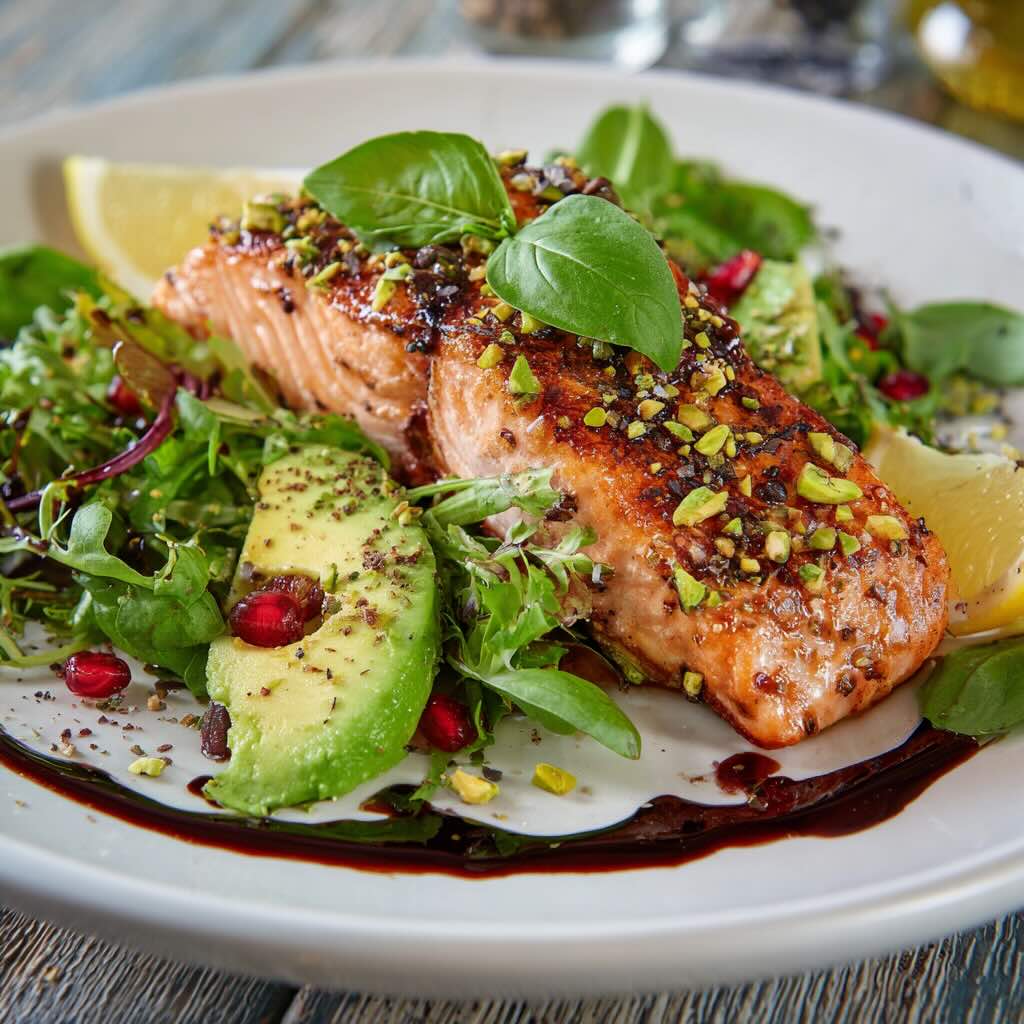
Salmon Bowl-pistachio-cacao-nibs
A Mediterranean-style bowl combining salmon, avocado, pistachios, cacao nibs, and early harvest olive oil — rich in omega-3 fats, polyphenols, and fibre.
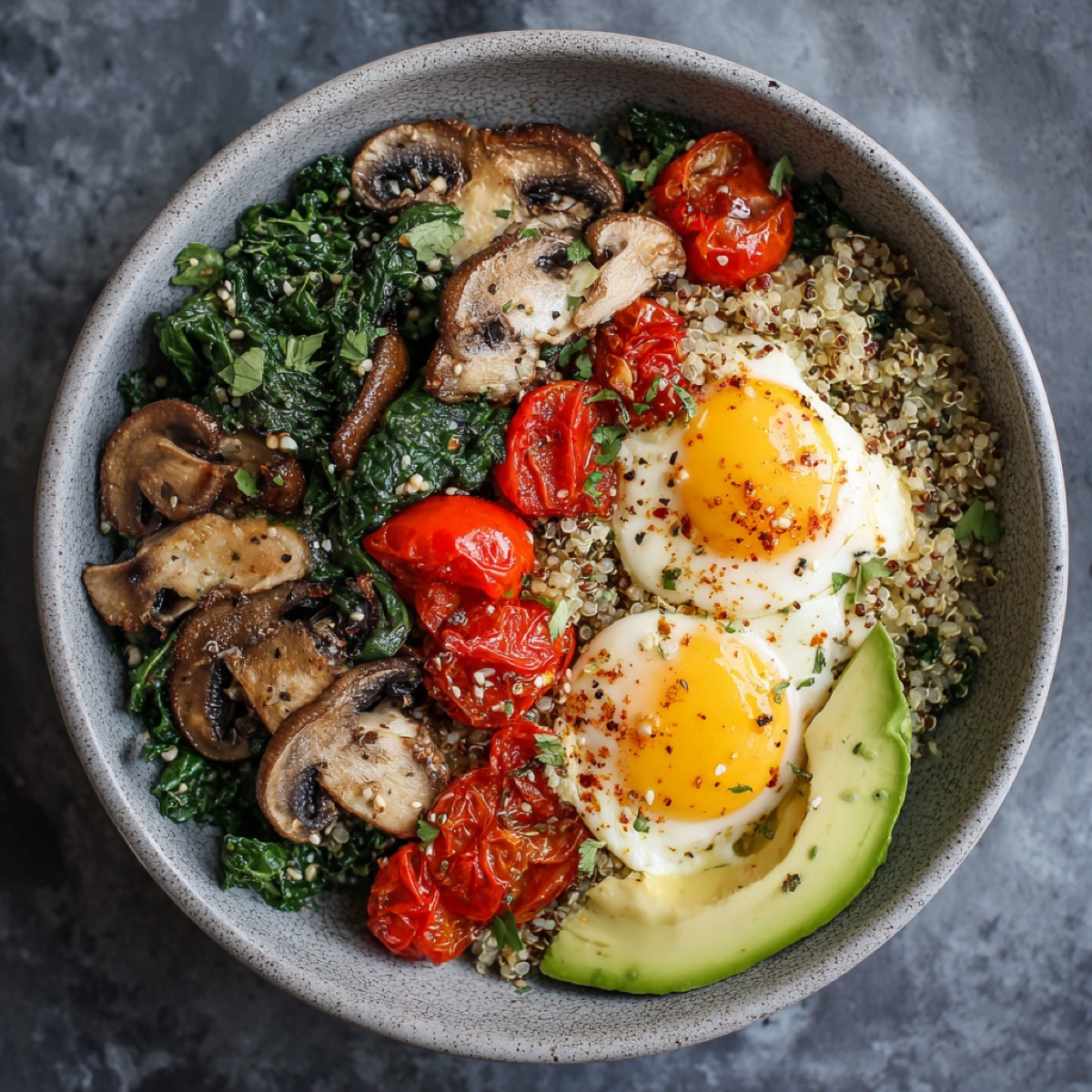
Savoury Greens & Egg Breakfast Skillet
A warm savoury breakfast skillet with eggs, greens, and slow carbohydrates for steady morning energy.
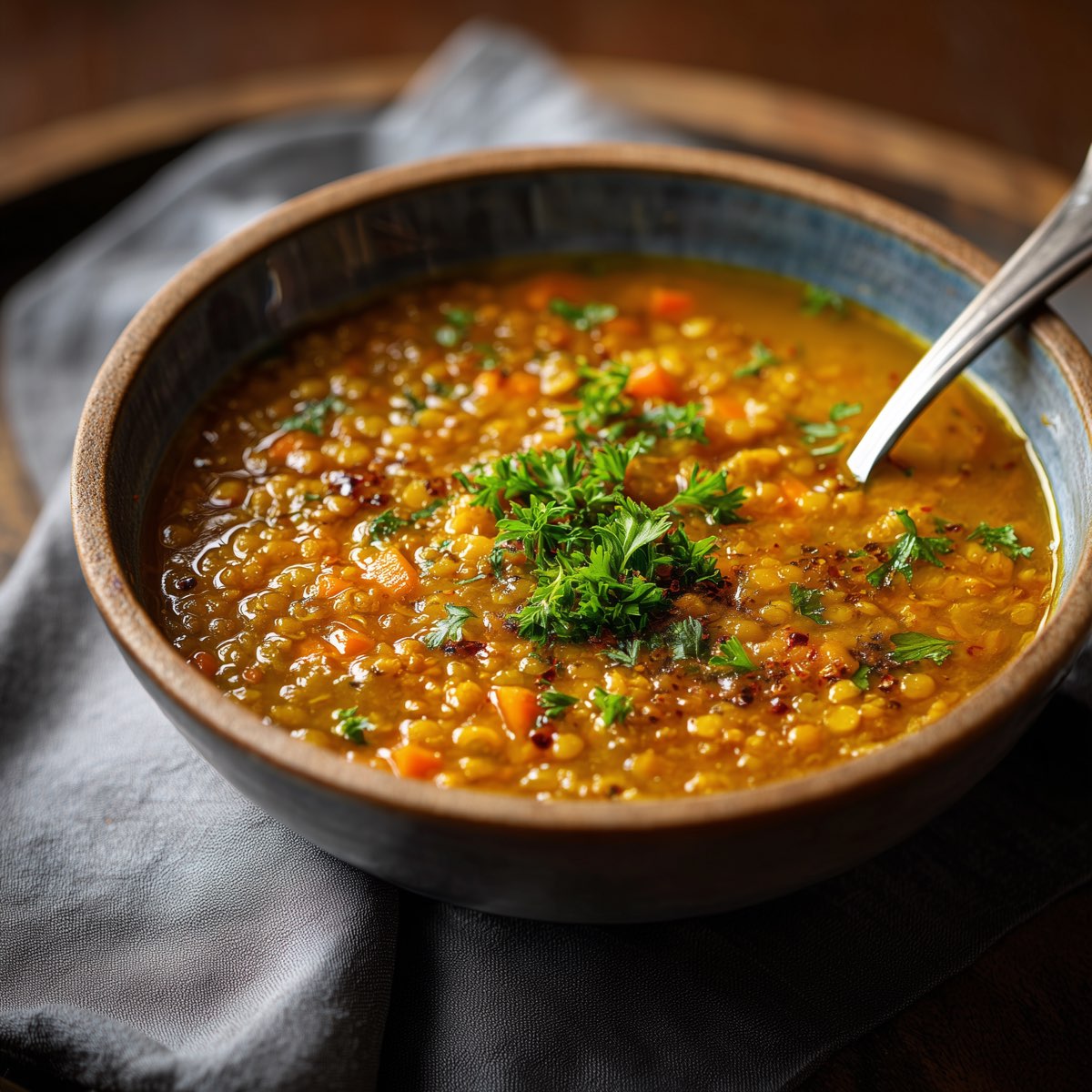
Turmeric Lentil Dahl
Turmeric- and ginger-spiced lentil dish rich in fibre, folate, and polyphenols
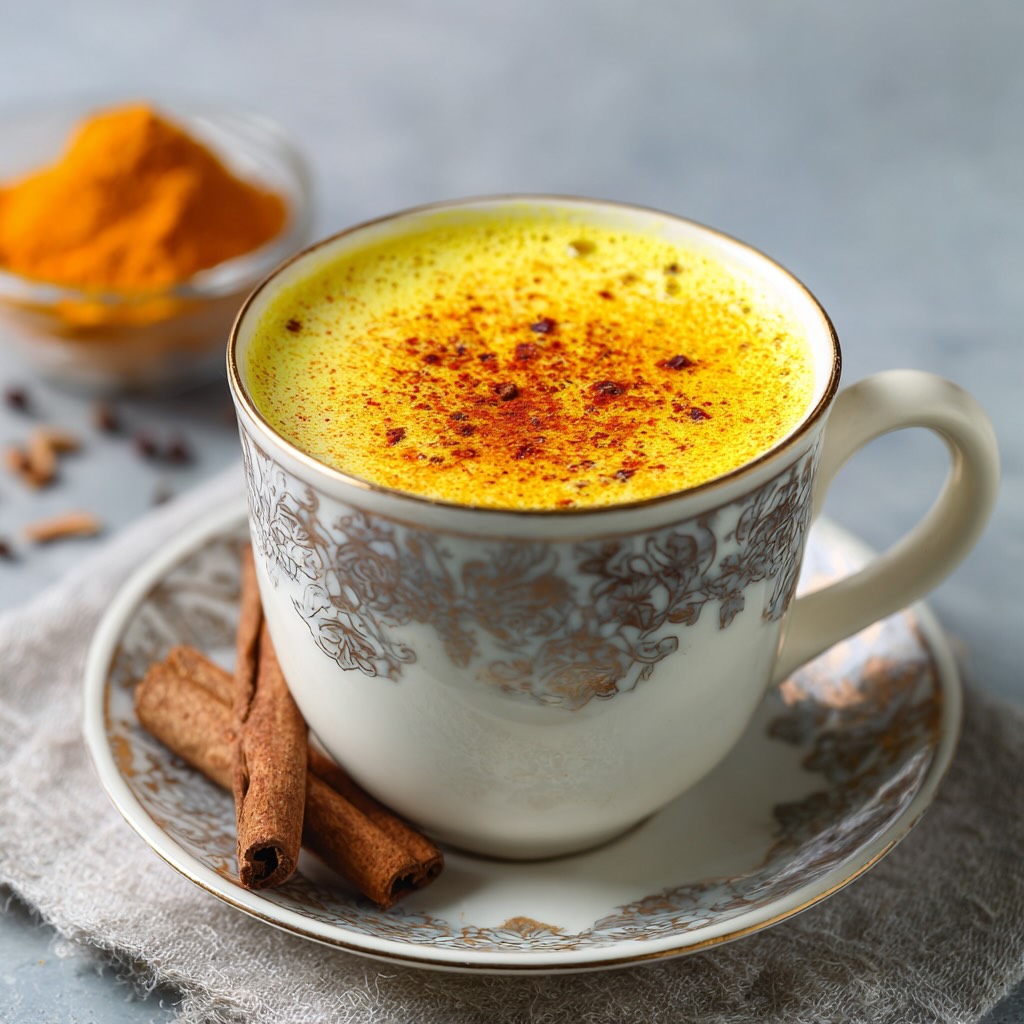
Turmeric Milk
A warming drink combining turmeric (curcumin) with milk/fat for enhanced curcumin absorption
Foods
17 foods containing this substance
Almonds
Nutrient-dense nut providing vitamin E, magnesium, fibre and unsaturated fats

Anchovies
Small oily fish, typically canned and drained, providing EPA, DHA and niacin
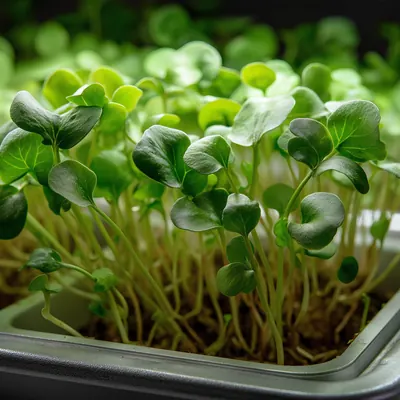
Broccoli Sprouts
Young broccoli sprouts valued for glucoraphanin and sulforaphane potential, vitamin C, and Nrf2-supportive phytochemistry
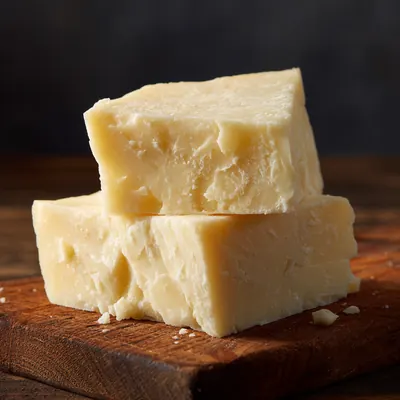
Cheddar Cheese
Hard cow’s-milk cheese rich in protein, calcium, and vitamin B12
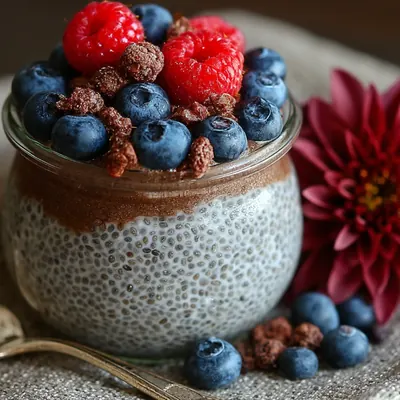
Chia Seeds
ALA omega-3, fiber, and minerals

Fortified Plant Milks
Plant-based milks fortified with B12, D, and sometimes iodine

Greek Yogurt
Fermented dairy providing probiotics and complete protein

Kale
Leafy green rich in iron, magnesium, zinc, quercetin, and carotenoids

Kefir
Fermented milk with diverse probiotics and GABA potential

Milk
Complete protein, nicotinamide riboside, and calcium

Parmesan Cheese
CLA, K2, C15:0, and high protein/calcium

Sardines
Small oily fish rich in EPA/DHA, CoQ10, and calcium

Sesame Seeds
Whole sesame seed with unsaturated fat, minerals and lignans

Spinach
Leafy green rich in iron, magnesium, folate, and carotenoids

Tahini
Ground sesame-seed paste; composition depends on hull and roast

Tempeh
Fermented soy providing probiotics and enhanced nutrient bioavailability

Tofu
Soy-based protein source with isoflavones and choline
Biological Mechanisms and Implications
| Biological Target | Therapeutic Areas | Mechanism of Action |
|---|
References
- Calcium supports skeletal integrity and neurotransmission; absorption and distribution depend on vitamin D and K2 status
- Calcium Modulation: Vitamin D, magnesium, taurine, phospholipids (phosphatidylserine), flavonoids (quercetin) support insulin sensitivity, sympathetic arousal, and mitochondrial excitability
- Phytates can bind essential minerals such as calcium, potentially impairing their absorption; fermentation can reduce phytate content and improve bioavailability
- Fortified plant milks and dairy milk can help meet calcium targets when used judiciously