Watermelon
Overview
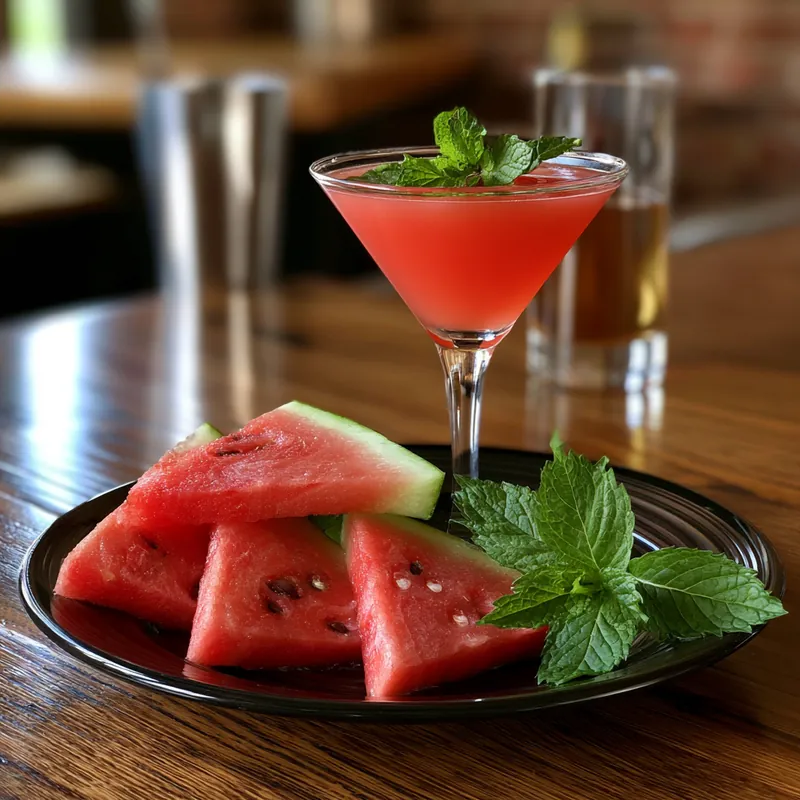
Watermelon is a high-water fruit that provides modest amounts of potassium, vitamin C, and carotenoid-rich red pigment compounds, and is one of the recognizable food sources of citrulline.
Within the BRAIN Diet framework, watermelon is included as a network food rather than a single-nutrient food: citrulline links to arginine availability, nitric-oxide signaling, vascular function, and creatine-pathway context across connected systems.
Key Nutritional Highlights
- Practical food source of citrulline in whole-food patterns.
- Helps connect a citrulline -> arginine -> nitric oxide pathway context relevant to vascular signaling.
- Supports a broader citrulline-arginine-nitric oxide network context relevant to vascular signaling.
- High water content and low energy density make it easy to include in larger portions.
- Best interpreted as a network-support food, not a standalone arginine replacement.
Food Context
Synergies
- Fits well with nitrate-rich vegetables and polyphenol-rich plant foods in vascular-support meal patterns.
Preparation
- Use fresh cut fruit for the highest practical intake volume; juice concentrates sugars and can reduce satiety.
- Chill and combine with mineral-rich foods (for example, seeds or yogurt) when used in post-activity meals.
BRS Network Connection
Watermelon is included because it contributes to a connected biological network involving citrulline, arginine, nitric-oxide signaling, vascular function, and creatine biosynthesis, linking multiple Biological Regulatory Systems:
- BRS2 - one-carbon / methylation context supporting precursor-network handling
- BRS3 - nutrient transport and tissue-delivery context
- BRS4 - bioenergetic and creatine-pathway relevance
- BRS6 - vascular and perfusion-linked metabolic context
Recipes
Nutrient Tables (per 100 g)
Core nutrients
| Nutrient | Amount per 100 g | % RDA per 100 g |
|---|---|---|
| Energy | 30 kcal | — |
| Protein | 0.6 g | — |
| Total fat | 0.2 g | — |
| Saturated fat | 0 g | — |
| Carbohydrates | 7.6 g | — |
| Sugars | 6.2 g | — |
| Fibre | 0.4 g | — |
Advanced Nutrition
Other quantitative vitamins and minerals from the same composition panel. They remain available for Substance cards and later scoring; they are not headline nutrients of this food.
| Nutrient | Amount per 100 g | % RDA per 100 g |
|---|---|---|
| Iron | 0.2 mg | 1.3% |
| Zinc | 0.1 mg | 0.9% |
| Magnesium | 10 mg | 2.4% |
| Phosphorus | 11 mg | 1.6% |
| Manganese | 0 mg | 1.7% |
| Selenium | 0.4 µg | 0.7% |
| Calcium | 7 mg | 0.7% |
| Potassium | 112 mg | 3.3% |
| Copper | 0 mg | 4.7% |
| Sodium | 1 mg | — |
| Choline | 4.1 mg | 0.7% |
| Folate | 3 µg | 0.8% |
| Vitamin B6 | 0 mg | 3.5% |
| Vitamin B2 | 0 mg | 1.6% |
| Vitamin B1 | 0 mg | 2.8% |
| Vitamin B3 | 0.2 mg | 1.1% |
| Vitamin B5 | 0.2 mg | 4.4% |
| Vitamin C | 8.1 mg | 9% |
| Vitamin A | 28 µg | 3.1% |
| Vitamin E | 0.1 mg | 0.3% |
| Vitamin K | 0.1 µg | 0.1% |
Bioactive compounds
Explicitly identified compounds, including individual fatty acids, with a defensible quantity or an explicit qualitative status. Asterisks (*) identify supplementary sources below. Unquantified or trace constituents are not automatically admitted to the Substances list.
| Compound / class | Amount per 100 g | Notes |
|---|---|---|
| Lycopene | 4532 µg | — |
| Citrulline | Present — quantity not established * | — |
- * Citrulline: Watermelon flesh and rind are documented dietary sources of L-citrulline; USDA SR Legacy does not report citrulline.
Substances
Substances admitted through a supported nutrition-table row. Not every table row appears here. Cards are not BRS mappings.
4 substances in this food

Citrulline
Non-protein amino acid that contributes to arginine and nitric oxide pathway context
Lycopene
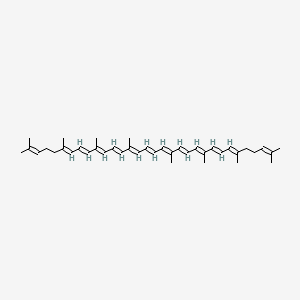
Neuroprotective carotenoid; found in tomatoes; absorption enhanced by cooking and dietary fat
Potassium
Electrolyte for nerve transmission, muscle function, and blood pressure regulation
Vitamin C (Ascorbate)
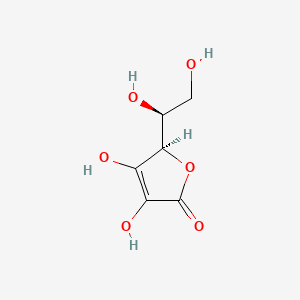
Antioxidant; supports iron absorption; neuronal SVCT2 transport
References
[1] Avgerinos et al. (2018). Effects of creatine supplementation on cognitive function of healthy individuals: A systematic review of randomized controlled trials
[2] Mariotti & Gardner (2019). Dietary protein and amino acids in vegetarian diets: Current issues and practical recommendations