Sweet Potatoes

Overview
Sweet potatoes are starchy roots that combine slow-digesting carbohydrate with meaningful fibre, potassium, and carotenoid density. Orange-fleshed varieties are especially relevant for beta-carotene, while also contributing vitamin C and vitamin B6 in whole-food form.
Within the BRAIN Diet framework, sweet potatoes are best used as a whole-food carbohydrate base that can be roasted, steamed, or cooled/reheated depending on meal context. Their nutrient profile differs from white potatoes primarily through carotenoid concentration and generally higher intrinsic sweetness, while still supporting fibre-first meal construction.
Key Nutritional Highlights
- Provides fibre and potassium in a low-fat root-vegetable matrix. [1]
- Orange-fleshed varieties add substantial beta-carotene contribution. [2]
- Works well as a slower carbohydrate base when paired with protein, fibre, and fats.
- Sweetness and texture are strongly variety- and cooking-method dependent.
Food Context
Synergies
- Pair with fat-containing foods (e.g. olive oil, yogurt, nuts/seeds) to support carotenoid absorption.
Preparation
- Roasting and mashing improve palatability and can increase practical intake in mixed meals.
- Cooling after cooking changes starch structure and may improve post-meal glucose response.
Essential Amino Acid Profile
Sweet potatoes are not a protein-forward food; use legumes, dairy, eggs, fish, or other protein-rich foods alongside.
Recipes
2 recipes containing this food
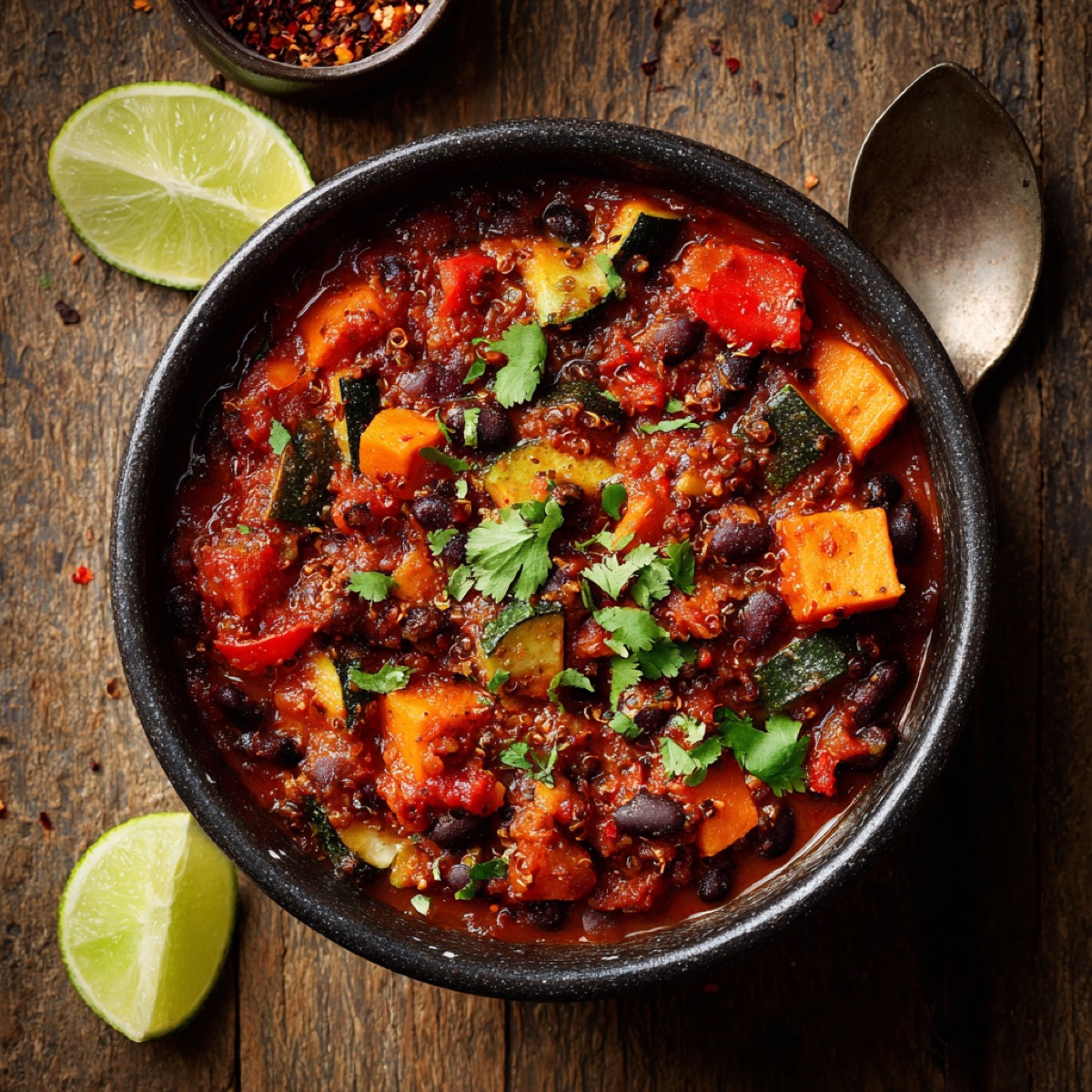
Black Bean & Sweet Potato Vegetable Chilli
A fibre-rich bean and vegetable chilli with warming spices and slow carbohydrates for steady energy and satiety.
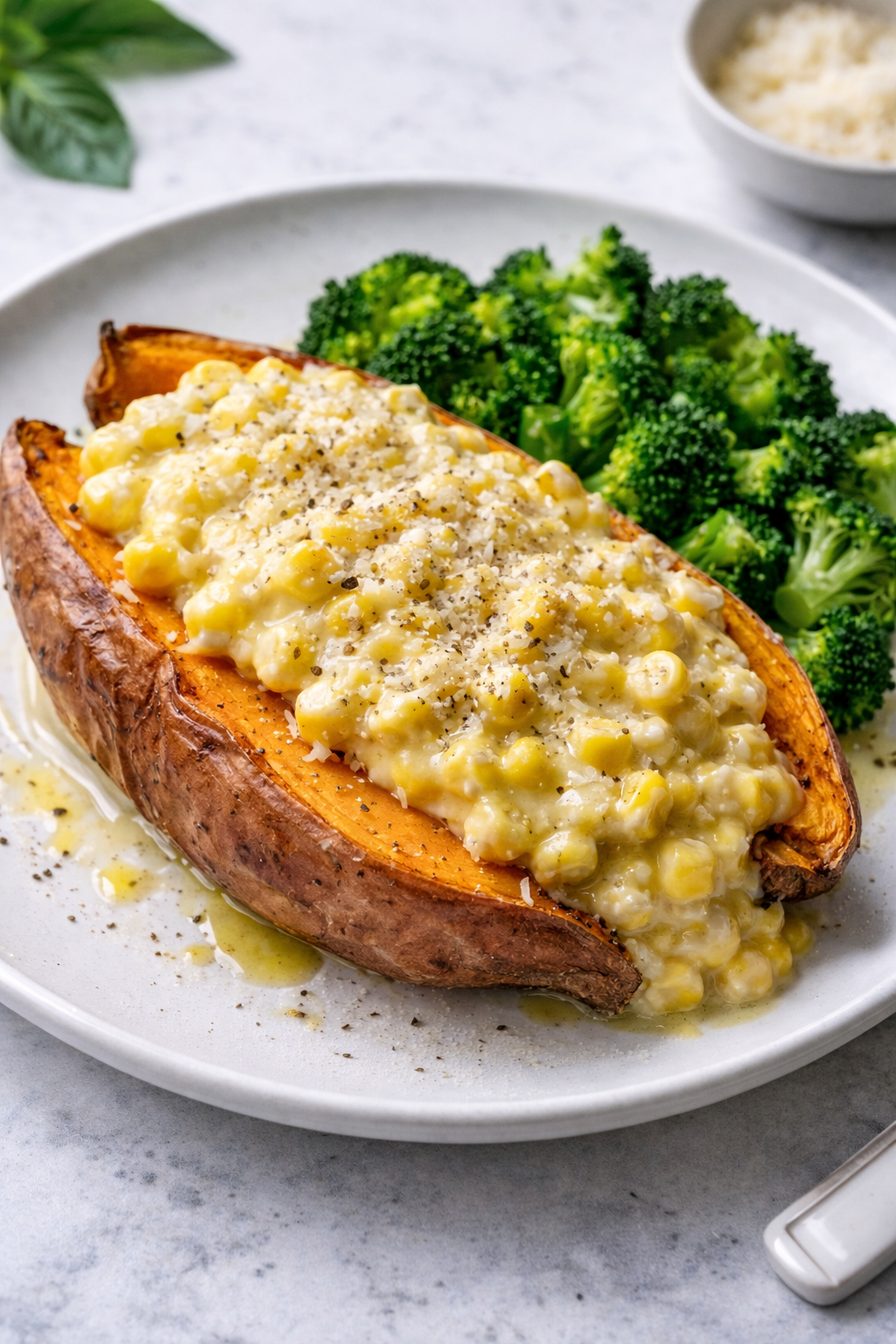
Creamed Corn on Roasted Sweet Potato
Roasted sweet potato with creamed corn and a mixed lipid phase to enhance carotenoid absorption; served with broccoli for fibre and glucosinolates.
Nutrient Tables (per 100 g)
Core nutrients
| Nutrient | Amount per 100 g | % RDA per 100 g |
|---|---|---|
| Energy | 86 kcal | — |
| Protein | 1.6 g | — |
| Total fat | 0.1 g | — |
| Saturated fat | 0 g | — |
| Carbohydrates | 20.1 g | — |
| Sugars | 4.2 g | — |
| Fibre | 3 g | — |
Key vitamins and minerals
Vitamins and minerals supplying at least 15% of an adult reference intake per 100 g, derived from the composition panel. Tags do not decide which rows appear.
| Nutrient | Amount per 100 g | % RDA per 100 g |
|---|---|---|
| Copper | 0.2 mg | 16.8% |
| Vitamin B6 | 0.2 mg | 16.1% |
| Vitamin B5 | 0.8 mg | 16% |
| Vitamin A | 709 µg | 78.8% |
Advanced Nutrition
Other quantitative vitamins and minerals from the same composition panel. They remain available for Substance cards and later scoring; they are not headline nutrients of this food.
| Nutrient | Amount per 100 g | % RDA per 100 g |
|---|---|---|
| Iron | 0.6 mg | 3.4% |
| Zinc | 0.3 mg | 2.7% |
| Magnesium | 25 mg | 6% |
| Phosphorus | 47 mg | 6.7% |
| Manganese | 0.3 mg | 11.2% |
| Selenium | 0.6 µg | 1.1% |
| Calcium | 30 mg | 3% |
| Potassium | 337 mg | 9.9% |
| Sodium | 55 mg | — |
| Choline | 12.3 mg | 2.2% |
| Folate | 11 µg | 2.8% |
| Vitamin B2 | 0.1 mg | 4.7% |
| Vitamin B1 | 0.1 mg | 6.5% |
| Vitamin B3 | 0.6 mg | 3.5% |
| Vitamin C | 2.4 mg | 2.7% |
| Vitamin E | 0.3 mg | 1.7% |
| Vitamin K | 1.8 µg | 1.5% |
Bioactive compounds
Explicitly identified compounds, including individual fatty acids, with a defensible quantity or an explicit qualitative status. Asterisks (*) identify supplementary sources below. Unquantified or trace constituents are not automatically admitted to the Substances list.
| Compound / class | Amount per 100 g | Notes |
|---|---|---|
| Beta-Carotene | 8509 µg | — |
| Beta-carotene | 8500 µg * | Orange-fleshed varieties are typically richest in carotenoids. |
- * Beta-carotene: Typical USDA-reported beta-carotene order-of-magnitude for raw orange sweet potato; values vary by cultivar and storage.
Substances
Substances admitted through a supported nutrition-table row. Not every table row appears here. Cards are not BRS mappings.
3 substances in this food
Potassium
Electrolyte for nerve transmission, muscle function, and blood pressure regulation
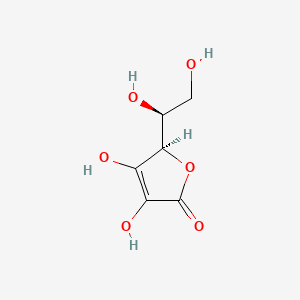
Vitamin C (Ascorbate)
Antioxidant; supports iron absorption; neuronal SVCT2 transport
References
[1] Orange-fleshed sweet potatoes supply beta-carotene and carotenoid precursors for retinoid pathways. Johnson et al. 2014. Role of lutein and zeaxanthin in visual and cognitive function throughout the lifespan
[2] Carotenoid bioavailability improves when paired with dietary fat in mixed meals. Brown et al. 2004. Carotenoid bioavailability is higher from salads ingested with full-fat than with fat-reduced salad dressings as measured with electrochemical detection