Copper
Cu2+
Overview
Copper is an essential trace mineral that functions as a cofactor in numerous redox enzymes and antioxidant systems. In the brain, copper is particularly important as a cofactor for dopamine β-hydroxylase, the enzyme that converts dopamine to norepinephrine, making it essential for catecholamine neurotransmitter synthesis. Copper participates in antioxidant enzyme networks and interacts closely with iron metabolism, with the balance between these two minerals being important for preventing oxidative stress. Copper also works with zinc in metallothionein proteins that help detoxify heavy metals.
Dietary absorption and meal context
- Food-first sources: Shellfish, organ meats, nuts, seeds, cocoa, and legumes are dense copper sources.
- Mineral balance: Copper status is tightly linked with zinc and iron metabolism, so long-term high-dose single-mineral supplementation can create imbalance.
- Practical pattern: Prefer mixed-food intake over isolated high-dose copper supplements unless clinically indicated.
Recipes
10 recipes containing this substance
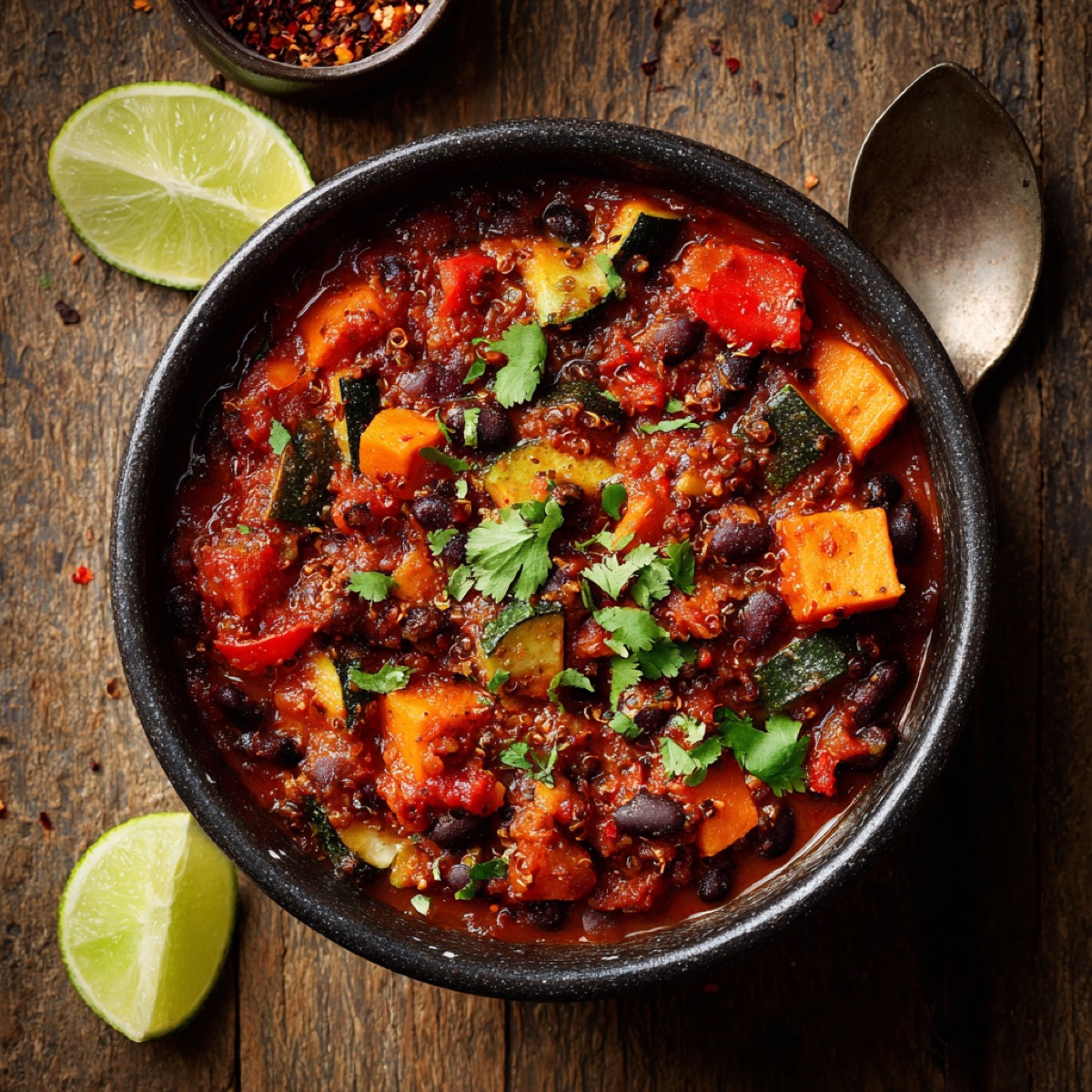
Black Bean & Sweet Potato Vegetable Chilli
A fibre-rich bean and vegetable chilli with warming spices and slow carbohydrates for steady energy and satiety.
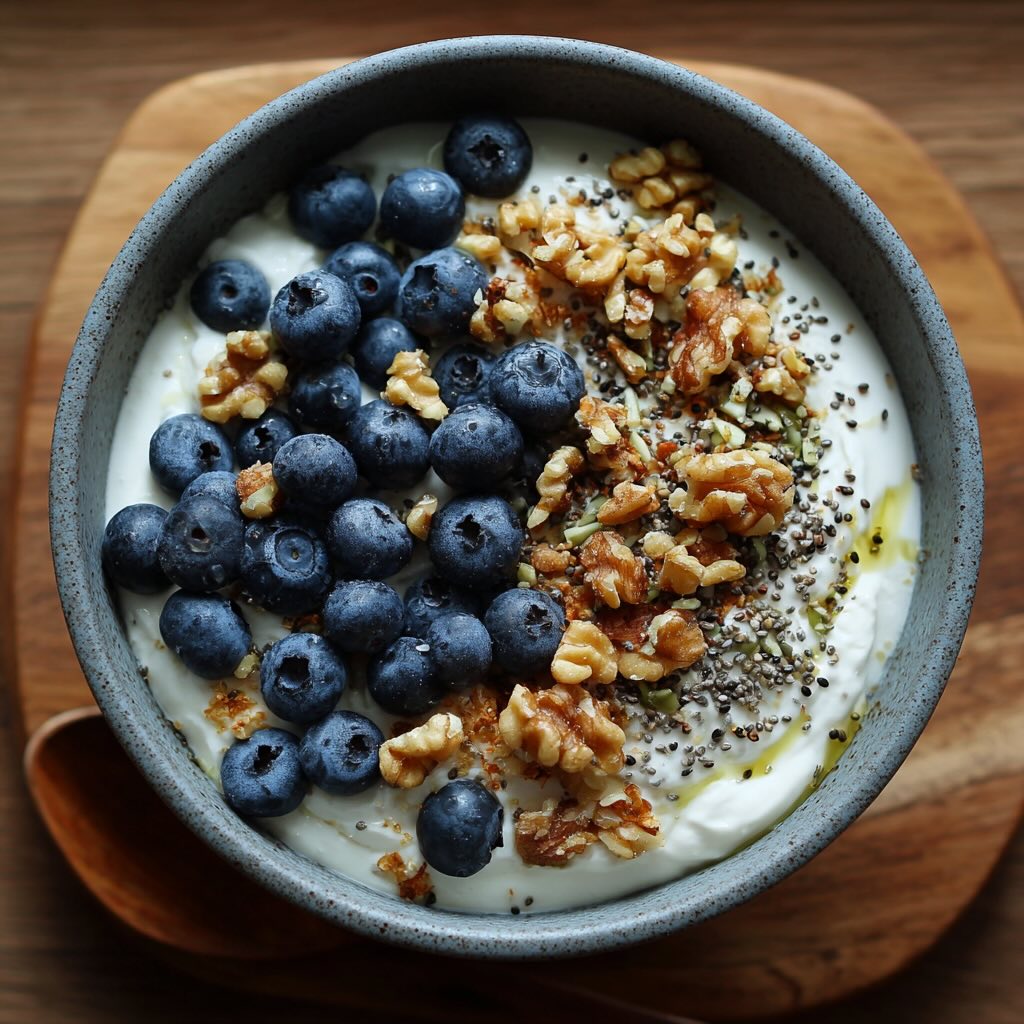
Ginger Yogurt and Blueberries
A polyphenol-rich breakfast bowl with high fibre, combining ginger, omega-3 nuts, blueberry polyphenols, and probiotic yogurt.
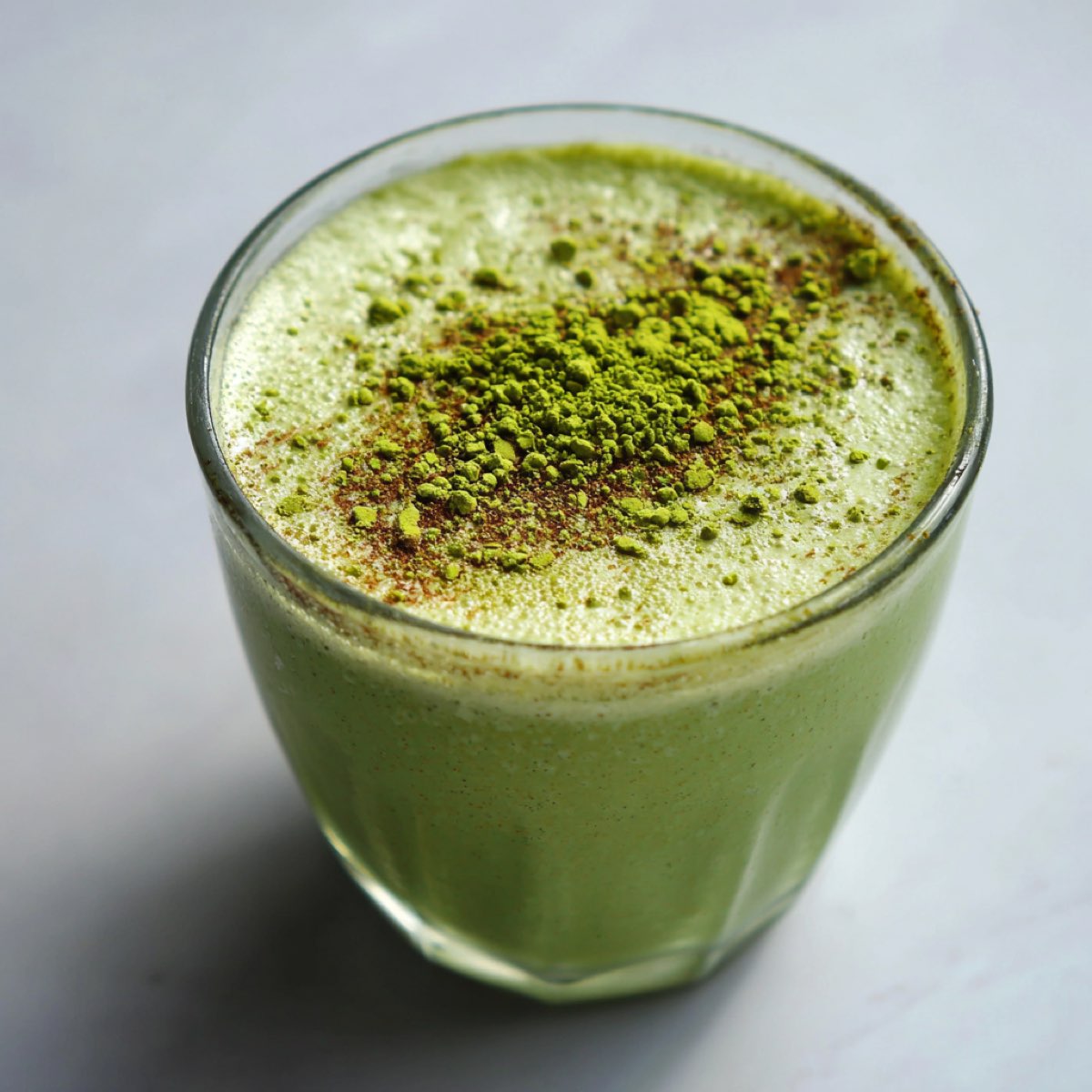
Matcha Mitochondria Smoothie
Mitochondrial energising smoothie rich in polyphenols, magnesium, and antioxidants
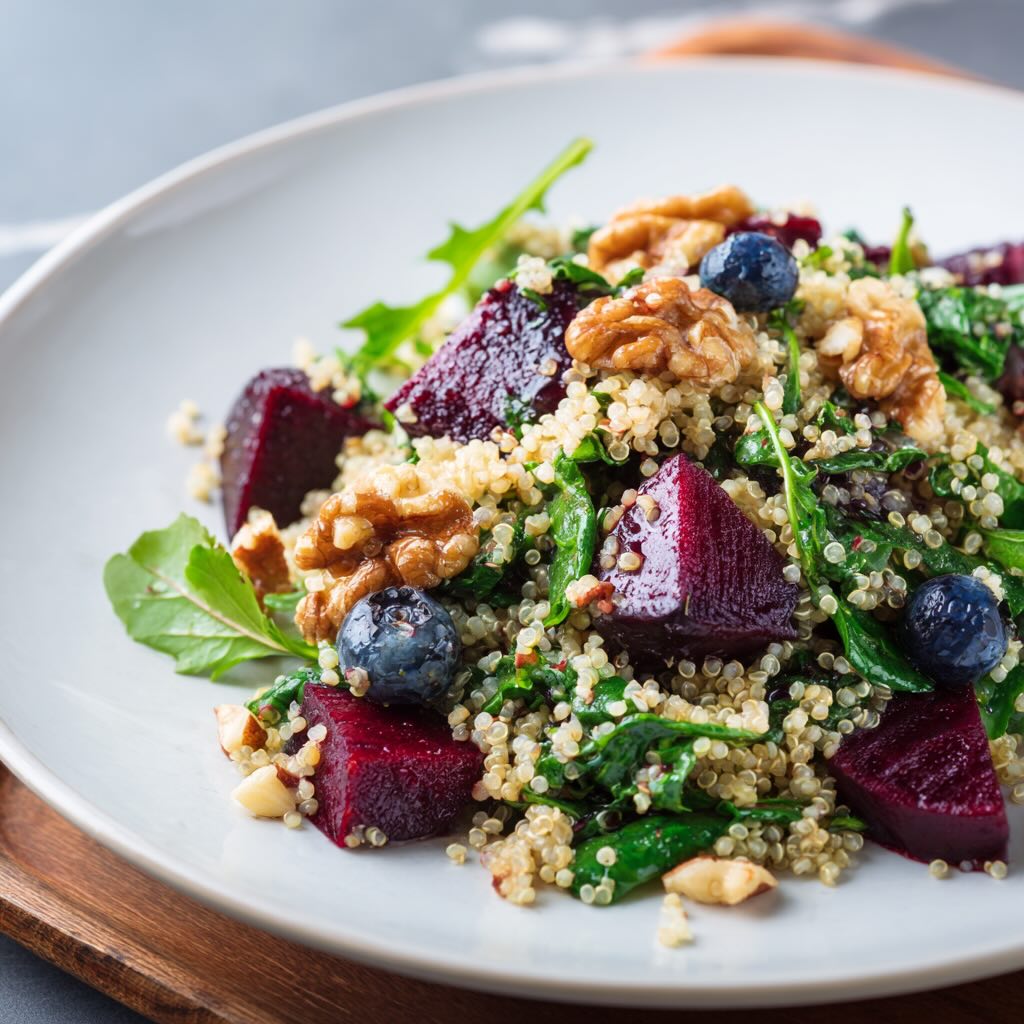
Mitochondrial Power Bowl
A nitrate-rich, polyphenol-dense bowl combining leafy greens, beets, berries, nuts, and early harvest olive oil
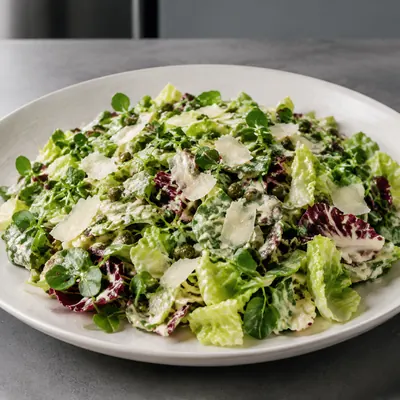
Mixed-Leaf Tahini Caesar Salad
A Caesar-style mixed-leaf salad with a tahini, anchovy, caper and Parmesan dressing, using extra virgin olive oil retained from oil-packed capers.
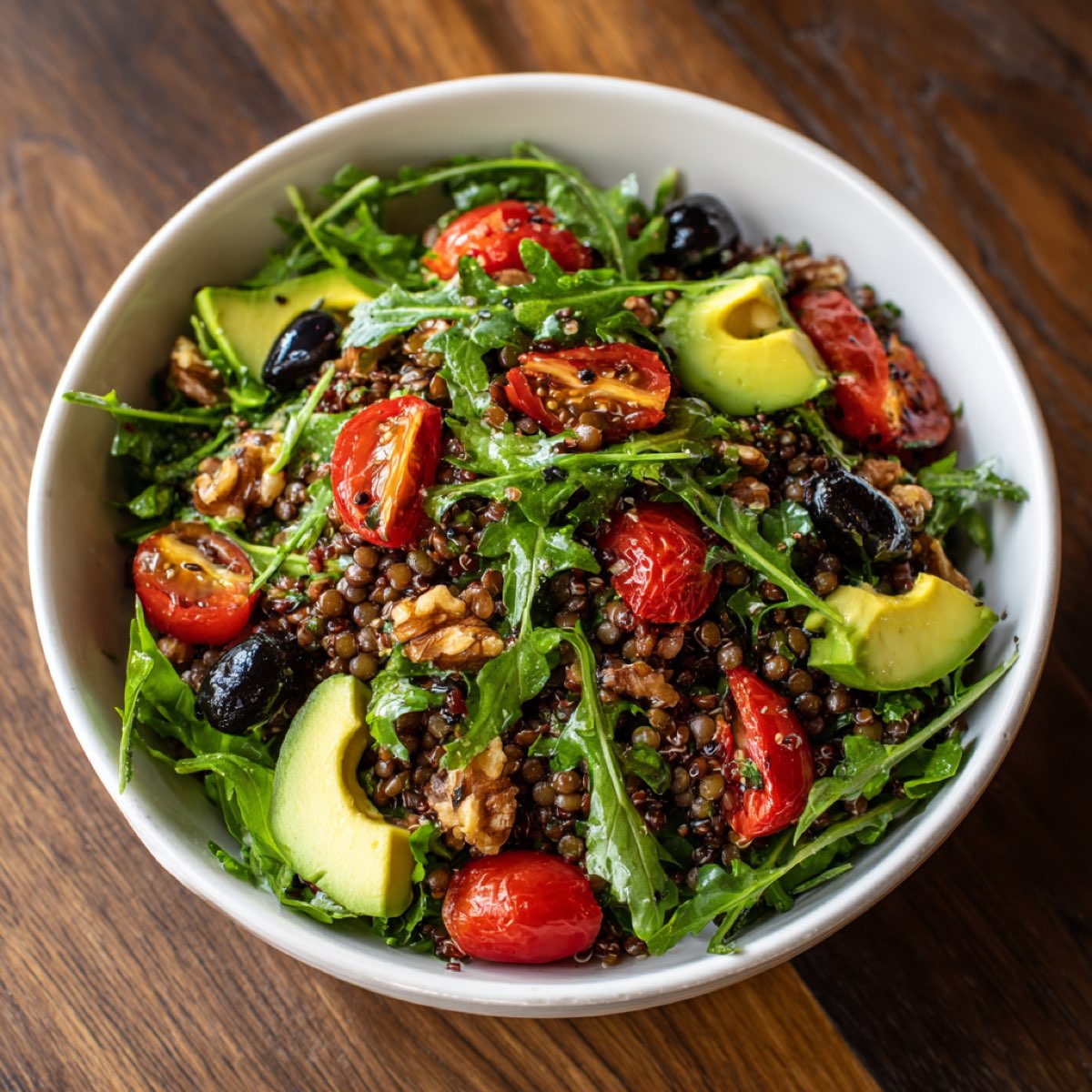
Rocket Lentil Avocado Midday Salad (Gut-Supporting)
Polyphenol-rich midday salad with quinoa or lentils, vegetables, avocado, and early harvest olive oil
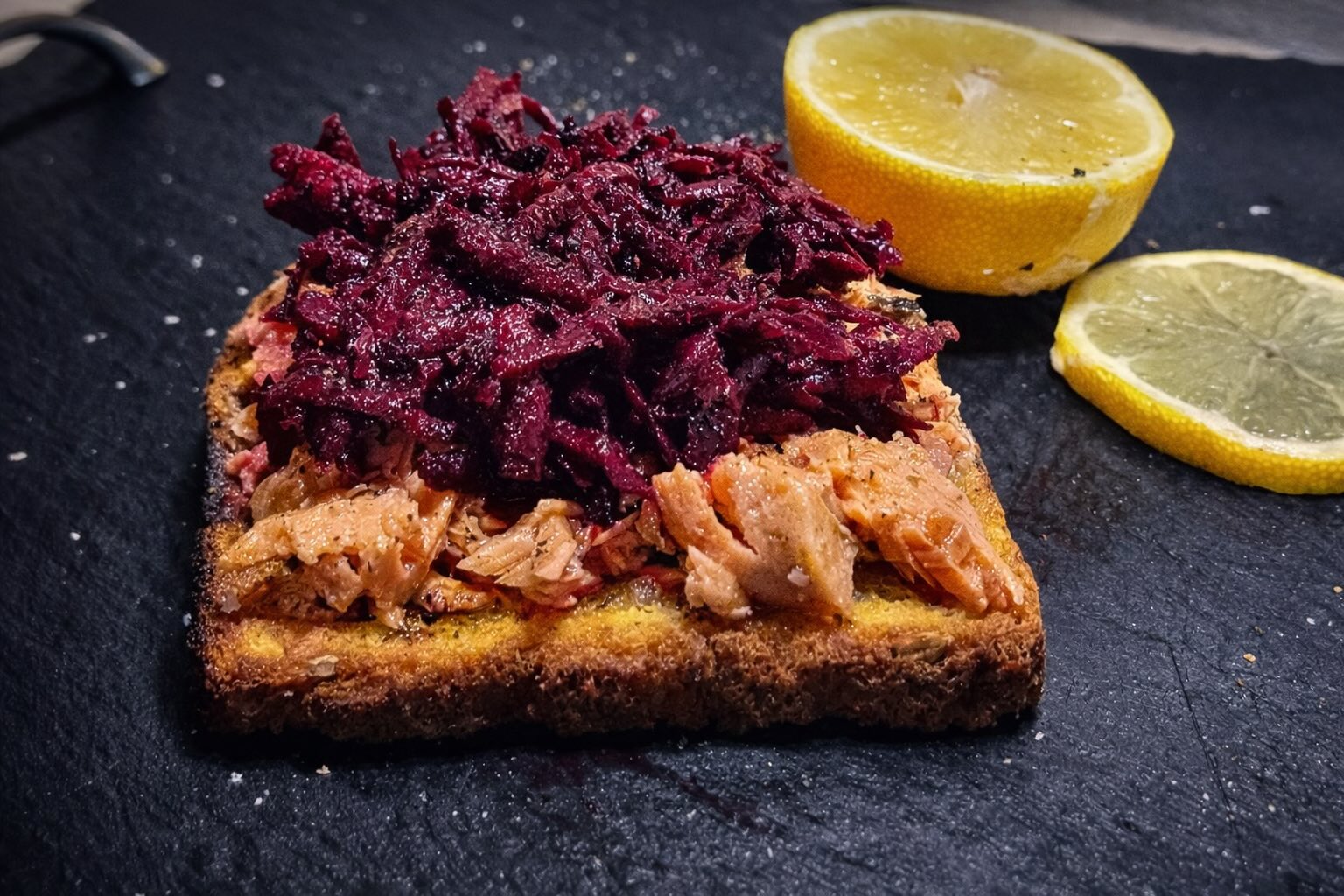
Salmon & Grated Beetroot Toast (with Lemon)
A fast, brain-forward open sandwich combining omega-3 rich salmon, nitrate/polyphenol beetroot, and lemon acidity for a sharp, savoury bite.
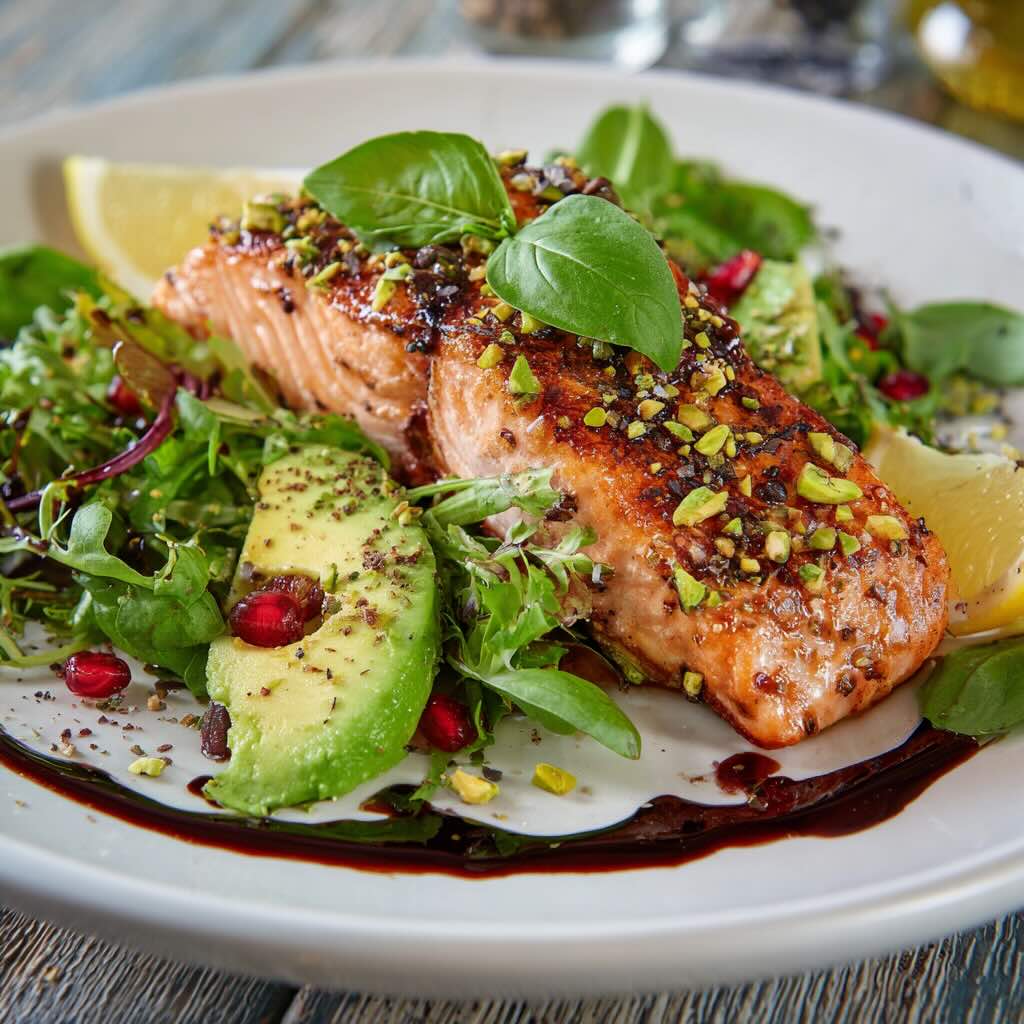
Salmon Bowl-pistachio-cacao-nibs
A Mediterranean-style bowl combining salmon, avocado, pistachios, cacao nibs, and early harvest olive oil — rich in omega-3 fats, polyphenols, and fibre.
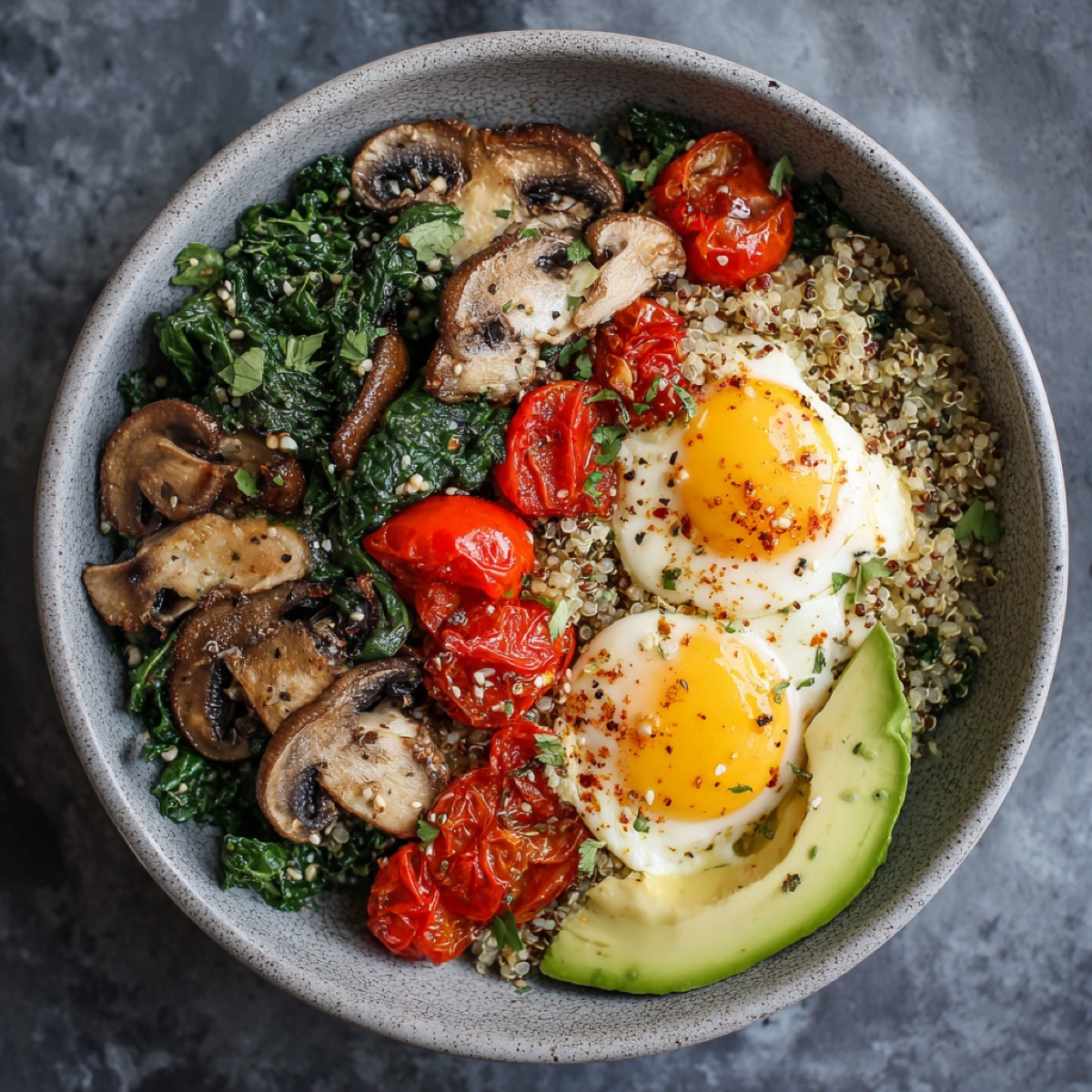
Savoury Greens & Egg Breakfast Skillet
A warm savoury breakfast skillet with eggs, greens, and slow carbohydrates for steady morning energy.
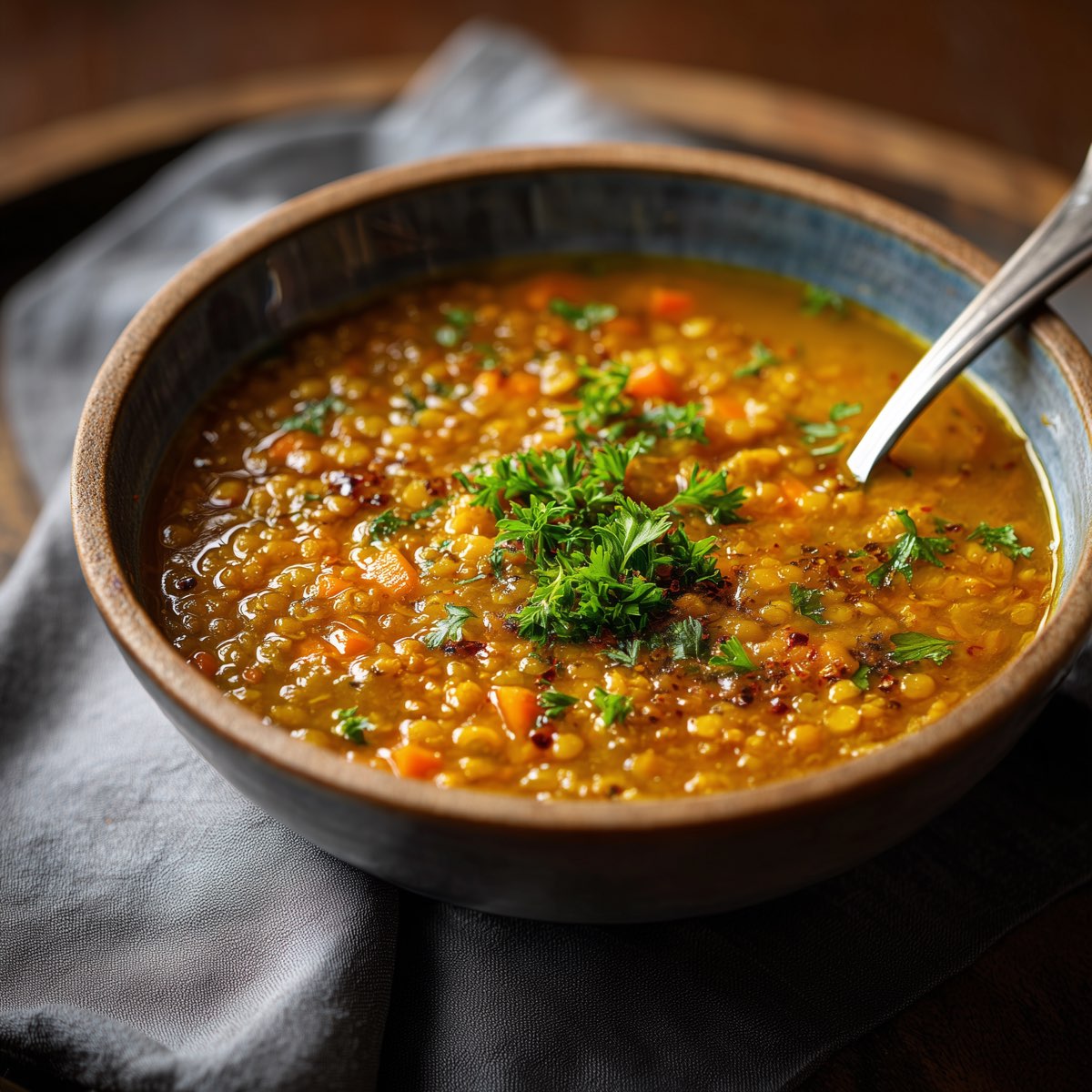
Turmeric Lentil Dahl
Turmeric- and ginger-spiced lentil dish rich in fibre, folate, and polyphenols
Foods
14 foods containing this substance
Almonds
Nutrient-dense nut providing vitamin E, magnesium, fibre and unsaturated fats
Black Beans
Legume with polyphenols and protein; optimal soaking conditions detailed
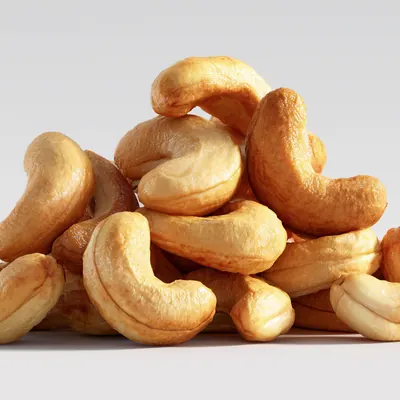
Cashews
Plant protein and zinc source
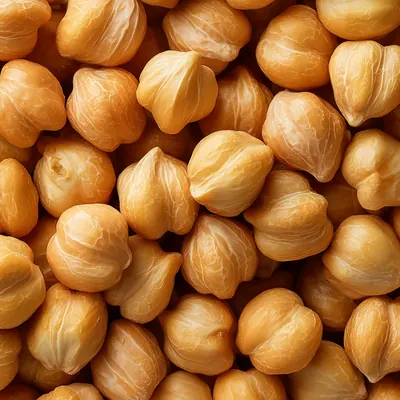
Chickpeas
Legume providing protein, fiber, folate, magnesium, and B6

Kale
Leafy green rich in iron, magnesium, zinc, quercetin, and carotenoids

Oats
Beta-glucans, B vitamins, and minerals for gut and neurotransmitter support

Peanuts
Niacin, resveratrol, and plant protein for NAD+ and mitochondrial support

Sesame Seeds
Whole sesame seed with unsaturated fat, minerals and lignans

Sourdough Bread
Fermented bread with GABA, improved amino acid bioavailability, and optimized Maillard products

Spinach
Leafy green rich in iron, magnesium, folate, and carotenoids

Sunflower Seeds
Thiamine source and sunflower lecithin precursor

Tempeh
Fermented soy providing probiotics and enhanced nutrient bioavailability

Tofu
Soy-based protein source with isoflavones and choline

Walnuts
ALA omega-3, polyphenols, and ellagitannins for urolithin A production
Biological Mechanisms and Implications
References
- Copper participates in redox enzymes and catecholamine synthesis; interacts with iron metabolism; balance is important for neural function
- Included in antioxidant enzyme networks and mineral interactions affecting oxidative stress