Manganese
Mn2+
Overview
Manganese is an essential trace mineral that plays a critical role in mitochondrial antioxidant defense. It serves as an essential cofactor for manganese superoxide dismutase (MnSOD or SOD2), an enzyme located in the mitochondrial matrix that detoxifies superoxide radicals, protecting mitochondria from oxidative damage. This makes manganese particularly important for maintaining mitochondrial function and energy production in energy-demanding tissues like the brain. Manganese balance is critical, as both deficiency and excess can negatively impact cognitive function.
Dietary absorption and meal context
- Adequacy over excess: Typical whole-food diets usually provide enough manganese; excess exposure is the bigger concern than mild shortfall in many contexts.
- Food pattern: Whole grains, nuts, legumes, tea, and leafy vegetables are common contributors.
- Practical pattern: Emphasize diverse whole-food intake and avoid unnecessary high-dose manganese supplementation.
Recipes
14 recipes containing this substance
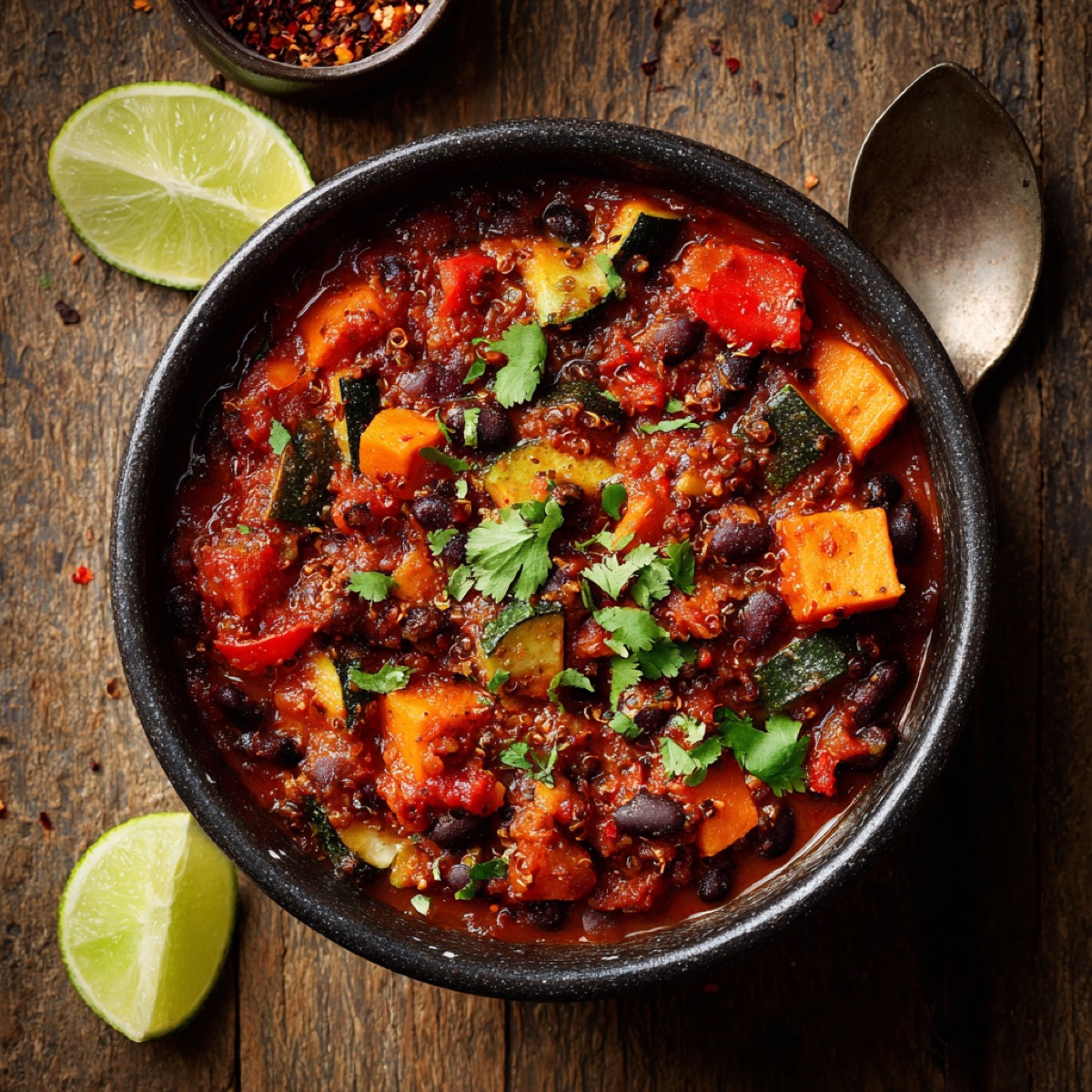
Black Bean & Sweet Potato Vegetable Chilli
A fibre-rich bean and vegetable chilli with warming spices and slow carbohydrates for steady energy and satiety.
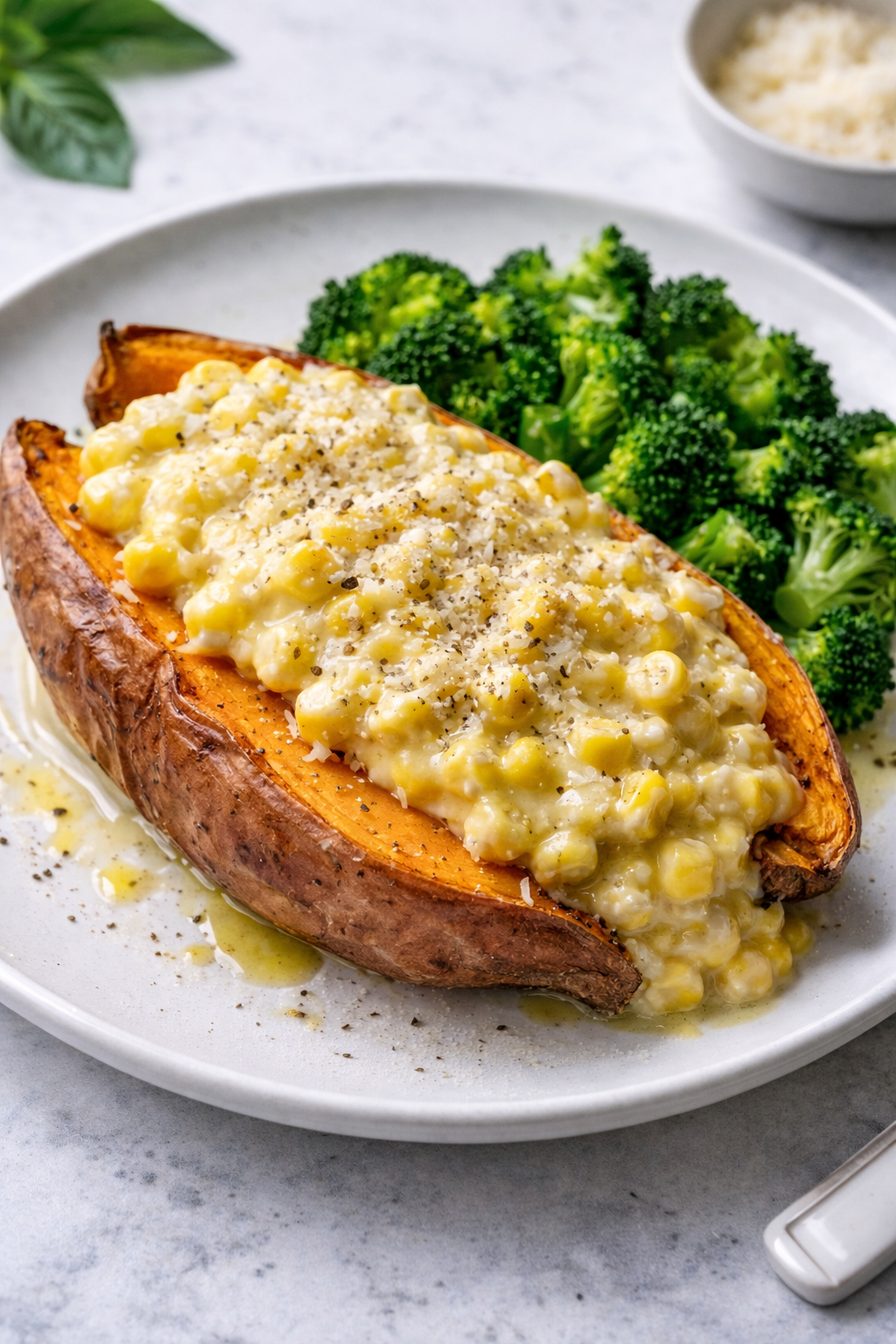
Creamed Corn on Roasted Sweet Potato
Roasted sweet potato with creamed corn and a mixed lipid phase to enhance carotenoid absorption; served with broccoli for fibre and glucosinolates.
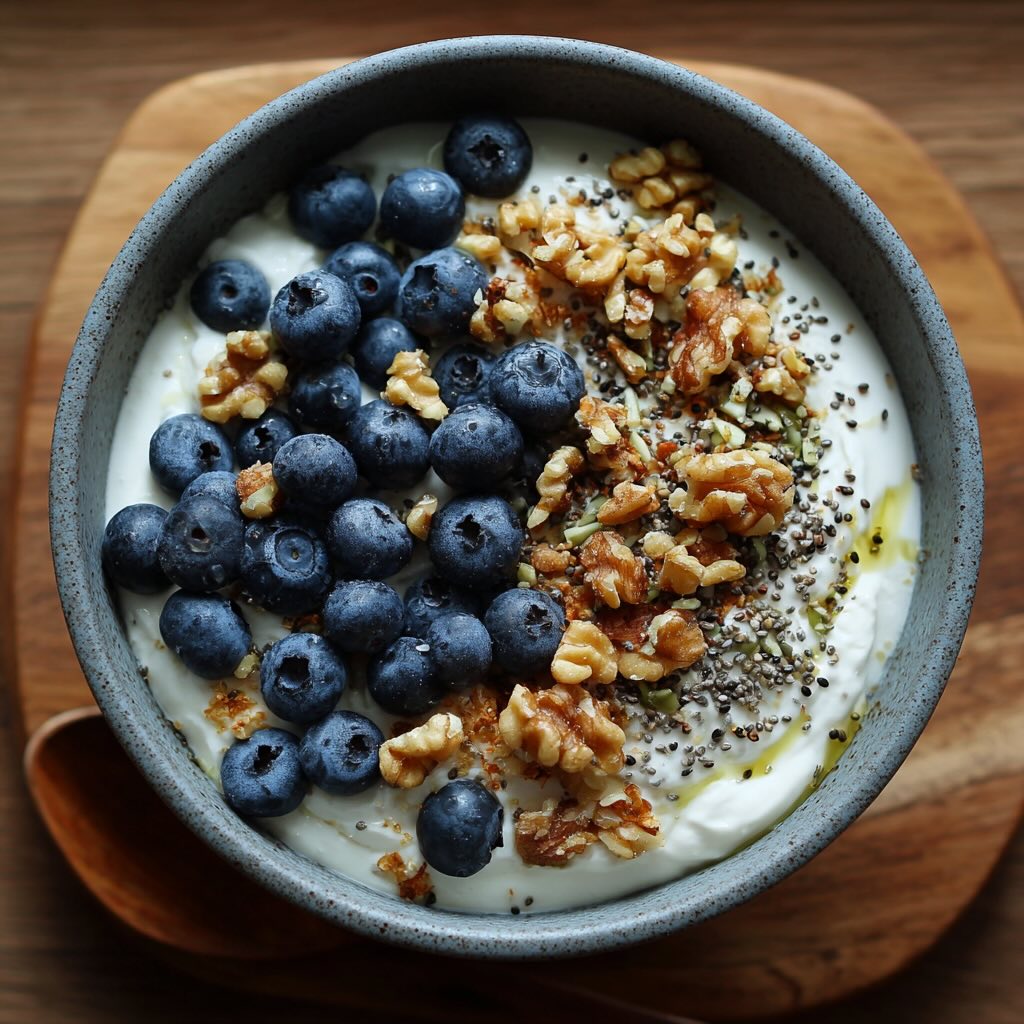
Ginger Yogurt and Blueberries
A polyphenol-rich breakfast bowl with high fibre, combining ginger, omega-3 nuts, blueberry polyphenols, and probiotic yogurt.
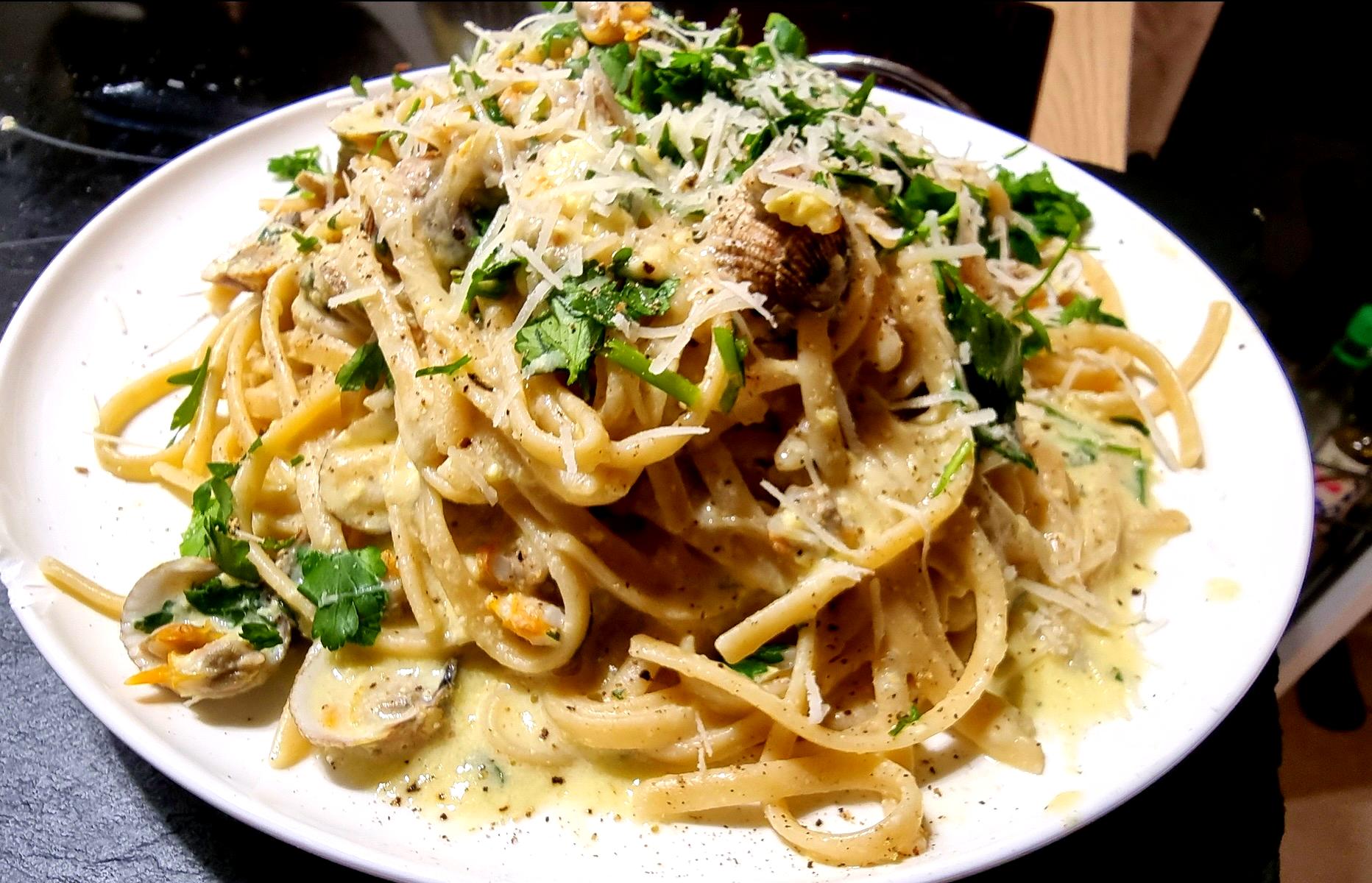
Linguine alle vongole mantecate (Linguine with cockles in a silky emulsified sauce)
Whole-wheat linguine with cockles in a silky emulsified sauce; Italian emulsification technique without cream, supporting taurine, B12, and choline intake.
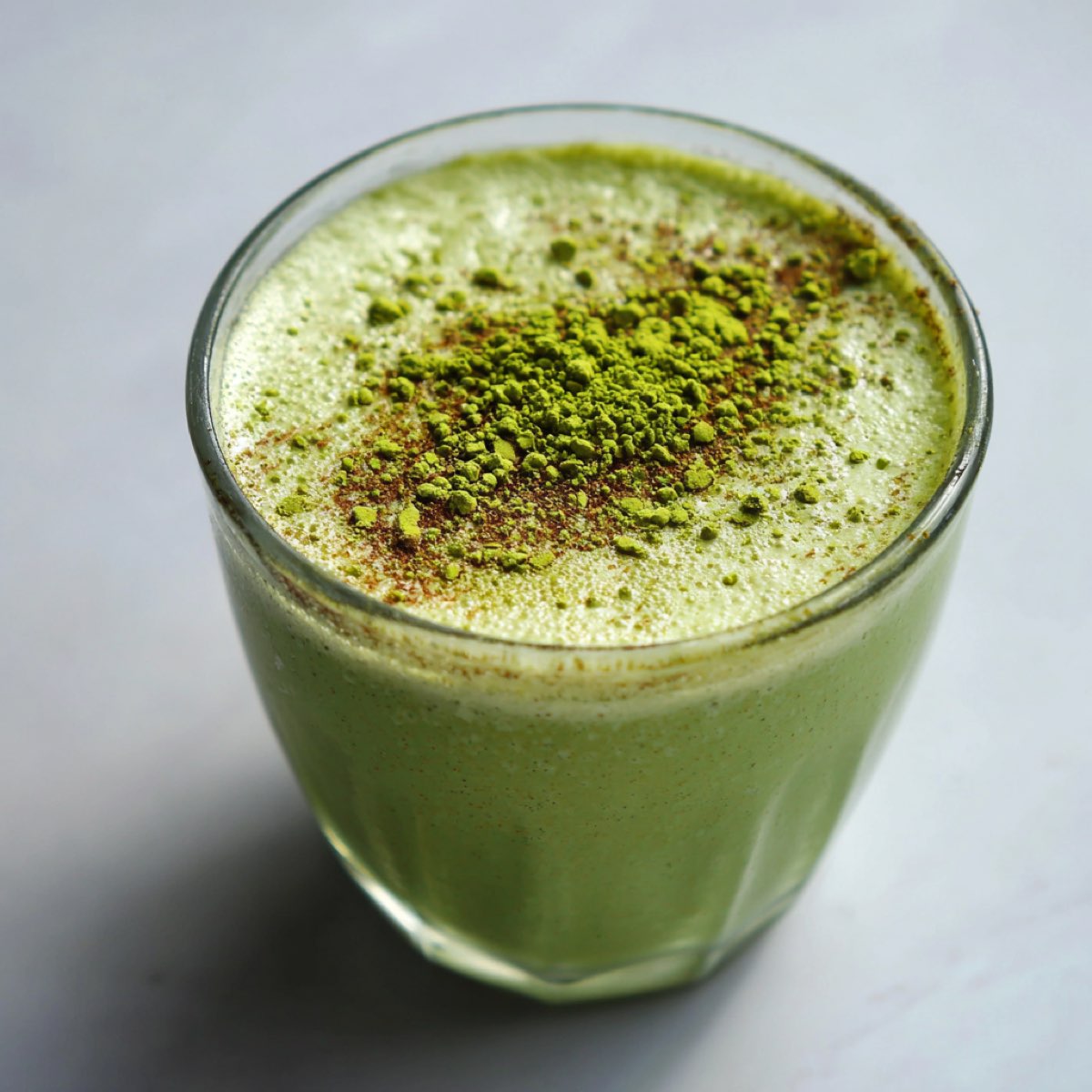
Matcha Mitochondria Smoothie
Mitochondrial energising smoothie rich in polyphenols, magnesium, and antioxidants
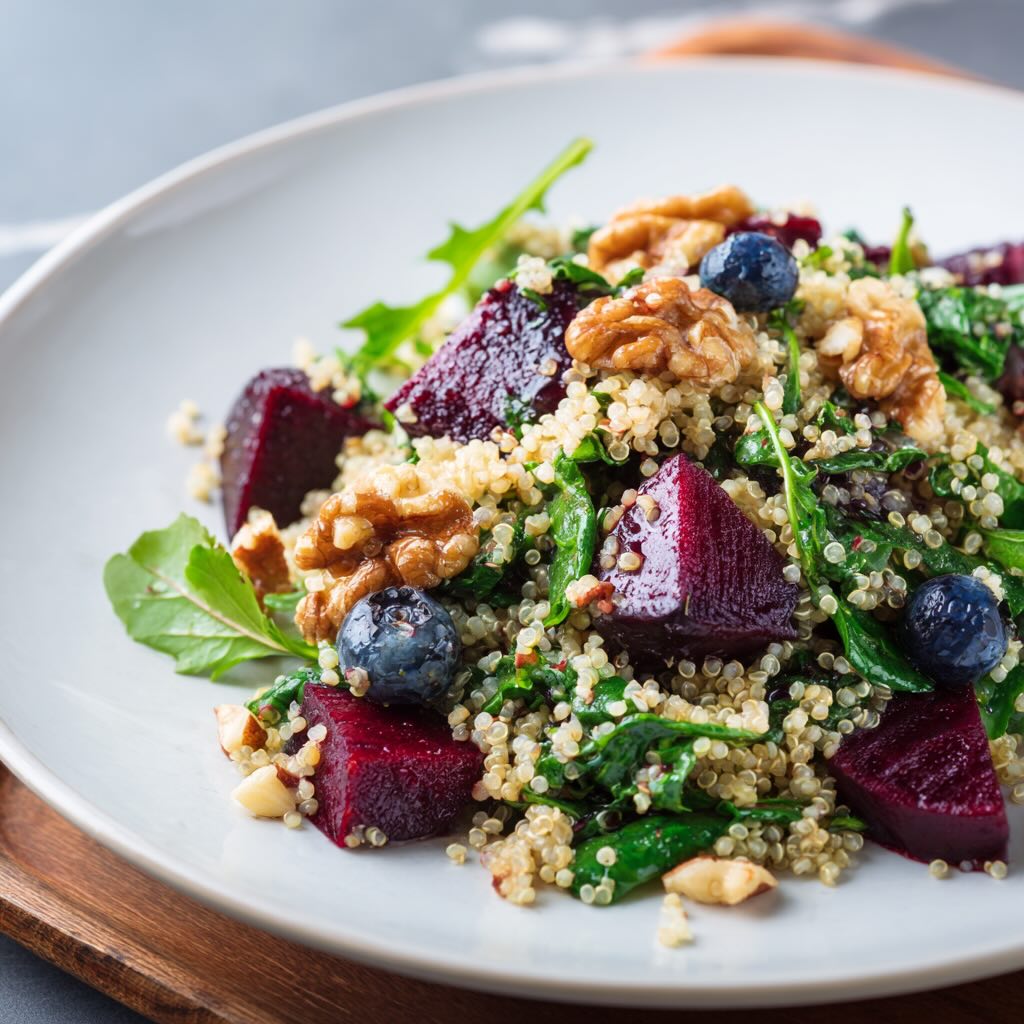
Mitochondrial Power Bowl
A nitrate-rich, polyphenol-dense bowl combining leafy greens, beets, berries, nuts, and early harvest olive oil
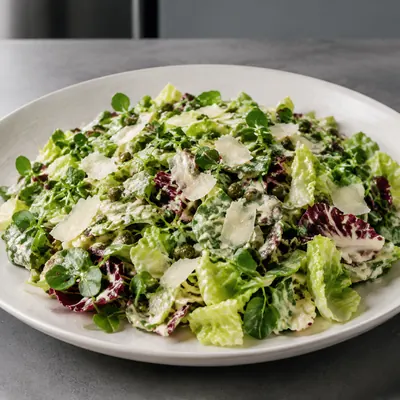
Mixed-Leaf Tahini Caesar Salad
A Caesar-style mixed-leaf salad with a tahini, anchovy, caper and Parmesan dressing, using extra virgin olive oil retained from oil-packed capers.
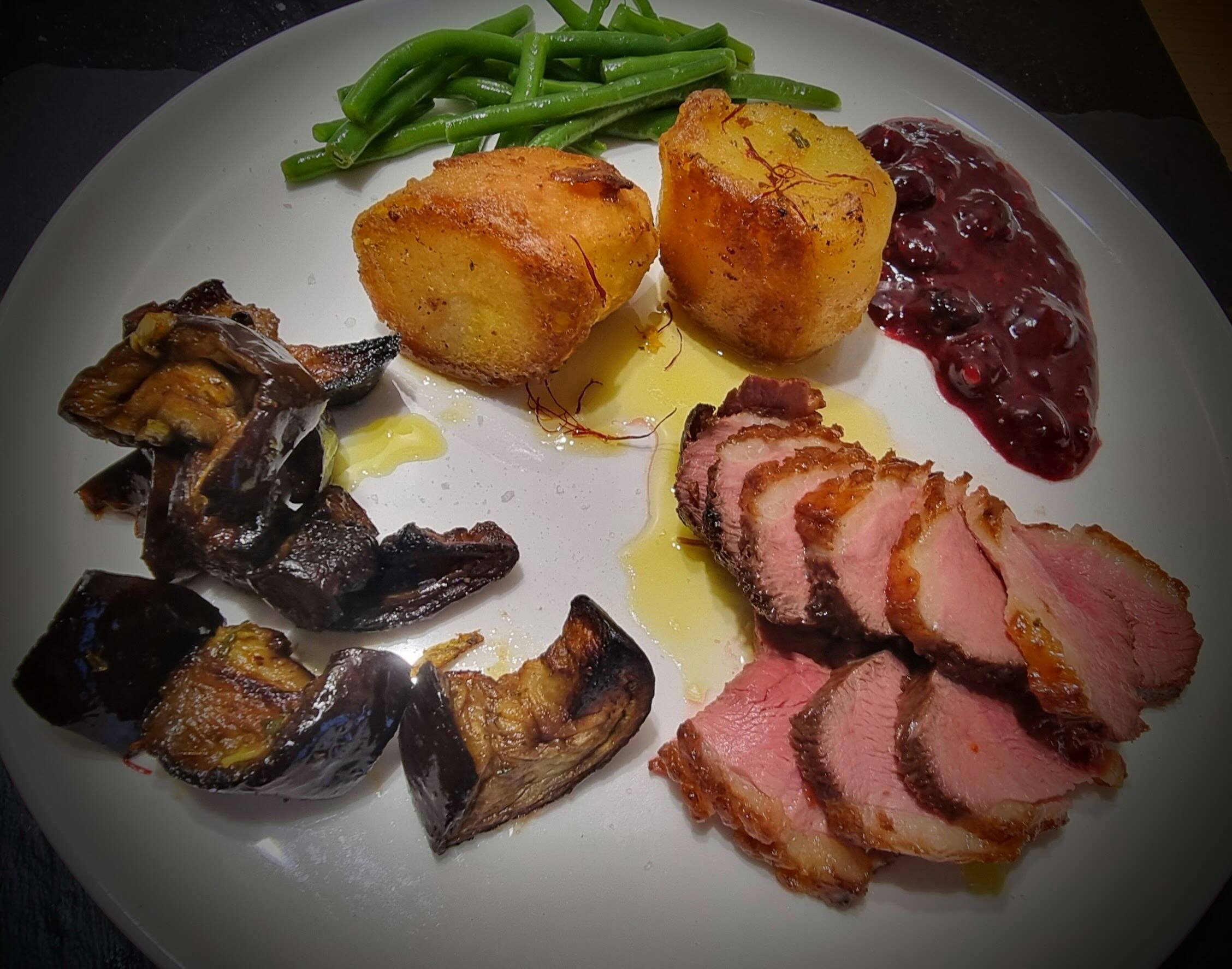
Roast Duck Breast with Berry Sauce
A rich main dish built around crisp-skinned duck breast with a bright blueberry and raspberry sauce, designed to balance richness with acidity and aromatic depth.
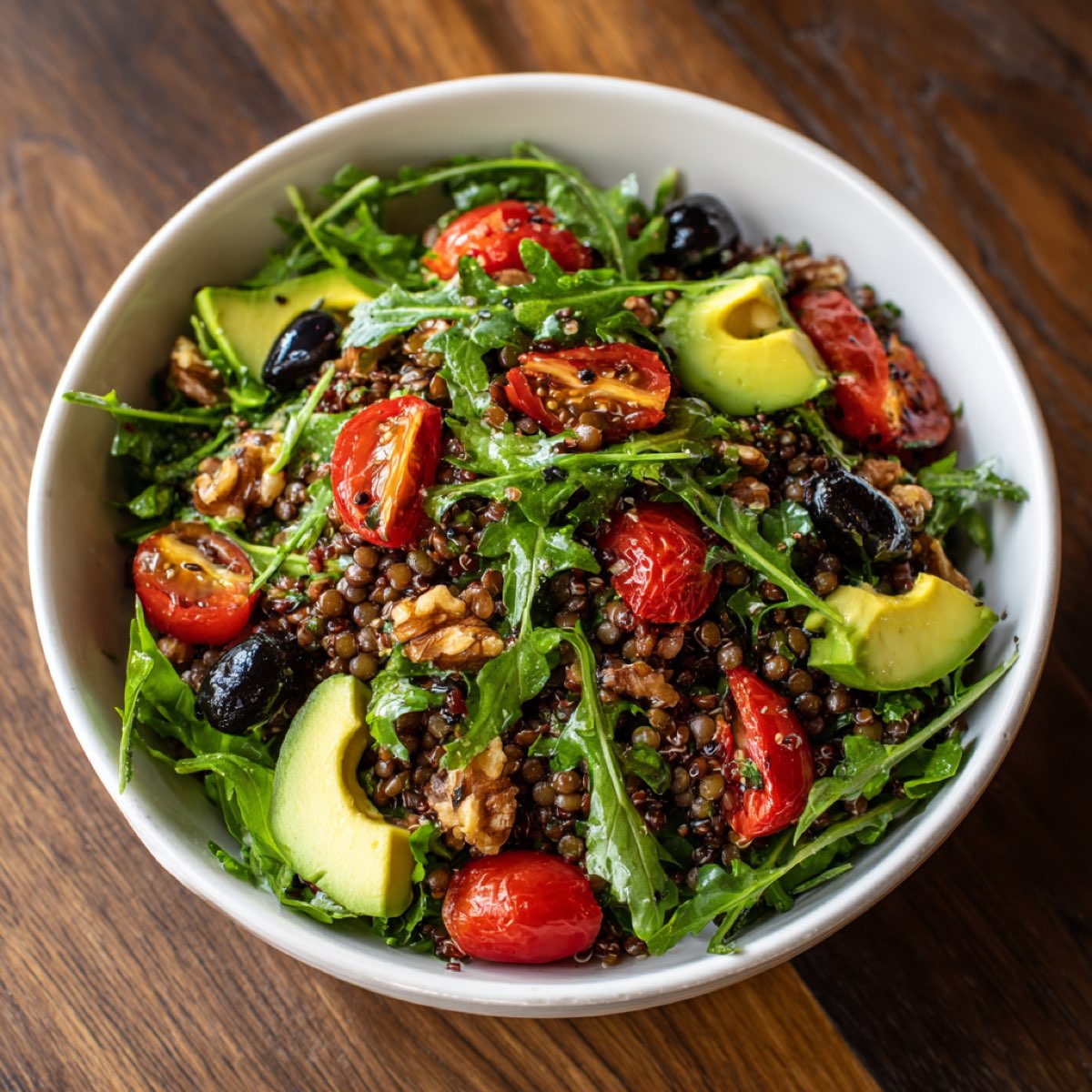
Rocket Lentil Avocado Midday Salad (Gut-Supporting)
Polyphenol-rich midday salad with quinoa or lentils, vegetables, avocado, and early harvest olive oil
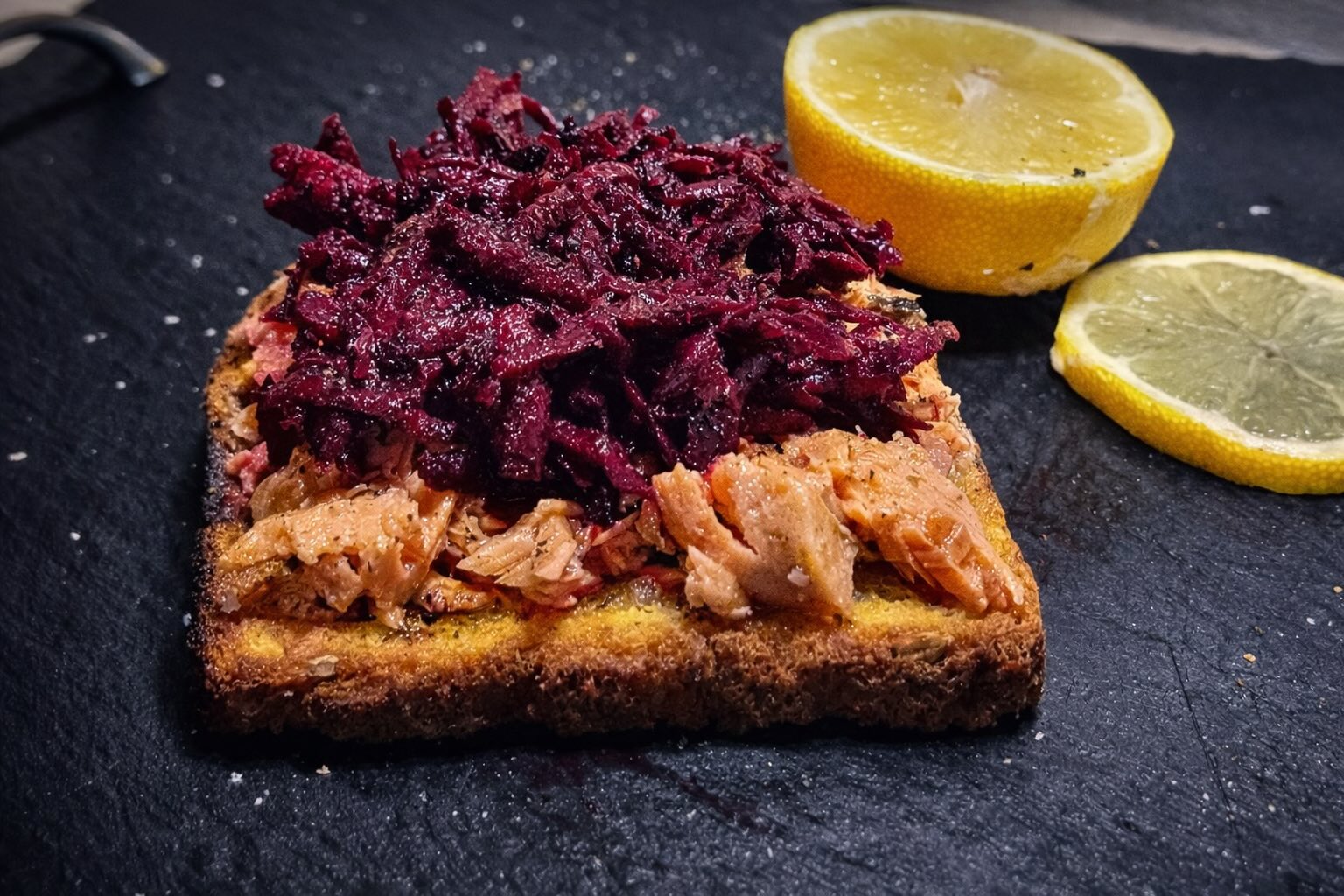
Salmon & Grated Beetroot Toast (with Lemon)
A fast, brain-forward open sandwich combining omega-3 rich salmon, nitrate/polyphenol beetroot, and lemon acidity for a sharp, savoury bite.
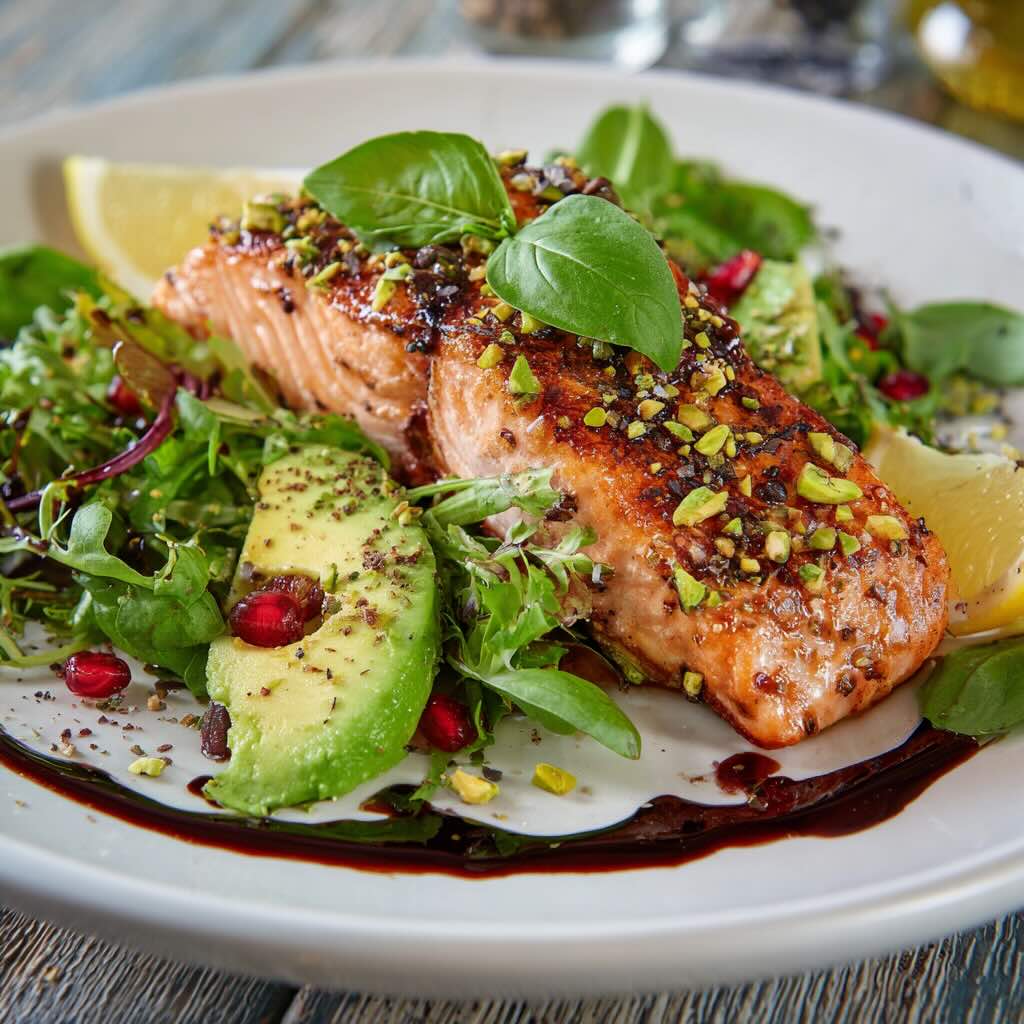
Salmon Bowl-pistachio-cacao-nibs
A Mediterranean-style bowl combining salmon, avocado, pistachios, cacao nibs, and early harvest olive oil — rich in omega-3 fats, polyphenols, and fibre.
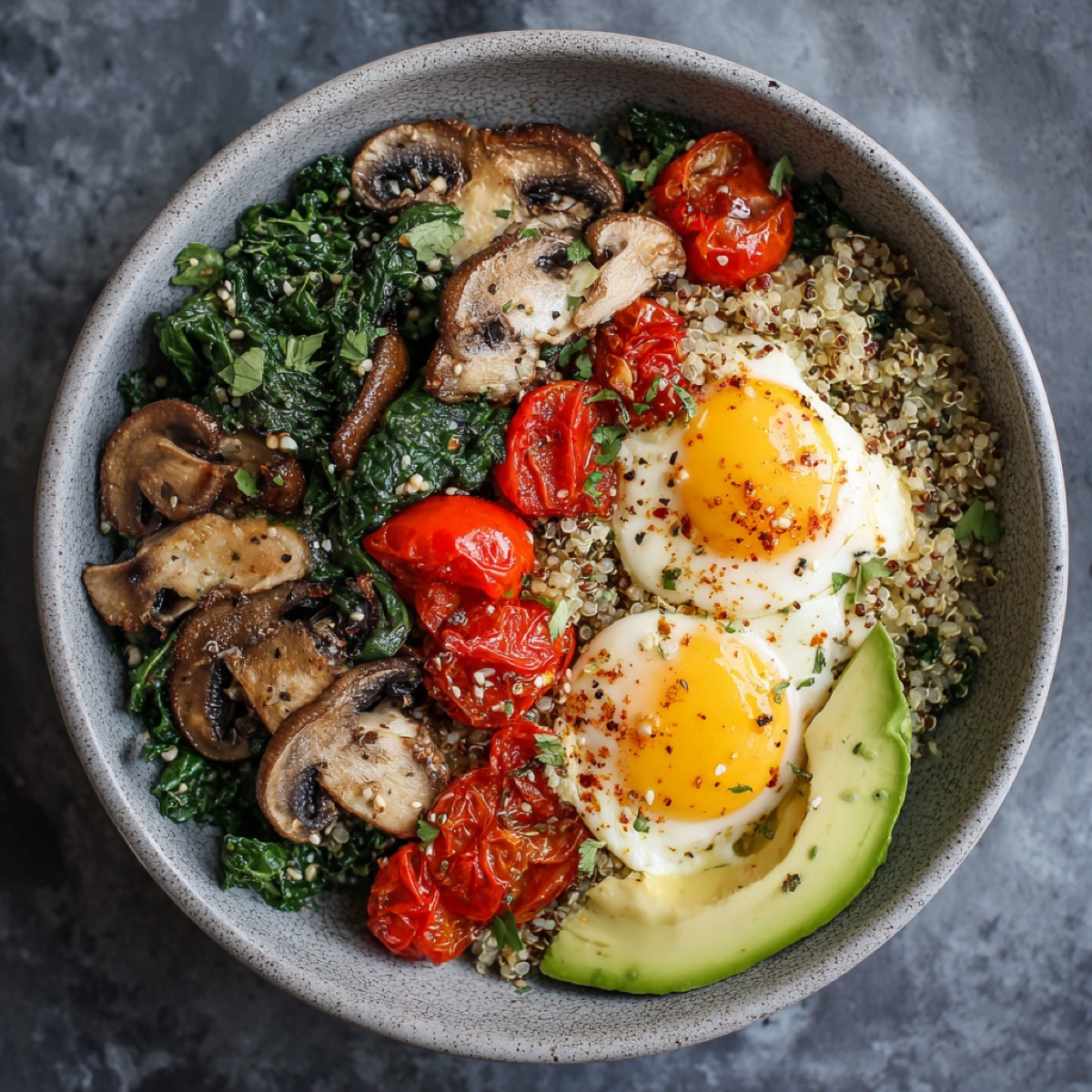
Savoury Greens & Egg Breakfast Skillet
A warm savoury breakfast skillet with eggs, greens, and slow carbohydrates for steady morning energy.
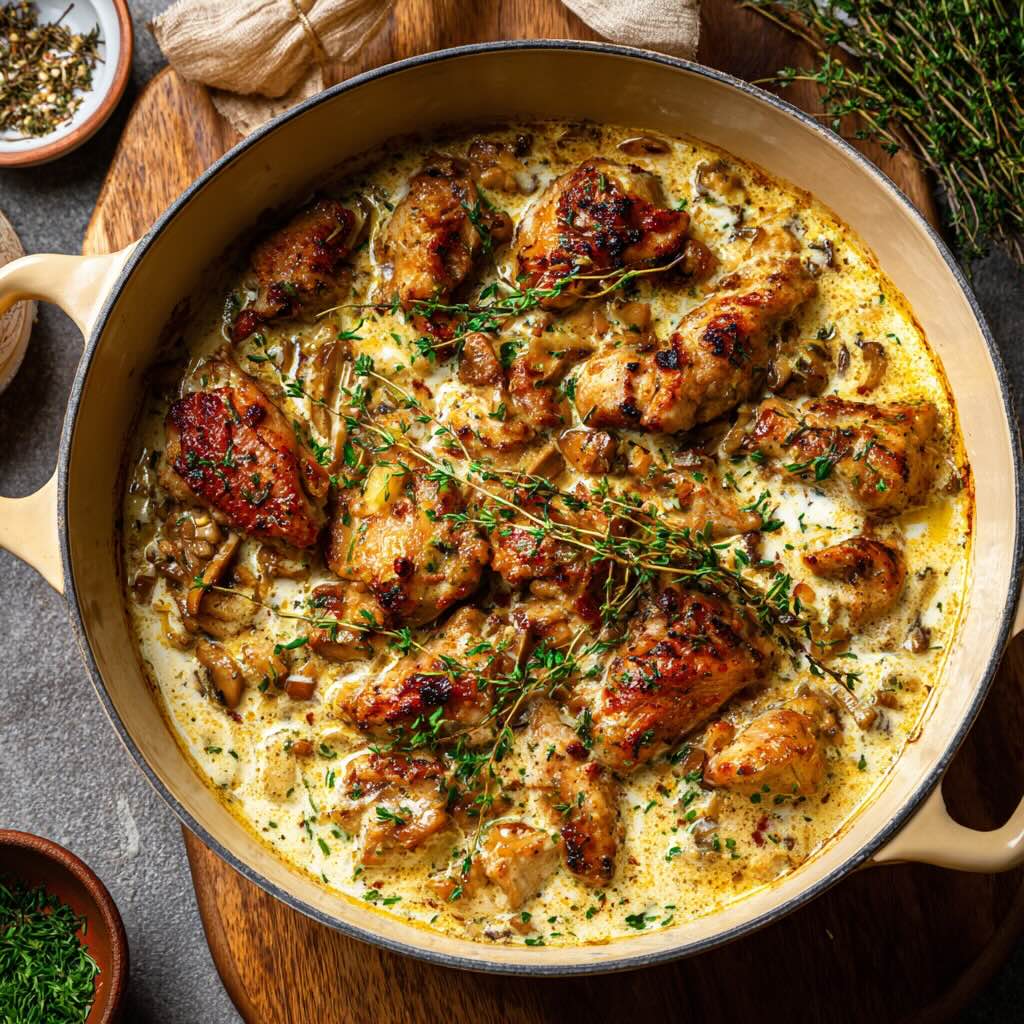
Turkey Wing Stew
A collagen-rich, glycine-heavy slow-cooked stew made from affordable turkey wings — rich in protein, tryptophan, and B vitamins.
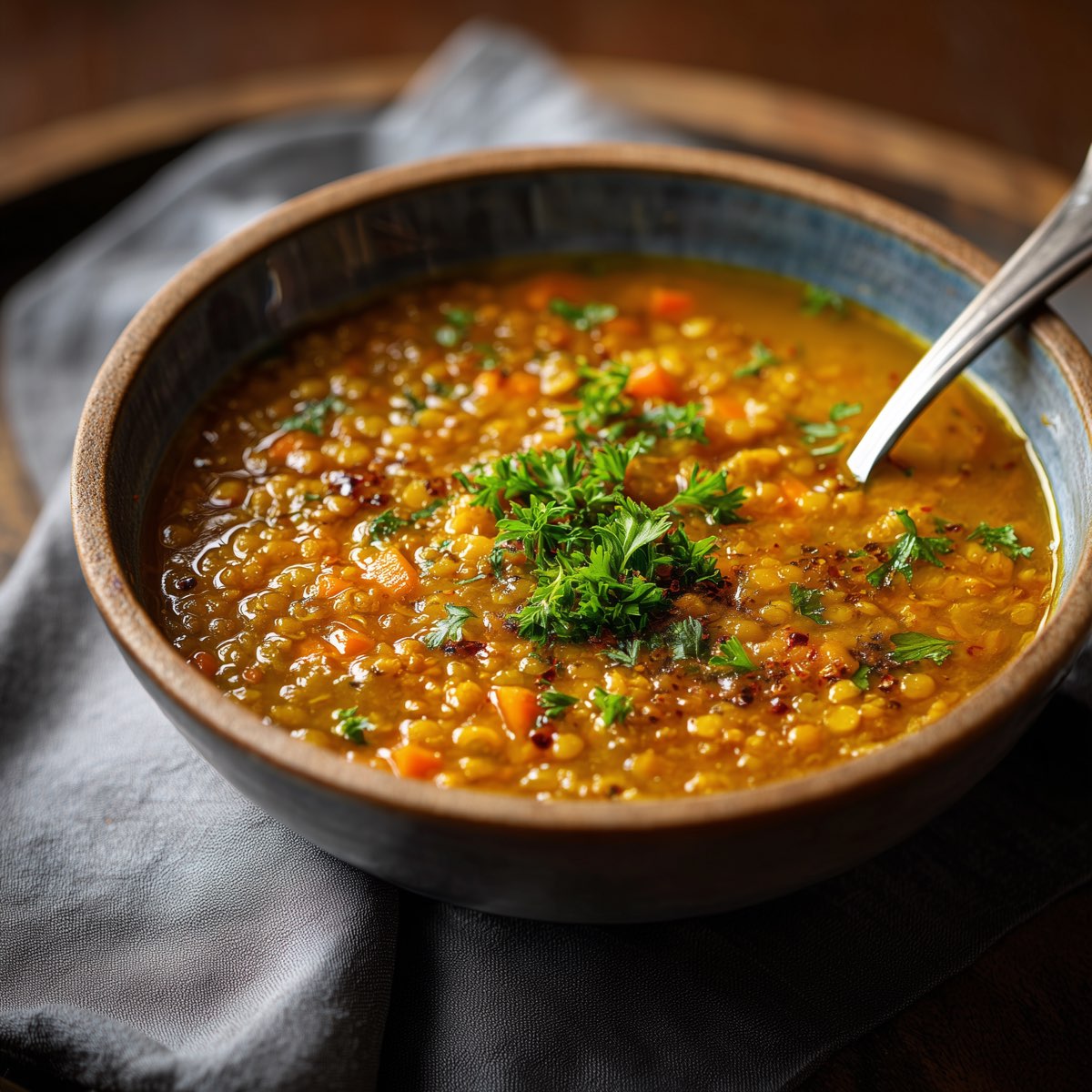
Turmeric Lentil Dahl
Turmeric- and ginger-spiced lentil dish rich in fibre, folate, and polyphenols
Foods
21 foods containing this substance
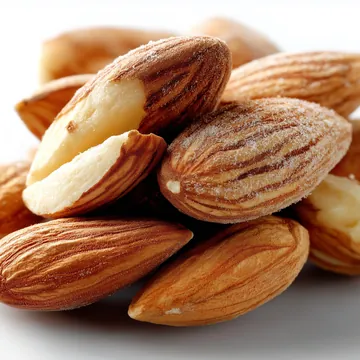
Almonds
Nutrient-dense nut providing vitamin E, magnesium, fibre and unsaturated fats
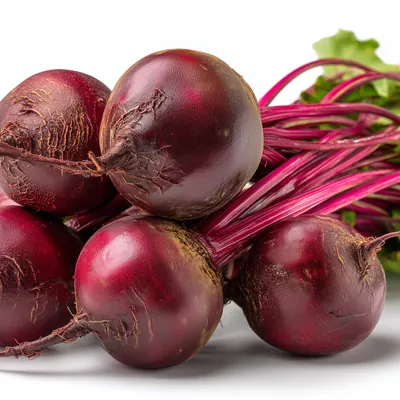
Beetroot
Root vegetable providing dietary nitrate and betalain pigments
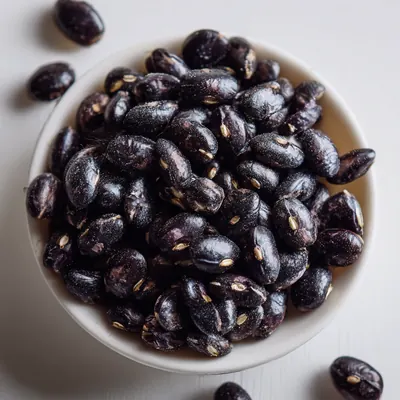
Black Beans
Legume with polyphenols and protein; optimal soaking conditions detailed

Black Tea
Brewed tea providing theaflavins and catechins in a low-energy drink
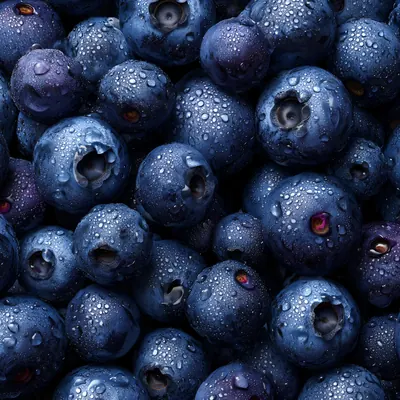
Blueberries
Berries providing anthocyanins, vitamin C and fibre
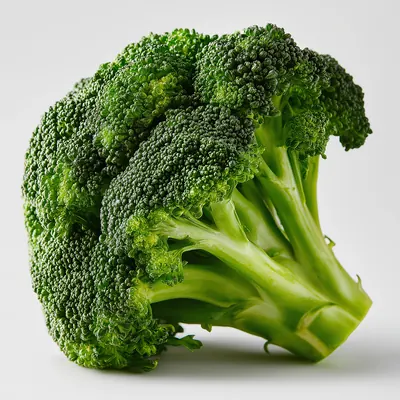
Broccoli
Cruciferous vegetable rich in sulforaphane, folate, and glutathione precursors

Cashews
Plant protein and zinc source
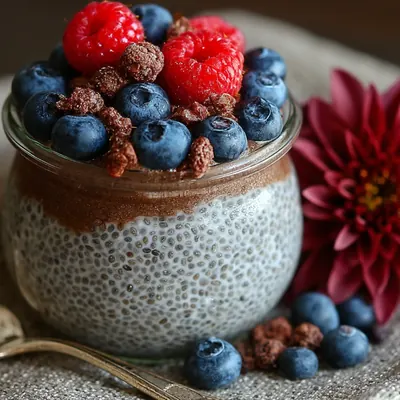
Chia Seeds
ALA omega-3, fiber, and minerals
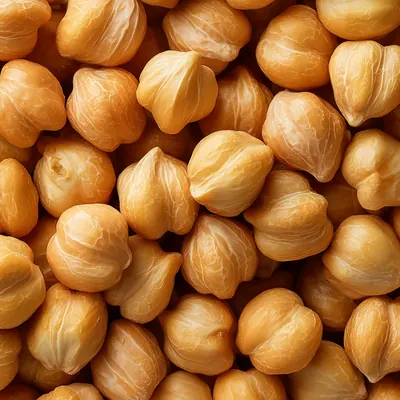
Chickpeas
Legume providing protein, fiber, folate, magnesium, and B6

Flax Seeds
ALA omega-3 and soluble fiber source
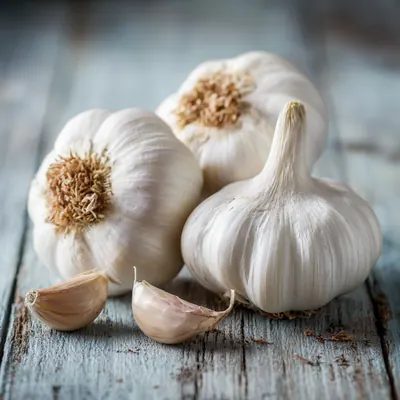
Garlic
Allicin, sulfur compounds, and prebiotic fiber for gut and antioxidant support

Green Tea
Source of EGCG, L-theanine, and polyphenols for cognitive and metabolic support

Kale
Leafy green rich in iron, magnesium, zinc, quercetin, and carotenoids

Peanuts
Niacin, resveratrol, and plant protein for NAD+ and mitochondrial support

Quinoa
Pseudograin with magnesium, iron, and balanced plant protein

Sourdough Bread
Fermented bread with GABA, improved amino acid bioavailability, and optimized Maillard products

Spinach
Leafy green rich in iron, magnesium, folate, and carotenoids

Sunflower Seeds
Thiamine source and sunflower lecithin precursor

Tempeh
Fermented soy providing probiotics and enhanced nutrient bioavailability

Tofu
Soy-based protein source with isoflavones and choline

Walnuts
ALA omega-3, polyphenols, and ellagitannins for urolithin A production
Biological Mechanisms and Implications
References
- Manganese is essential for mitochondrial superoxide dismutase (SOD2), supporting detoxification of superoxide within the mitochondrial matrix
- Dysregulation linked to cognition-related outcomes; balance is critical (deficiency vs excess)