Coenzyme Q10 (CoQ10)
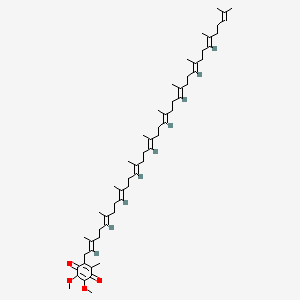
Overview
Coenzyme Q10 (CoQ10) is a fat-soluble compound that functions as a critical cofactor in the mitochondrial electron transport chain, where it helps generate ATP, the primary energy currency of cells. It also serves as an important antioxidant, protecting cells from oxidative damage, particularly in energy-demanding tissues like the brain. CoQ10 works synergistically with other antioxidants including vitamin E, vitamin C, and glutathione as part of the body's antioxidant network. Levels naturally decline with age, and adequate dietary intake supports mitochondrial function and overall cellular energy production.
Recipes
6 recipes containing this substance
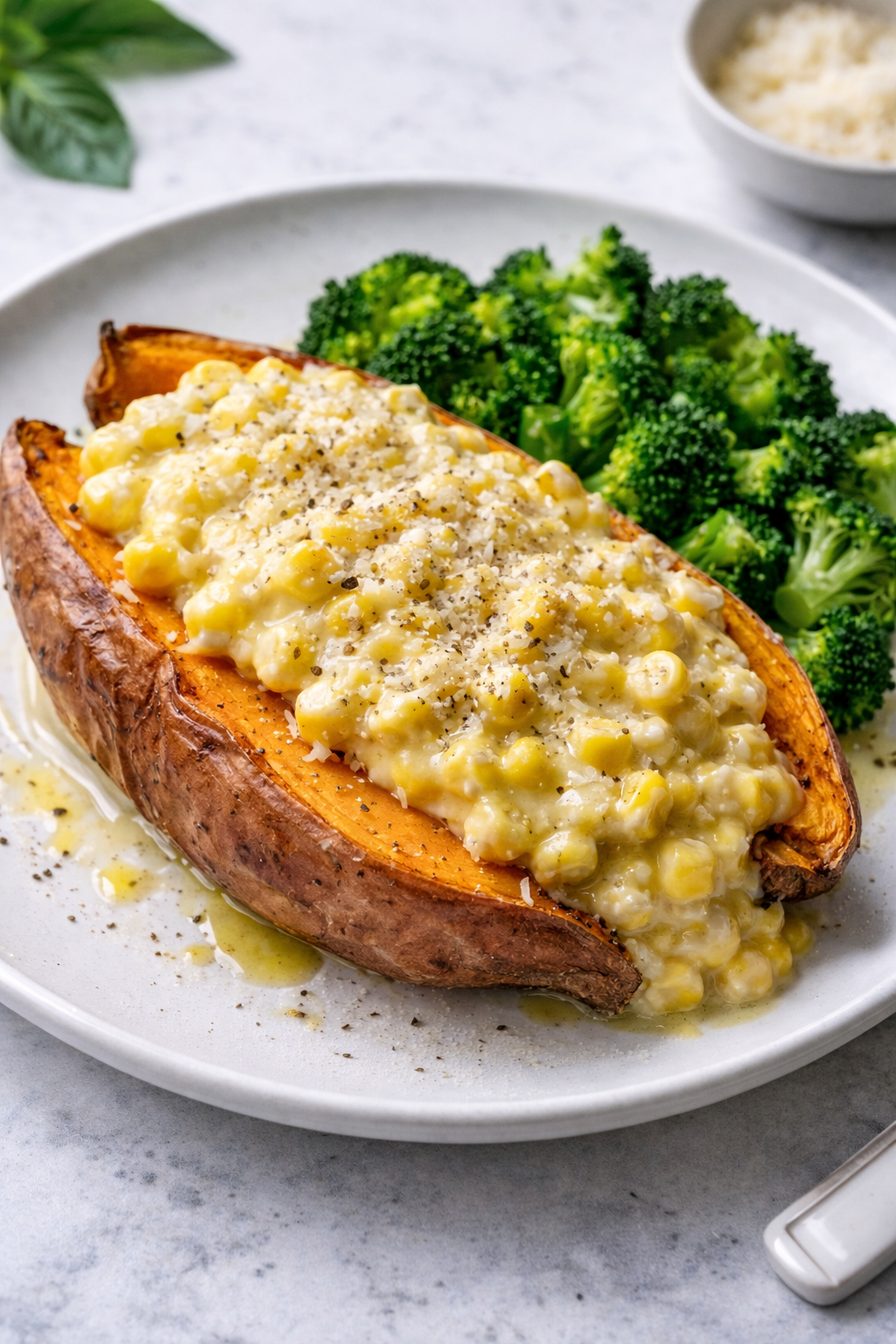
Creamed Corn on Roasted Sweet Potato
Roasted sweet potato with creamed corn and a mixed lipid phase to enhance carotenoid absorption; served with broccoli for fibre and glucosinolates.
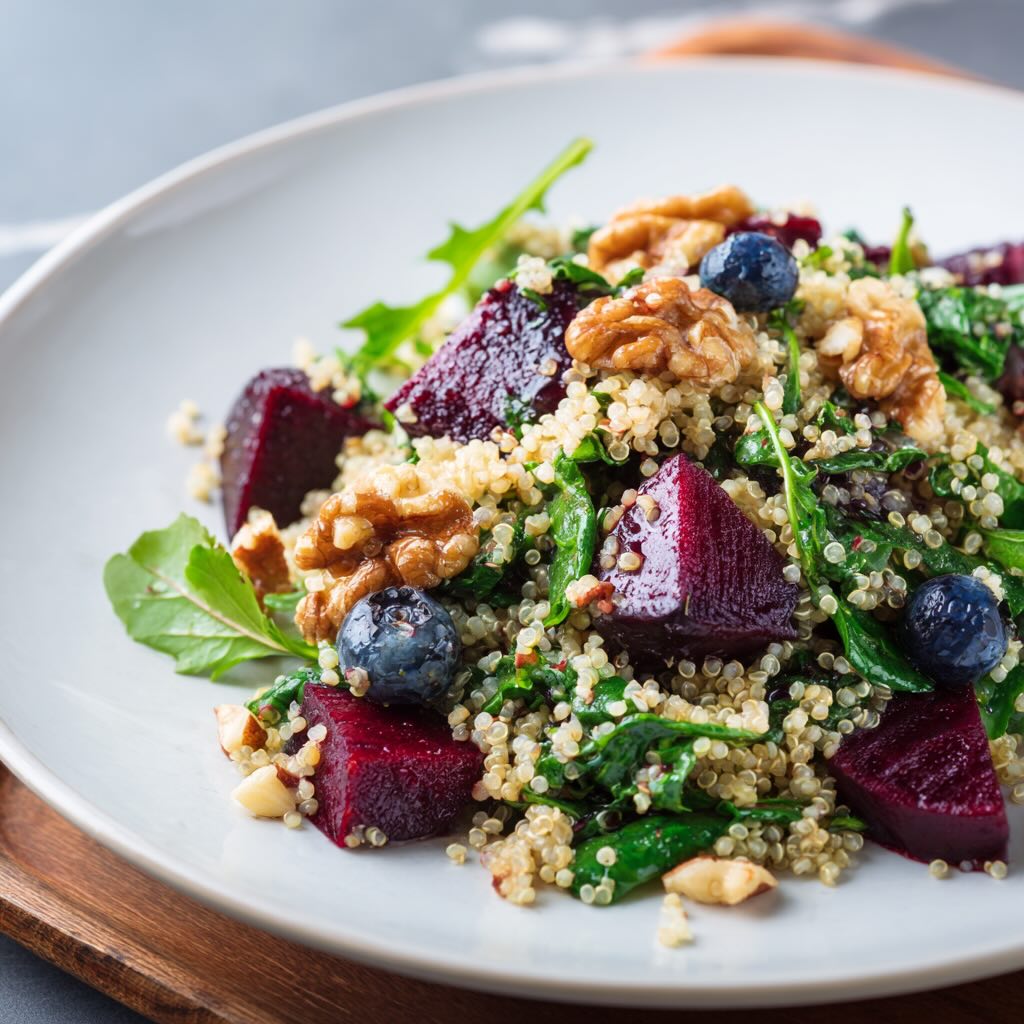
Mitochondrial Power Bowl
A nitrate-rich, polyphenol-dense bowl combining leafy greens, beets, berries, nuts, and early harvest olive oil
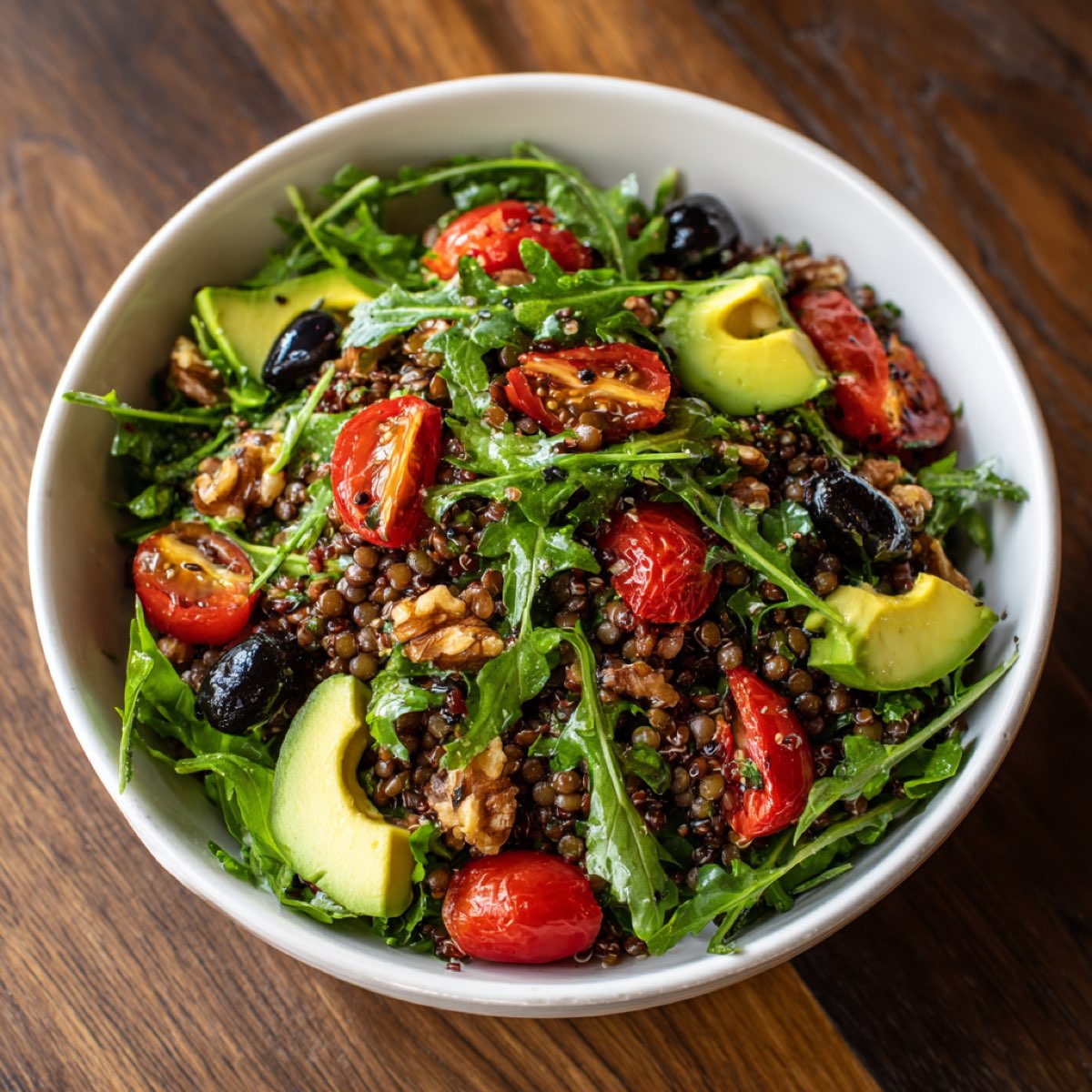
Rocket Lentil Avocado Midday Salad (Gut-Supporting)
Polyphenol-rich midday salad with quinoa or lentils, vegetables, avocado, and early harvest olive oil
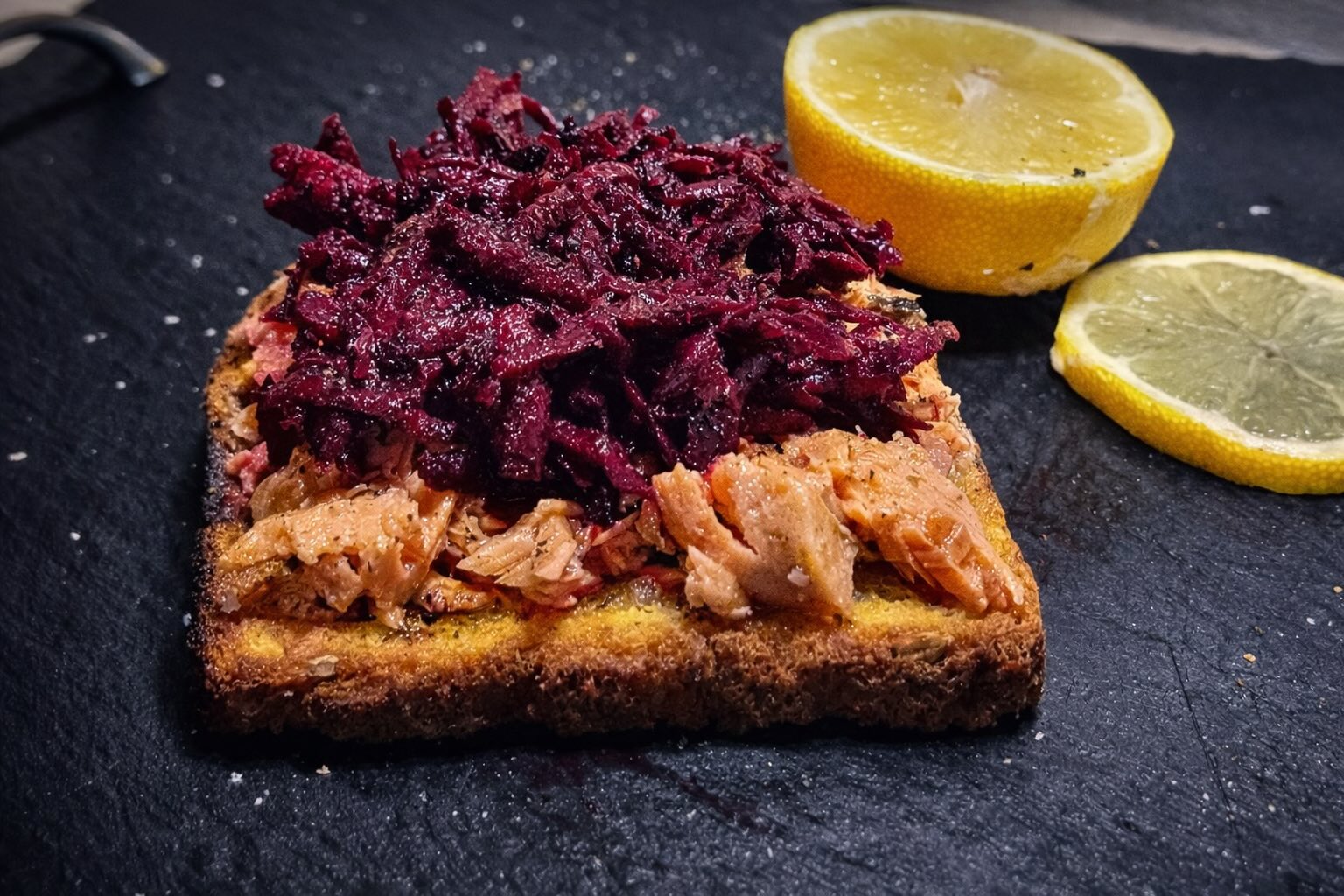
Salmon & Grated Beetroot Toast (with Lemon)
A fast, brain-forward open sandwich combining omega-3 rich salmon, nitrate/polyphenol beetroot, and lemon acidity for a sharp, savoury bite.
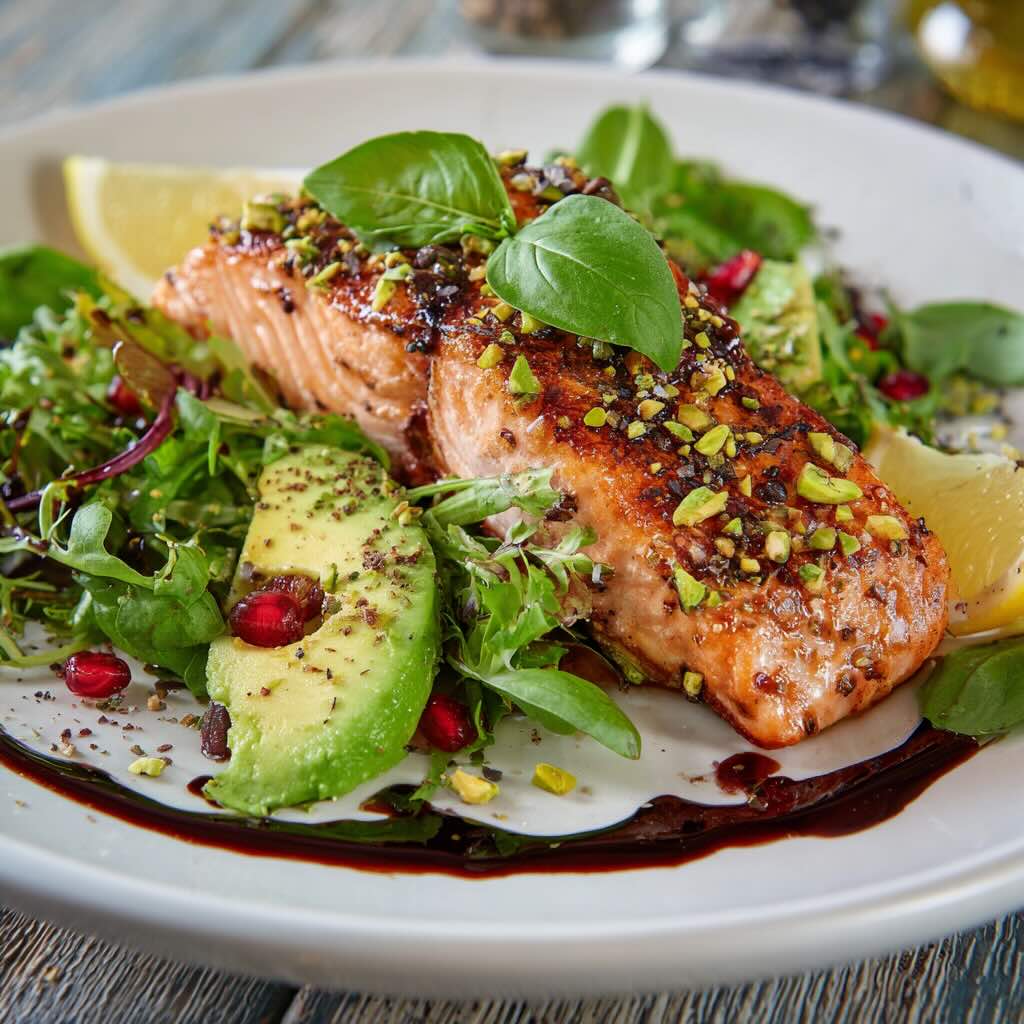
Salmon Bowl-pistachio-cacao-nibs
A Mediterranean-style bowl combining salmon, avocado, pistachios, cacao nibs, and early harvest olive oil — rich in omega-3 fats, polyphenols, and fibre.
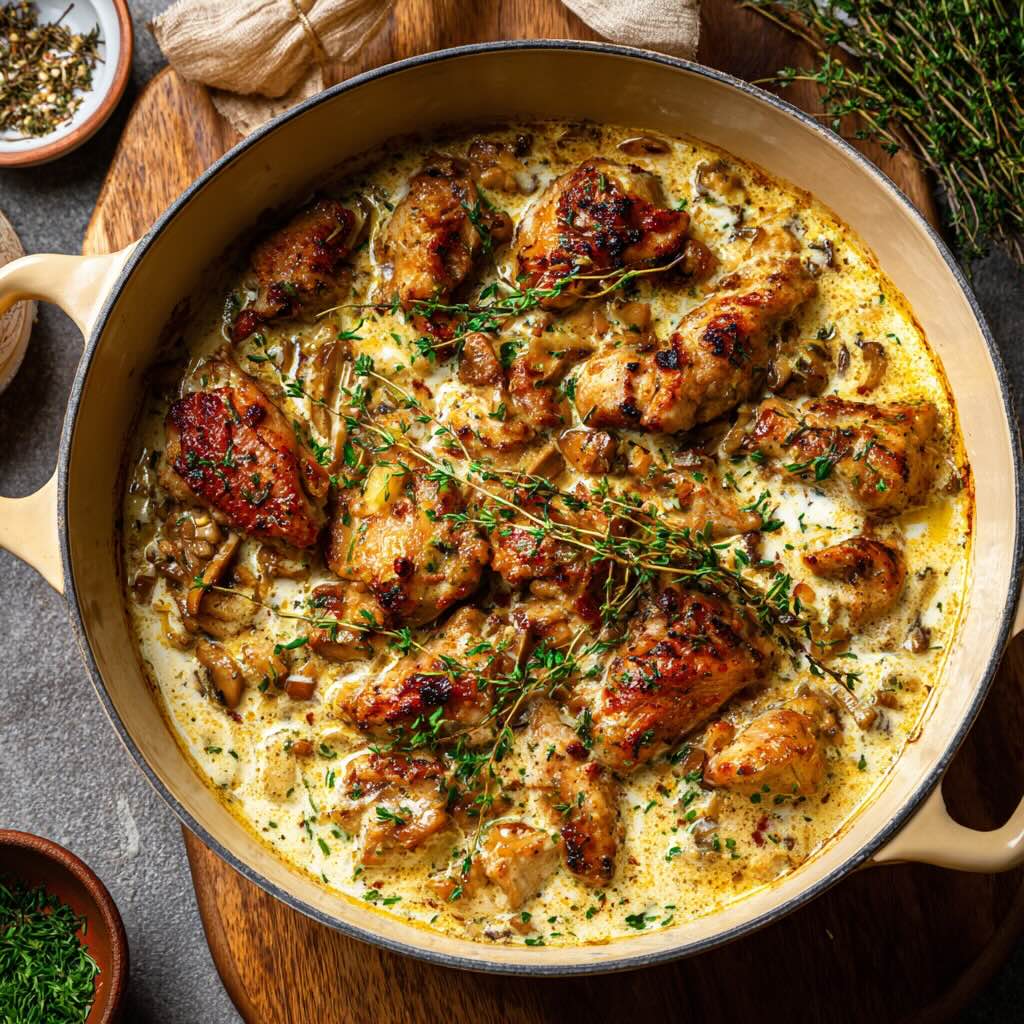
Turkey Wing Stew
A collagen-rich, glycine-heavy slow-cooked stew made from affordable turkey wings — rich in protein, tryptophan, and B vitamins.
Foods
7 foods containing this substance
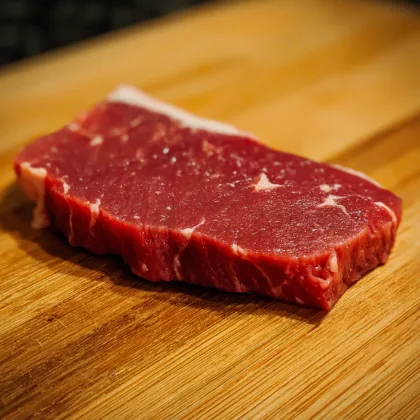
Beef
High creatine, CoQ10, and bioavailable heme iron

Heart
Highest CoQ10 source among organ meats

Liver
Nutrient-dense organ meat with bioavailable B12, retinol, iron, and CoQ10

Mackerel
Oily fish rich in EPA/DHA, CoQ10, taurine, and vitamin D
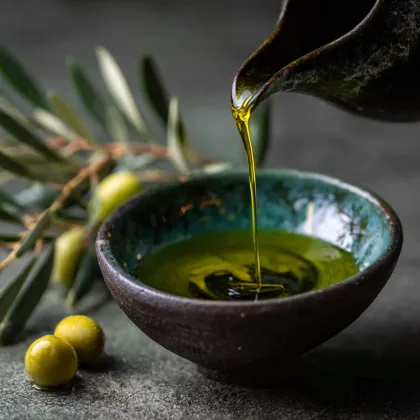
Olive Oil (Early Harvest)
Premium extra virgin olive oil with enhanced CoQ10, oleuropein, and polyphenol content from early harvest timing

Pistachios
CoQ10 plant source and healthy fats

Sardines
Small oily fish rich in EPA/DHA, CoQ10, and calcium
Biological Mechanisms and Implications
References
- CoQ10 deficiency leads to reduced ATP production and mitochondrial dysfunction, which may contribute to neurocognitive issues in ADHD Mantle and Hargreaves 2024
- CoQ10 levels decline dramatically with age, with over 50% depletion between 20 and 60 years of life
- Organ meats are the highest dietary source of CoQ10 (up to 12mg per 100g), while olive oil contains lower amounts (0.06-2mg per 100g) with great variation between producers and harvest times Zmitek, Rodríguez-Aguilera, and Pravst 2014
- Combinations of CoQ10 and creatine show additive neuroprotection in models of Parkinson's and Huntington's disease Yang et al. 2009
- CoQ10 is part of the antioxidant network, working synergistically with vitamin E, vitamin C, lipoic acid, and glutathione Packer et al. 1997