Astaxanthin
Overview
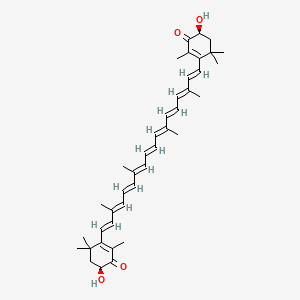
Astaxanthin is a xanthophyll carotenoid that gives salmon, salmon roe, shrimp, lobster, and some microalgae their orange-red colour. It spans inner and outer membrane leaflets, can cross the blood–brain barrier, and is used in this ontology as a food constituent and as a studied supplement — not as a stand-in for oily-fish trials [1,3]. Humans do not synthesise it, so intake depends on marine foods or supplements [3].
Isolated-supplement evidence is the main research base. A mechanistic review links astaxanthin to reduced oxidative stress, neuroinflammatory signalling, mitochondrial-membrane protection, and synaptic-plasticity pathways in neurodegenerative-aging models [1]. A meta-analysis of randomised trials found reductions in blood malondialdehyde, with more modest effects on inflammatory biomarkers [2]. A critical review of human cognition and neurodegeneration reports possible benefits for working memory and response time in some contexts, while noting mixed results, small samples, and that neurodegenerative claims remain largely cell-based [3].
Key Compound Highlights
- Spans cell membranes and can reach the central nervous system; food occurrence is mainly salmonids and crustaceans [1,3].
- Human RCT meta-analysis: blood malondialdehyde reduced versus placebo; CRP and TNF-α effects were not significant [2].
- Human cognition: possible improvements in working memory and response time in some trials; response inhibition and cognitive shifting were not shown to change holistically [3].
- Neurodegeneration (Parkinson’s, Alzheimer’s) evidence in humans is still mostly cell-line work; erythrocyte phospholipid-hydroperoxide lowering is a biomarker finding, not a disease-outcome trial [1,3].
- Typical trial doses are about 4–12 mg/day as a supplement; that is not equivalent to the variable astaxanthin content of a salmon portion [3].
Dietary Context
Food sources
Dietary astaxanthin occurs in salmon, salmon roe, shrimp, krill, lobster, and some green algae (including Haematococcus). Levels in farmed salmon depend strongly on feed formulation.
Synergies
Absorption follows carotenoid lipid-micelle rules: take with a fat-containing meal. Some cognitive trials combined astaxanthin with sesamin or tocotrienols; those blend results are not isolated-astaxanthin effects [3].
Supplement versus food
Most human biomarker and cognition studies use capsules, not salmon meals [2,3]. Listing astaxanthin on salmon and salmon-roe pages is compositional. Do not read an oily-fish outcome trial as an astaxanthin trial.
Recipes
3 recipes containing this substance
Neuroeshot (Roe, Lemon, Hot Sauce)
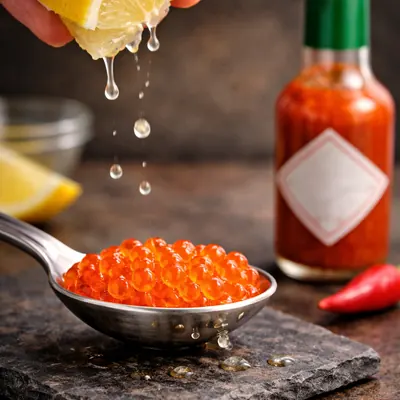
A small savory shot of roe, lemon juice, and fermented hot sauce for concentrated omega-3s and choline.
Salmon & Grated Beetroot Toast (with Lemon)
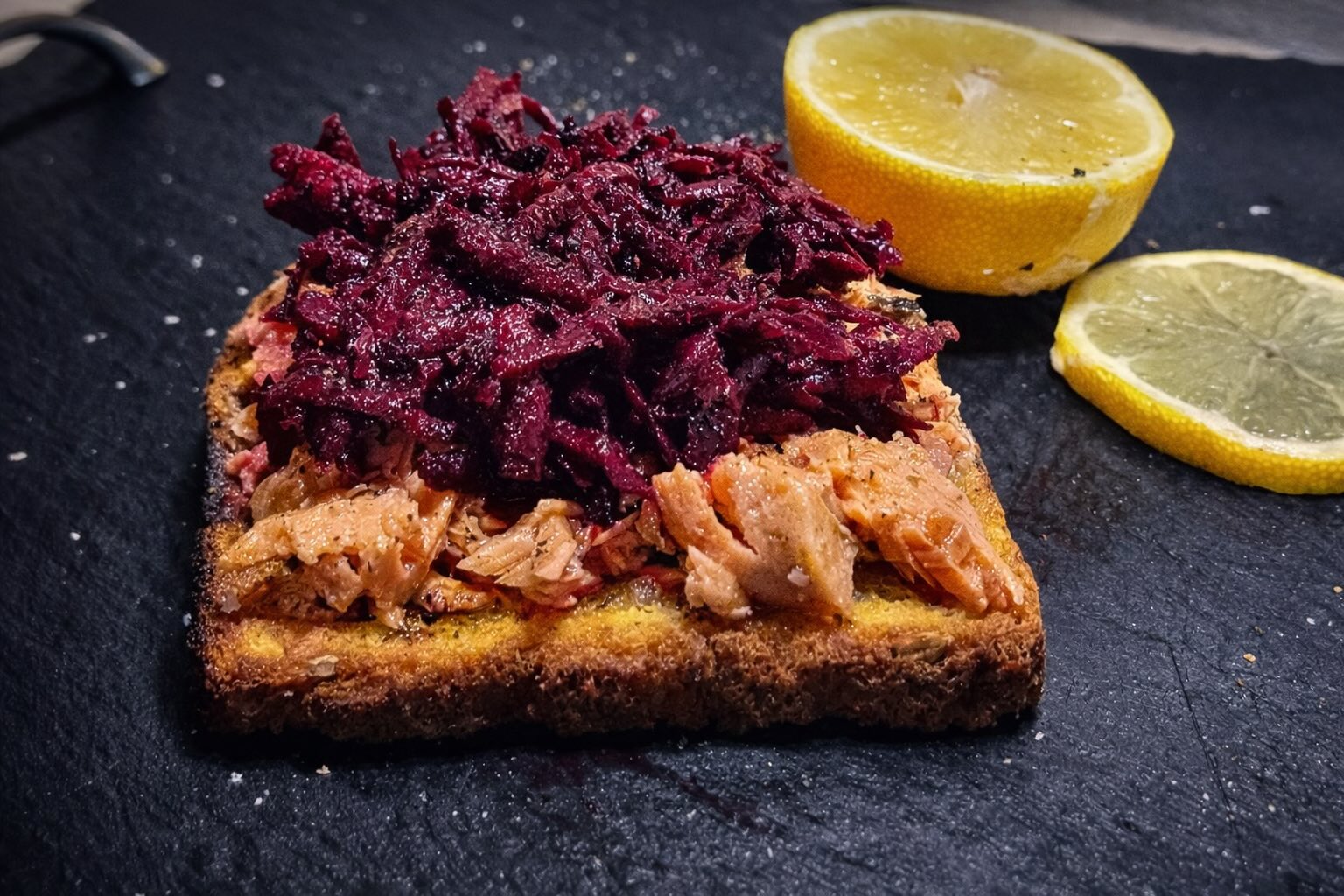
A fast, brain-forward open sandwich combining omega-3 rich salmon, nitrate/polyphenol beetroot, and lemon acidity for a sharp, savoury bite.
Salmon Bowl-pistachio-cacao-nibs
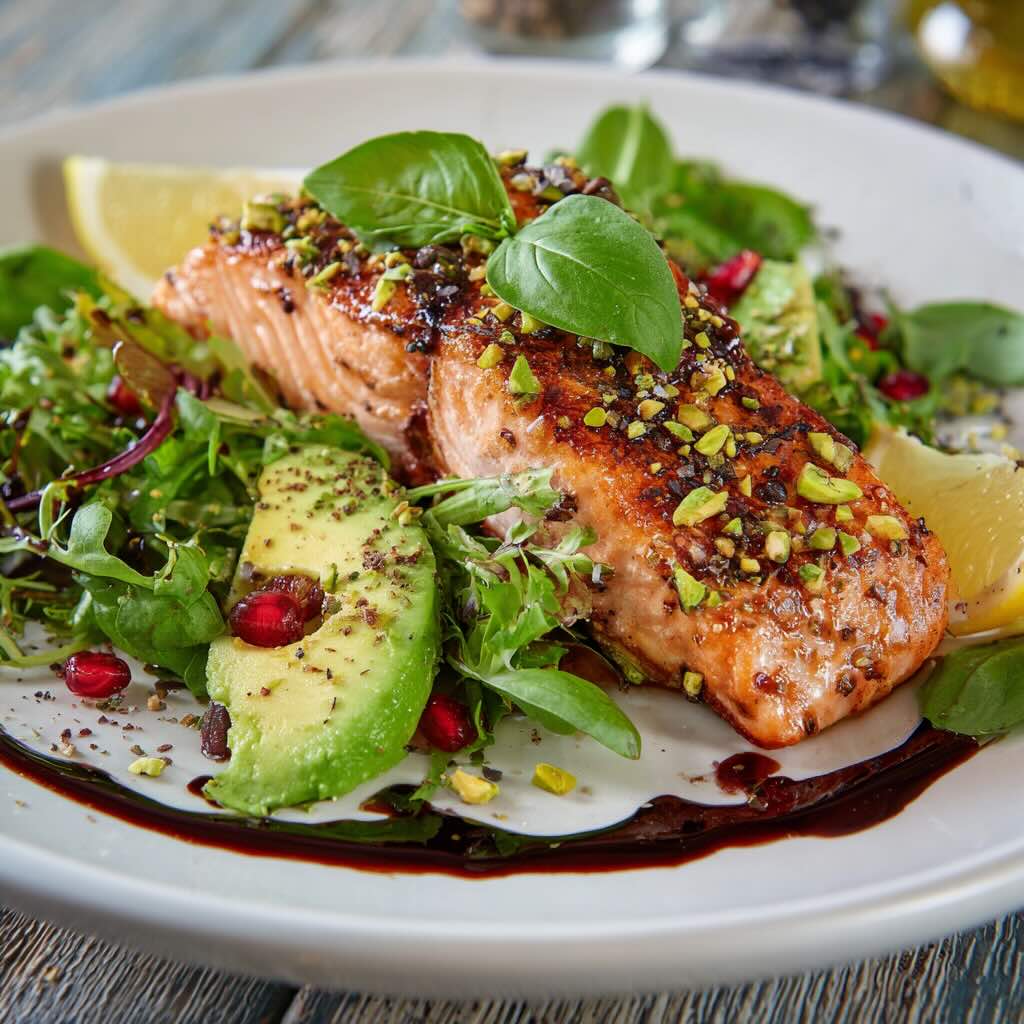
A Mediterranean-style bowl combining salmon, avocado, pistachios, cacao nibs, and early harvest olive oil — rich in omega-3 fats, polyphenols, and fibre.
Foods
2 foods containing this substance

Salmon
Oily fish rich in EPA/DHA, protein, and B vitamins
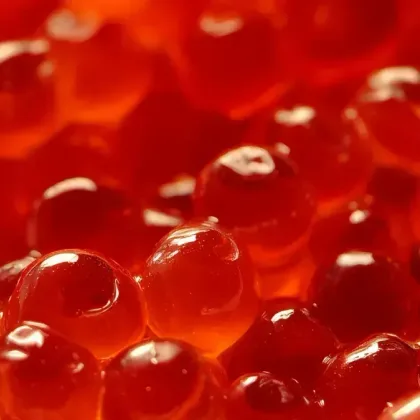
Salmon Roe
Premium salmon (ikura) eggs — phospholipid-bound EPA/DHA and choline
References
[1] Mechanistic review of astaxanthin as a neuroprotective modulator of synaptic plasticity, oxidative stress, mitochondrial-membrane stability, and neuroinflammation in neurodegenerative aging. Guo and Chi 2026. Astaxanthin as a neuroprotective modulator of synaptic plasticity, learning, and memory
[2] Meta-analysis of 12 randomised trials (380 participants): astaxanthin supplementation reduced blood malondialdehyde versus placebo; effects on CRP and TNF-α were not significant. Ma et al. 2022. Astaxanthin supplementation mildly reduced oxidative stress and inflammation biomarkers
[3] Critical review of human studies: possible benefits for working memory and response time in some contexts; mixed cognitive results; neurodegeneration evidence still largely cell-based; some positive trials used astaxanthin in blends. Queen et al. 2024. The Effects of Astaxanthin on Cognitive Function and Neurodegeneration in Humans: A Critical Review