DHA (Docosahexaenoic Acid)
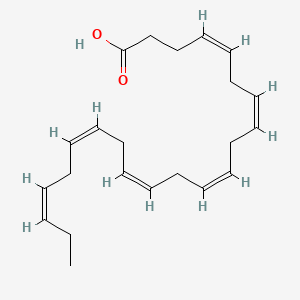
Overview
DHA (docosahexaenoic acid, 22:6 n-3) accounts for approximately 10–15% of total brain fatty acids, but it represents 20–30% of the fatty acids in neuronal phospholipids such as phosphatidylethanolamine (PE) and phosphatidylserine (PS), and more than 90% of the brain's omega-3 PUFA. It is critical for membrane fluidity, synaptic vesicle fusion, and neurodevelopment. DHA is transported across the blood-brain barrier as LPC-DHA via the MFSD2A transporter, making phospholipid-bound forms (such as those found in fish roe and krill oil) particularly effective for brain DHA accretion.
Recipes
5 recipes containing this substance
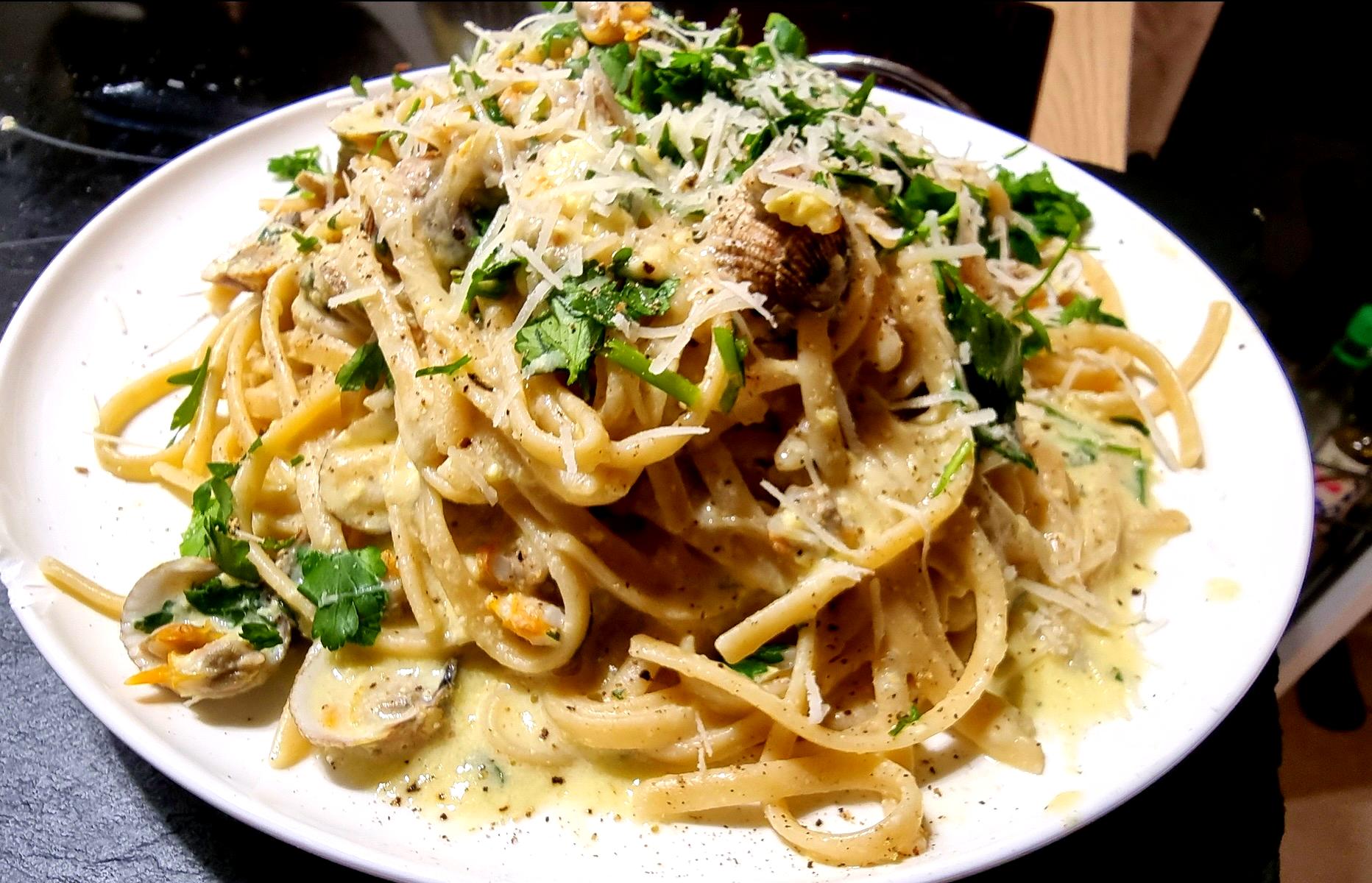
Linguine alle vongole mantecate (Linguine with cockles in a silky emulsified sauce)
Whole-wheat linguine with cockles in a silky emulsified sauce; Italian emulsification technique without cream, supporting taurine, B12, and choline intake.
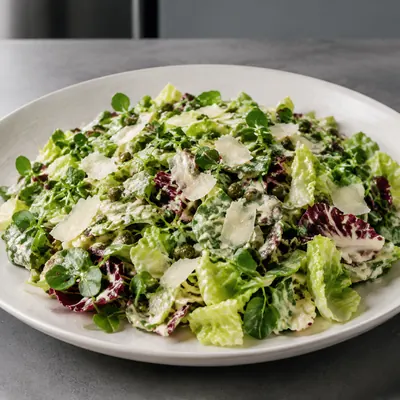
Mixed-Leaf Tahini Caesar Salad
A Caesar-style mixed-leaf salad with a tahini, anchovy, caper and Parmesan dressing, using extra virgin olive oil retained from oil-packed capers.
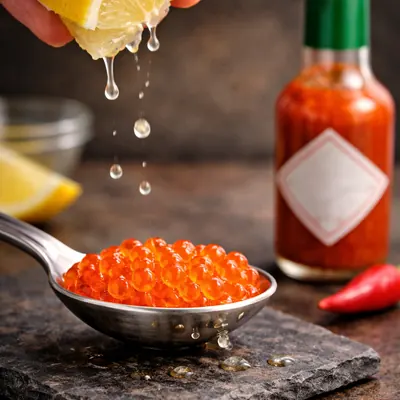
Neuroeshot (Roe, Lemon, Hot Sauce)
A small savory shot of roe, lemon juice, and fermented hot sauce for concentrated omega-3s and choline.
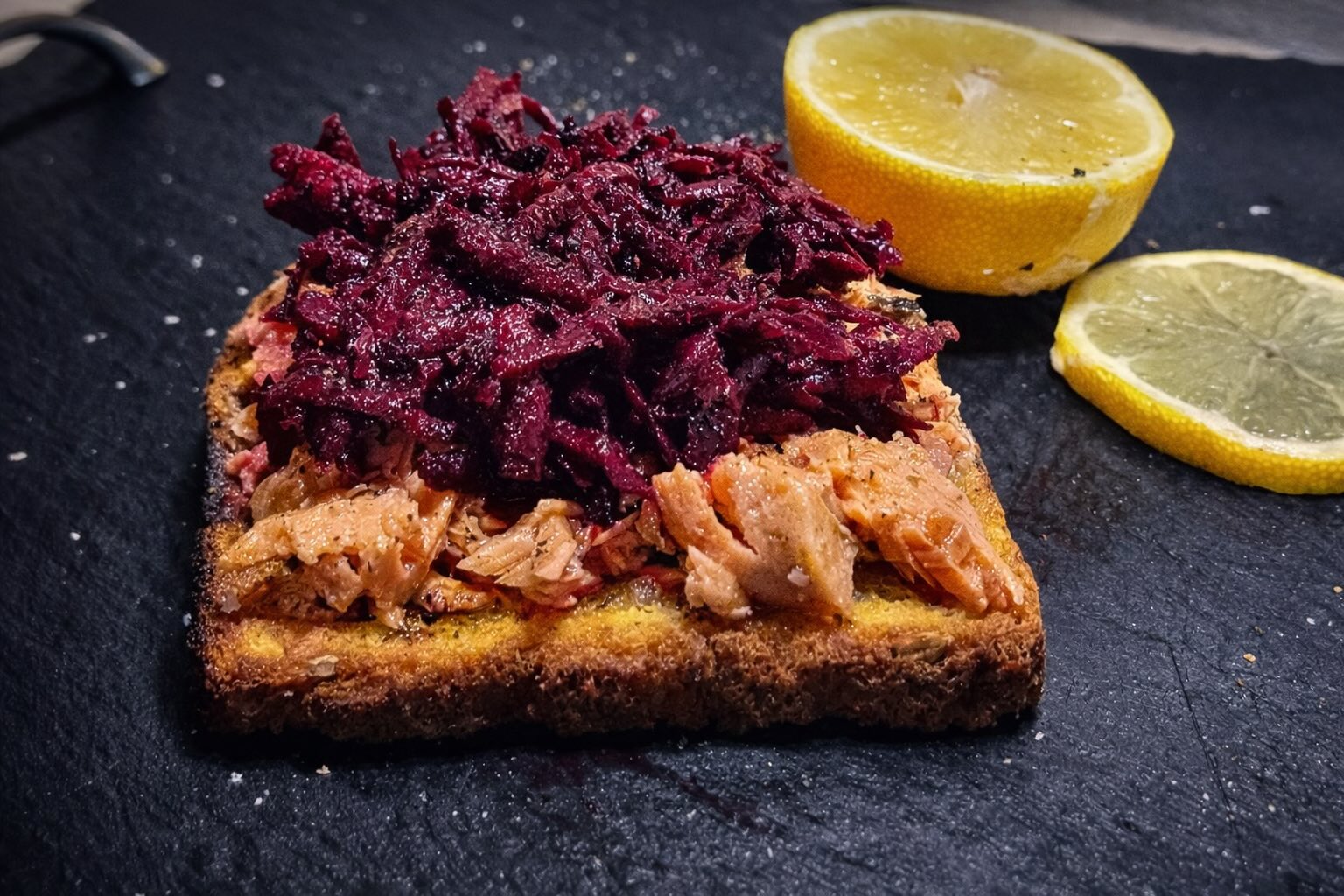
Salmon & Grated Beetroot Toast (with Lemon)
A fast, brain-forward open sandwich combining omega-3 rich salmon, nitrate/polyphenol beetroot, and lemon acidity for a sharp, savoury bite.
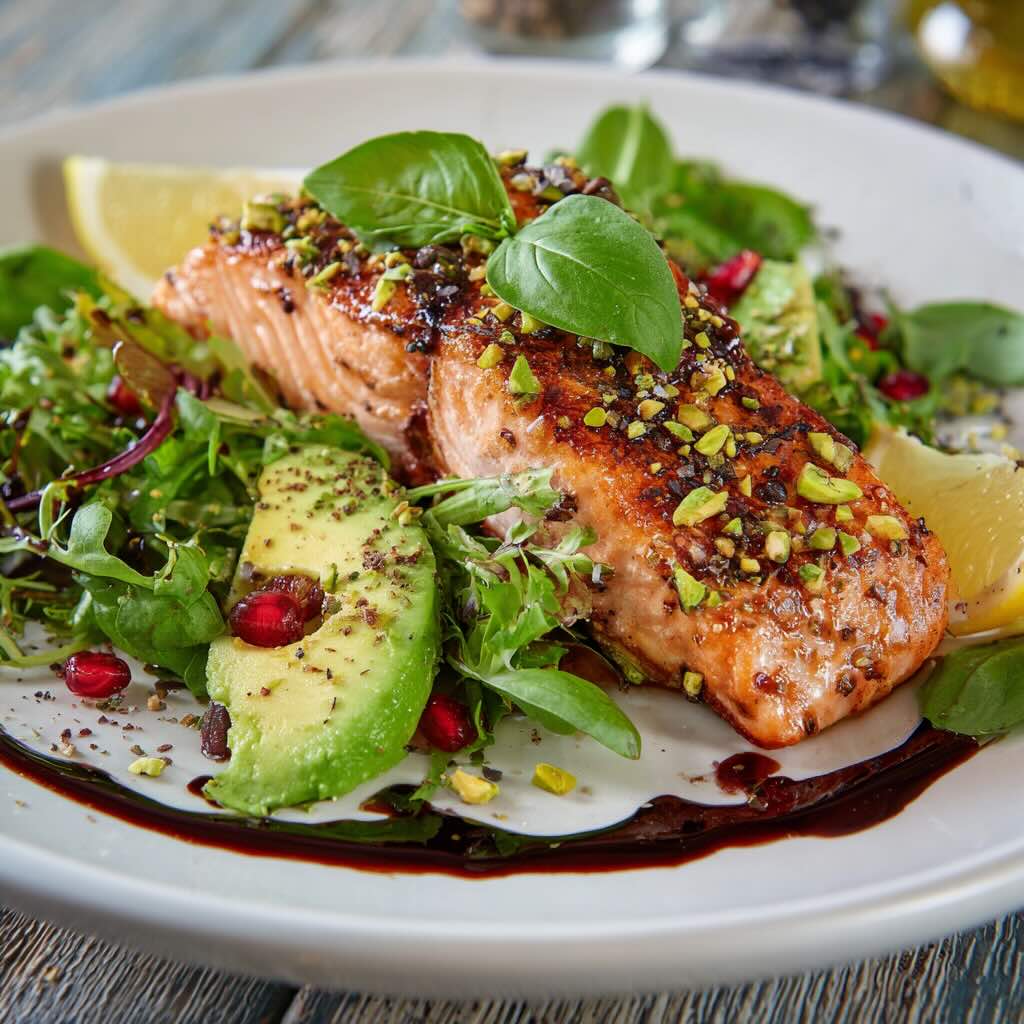
Salmon Bowl-pistachio-cacao-nibs
A Mediterranean-style bowl combining salmon, avocado, pistachios, cacao nibs, and early harvest olive oil — rich in omega-3 fats, polyphenols, and fibre.
Foods
13 foods containing this substance
Algal Oil
Vegetarian source of preformed DHA from cultivated microalgae
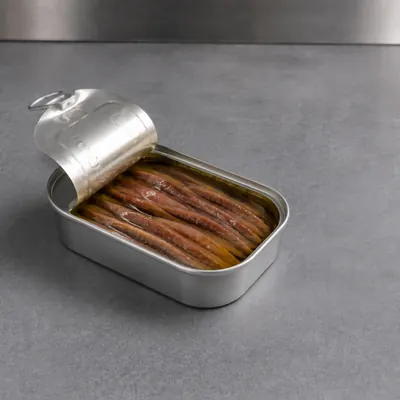
Anchovies
Small oily fish, typically canned and drained, providing EPA, DHA and niacin

Cockles
Bivalve shellfish providing B12, iron, zinc, selenium, and marine taurine

Herring
Oily fish rich in EPA/DHA omega-3s

Lumpfish Roe
Salted lumpfish caviar — budget-friendly; high salt; lower omega-3 than salmonid roe

Mackerel
Oily fish rich in EPA/DHA, CoQ10, taurine, and vitamin D
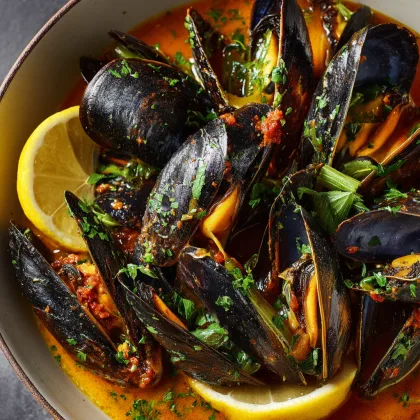
Mussels
Nutrient-dense bivalve providing phospholipid-bound omega-3s; accepted by some vegans (ostroveganism)
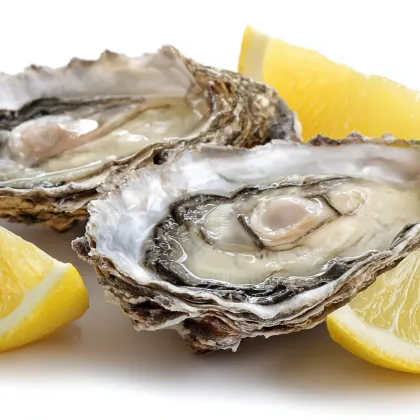
Oysters
Highest zinc content among common foods; unique source of phospholipid-bound omega-3s; accepted by some vegans (ostroveganism)

Salmon
Oily fish rich in EPA/DHA, protein, and B vitamins
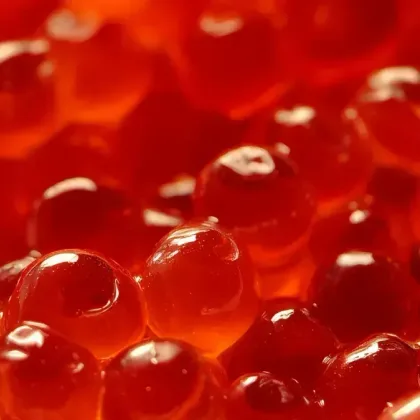
Salmon Roe
Premium salmon (ikura) eggs — phospholipid-bound EPA/DHA and choline

Sardines
Small oily fish rich in EPA/DHA, CoQ10, and calcium
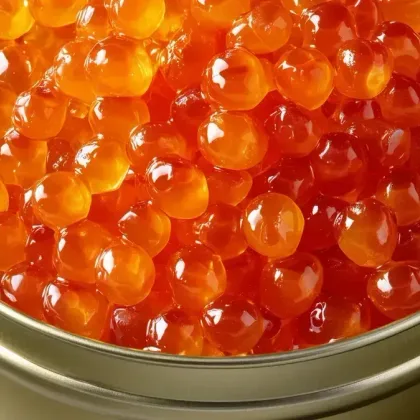
Trout Roe
Rainbow trout eggs — phospholipid omega-3s; typically mid-tier vs salmon ikura
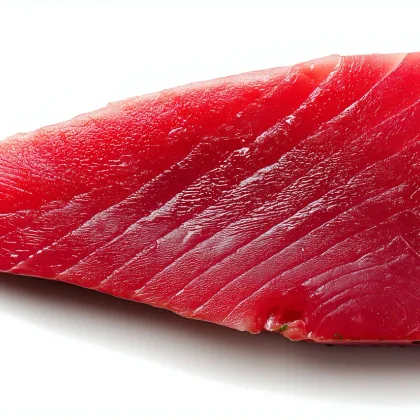
Tuna
Fish providing omega-3, niacin, selenium, and complete protein
Biological Mechanisms and Implications
| Biological Target | Therapeutic Areas | Mechanism of Action |
|---|
References
- DHA accounts for ~10–15% of total brain fatty acids, but it represents 20–30% of the fatty acids in neuronal phospholipids such as PE and PS, and more than 90% of the brain's omega-3 PUFA; omega-3s influence gene expression, neurotransmission, inflammation resolution, and synaptic plasticity McNamara and Carlson 2006
- DHA or EPA incorporated into PC and converted into lysophosphatidylcholine (LPC) crosses the blood-brain barrier far more efficiently than free fatty acid or triglyceride-bound forms Patrick 2019
- Phospholipid-bound omega-3s such as krill oil and fish roe were 1.9-fold more efficacious for brain gray matter DHA accretion in porcine models Liu et al. 2014
- Specialized pro-resolving mediators (SPMs), derived from omega-3s (DHA and EPA), terminate inflammation without suppressing immune surveillance; include resolvins, protectins, and maresins Serhan and Petasis 2011
- Found in: salmon roe, fish oil, algae oil