EPA (Eicosapentaenoic Acid)

Overview
EPA (eicosapentaenoic acid, 20:5 n-3) is a potent anti-inflammatory omega-3 fatty acid that serves as a precursor to E-series resolvins. It modulates dopamine and serotonin signalling and synergises with DHA while having independent mechanisms. Most research showing brain function improvements leans towards higher ratios of EPA to DHA (e.g., 2:1 ratio), with DHA having a more structural role and EPA with a more functional role.
Recipes
5 recipes containing this substance
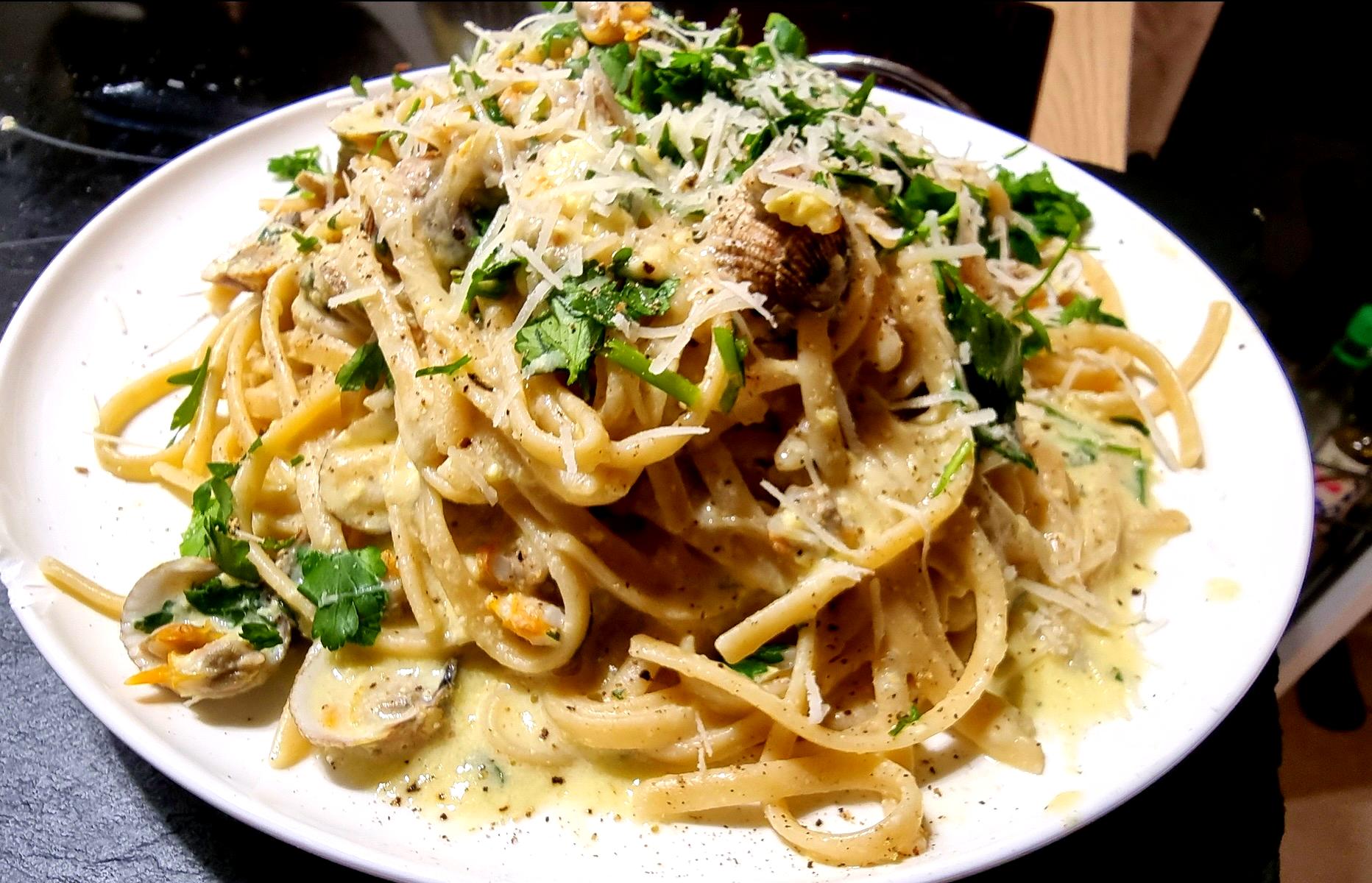
Linguine alle vongole mantecate (Linguine with cockles in a silky emulsified sauce)
Whole-wheat linguine with cockles in a silky emulsified sauce; Italian emulsification technique without cream, supporting taurine, B12, and choline intake.
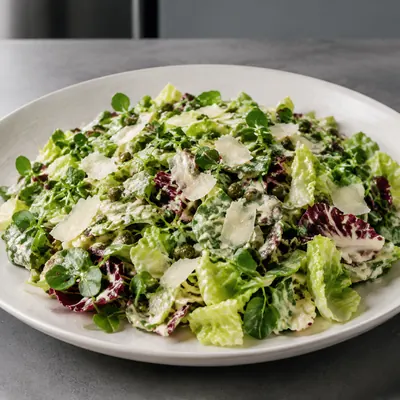
Mixed-Leaf Tahini Caesar Salad
A Caesar-style mixed-leaf salad with a tahini, anchovy, caper and Parmesan dressing, using extra virgin olive oil retained from oil-packed capers.
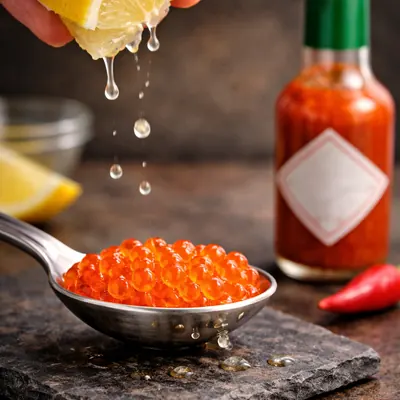
Neuroeshot (Roe, Lemon, Hot Sauce)
A small savory shot of roe, lemon juice, and fermented hot sauce for concentrated omega-3s and choline.
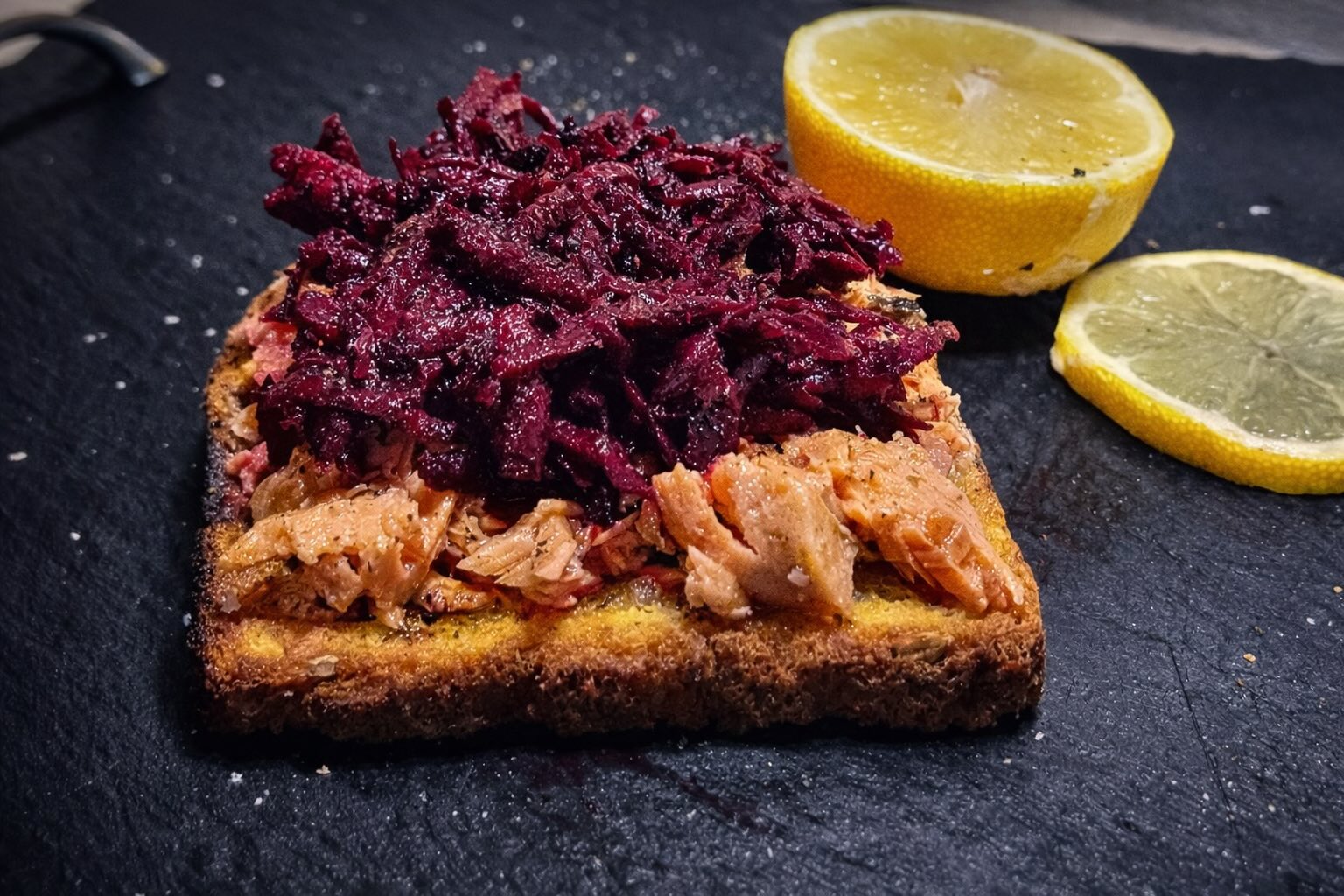
Salmon & Grated Beetroot Toast (with Lemon)
A fast, brain-forward open sandwich combining omega-3 rich salmon, nitrate/polyphenol beetroot, and lemon acidity for a sharp, savoury bite.
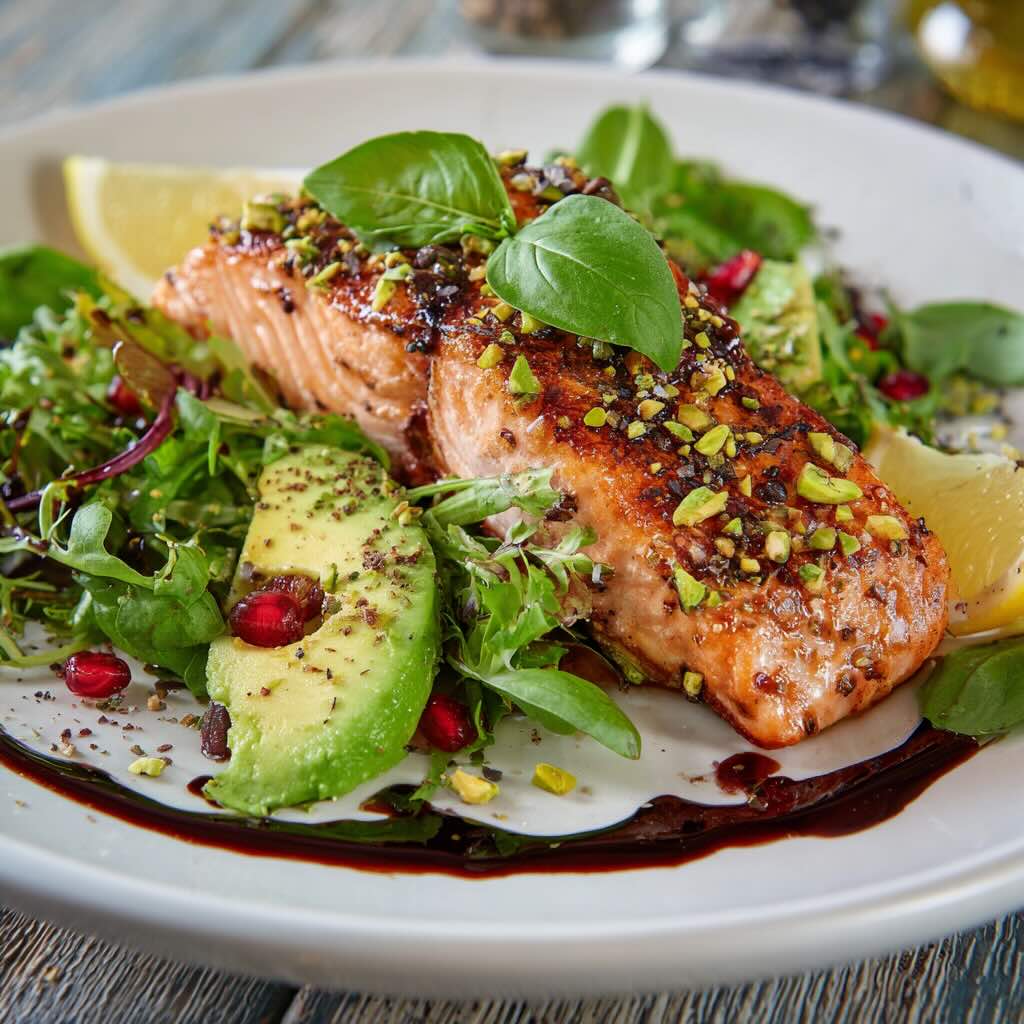
Salmon Bowl-pistachio-cacao-nibs
A Mediterranean-style bowl combining salmon, avocado, pistachios, cacao nibs, and early harvest olive oil — rich in omega-3 fats, polyphenols, and fibre.
Foods
13 foods containing this substance
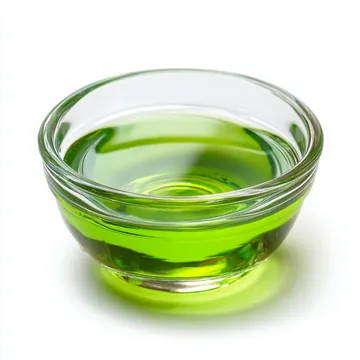
Algal Oil
Vegetarian source of preformed DHA from cultivated microalgae

Anchovies
Small oily fish, typically canned and drained, providing EPA, DHA and niacin

Cockles
Bivalve shellfish providing B12, iron, zinc, selenium, and marine taurine

Herring
Oily fish rich in EPA/DHA omega-3s

Lumpfish Roe
Salted lumpfish caviar — budget-friendly; high salt; lower omega-3 than salmonid roe

Mackerel
Oily fish rich in EPA/DHA, CoQ10, taurine, and vitamin D
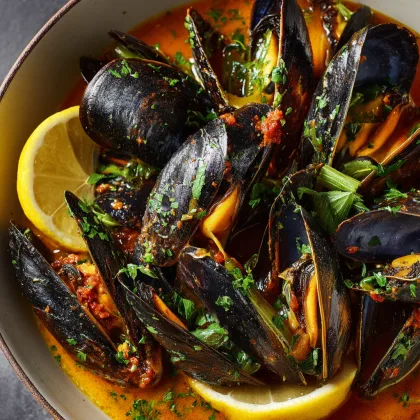
Mussels
Nutrient-dense bivalve providing phospholipid-bound omega-3s; accepted by some vegans (ostroveganism)
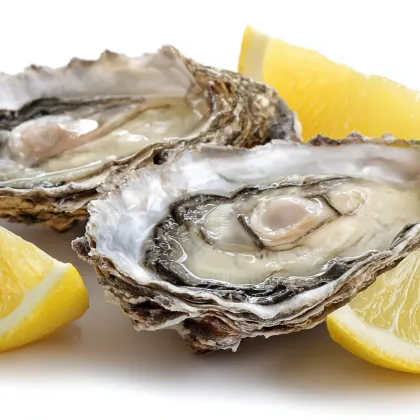
Oysters
Highest zinc content among common foods; unique source of phospholipid-bound omega-3s; accepted by some vegans (ostroveganism)

Salmon
Oily fish rich in EPA/DHA, protein, and B vitamins
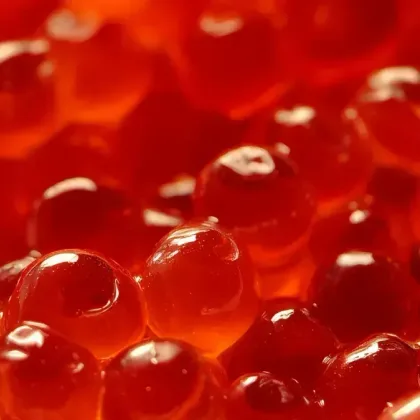
Salmon Roe
Premium salmon (ikura) eggs — phospholipid-bound EPA/DHA and choline

Sardines
Small oily fish rich in EPA/DHA, CoQ10, and calcium
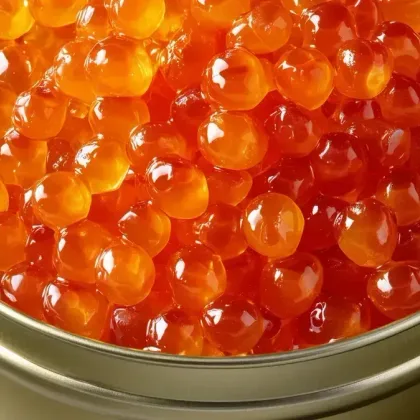
Trout Roe
Rainbow trout eggs — phospholipid omega-3s; typically mid-tier vs salmon ikura
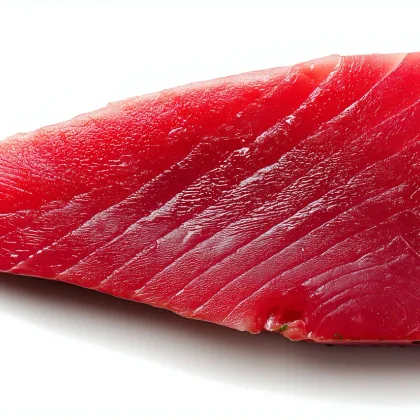
Tuna
Fish providing omega-3, niacin, selenium, and complete protein
Biological Mechanisms and Implications
| Biological Target | Therapeutic Areas | Mechanism of Action |
|---|
References
- Specialized pro-resolving mediators (SPMs), derived from omega-3s (DHA and EPA), terminate inflammation without suppressing immune surveillance; include resolvins, protectins, and maresins Serhan and Petasis 2011
- In a controlled endotoxemia model, high-dose EPA+DHA (3.6 g/day) attenuated fever and downstream cytokines, suggesting omega-3s reshape the resolution phase of acute inflammation Ferguson et al. 2014
- Most research showing brain function improvements lean towards higher ratio of EPA to DHA (e.g., 2:1 ratio), with DHA having a more structural role and EPA with a more functional role Pei-Chen Chang 2021
- Found in: oily fish, fish oil, mussels, roe