Vitamin B3 (Niacin; Niacinamide)
Overview
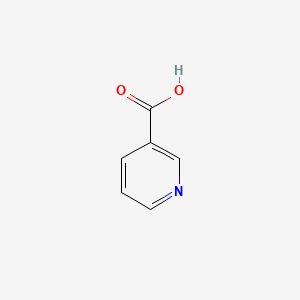
Vitamin B3, also known as niacin or niacinamide, is a water-soluble vitamin that serves as a precursor to NAD⁺ (nicotinamide adenine dinucleotide), a central coenzyme in cellular energy metabolism. NAD⁺ is essential for oxidative phosphorylation, acting as an electron carrier that enables ATP generation in mitochondria. Niacin also supports sirtuin signalling and mitochondrial biogenesis, making it important for neuronal energy metabolism. As part of the broader B-vitamin group, niacin works interdependently with other B vitamins to support brain energy production and neurochemical synthesis Kennedy 2016.
Recipes
2 recipes containing this substance

Mixed-Leaf Tahini Caesar Salad
A Caesar-style mixed-leaf salad with a tahini, anchovy, caper and Parmesan dressing, using extra virgin olive oil retained from oil-packed capers.

Turkey Wing Stew
A collagen-rich, glycine-heavy slow-cooked stew made from affordable turkey wings — rich in protein, tryptophan, and B vitamins.
Foods
12 foods containing this substance

Anchovies
Small oily fish, typically canned and drained, providing EPA, DHA and niacin
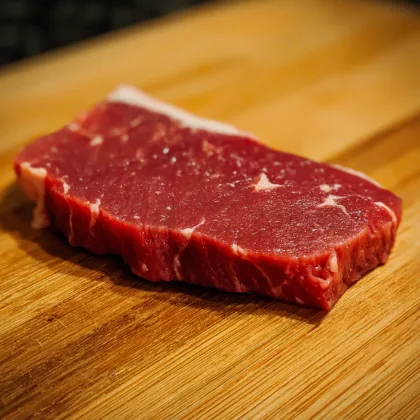
Beef
High creatine, CoQ10, and bioavailable heme iron

Chicken
Niacin, zinc, and tryptophan

Lion's Mane Mushroom
Medicinal mushroom with bioactive compounds that may support nerve health and neuroprotective pathways

Maitake Mushroom
Medicinal mushroom rich in beta-glucans, particularly D-fraction, supporting immune function

Oyster Mushroom
Culinary mushroom rich in beta-glucans and B vitamins, supporting immune function

Peanuts
Niacin, resveratrol, and plant protein for NAD+ and mitochondrial support

Sardines
Small oily fish rich in EPA/DHA, CoQ10, and calcium

Shiitake Mushroom
Culinary and medicinal mushroom rich in beta-glucans, supporting immune function and providing umami flavor
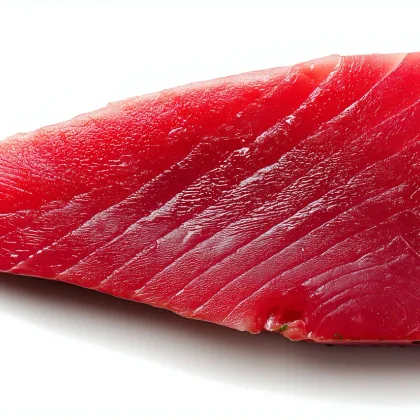
Tuna
Fish providing omega-3, niacin, selenium, and complete protein

Turkey
High tryptophan and niacin for serotonin synthesis and NAD+ production

White/Button Mushroom
Agaricus bisporus — canonical entry for white/button, cremini, chestnut (UK), and portobello; niacin and UV-exposed vitamin D
Biological Mechanisms and Implications
| Biological Target | Therapeutic Areas | Mechanism of Action |
|---|---|---|
| BRS1 - Neurotransmitter Regulation | — | Member of the interdependent B-vitamin network essential for brain energy production and neurochemical synthesis; adequate NAD⁺ from niacin supports the ATP-dependent enzymatic context in which catecholamine pathways operate alongside cofactors such as B6, iron, and folate |
| BRS4 - Mitochondrial Function & Bioenergetics | — | Directly converted to NAD⁺ via the salvage pathway; NAD⁺ is a central coenzyme in oxidative phosphorylation, sirtuin signalling, and mitochondrial biogenesis; sustaining NAD⁺ availability supports neuronal ATP production for attention, motivation, and goal-directed behaviour |
References
- Niacin replenishes NAD⁺, supporting oxidative phosphorylation, sirtuin signalling, and mitochondrial biogenesis; key for neuronal energy metabolism
- In patients with adult-onset mitochondrial myopathy, high-dose niacin supplementation (750–1,000 mg/day) restored blood and muscle NAD⁺ levels by up to eightfold, improved mitochondrial biogenesis, and enhanced muscle performance Pirinen et al. 2020
- NAD⁺ is a central coenzyme in oxidative phosphorylation, acting as an electron carrier that enables ATP generation; incorporating NAD⁺ precursors into the BRAIN Diet reinforces mitochondrial energy metabolism, particularly in contexts of deficiency
- B vitamins function as indispensable enzymatic cofactors across brain biology pathways, including neurotransmitter synthesis and mitochondrial energy production; their availability can determine whether amino acid precursors and other nutrients exert their intended effects Kennedy 2016
- Riboflavin coenzymes facilitate the metabolism of B12, vitamin B6, and niacin, linking B-vitamin network sufficiency to homocysteine recycling and broader one-carbon metabolism Aragão et al. 2024