Quercetin (and Isoquercetin)
Overview
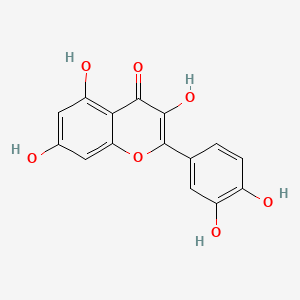
Quercetin is a flavonoid polyphenol found in many plant foods including onions, capers, apples, and berries. It exhibits strong antioxidant properties, effectively scavenging reactive oxygen species and supporting antioxidant defenses. Quercetin also has anti-inflammatory, anti-neuroinflammatory, and neuroprotective properties, supporting gut barrier integrity and helping suppress inflammatory signaling. It enhances mitochondrial baseline activity and energy production, supporting mitochondrial function. The bioavailability of quercetin is improved when consumed with vitamin C, folate, and other flavonoids, and isoquercetin (the glycosylated form) is more completely absorbed than the aglycone form.
Recipes
8 recipes containing this substance
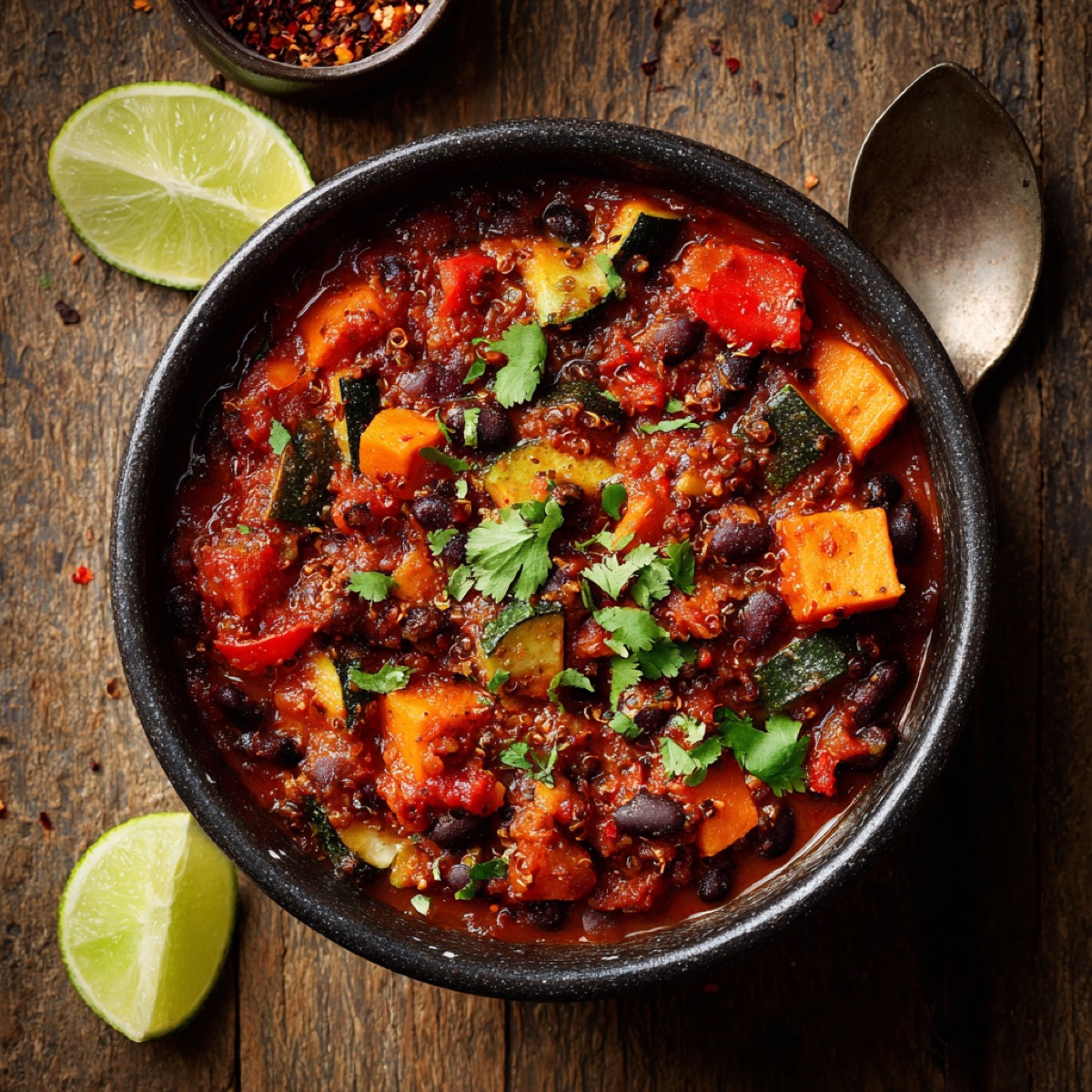
Black Bean & Sweet Potato Vegetable Chilli
A fibre-rich bean and vegetable chilli with warming spices and slow carbohydrates for steady energy and satiety.
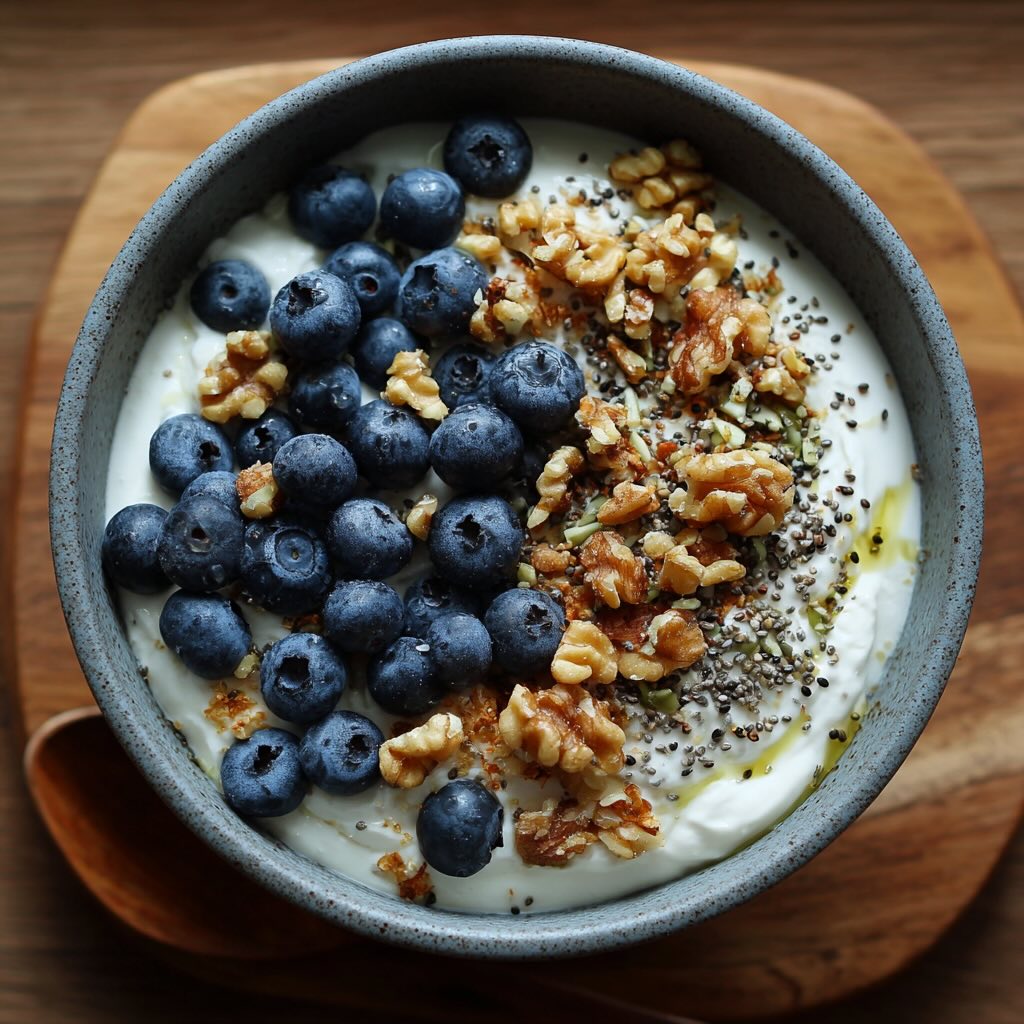
Ginger Yogurt and Blueberries
A polyphenol-rich breakfast bowl with high fibre, combining ginger, omega-3 nuts, blueberry polyphenols, and probiotic yogurt.
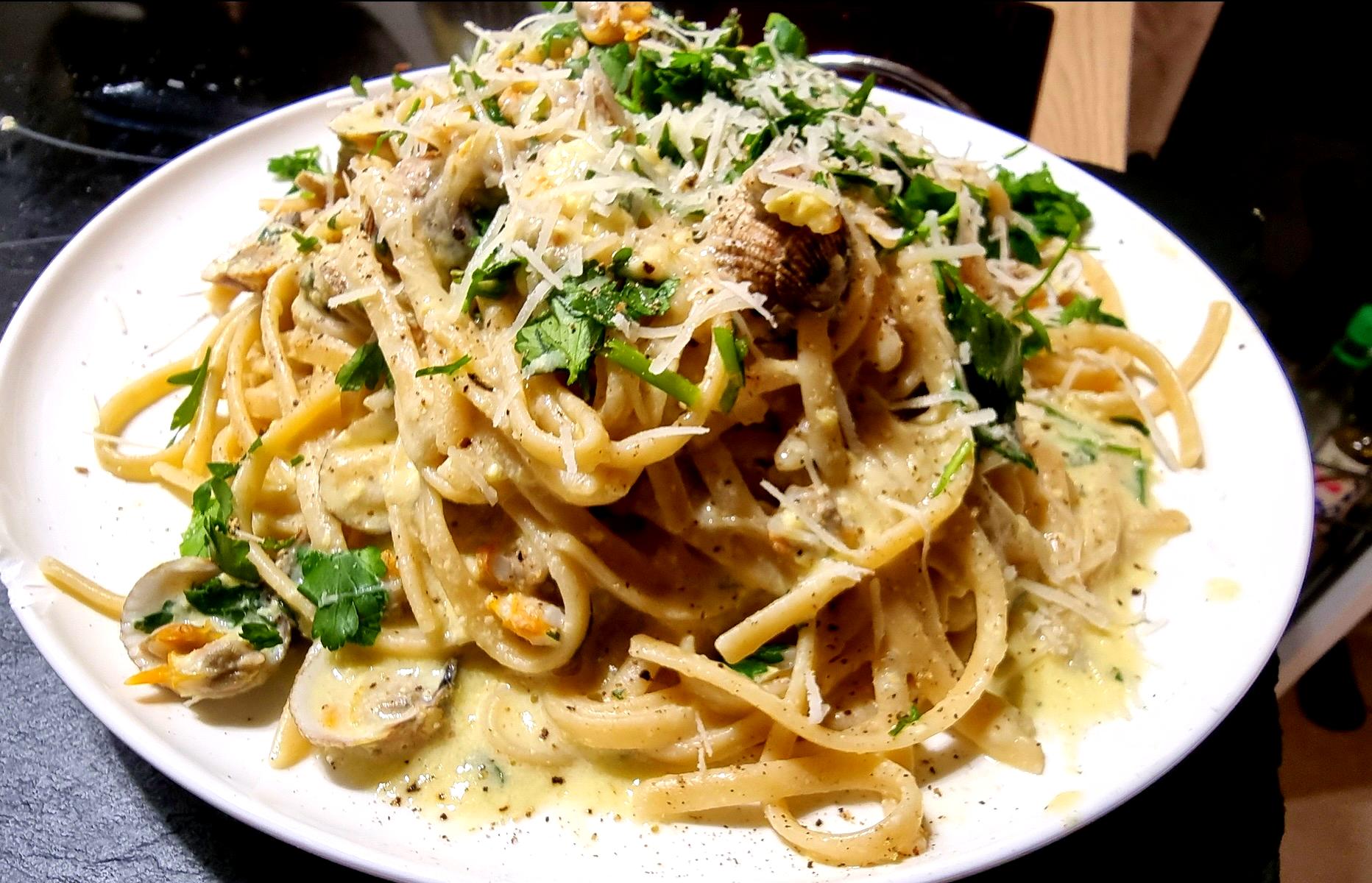
Linguine alle vongole mantecate (Linguine with cockles in a silky emulsified sauce)
Whole-wheat linguine with cockles in a silky emulsified sauce; Italian emulsification technique without cream, supporting taurine, B12, and choline intake.
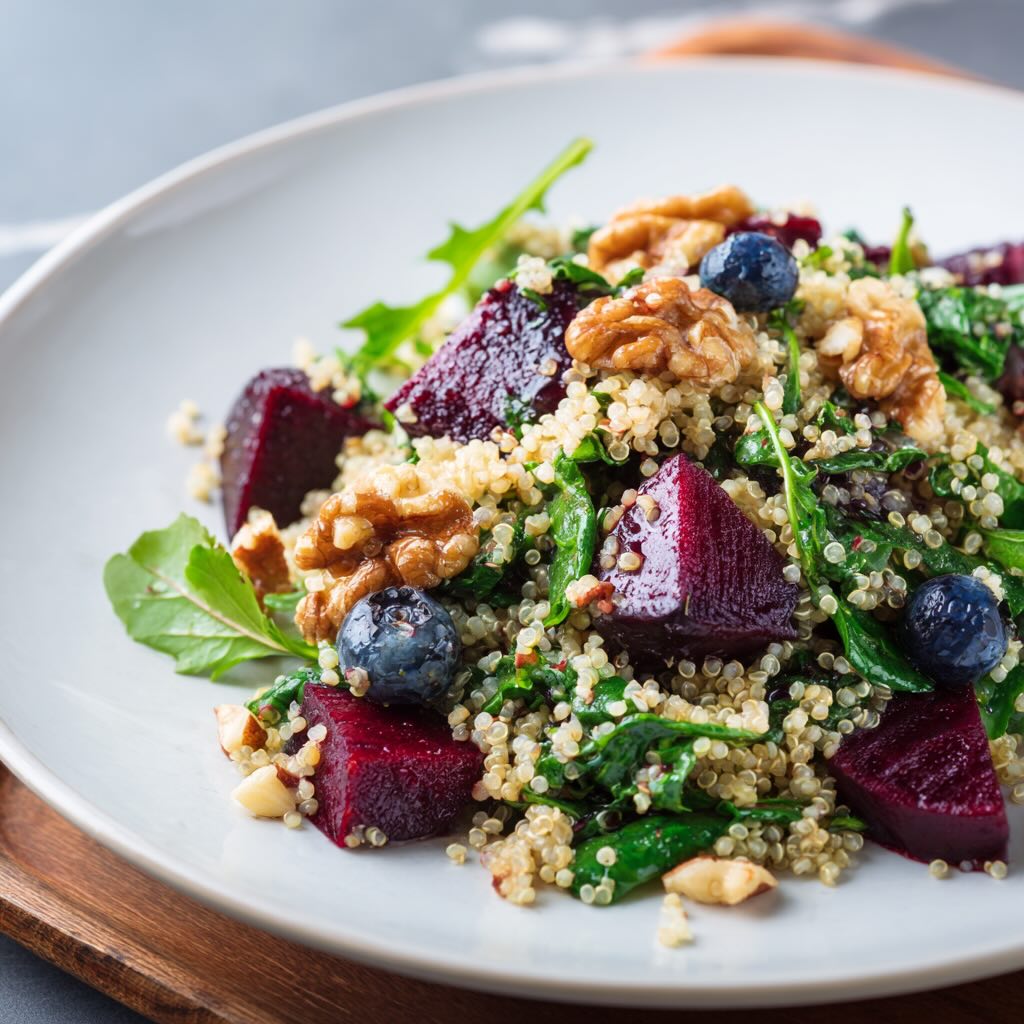
Mitochondrial Power Bowl
A nitrate-rich, polyphenol-dense bowl combining leafy greens, beets, berries, nuts, and early harvest olive oil
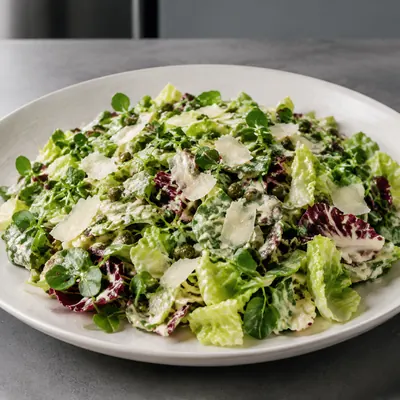
Mixed-Leaf Tahini Caesar Salad
A Caesar-style mixed-leaf salad with a tahini, anchovy, caper and Parmesan dressing, using extra virgin olive oil retained from oil-packed capers.
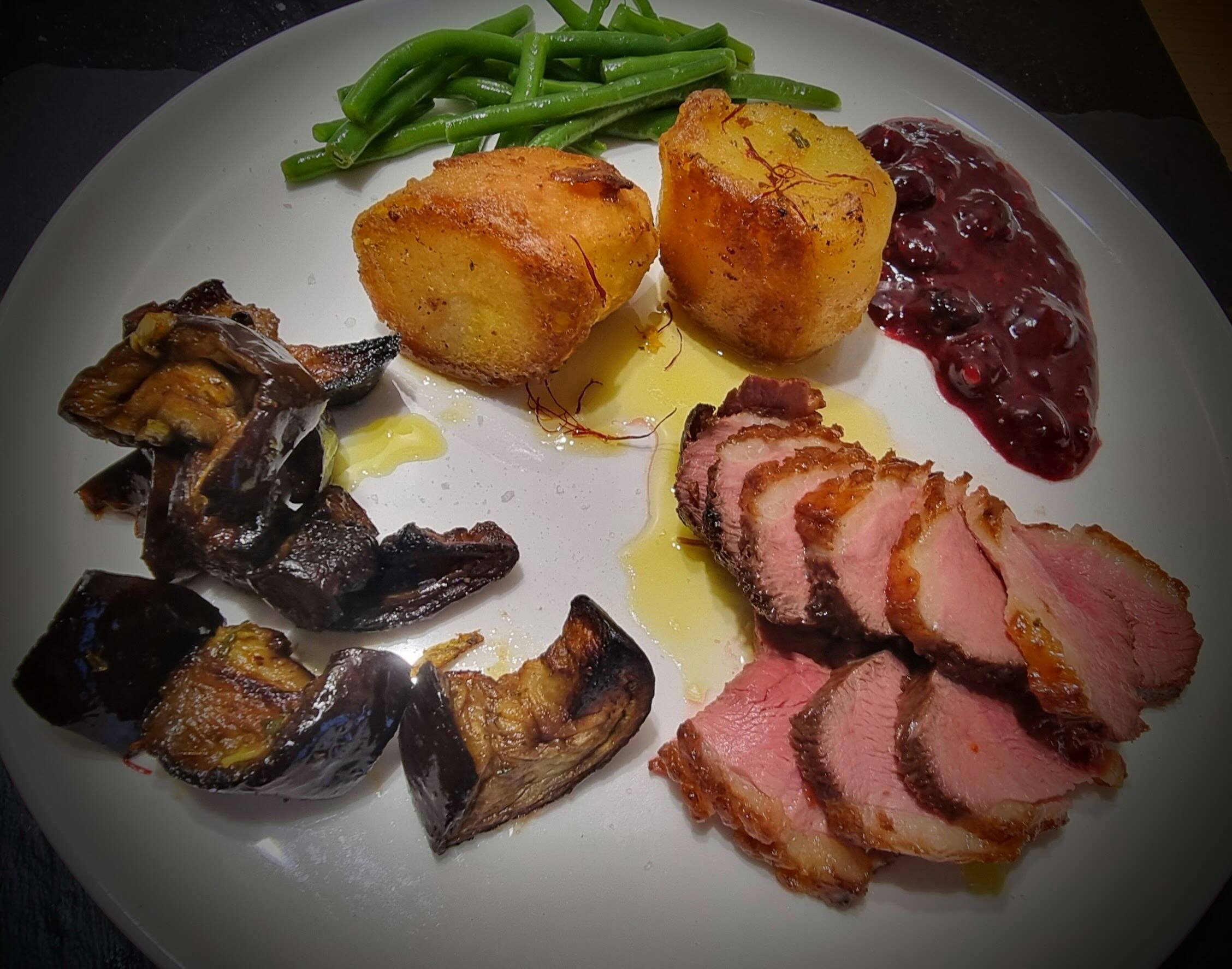
Roast Duck Breast with Berry Sauce
A rich main dish built around crisp-skinned duck breast with a bright blueberry and raspberry sauce, designed to balance richness with acidity and aromatic depth.
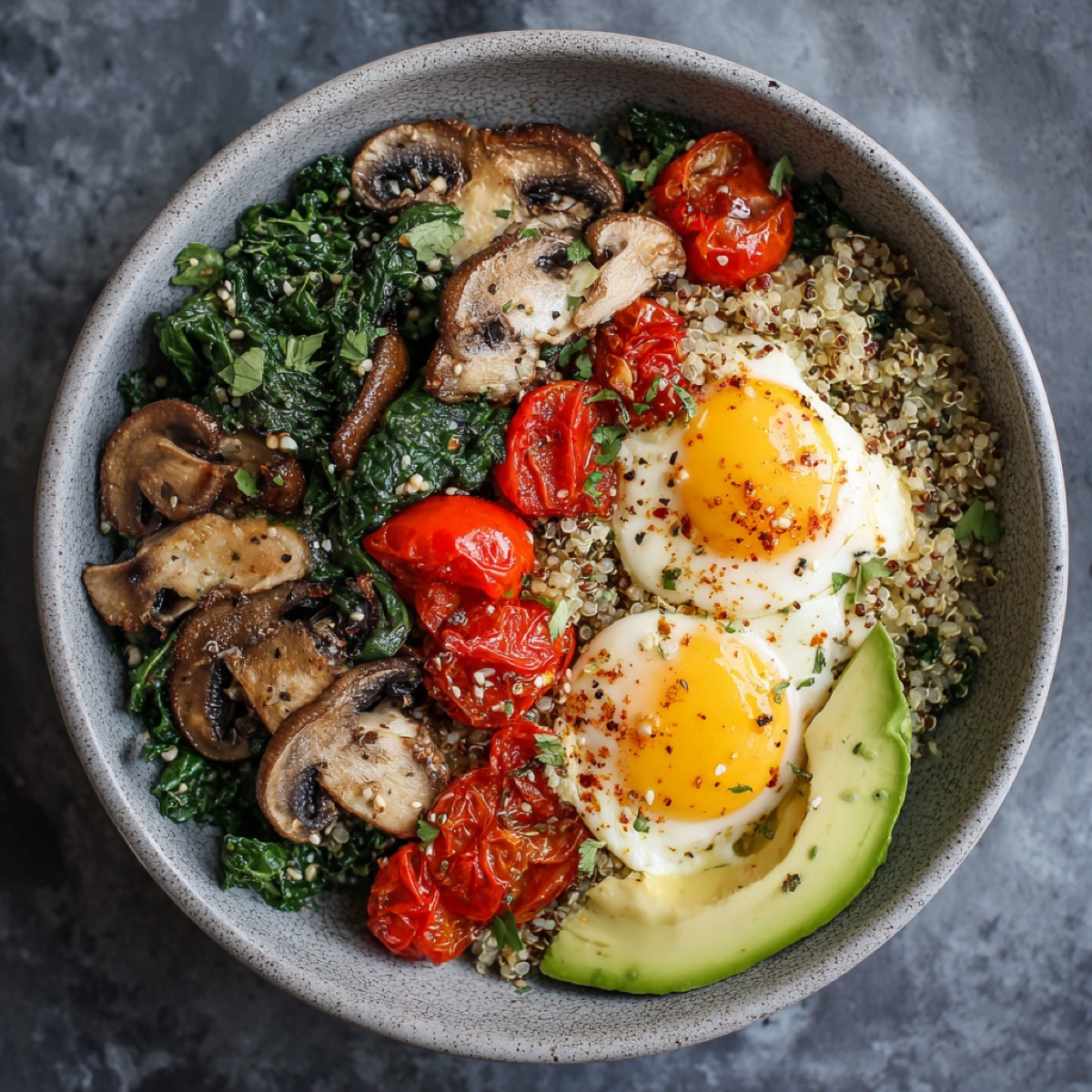
Savoury Greens & Egg Breakfast Skillet
A warm savoury breakfast skillet with eggs, greens, and slow carbohydrates for steady morning energy.
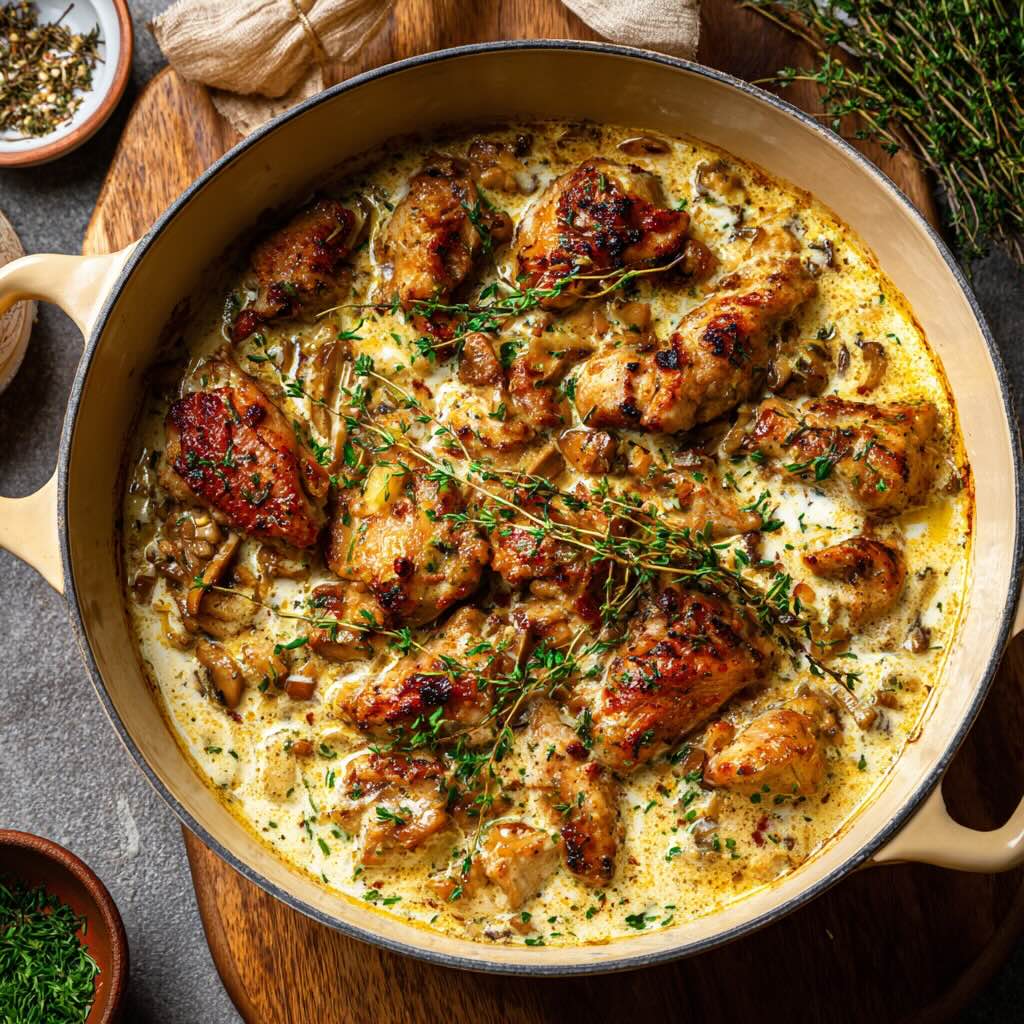
Turkey Wing Stew
A collagen-rich, glycine-heavy slow-cooked stew made from affordable turkey wings — rich in protein, tryptophan, and B vitamins.
Foods
6 foods containing this substance
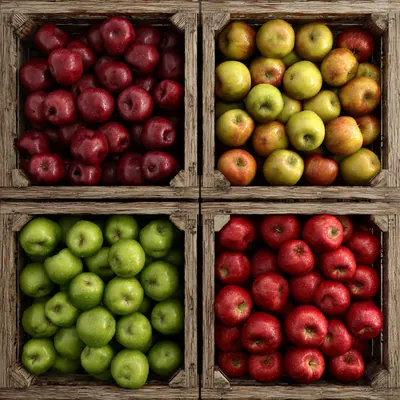
Apples
Whole fruit providing fibre, pectin, vitamin C and quercetin
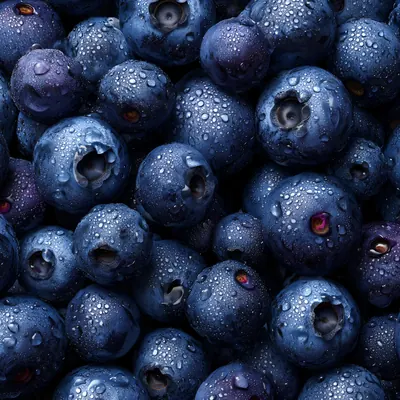
Blueberries
Berries providing anthocyanins, vitamin C and fibre
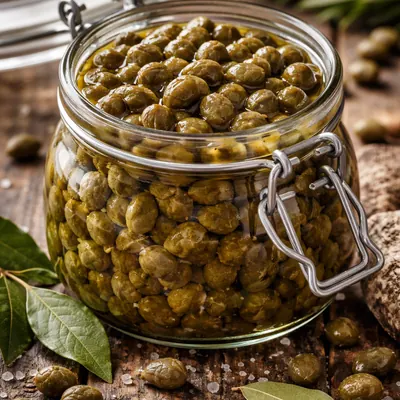
Capers
Highest quercetin content among common foods

Kale
Leafy green rich in iron, magnesium, zinc, quercetin, and carotenoids

Onions
Inulin prebiotic, quercetin, and glutathione precursors
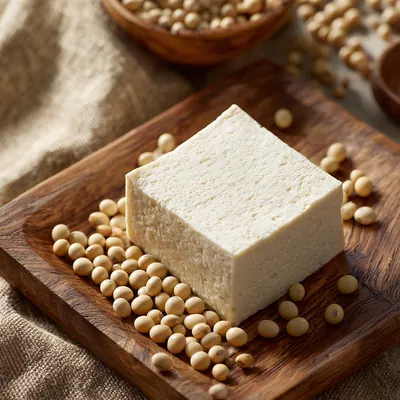
Soy
Complete plant protein with isoflavones (genistein) and choline
Biological Mechanisms and Implications
| Biological Target | Therapeutic Areas | Mechanism of Action |
|---|
References
- Quercetin is an effective antioxidant agent that scavenges reactive oxygen species and has antioxidant, anti-inflammatory, anti-neuroinflammatory, and neuroprotective properties Boots, Haenen, and Bast 2008
- Isoquercetin (glycosylated quercetin) is more completely absorbed than quercetin in the aglycone form, and simultaneous ingestion with vitamin C, folate, and additional flavonoids improves bioavailability Y. Li et al. 2016
- Quercetin enhances mitochondrial baseline activity and energy production Davis et al. 2009
- Quercetin bound to a sugar molecule forming quercitrin has anti-inflammatory and anti-oxidative effects that may be augmented by co-ingestion of omega-3 polyunsaturated fatty acids and olive oil Camuesco et al. 2006
- Quercetin, along with EGCG, supports gut barrier integrity, TLR4 suppression, LPS neutralization, and microglial activation dampening